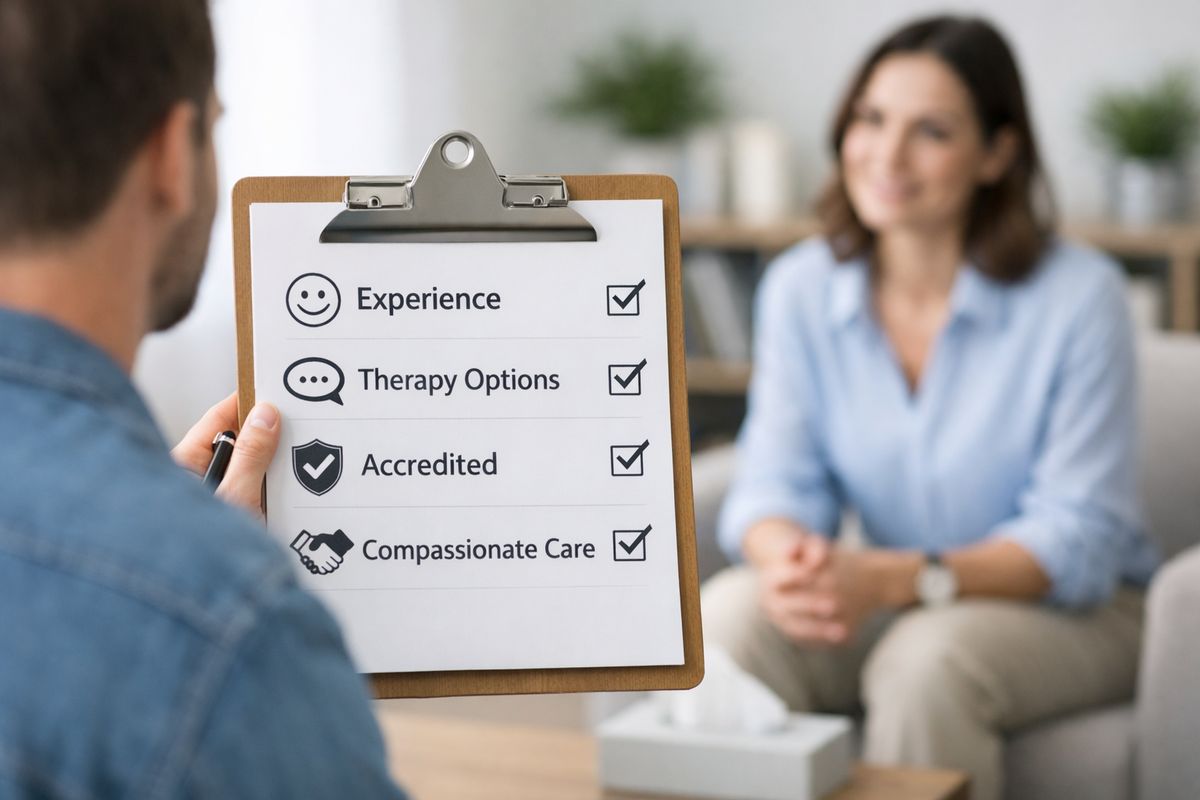

When you’re ready to begin your recovery journey, choosing the right setting for withdrawal management is a critical first step. Residential detox for substance abuse offers a live-in environment where you receive round-the-clock medical oversight, peer support and structured routines designed to keep you safe and comfortable as you navigate early withdrawal. These programs combine evidence-based therapies, psychoeducation and, when appropriate, medications to ease cravings and reduce relapse risk.
In this article, you’ll explore how residential detox differs from outpatient and hospital-based options, learn about the levels of care defined by the American Society of Addiction Medicine, and compare specialized tracks for alcohol, opioids or multiple substances. You’ll also discover how medication-assisted treatment—such as Suboxone clinics—can integrate with detox, and find guidance on transitioning into long-term recovery support. By understanding each component of a residential drug and alcohol detox center, you can make an informed choice that aligns with your needs, goals and circumstances.
Understanding residential detox
Residential detox programs provide 24-hour supervision in a non-hospital setting, bringing together medical oversight, behavioral therapies and peer support in a sober living environment. You’ll live on-site, usually for a period ranging from several days to a few months, depending on your clinical needs and the intensity of your withdrawal symptoms.
Key features include:
- 24/7 medical supervision to manage symptoms and adjust medications as needed
- Structured daily schedules that balance therapy, education and healthy activities
- Peer support through group therapy and shared mealtimes
- Holistic options—such as yoga or meditation—to address mind-body wellness
- Coordination with aftercare planning for a smooth transition into ongoing treatment
Residential care is especially well suited to people who require more than occasional check-ins but do not meet criteria for psychiatric hospitalization. By removing you from triggers in your daily environment and offering comprehensive support, these programs lay a stable foundation for sustained recovery [1].
Exploring levels of care
The American Society of Addiction Medicine (ASAM) defines six assessment dimensions and multiple levels of care to match you with the right intensity of treatment. Residential detox falls under several of these levels, each tailored to your withdrawal severity and overall health status.
Ambulatory detox services
Also known as outpatient detox, this level (Level I-D) offers scheduled visits—often in a clinic or physician’s office—for medication management and monitoring. It’s ideal if you have strong support at home, mild withdrawal symptoms and reliable transportation. Many people step down from residential detox into ambulatory care to continue medication-assisted recovery. For outpatient options, see our guide to outpatient drug detox services.
Clinically managed residential detox
In Level III.2-D programs, you receive round-the-clock supervision from counselors, nursing staff and case managers. This setting emphasizes peer interaction and social support alongside medical oversight, making it a good fit if you have moderate to severe withdrawal or co-occurring mental health concerns. Learn more about residential drug and alcohol detox center.
Medically managed inpatient detox
For the most severe cases—such as complicated alcohol dependence, benzodiazepine or opioid withdrawal—Level III.7-D or Level IV-D care provides 24-hour medical staff, often in a freestanding detox center or hospital setting. You’ll have access to emergency interventions and advanced monitoring equipment. Explore options for medically managed detox for substance abuse.
Highlighting residential benefits
Choosing a live-in detox facility brings several advantages that can make your initial recovery phase both safer and more effective.
| Benefit | Description |
|---|---|
| 24-hour medical supervision | Continuous oversight ensures withdrawal symptoms are managed promptly |
| Peer support | Shared experiences foster accountability and reduce isolation |
| Structured environment | Predictable routines minimize exposure to triggers |
| Evidence-based therapies | Access to CBT, group therapy and psychoeducation enhances coping skills |
| Holistic approaches | Yoga, meditation and fitness promote overall well-being |
Furthermore, research indicates that longer stays—90 days or more—are generally associated with more successful outcomes in substance abuse recovery [1]. By immersing yourself in a supportive setting, you’re less likely to experience early relapse and better prepared to tackle underlying issues.
Comparing detox options
Not all detox tracks are the same. Depending on your substance of choice and clinical profile, programs offer specialized protocols.
Alcohol-specific services
Alcohol detox often involves medical supervision to prevent severe symptoms like delirium tremens. Medications may include benzodiazepines or other sedatives under physician guidance. For alcohol-focused care, consider alcohol detox with medical supervision or medical detox for alcohol withdrawal.
Opioid-focused programs
Opioid detox may leverage medication-assisted treatment to ease cravings and withdrawal. Buprenorphine or methadone protocols can be initiated during inpatient detox. For dedicated opioid tracks, see opioid detox program or opioid addiction detox center.
Polysubstance treatment
If you’re detoxing from multiple substances—such as alcohol and opioids—programs tailor medications and therapies to address each dependency. Integrated approaches help reduce cross-tolerance risks and ensure balanced care. Learn more about detox for polysubstance addiction.
Integrating medication-assisted treatment
Medication-assisted treatment (MAT) bridges detox and long-term recovery by combining FDA-approved medications with counseling and behavioral therapies. MAT can reduce cravings, block euphoric effects and stabilize brain chemistry.
Suboxone clinics
Suboxone (buprenorphine/naloxone) is a common MAT option for opioid use disorder. Clinics provide induction and maintenance dosing, along with individual and group counseling. Seek a certified suboxone clinic for opioid addiction or explore our outpatient suboxone program.
MAT program benefits
- Reduces risk of overdose by stabilizing opioid receptors
- Improves retention in treatment and lowers relapse rates
- Offers flexible dosing schedules for your lifestyle
- Integrates behavioral therapies for coping skills development
For a comprehensive overview, visit our medication assisted treatment program page.
Planning ongoing transition
Exiting residential detox marks a milestone, but lasting recovery depends on a well-structured aftercare plan. Smooth transitions help maintain momentum and prevent relapse.
Outpatient transition services
Many programs offer a step-down into intensive outpatient treatment (IOP), requiring 9+ hours of weekly attendance. You’ll attend group therapy, individual counseling and continue medication management. Check out short term detox with outpatient transition or alcohol detox and outpatient rehab.
Aftercare planning
Your team can help you connect with support groups, sober living homes and ongoing therapy. Structured aftercare often includes:
- Enrollment in self-help programs like Narcotics Anonymous
- Regular check-ins with a counselor
- Family therapy or peer-led support networks
- Referrals to specialized tracks, such as detox and mental health treatment combined or detox program with dual diagnosis care
For guidance on tailoring your next steps, see our resource on residential detox with aftercare planning.
Selecting right facility
Choosing a reputable center involves assessing accreditation, clinical credentials and financial considerations.
Accreditation and criteria
Look for programs licensed by state authorities and accredited by organizations like The Joint Commission or CARF. Confirm that clinical staff follow the ASAM Patient Placement Criteria (PPC-2R) for individualized levels of care [2].
Insurance and cost coverage
Most insurance providers—Blue Cross Blue Shield, Aetna, Cigna and Humana—cover at least part of residential detox costs. Verify your benefits and ask about sliding-scale fees or payment plans. Our guide to the best detox center for addiction can help you identify in-network options.
Taking next steps
Deciding on residential detox for substance abuse is a proactive move toward lasting wellness. Talk with an admissions specialist to discuss your history, medical status and personal goals. Ask questions about daily schedules, therapy modalities and transition pathways into aftercare. You don’t have to navigate this process alone—comprehensive addiction recovery detox services are available to support every step.
By committing to a structured, medically supervised environment, you maximize your chances for a successful start to sobriety and set the stage for lifelong recovery. Reach out today to learn more about your options and find the program that aligns with your needs.