
Understanding community-based addiction recovery
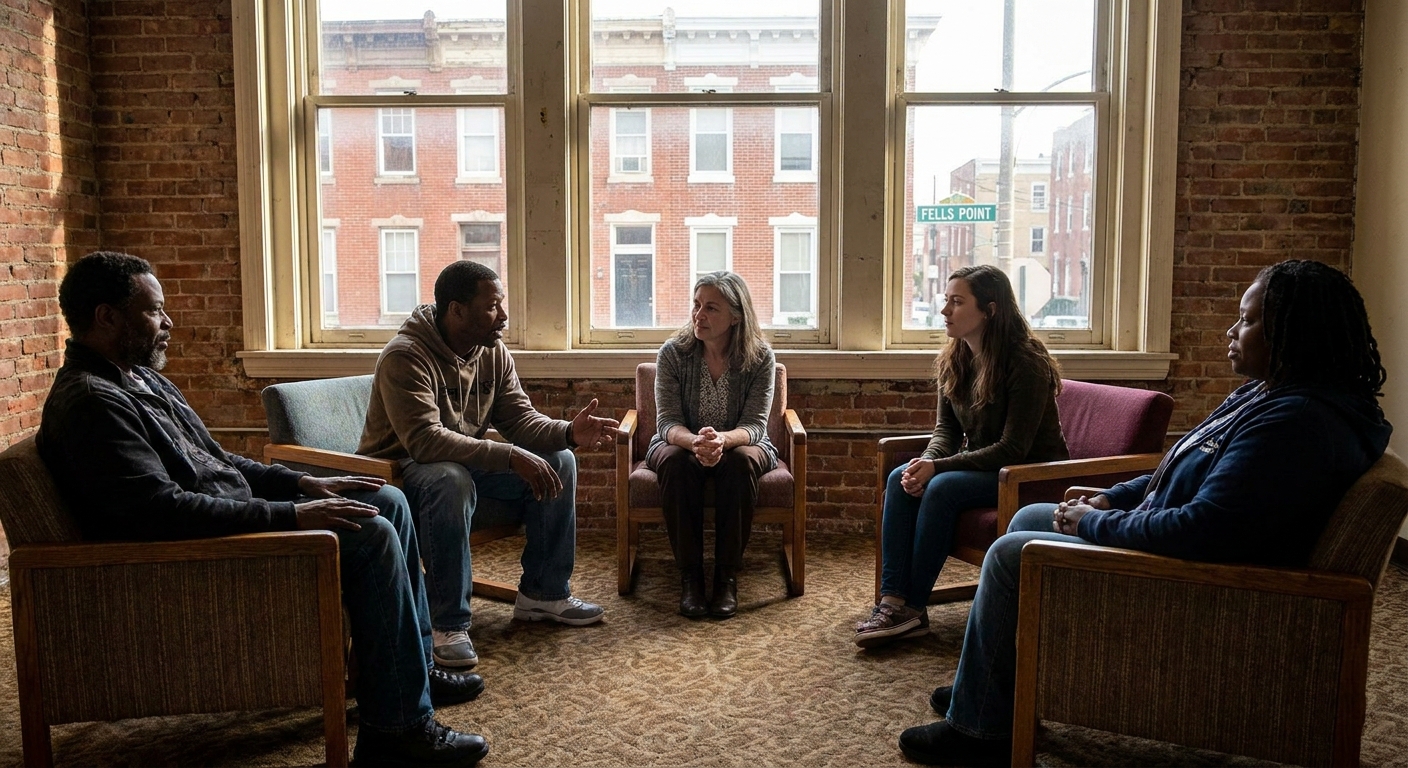
Community-based addiction recovery brings treatment and support into the places where you already live, work, worship, and connect. Instead of requiring you to step away from your life for months at a time, community-based programs surround you with ongoing care, peer support, and practical resources right where you are.
When you engage in community-based addiction recovery, you do not walk this path alone. You build a network of peers, professionals, and mentors who understand what you are going through and who stay involved long after an initial treatment phase ends. This ongoing connection is one of the reasons community involvement helps reduce isolation and supports long-term sobriety [1].
Why community involvement strengthens recovery
Community involvement is not an optional add-on. It is a core ingredient in effective addiction treatment and long-term recovery.
Local support groups, sober social activities, and volunteer opportunities give you a place to belong, which is especially important if your old social circle centered around substance use. Having people who expect to see you and care about your progress increases accountability and keeps your goals in focus [1].
Guidance and mentorship are also central benefits. When you connect with peers who are further along in recovery, you gain living examples of what sobriety can look like over time. These relationships give you practical advice and emotional support when cravings, stress, or life transitions feel overwhelming [1].
In many communities, you can get involved by:
- Attending local support or mutual help groups
- Volunteering with recovery organizations
- Joining community education events and workshops
- Connecting with sober living or recovery housing networks
This kind of engagement helps you replace isolation with connection and gives you a structure that supports your daily choices.
Core elements of community-based programs
Effective community-based addiction recovery combines evidence-based treatment with strong social support and practical help. While specific offerings vary, you will typically see several key elements.
Evidence-based therapies
Most quality programs use therapies that are backed by research:
- Cognitive Behavioral Therapy (CBT) helps you identify and change thought patterns and behaviors that drive substance use. It also equips you with coping skills that reduce relapse risk [2].
- Motivational Interviewing meets you where you are and helps you find your own reasons for change, especially if you feel ambivalent or resistant [2].
- Group counseling offers a process-oriented setting where you share experiences, reduce loneliness, and practice healthier ways of relating to others [2].
These approaches can be offered in outpatient clinics, recovery centers, or integrated community programs.
Peer and mutual support
Peer support is one of the strongest predictors of lasting change in community-based recovery. Research on Oxford House recovery homes found that social support at the individual level, including the size and quality of your network and affiliation with Alcoholics Anonymous (AA), was closely tied to better recovery outcomes and lower stress [3].
Residents who formed even a single supportive relationship saw their relapse risk drop nearly fivefold, highlighting how powerful one strong connection can be [3]. Participation in mutual help organizations such as AA was also linked to higher abstinence rates and more supportive social networks.
Peer support groups integrated into treatment have been associated with:
- Reduced substance use
- Better engagement in treatment
- Decreased high-risk behaviors
- Increased confidence and self-efficacy in staying sober [4]
Family and relationship involvement
Because addiction affects your whole family, many community-based approaches invite your loved ones into the process. Family treatment helps those close to you understand addiction as a disease, not a moral failure, and gives them tools to support your recovery in healthy ways [2].
If you are looking for programs that intentionally involve spouses, parents, or children, you can explore options like family-centered addiction treatment or faith-based family addiction recovery.
Recovery Community Centers and hubs
Recovery Community Centers (RCCs) are peer-operated spaces that focus on long-term recovery. They often host:
- Mutual-help meetings such as AA, SMART Recovery, or LifeRing
- Peer-led support and mentoring
- Social activities in a sober environment
- Classes and workshops on recovery and life skills
- Connections to jobs, education, and social services
RCCs help you build “recovery capital,” which includes supportive relationships, practical resources, and a sense of purpose. Preliminary data from a National Institutes of Health funded study indicate that people who use these centers find them extremely helpful for both recovery and overall well-being, with volunteers reporting the greatest benefit [5].
Specialized support for veterans, young adults, and professionals
Community-based addiction recovery is most effective when it recognizes your specific life context. Your age, work, family responsibilities, trauma history, and faith traditions all shape what you need from treatment.
Veterans and service members
If you are a veteran, you may be carrying visible or invisible injuries from your time in service. Community-based programs that focus on veterans understand the impact of combat stress, moral injury, chronic pain, and reintegration challenges.
A veteran addiction treatment program or holistic addiction recovery for veterans may integrate:
- Trauma-informed therapies
- Coordination with VA or military benefits
- Peer groups with other veterans who understand service culture
- Support for transition to civilian employment and housing
If you need to maintain work or family responsibilities while in care, an outpatient recovery program for veterans can provide structured help while you remain in your community.
Young adults and students
Young adults often use substances in social settings, and the line between experimentation and addiction can blur quickly. Community-based programs that focus on your stage of life help you navigate school, work, peer pressure, and identity development while addressing substance use.
With young adult addiction recovery or addiction recovery for young adults, you can expect:
- Age-specific groups and counseling
- Focus on relationships, self-image, and independence
- Support for school or early career goals
- Skills for building a sober social life
A community setting also gives you opportunities to practice new coping strategies in real time instead of waiting until after a residential stay.
Working professionals and healthcare workers
If you are a professional, especially in a demanding field, you may worry that seeking help will jeopardize your career. Community-based programs can offer flexible scheduling, privacy protections, and specialized support that account for your responsibilities.
An addiction treatment for professionals track or christian recovery program for professionals can address:
- Workplace stress and burnout
- Licensing or monitoring requirements
- Professional identity and shame
- Boundaries and work-life balance
If you work in healthcare, you face unique pressures as you care for others while managing your own health. Addiction recovery for healthcare workers acknowledges moral distress, trauma exposure, and access to medications and offers tailored support in a confidential, respectful environment.
Faith-based and values-centered community recovery
For many people, spiritual beliefs or religious communities play an important role in healing. Community-based addiction recovery can be faith-neutral or faith-integrated, depending on what you are looking for.
Faith-based programs may combine spiritual practices, religious teaching, and pastoral care with clinical treatment. Twelve-Step Facilitation, for example, encourages you to see addiction as a disease, accept that you cannot face it alone, and engage with a “higher power” and peer support to sustain change [2].
If you want your recovery to align closely with your spiritual convictions, you can explore:
- Faith-based recovery for men
- Faith-based recovery for women
- Insurance-covered faith-based rehab
- Affordable faith-based addiction treatment
These options allow you to stay rooted in your beliefs while accessing evidence-based care and community support.
When treatment respects your identity, values, and culture, you are more likely to stay engaged and build a recovery that feels sustainable.
Community-based treatment for high-acuity and reentry needs
Not everyone begins recovery at the same starting point. If you are facing severe addiction, complex mental health challenges, or recent incarceration, you may need a more intensive community-based approach.
High-acuity and complex cases
High-acuity clients often need structured support that can respond quickly to crises while still remaining connected to community resources. An addiction program for high-acuity clients may coordinate:
- Detoxification and stabilization services
- Medication-assisted treatment when appropriate
- Close monitoring and intensive counseling
- Step-down to lower-intensity outpatient or community care
Some individuals also benefit from therapeutic communities, which are structured, drug-free residential settings where people live and recover together. A review of therapeutic communities found that many participants experienced better substance use and legal outcomes compared to control groups, as well as improved employment and psychological functioning [6]. Longer stays and follow-up aftercare were associated with better long-term outcomes.
At the same time, dropout rates can be high and relapse after discharge is common, which underscores the importance of ongoing, community-based support once you leave a more intensive setting [6].
Reentry after incarceration
If you are returning to the community after incarceration, you may face multiple challenges at once, including housing, employment, probation requirements, and health needs. A community reentry recovery program is designed to address these overlapping issues.
A review of community-based substance use interventions for justice-involved adults found that medications for opioid use disorder and peer or social support interventions were the most common strategies. Most studies showed positive impacts on substance use outcomes, although results for criminal justice outcomes were more mixed [7].
Community-based programs can help you:
- Connect with housing and employment resources
- Access mental health and medical care
- Engage in peer support and mentorship
- Navigate legal and supervision requirements
Because reentry populations are diverse and often face co-occurring problems such as mental illness, homelessness, or infectious diseases, individualized and flexible support is especially important [7].
Educational and outreach services in your community
Knowledge reduces stigma and increases your options. Many community-based programs offer education and outreach services that help you and your loved ones understand addiction and recovery better.
With addiction education workshops, you can learn about:
- How substances affect the brain and body
- Signs of addiction and withdrawal
- Relapse warning signs and prevention strategies
- Healthy communication and boundary setting
Outreach addiction counseling services bring support directly into neighborhoods, churches, shelters, schools, and workplaces. These services can be a first step if you are not ready to commit to a full program but want to talk with someone who understands addiction and recovery.
Public agencies may also play a significant role. For example, in Washington DC, the Department of Behavioral Health certifies a network of community-based substance use disorder providers and promotes a full continuum of services, including outpatient, intensive outpatient, residential treatment, detoxification, medication-assisted treatment, and wraparound recovery supports such as mentoring, job training, and transportation [8].
Making treatment accessible and sustainable
Cost, location, and time are common barriers when you consider treatment. Community-based addiction recovery is designed to lower those barriers wherever possible.
An accessible addiction treatment program often provides:
- Sliding-scale or insurance-based payment options
- Telehealth or hybrid care models
- Evening or weekend appointments
- Transportation support or virtual groups
If faith is important to you and finances are a concern, affordable faith-based addiction treatment or insurance-covered faith-based rehab can help you access care without carrying an unsustainable financial burden.
Community-based settings also make it easier to build recovery into your everyday life. You apply what you learn right away in your relationships, work, and routines through ongoing therapy, instead of waiting to reenter your community after an isolated treatment stay.
How to choose the right community-based program
With many options available, it helps to focus on a few key questions as you consider community-based addiction recovery:
- Does this program specialize in people like you, such as veterans, young adults, professionals, or families?
- Are evidence-based therapies such as CBT, Motivational Interviewing, and group counseling included [2]?
- Is there a strong peer support component, including mutual help meetings, peer mentors, or recovery coaches [4]?
- Are family members invited to participate if you want them involved?
- Can the program transition you between levels of care, for example, from intensive treatment to ongoing community support?
- Does it align with your values, including any spiritual or faith commitments you hold?
If a program can answer these questions clearly and respectfully, it is more likely to support you not just in getting sober, but in building a life you want to stay sober for.
Community-based addiction recovery allows you to take control of your healing in a way that fits your reality. With targeted, inclusive programs for veterans, young adults, professionals, and families, and with strong community involvement, you can access tailored support that walks with you every step of the way.