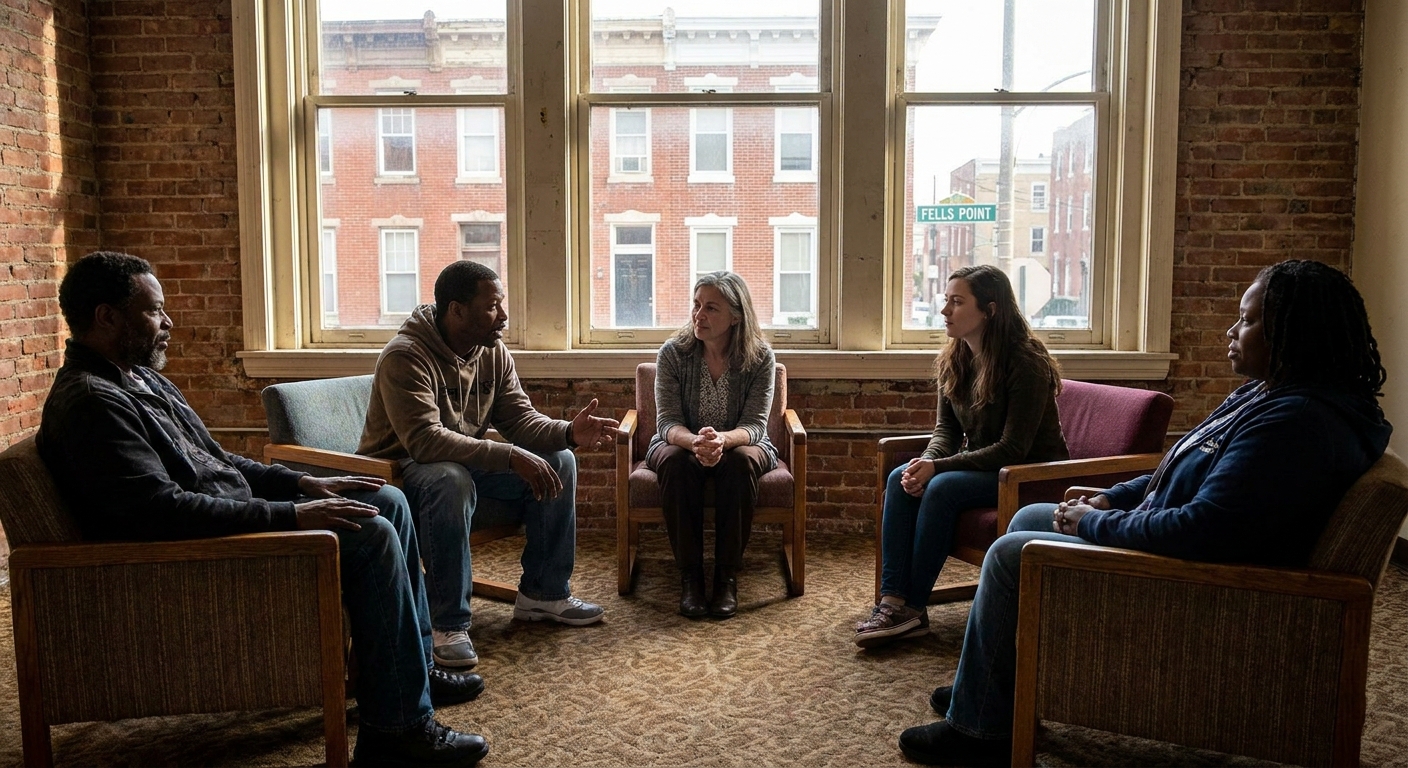

Understanding addiction recovery for young adults
Addiction recovery for young adults looks different from recovery later in life. You are still shaping your identity, building relationships, and making decisions about education, work, and family. Substance use can interrupt these milestones and make it harder to see how serious the problem has become.
Research shows that many adolescents and young adults in outpatient treatment do not fully recognize the severity of their substance use at first, which can reduce motivation and engagement in care [1]. At the same time, addiction is treatable, and research-based methods help people stop using substances and resume productive lives in recovery [2].
When you explore options for young adult addiction recovery, it helps to understand both the challenges you may face and the supports that are available to you.
Why young adults face unique recovery challenges
Your age and life stage shape how addiction develops and how recovery works. You are often navigating school, early career steps, financial pressure, and shifting relationships, all at once.
Peer pressure and social environments
Peer influence is especially strong in your teens and twenties. You may spend much of your time with friends, classmates, or coworkers, and you might feel pressure to fit in. Young adults often surround themselves with peers who have similar habits, which can make it hard to avoid joining in substance use even when you want to stop [3].
Negative peer pressure can also increase relapse risk. Friends who continue to drink or use drugs might encourage you to join them, even if they know you are trying to stay sober. On the other hand, positive peer pressure can support recovery when your circle encourages healthy choices, goal setting, and accountability [3].
School, work, and daily responsibilities
If you are in high school, college, trade school, or starting a career, you may feel torn between your responsibilities and your need for treatment. Balancing academic pressure, work schedules, and therapy appointments can be overwhelming. Stress from schoolwork and absences for treatment can become triggers if you do not have enough support, and you may be tempted to push recovery to the side to keep up [1].
Specialized addiction recovery for young adults often includes flexible scheduling, coordination with schools or employers, and skills training to help you manage stress without relying on substances.
Mental health, trauma, and suicidality
Many young adults facing addiction also live with anxiety, depression, trauma, or other mental health conditions. These co occurring disorders are common and they increase your risk for both continued substance use and suicidal thoughts or behaviors [1].
Studies show that adolescents with substance use disorders and suicidality are at especially high risk. Between 18 percent and 36 percent report a history of suicidal behavior, and they have a 3 to 4 times higher rate of suicide attempts than peers without these conditions. They are 5 to 13 times more likely to die by suicide than adolescents without substance use disorders [4].
For your safety, effective treatment should address substance use and mental health together, not in separate, fragmented systems. Integrated outpatient cognitive behavioral treatment that focuses on both addiction and suicidality shows promise because it targets shared triggers like chronic stress and underlying vulnerabilities [4].
If you have thoughts of self harm or suicide, you can contact the 988 Suicide & Crisis Lifeline at any time for immediate support [5].
The role of family, friends, and community
You do not recover in isolation. The people around you, and the systems you live in, directly affect your chances of lasting change.
Family involvement and support
For most young adults, family still has a major influence. Research shows that when families are actively involved in therapy and support, teens and young adults are more likely to achieve long term recovery success [1]. At the same time, family substance use, conflict, or emotional struggles can complicate treatment.
Family dynamics are especially important when suicidality is involved. High conflict, poor communication, and parental mental health problems are common in families of suicidal, substance using adolescents. Parent training and family therapy can help address unhelpful parenting patterns, parental attitudes toward substances, and motivation to support treatment [4].
You may benefit from family-centered addiction treatment or faith-based family addiction recovery if your family is open to learning new communication tools and building a more supportive home environment. Families and friends who join support groups and educational programming gain skills that help them support your recovery and heal from their own stress related to addiction [6].
Friends and peer support in recovery
Friends can either pull you back toward substance use or help you move forward. A healthy support system of friends who respect your boundaries and encourage sobriety has a strong positive impact on both your recovery and your overall wellbeing [6].
Peer support groups add another layer. A review of peer support interventions in addiction found that these groups are linked to reduced substance use, better engagement in treatment, fewer risky behaviors related to HIV and hepatitis C, and improvements in craving and self confidence [7]. Some programs reported abstinence rates as high as 86 percent at 6 month follow up, which is much higher than typical rates in similar populations [7].
Peer mentorship, where you are paired with someone further along in recovery, has been shown to be feasible and helpful. Participants report satisfaction with the support, and both mentees and mentors often reduce their substance use over time [7]. You might access this kind of support through a community-based addiction recovery program or through your treatment center.
Community and faith based support
Community organizations, churches, and recovery ministries often provide additional layers of support, including support groups, service opportunities, and structured housing. If you prefer to integrate your faith into healing, you might explore faith-based recovery for men, faith-based recovery for women, or an insurance-covered faith-based rehab.
These programs can be especially valuable if you want spiritual guidance alongside evidence based therapies, or if you are looking for a value aligned community of peers.
Evidence-based treatments that work for young adults
Effective addiction recovery for young adults is grounded in research, tailored to your age, and responsive to your personal goals. Treatment is not a cure, but it helps you manage addiction in a way similar to other chronic conditions, such as heart disease or asthma. You learn to counteract the disruptive effects of substances on your brain and behavior so you can regain control of your life [2].
Therapies and approaches
Behavioral therapies are central to treatment for most substance use disorders. For opioids, medications combined with counseling are usually most effective. For stimulants or cannabis, behavioral therapies alone are often used [2].
Common approaches include:
- Cognitive behavioral therapy to identify and change thought patterns and behaviors that drive substance use
- Motivational interviewing to strengthen your readiness to change and build your own reasons for recovery
- Family therapy to improve communication, reduce conflict, and align expectations
- Group therapy to practice skills and gain feedback in a supportive setting
Integrated treatments that target both substance use and suicidality at the same time are especially important if you have a history of suicidal thoughts or attempts. These programs recognize that substance use and suicidality often share triggers, so addressing them together can increase effectiveness [4].
Medication and medical support
If you have an opioid use disorder, you may be offered medications such as buprenorphine or methadone, along with counseling. This combination is considered the standard of care and has been shown to reduce opioid use, overdose risk, and relapse [2].
You might also receive medications for co occurring mental health conditions such as depression or anxiety, along with psychotherapy. Specialized programs, like an addiction program for high-acuity clients, often provide closer medical monitoring and more intensive support if your needs are complex.
Whole person care
High quality treatment addresses your whole life, not just your substance use. The National Institute on Drug Abuse highlights that successful programs consider medical, mental, social, occupational, family, and legal needs simultaneously, with counselors tailoring services to each person [2].
If you are a veteran, an outpatient recovery program for veterans or holistic addiction recovery for veterans can integrate trauma informed care, VA coordination, and peer support from others who share your background. If you are a professional or healthcare worker, addiction treatment for professionals or addiction recovery for healthcare workers can address licensure concerns, confidentiality, and workplace reintegration.
Steps to build lasting change
Lasting recovery is not about one decision or one program. It is a series of steps that you revisit and refine as your life changes.
1. Recognize the problem and your goals
Your first step is noticing that substances are getting in the way of the life you want. You might see changes in your grades, work performance, relationships, or mental health. You might notice that you need more of the substance to feel the same effect or that you feel unwell when you try to cut back.
It is also helpful to understand that most people do not require endless failed attempts before succeeding. In a large national study of adults who resolved serious alcohol or drug problems, the median number of serious recovery attempts was two, even though the average was higher due to a small group with many attempts [8]. Knowing this can reduce discouragement and help you see recovery as achievable.
2. Choose a treatment path that fits you
Once you are ready to seek help, you can explore options that match your needs, values, and responsibilities. You might look at an accessible addiction treatment program if finances or logistics are a concern, or an affordable faith-based addiction treatment option if you want a spiritual framework.
Consider:
- Your level of substance use and withdrawal risk
- Co occurring mental health conditions or medical issues
- School, work, or caregiving responsibilities
- Your support system at home
- Whether you prefer individual or group settings, or a mix
Transition age youth, ages 15 to 26, face a significant treatment gap. Around 6.4 million in this age group meet criteria for a substance use disorder, and more than 300,000 have an opioid use disorder. Yet fewer than 9 percent received any substance use treatment in a recent year [9]. When you step into treatment, you are taking action that many never get the chance or support to take.
3. Involve your family and support network
If it is safe and appropriate, bringing family into your recovery can improve outcomes. Interventions such as Community Reinforcement and Family Training (CRAFT) teach caregivers how to encourage treatment and support behavior change, and more intensive CRAFT training is linked to higher engagement rates [9].
Family oriented interventions like Youth Opioid Recovery Support (YORS) are designed specifically for youth with opioid use disorder. YORS uses parenting strategies to support both your autonomy and your adherence to medication and therapy, and early studies show better treatment and relapse outcomes than standard care [9].
If your family cannot easily attend in person sessions, tele interventions make participation more accessible by removing barriers related to time, stigma, or distance [9].
4. Engage fully and address barriers
Engagement is one of the biggest challenges in youth treatment. More than half of adolescents who enter treatment after a suicide attempt drop out early. Low motivation in both young people and their parents, as well as external obstacles like transportation, scheduling, or cost, all affect retention [4].
You can strengthen your engagement by:
- Talking openly with your providers about what is and is not working
- Using outreach addiction counseling services if available, to receive support closer to home
- Attending addiction education workshops to better understand addiction and recovery
- Asking about telehealth or flexible scheduling if transportation or time is limiting
If you are transitioning back from a higher level of care, a community reentry recovery program can provide structure and support as you return to school, work, or community life.
5. Build a sustainable life in recovery
Recovery is not only about stopping substances. It is about building a life that makes ongoing use less appealing and less necessary. This usually involves:
- Developing healthy routines for sleep, nutrition, movement, and stress management
- Strengthening relationships that support your values and boundaries
- Learning new ways to cope with emotions, conflict, and setbacks
- Exploring education and career paths that align with your strengths and interests
- Serving others or contributing to your community in meaningful ways
Government and community investments can also support your long term stability. For example, SAMHSA has funded more than 45 million dollars for sober or recovery housing services for young adults as part of State Opioid Response programs, along with nearly 800 million dollars in community mental health and substance use block grants. These initiatives aim to expand access to treatment, recovery housing, and crisis support for people like you [5].
If you are a veteran, a veteran addiction treatment program can help you connect with specialized housing, benefits, and peer support. If you are a professional, a christian recovery program for professionals may combine career aware care with spiritual resources.
Recovery is a process, not a single event. Relapse can be part of that process, and it does not mean treatment has failed. It means your plan needs adjustment, just as it would with any other chronic health condition [2].
Taking your next step
If you are considering addiction recovery for young adults, you have already taken an important step by looking for information. You do not have to fit a certain profile or hit a specific “rock bottom” to deserve help. Whether you are a student, a veteran, a young professional, or someone still figuring out your next move, support is available.
You can start by reaching out to a local provider, exploring an accessible addiction treatment program, or talking with someone you trust about your concerns. With the right combination of evidence based care, family and peer support, and community resources, you can move toward lasting change and a more stable, hopeful future.
References
- (Freedom Recovery)
- (NIDA)
- (Gateway Foundation)
- (PMC – NCBI)
- (SAMHSA)
- (Gateway Foundation)
- (NCBI – PMC)
- (NCBI PMC)
- (PMC – NCBI)