
Why accessibility in addiction treatment matters
When you are ready to seek help, finding an accessible addiction treatment program can feel like its own obstacle. You might worry about cost, time away from work or family, transportation, or whether a program will understand your background and beliefs. Yet treatment that you can actually reach and participate in is one of the strongest predictors of recovery.
Across the United States, there is growing recognition that addiction care must be more available and inclusive. The Substance Abuse and Mental Health Services Administration (SAMHSA) has invested hundreds of millions of dollars to expand community-based services and prevention efforts so more people can find care close to home [1]. Even with this progress, many people who need help still do not receive it, often because programs feel out of reach or not built with their needs in mind [2].
You deserve treatment that is both clinically effective and practical for your life. An accessible addiction treatment program pays attention to your schedule, your finances, your culture and faith, and the specific pressures you face as a veteran, a young adult, a professional, or a family member trying to help someone you love.
What makes addiction treatment truly accessible
Accessibility is more than an open door. A program is only accessible if you can enter it, stay engaged, and get meaningful support. Research that reviewed dozens of studies found that people face structural, social, and personal barriers when trying to access treatment, and that flexible, non‑judgmental, coordinated care models help people stay involved and succeed [3].
You can think about accessibility in three key areas.
Structural access: cost, location, and flexibility
Structural barriers are often the first things you run into when you look for help. These include:
- Financial concerns and lack of insurance
- Limited treatment capacity or long waitlists
- Services that are far away or hard to reach by public transportation
- Rigid schedules that conflict with work, school, or caregiving
In 2023, over 54 million people in the United States needed substance use treatment, yet less than a quarter actually received it, and financial barriers were a major reason [2]. Even people with insurance can face limitations, especially for medication assisted treatment for opioid use disorder.
An accessible program responds to these realities by:
- Accepting major insurance plans and working with you on payment options
- Offering multiple levels of care such as outpatient, intensive outpatient, and partial hospitalization so you can match care to your needs and responsibilities
- Providing telehealth and hybrid options so distance and transportation are less of a barrier
- Structuring sessions around evenings, weekends, or shift work so you do not have to choose between treatment and employment
Telehealth and free community supports like 12 Step meetings are already expanding access for people in rural or underserved areas [2]. An intentional program will help you make use of these resources instead of expecting you to figure them out alone.
Social access: stigma, support, and safety
Even when a program is nearby and affordable, stigma or a lack of support can keep you out of care. The same review of treatment barriers highlighted that stigma, judgment, and dysfunctional social networks are major reasons people delay or avoid treatment [3].
A compassionate and accessible addiction treatment program creates a different kind of environment. You should find:
- A non‑judgmental, empathic therapeutic culture
- Staff who understand trauma, moral injury, and the shame often attached to addiction
- Clear respect for your dignity, privacy, and rights
- Opportunities to involve family or trusted support people when you are ready
Social support, especially from family, is one of the strongest facilitators of entering and staying in treatment [3]. Programs that invite family education and participation, such as family-centered addiction treatment or faith-based family addiction recovery, can strengthen the network around you instead of isolating you during care.
Individual access: beliefs, motivation, and readiness
On a personal level, you might struggle with doubts about whether treatment works, fear of withdrawal, or worry about people finding out. Misunderstandings about treatment effectiveness and fear of stigma are well documented as reasons people wait to get help [3].
An accessible program meets you where you are. You should expect:
- Education about addiction as a treatable medical and spiritual condition, not a moral failure
- Honest information about what to expect in detox, early sobriety, and long‑term recovery
- Motivational interviewing and other approaches that help you explore your own reasons for change
- Flexibility in pacing goals so you can move forward without feeling pressured or shamed
If your faith is important to you, options like faith-based recovery for men, faith-based recovery for women, or insurance-covered faith-based rehab can bridge the gap between your beliefs and your desire to heal.
A truly accessible addiction treatment program does not just ask, “Can you get here?” It asks, “Can you see yourself here, and can you realistically stay long enough to heal?”
Evidence-based care at the heart of accessibility
Accessibility is only meaningful if the care you receive is effective. High quality programs combine medical, psychological, social, and spiritual supports to address the full reality of addiction.
According to clinical guidance from the US Substance Abuse and Mental Health Services Administration, effective treatment focuses on three broad goals: helping you attain and maintain abstinence, addressing other life problems such as mental health, work, and legal concerns, and preventing relapse through education and coping skills [4].
A full continuum of care
Accessible programs offer a range of settings so that you receive care in the least restrictive environment that still meets your needs. This can include:
- Inpatient or residential treatment for people who need 24/7 structure
- Partial hospitalization or day treatment when you need intensive support but can sleep at home
- Intensive outpatient programs that blend structure with flexibility
- Standard outpatient counseling and outreach addiction counseling services for ongoing support
- Specialized options like an addiction program for high-acuity clients if you need more complex care
This continuum mirrors national recommendations that treatment should be accessible in multiple levels of intensity and that you should be placed in the least restrictive setting appropriate for your condition [4].
Integrated medical and therapeutic support
Addiction rarely exists in isolation. Many people live with chronic pain, depression, anxiety, PTSD, or medical complications from substance use. Effective specialized programs often combine:
- Pharmacotherapy such as methadone, buprenorphine, naltrexone, or disulfiram when appropriate
- Behavioral therapies like cognitive behavioral therapy and dialectical behavior therapy
- Trauma informed care and motivational interviewing
- Peer and self help groups [4]
For some, medication assisted treatment is an essential part of accessibility. Methadone maintenance, for example, has decades of evidence showing that it reduces heroin use, criminal behavior, and improves work and social functioning when dosed appropriately [5]. Programs that respect this evidence and remove unnecessary barriers to medication are more accessible to people living with opioid use disorder.
Primary care clinicians also play a critical role in accessible treatment by continuing to manage your medical conditions, encouraging you to stay in your program, and planning follow up after formal treatment ends [4]. Strong coordination between your treatment team and your usual healthcare providers can keep you safer and more supported.
Tailored support for specific communities
Addiction touches many different groups, but your experience is shaped by your role, culture, and responsibilities. A compassionate and accessible addiction treatment program acknowledges this and offers specialized tracks so that you do not feel like your situation is an afterthought.
Veterans and active‑duty service members
If you are a veteran or active‑duty service member, you may carry experiences of combat, moral injury, physical injury, or prolonged separation from family. You might also be accustomed to a culture of self reliance that makes asking for help feel unfamiliar.
Specialized options like a veteran addiction treatment program, outpatient recovery program for veterans, or holistic addiction recovery for veterans are designed around these realities. You can expect:
- Clinicians familiar with military culture and the impacts of trauma
- Coordination with Veterans Affairs benefits when possible
- Peer groups with other veterans who understand your language and experiences
- Holistic approaches that address physical pain, sleep, and moral or spiritual questions
By focusing on your specific history, these programs make it easier to open up and stay connected, which are both key aspects of accessibility and long term recovery.
Young adults and students
Young adults face unique pressures around identity, independence, academic performance, and career decisions. You might be balancing school, early career demands, or living away from home for the first time.
Programs such as young adult addiction recovery and addiction recovery for young adults are built to meet you in this stage of life. They often feature:
- Flexible schedules that fit around classes or entry‑level jobs
- Developmentally appropriate therapy that addresses peer pressure, social media, and relationships
- Education on substances that are common in campus or party cultures
- Support with returning to school or work after treatment through a community reentry recovery program
Telehealth and evening groups can be especially helpful for young adults who move frequently or lack reliable transportation.
Professionals and healthcare workers
If you work in a high responsibility role, you might fear that entering treatment will damage your reputation or career. You may also face unique stressors such as long hours, exposure to trauma, or easy access to prescription medications.
Dedicated options like addiction treatment for professionals, addiction recovery for healthcare workers, and a christian recovery program for professionals are designed with confidentiality, licensing concerns, and workplace stress in mind. These programs often prioritize:
- Discreet, secure communication and documentation
- Evening, weekend, or intensive formats that minimize total time away from work
- Education about professional boundaries and ethical issues
- Coordination with monitoring bodies or employee assistance programs when needed
Accessibility for professionals often means making it possible to get help before a crisis, without sacrificing your livelihood.
Families and loved ones
If you are a spouse, parent, or relative of someone struggling with addiction, you also need support. You may be navigating fear, anger, financial strain, or confusion about how to help without enabling.
Family centered services, including family-centered addiction treatment and faith-based family addiction recovery, can help you:
- Understand addiction and recovery as long‑term processes
- Learn communication and boundary‑setting skills
- Participate in joint sessions when appropriate
- Find your own healing whether or not your loved one is ready for treatment
Many accessible programs also offer addiction education workshops so families and community members can learn more about prevention, early signs of trouble, and available resources.
Community rooted and faith informed recovery options
For many people, recovery is not just about stopping substance use. It is also about rebuilding connection, purpose, and meaning. Community and faith based approaches can make treatment feel more relatable and sustainable.
Community based and outreach focused care
Community anchored services such as community-based addiction recovery and outreach addiction counseling services bring support closer to where you live and work. These might include:
- Counseling and peer support offered in community centers, churches, or outreach locations
- Mobile or street outreach to people who are unhoused or disconnected from traditional services
- Coordination with housing, employment, and legal assistance resources
Nationally, there is increasing recognition that services must reach people who are homeless or living with both addiction and serious mental illness. Federal initiatives such as targeted Hepatitis C elimination efforts for high risk populations aim to integrate addiction treatment with broader health and social supports [1].
Faith based and affordable options
If your faith is central to your life, you may be looking for a program that honors Scripture, prayer, and spiritual disciplines alongside clinical care. Options like affordable faith-based addiction treatment and insurance-covered faith-based rehab help you:
- Align your recovery with your beliefs and values
- Address questions of guilt, forgiveness, and identity in Christ
- Participate in worship, Bible study, and pastoral counseling as part of treatment
- Access care even when finances are limited
Many people find that faith based programs also provide a built in community of people who continue to walk with them long after formal treatment ends.
How to choose an accessible program that fits you
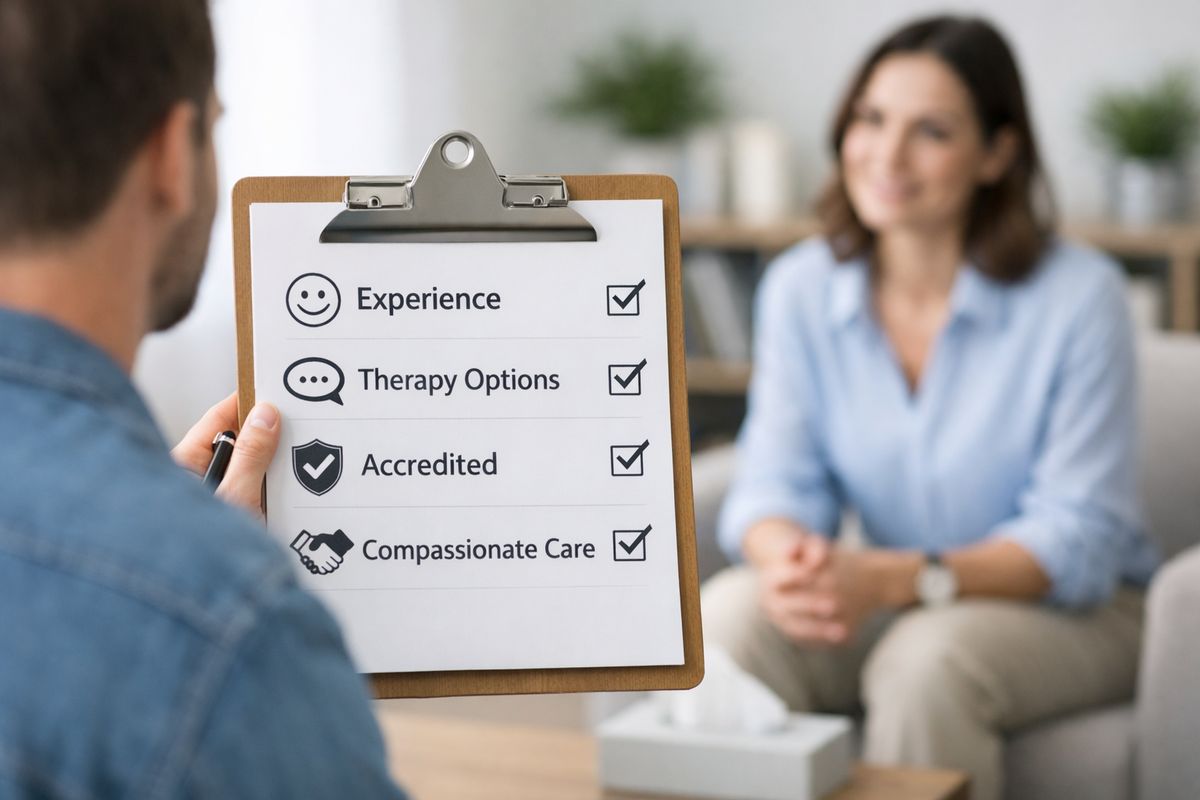
With so many options, it can be difficult to know where to begin. You can use a few simple questions to evaluate whether a program is both compassionate and accessible.
-
Can you realistically attend and stay?
Ask about scheduling, transportation, telehealth possibilities, and the typical length of stay for your level of care. -
Is it financially workable?
Confirm whether your insurance is accepted and whether there are payment plans or scholarships, especially if you are seeking affordable faith-based addiction treatment. -
Does it offer specialized support for your situation?
Look for dedicated tracks or expertise if you are a veteran, a young adult, a professional, or a family member. -
Does it use evidence based practices?
Ask which therapies and medications they offer and how they coordinate with primary care and mental health providers. -
Do you feel respected and heard?
Your experience in the first phone call or assessment is often a good indicator of the program’s culture.
Community treatment directories, which list services, locations, hours, eligibility, costs, and staff qualifications, can help you compare options near you [4]. Your primary care provider, a pastor or chaplain, or a trusted friend can also help you review options and make a plan.
Taking your next step toward recovery
The gap between wanting help and receiving it is real. Millions of people who need treatment do not get it, often for reasons that have little to do with motivation and much to do with access, stigma, and uncertainty about where to turn [2].
You do not have to close that gap alone. Whether you are a veteran considering a veteran addiction treatment program, a young adult exploring young adult addiction recovery, a professional weighing addiction treatment for professionals, or a family seeking family-centered addiction treatment, there are programs designed with you in mind.
An accessible addiction treatment program will work with your circumstances instead of against them. It will invite your whole story, including your faith, your responsibilities, and your hopes for the future. Reaching out for an assessment or attending an addiction education workshop can be a practical first step toward the healing and stability you have been looking for.