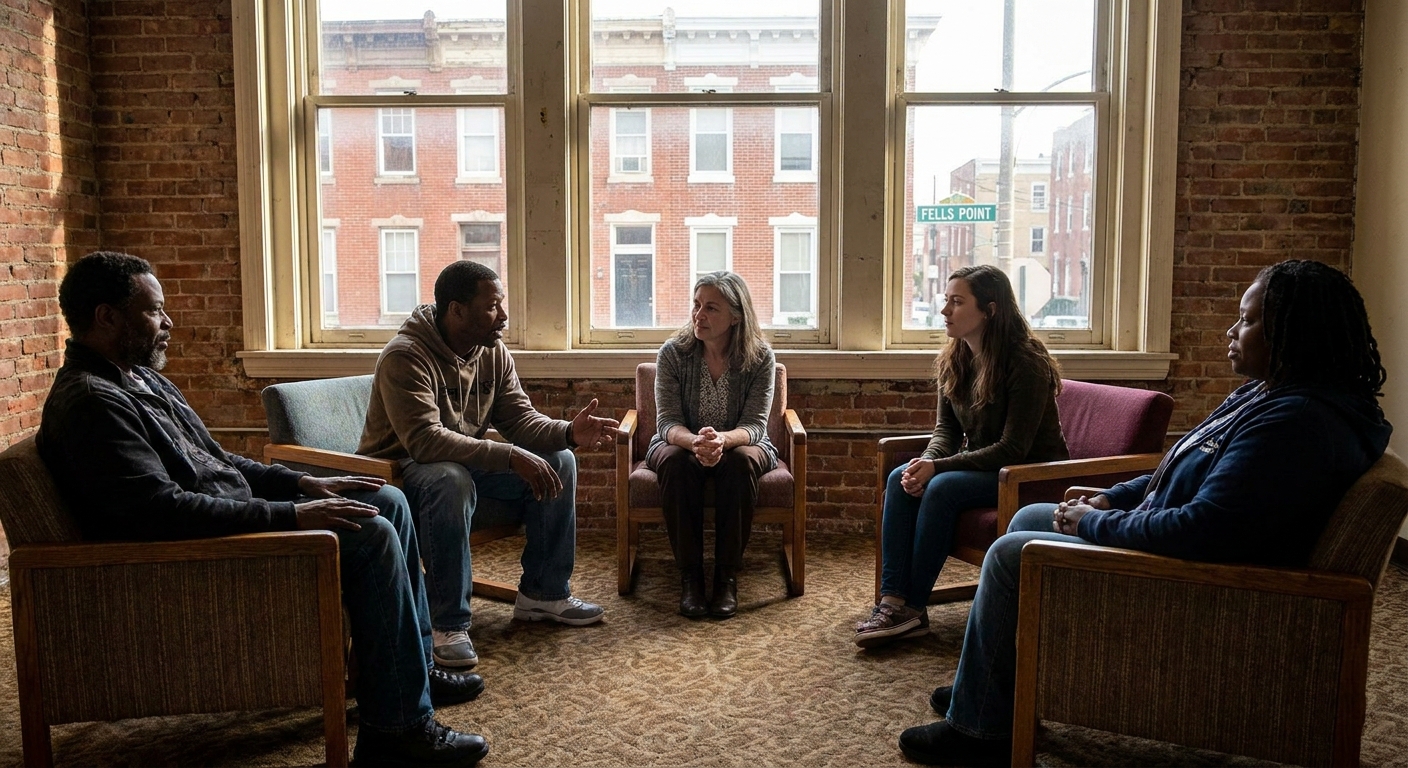

Understanding faith-based family addiction recovery
Faith-based family addiction recovery combines evidence-based treatment with spiritual support for both you and your loved ones. Instead of focusing only on substance use, this approach addresses your physical health, mental health, relationships, and spiritual life together.
Research shows that spirituality is already woven into most treatment settings. In 2019, about 73% of addiction treatment programs in the United States included a spirituality-based element, often through 12-step models like Alcoholics Anonymous that emphasize reliance on God or a Higher Power for sobriety [1].
In a faith-based family program, your recovery does not happen in isolation. Your spouse, parents, children, or other close relatives are invited into the process in structured and supportive ways. You work together on communication, boundaries, forgiveness, and long-term relapse prevention, all grounded in shared spiritual values.
If you are looking for care that is accessible and family-centered, you may also want to explore options like family-centered addiction treatment alongside faith-based support.
Why faith and family matter in recovery
Faith and family can be powerful protective factors in both preventing addiction and maintaining long-term recovery. A large review of scientific studies found that faith was a positive factor in addiction prevention or recovery in more than 84% of cases examined, indicating that spiritually oriented approaches are an important resource in substance use treatment [1].
At the same time, your family system often carries the impact of addiction. Trust may have been damaged, communication patterns may be strained, and your loved ones may feel exhausted or afraid. When you invite them into a structured recovery process, you give each person a chance to heal.
Faith-based family addiction recovery integrates these realities. You focus on:
- Your personal sobriety and mental health
- Spiritual practices that support change
- Repairing family relationships over time
- Building a shared framework for responding to triggers, conflict, and stress
The goal is not perfection. The goal is steady, honest, spiritually grounded progress together.
How faith-based family programs support healing
A faith-based family addiction recovery program typically blends clinical services with spiritual care and structured family involvement. While each program has its own design, you can usually expect several key components.
Integrating evidence-based and spiritual care
You do not have to choose between science and faith. Strong faith-based programs bring them together. You might participate in:
- Individual counseling that uses cognitive behavioral therapy or other evidence-based approaches
- Group therapy where you share experiences with others who share similar values
- Medical oversight for withdrawal, medication management, and physical health
- Spiritual support such as prayer, Scripture reflection, or faith-informed mentoring
Across more than 400 studies, faith-based recovery programs have shown success rates of 40% to 60%, which is significantly higher than programs without a faith or spirituality component, according to data summarized by RU Recovery Ministries [2]. These outcomes are strongest when faith is woven into a solid therapeutic and medical foundation, rather than used in place of professional care.
If you are a veteran or first responder, you may benefit from programs that combine this kind of integrated care with services tailored to your background, such as a veteran addiction treatment program or holistic addiction recovery for veterans.
Engaging the whole family system
In a family-focused setting, your loved ones are not just visitors. They are active participants. You may see:
- Family therapy sessions focused on communication, boundaries, and expectations
- Psychoeducation for relatives about addiction, trauma, and relapse
- Support groups for spouses, parents, or adult children
- Opportunities for shared spiritual practices that promote connection and hope
The support from local church communities and faith networks can also fill gaps when family relationships have been strained. Congregation-based recovery programs offer social connection, encouragement, and practical support that can improve outcomes and reduce the burden on your immediate household [2].
Addressing shame, guilt, and hopelessness
Addiction often brings deep shame and spiritual confusion. You might wonder whether God is angry with you, or whether you still deserve a future. Faith-based recovery programs work directly with these questions instead of avoiding them.
Many programs emphasize:
- God’s grace and forgiveness, even after repeated setbacks
- The possibility of a new identity that is not defined by addiction
- Practical, daily spiritual disciplines that help you confront cravings and discouragement
According to faith-based recovery organizations, one of the key reasons these programs work is that they combat fear and hopelessness by grounding people in hope through a relationship with Jesus Christ and a caring community [2]. This spiritual hope does not replace treatment, but it can make it easier to show up, tell the truth, and try again.
What faith-based family recovery can look like day to day
When you enroll in faith-based family addiction recovery, your daily experience will depend on the level of care. You may enter a residential program, attend intensive outpatient sessions, or participate in community-based support. Regardless of the format, you can expect several recurring elements.
A typical week in a structured program
A sample weekly rhythm might include:
- Individual therapy sessions to work through trauma, triggers, and thought patterns
- Process groups where you learn from peers
- Family sessions, live or virtual, to involve relatives in your progress
- Spiritual gatherings such as chapel, Bible study, or guided prayer time
- Educational workshops that address relapse prevention, communication, and self-care
Family members may participate in their own groups that focus on setting healthy boundaries, understanding codependency, and practicing forgiveness without excusing harmful behavior.
If you need a program that fits around work or school, you might benefit from an accessible addiction treatment program or specifically designed services like addiction treatment for professionals or addiction recovery for healthcare workers.
Community-based and church-connected support
Many faith-based recovery options are anchored in local congregations or community organizations. In the United States, almost 130,000 congregation-based substance abuse recovery support programs contribute an estimated 316.6 billion dollars in annual savings to the economy, all at no taxpayer cost [1].
For you and your family, this can mean:
- Support groups that meet in church buildings or community centers
- Mentorship from volunteers who are in long-term recovery
- Practical help such as childcare, meals, or transportation related to treatment activities
- A spiritual home where your family can continue to grow after formal treatment ends
If you are transitioning back into daily life after a higher level of care, pairing faith-based supports with a community reentry recovery program or community-based addiction recovery can ease that adjustment for everyone in your household.
Tailoring support to different populations
Your experience of addiction and recovery is shaped by your age, occupation, and background. Inclusive faith-based programs recognize these differences and offer specialized tracks. You might explore:
- Faith-based recovery for men that addresses masculinity, emotional expression, and responsibility
- Faith-based recovery for women that considers trauma, caregiving roles, and relationship dynamics
- Addiction recovery for young adults or young adult addiction recovery that address identity, peer pressure, and life transitions
- A christian recovery program for professionals that respects confidentiality, licensure concerns, and career pressures
When you choose a program, ask how family members are included within these specialized tracks. Your spouse, partner, parents, or children should be able to access age-appropriate education and support that matches your specific context.
The role of churches and faith communities
Faith communities can support you long before and long after formal treatment. Their role is broader than simply hosting a support group.
Prevention, early intervention, and referral
Religious involvement can serve as a protective factor against some types of substance use, particularly for adolescents and young adults. For example, research in Switzerland found that men who reported a belief in God were less likely to smoke cigarettes, use marijuana, or take psychedelics than men without religious belief, suggesting that faith may reduce the likelihood of some addictive behaviors [3].
However, faith is not a guarantee against addiction. An informal poll cited by American Addiction Centers noted that around 30% of practicing Christians and Protestants reported recreational drug use, and some described drug-induced experiences as spiritual or meaningful [3]. For you and your family, this means that churches need to be prepared not only to encourage healthy choices but also to respond compassionately when someone struggles.
Healthy congregations can:
- Offer clear, non-stigmatizing education about addiction
- Recognize warning signs early and gently encourage people to seek help
- Partner with local treatment providers to provide accurate referrals
- Create confidential pathways for members to request support
You and your family should not have to choose between being honest about addiction and staying connected to your faith community.
Long-term spiritual and relational support
Neuroscience research has shown that spiritual experiences can activate some of the same brain systems involved in reward and decision making. At the University of Utah, studies with young members of the Church of Jesus Christ of Latter-day Saints found that “feeling the spirit” activated neural pathways and dopamine mechanisms similar to those engaged by certain substances [4].
For your recovery, this does not mean that faith is just a substitute “high.” Instead, it highlights how deeply spiritual experiences can shape your motivation and behavior. When your spiritual life is healthy and grounded, it can strengthen your ability to choose recovery-oriented actions and to stay connected to people who support your healing.
Congregation-based programs can be especially valuable for your family because they:
- Create extended networks when relatives are distant or relationships are strained
- Provide role models who have walked through addiction and recovery
- Reinforce messages of dignity, accountability, and grace
- Offer repeated opportunities for service, belonging, and growth
If you live with limited financial resources, church-connected efforts, which are often supported by volunteers who are motivated by service rather than financial gain, can offer low-cost or no-cost components of care [2]. Programs that focus on affordable faith-based addiction treatment can help you bridge the gap between what insurance covers and what your family needs.
How family members participate in faith-based recovery
When you invite your family into your healing process, each person has a role. Healthy programs do not place all responsibility on you, and they do not expect your loved ones to fix the addiction. Instead, everyone is guided toward clear, sustainable changes.
Learning about addiction and recovery together
Misunderstandings about addiction can strain relationships. Some relatives may see it as a moral failure, while others may minimize its seriousness. In a structured setting, your family can learn that addiction is a complex interaction of biology, environment, trauma, and choice.
Educational components might cover:
- How substances affect the brain and decision making
- Why relapse can be part of the recovery process
- What healthy support looks like compared to enabling behavior
- How to apply spiritual beliefs in a way that promotes healing instead of shame
Many organizations also offer addiction education workshops that your family can attend in person or online. These are often designed to be accessible, so your relatives can participate even if they are not enrolled in a formal treatment program themselves.
Building new patterns at home
Faith-based family addiction recovery does not end when you leave a meeting or counseling session. The real work continues in your daily routines. Together, you and your loved ones can create new patterns such as:
- Regular check-ins about emotions, stress, and triggers
- Shared spiritual practices like prayer, reading Scripture, or worship
- Clear agreements about boundaries around finances, technology, or social activities
- Practical relapse-prevention plans that everyone understands
If you are returning home after structured treatment, pairing these changes with supports like an outpatient recovery program for veterans or a program for high-acuity clients can provide extra stability for both you and your household.
Supporting different family roles
Each person in your family carries different burdens. A spouse may be coping with betrayal or financial stress. Parents may feel guilt or fear. Children may be confused and anxious. An inclusive program helps each person address their role without blame.
You might see:
- Separate groups or resources for partners, parents, and older children
- Guidance on talking with younger children in age-appropriate ways
- Coaching for family members who carry professional responsibilities or caregiving roles
If you are a professional, you may need a setting that respects job-related concerns and licensure requirements. A christian recovery program for professionals can help your family navigate these realities while still prioritizing spiritual and relational healing.
Choosing a faith-based family addiction recovery program
Finding the right program starts with clarifying your needs and asking detailed questions. Faith language alone is not enough. You deserve care that is clinically sound, spiritually grounded, and truly family-centered.
Questions to ask before you enroll
As you evaluate options, you may want to ask:
- How is faith integrated into treatment, and how flexible is the program with different traditions or levels of belief
- What specific services are available for family members, and how often are they offered
- Which evidence-based therapies and medical supports are included
- How does the program coordinate with outside providers or community resources
- What aftercare and community connections are available once formal treatment ends
If cost is a concern, look for options like insurance-covered faith-based rehab or affordable faith-based addiction treatment. You can also explore outreach addiction counseling services or community-based addiction recovery to supplement higher levels of care.
Matching the level of care to your situation
Your situation may call for a different level of support than someone else’s. For example:
- If you have severe symptoms, repeated overdoses, or complex mental health needs, a more intensive setting like an addiction program for high-acuity clients may be appropriate.
- If you are balancing work, caregiving, or school, an accessible addiction treatment program or outpatient option can provide structure without requiring a full residential stay.
- If you are a veteran returning from deployment or incarceration, combining a faith-based approach with a community reentry recovery program or veteran addiction treatment program can help your whole family adjust more smoothly.
Your family should be part of this decision where appropriate. Talk together about schedules, transportation, childcare, and how each person can realistically engage with the program.
When faith, family, and evidence-based care work together, recovery becomes a shared journey instead of a solitary struggle.
Taking your next step
You do not have to have everything figured out before you begin. Faith-based family addiction recovery is built for people who feel overwhelmed, discouraged, or uncertain, not for people who already have all the answers.
Your next step might be as simple as:
- Reaching out to a faith-informed treatment provider to ask about family services
- Inviting a trusted pastor, chaplain, or mentor into the conversation
- Exploring specialized options like faith-based recovery for men, faith-based recovery for women, or addiction recovery for young adults and then asking how your family can participate
As you move forward, remember that recovery is a process. Clinical care, spiritual growth, family repair, and community support each play a part. By choosing a program that honors your beliefs and actively involves your loved ones, you give yourself and your family a stronger foundation for lasting healing.