
Understanding veteran addiction treatment programs
If you are a Veteran living with a substance use disorder, you are not alone, and you are not without options. Approximately 11% of Veterans who seek care through the Department of Veterans Affairs (VA) meet the criteria for a substance use disorder (SUD), which shows how common these challenges are among those who have served [1].
A veteran addiction treatment program is designed to address the specific experiences that often shape your relationship with alcohol, prescription medications, or other substances. These programs recognize the impact of deployments, combat exposure, chronic pain, moral injury, and transition to civilian life.
You will find support that focuses on:
- Trauma and post‑traumatic stress
- Co occurring mental health conditions
- Physical injuries and chronic pain
- Family strain and relationship repair
- Reintegration into work, school, and community
Many Veterans also identify with other groups that benefit from specialized care, such as young adult addiction recovery or addiction treatment for professionals. A strong program will acknowledge every part of your identity and build care around it.
Why veterans face unique addiction risks
Your military service may have demanded strength, endurance, and emotional control. Those same expectations can sometimes make it harder to ask for help. Understanding the pressures you have carried can help you see why treatment designed for Veterans can be so effective.
Service related stress and trauma
Combat exposure, life threatening situations, witnessing injury or death, and repeated high stress deployments can all affect how you cope. Many Veterans develop post traumatic stress disorder (PTSD), depression, or anxiety after service. About one third of Veterans who seek addiction treatment live with a co occurring mental health condition such as PTSD [1].
When symptoms go untreated, substances can become a way to numb memories, sleep, or feel less on edge. Over time, this coping strategy can become dependence or addiction.
Chronic pain and prescription medications
Physical injuries, musculoskeletal strain, and long term pain are common after military service. It is not unusual to be prescribed opioid medications or other drugs to manage ongoing pain. Without careful monitoring, this can increase the risk of misuse, especially when pain is also tied to trauma or depression.
A veteran addiction treatment program will usually coordinate care for both your pain and your substance use, rather than treating them separately.
Reintegration and identity changes
Leaving active duty means major changes in routine, community, and identity. You might experience:
- Loss of structure and clear mission
- Difficulty connecting with civilians
- Financial or employment stress
- Strain in family roles and expectations
These stressors can increase vulnerability to alcohol or drug use, especially if you are trying to manage everything on your own.
Types of veteran addiction treatment programs
You have several paths to care, many of which can be combined to fit your needs over time. The VA provides a full continuum of evidence based treatment options for substance use disorder, which may include therapies, medications, or both, delivered at local VA medical centers or clinics [2].
Detox and medical stabilization
If you are physically dependent on alcohol, opioids, or certain other substances, supervised detox may be your first step. Under medical supervision, your body clears the substance while doctors manage withdrawal symptoms and monitor your health.
The VA offers detox services within its broader substance use disorder programs, and some non VA facilities also provide medically monitored withdrawal. For high risk situations, you may benefit from an addiction program for high-acuity clients that offers closer observation and a higher level of support.
Inpatient and residential rehab
Inpatient and residential rehabilitation provide 24 hour care in a structured environment. The VA offers residential rehabilitation treatment that combines addiction services with mental health care for Veterans who need intensive, on site support [2].
You might choose residential care if you:
- Have severe addiction or frequent relapse
- Need distance from triggers at home or in your community
- Live in an unsafe or unstable environment
- Need simultaneous treatment for PTSD, depression, or other conditions
Some community programs also integrate faith, values, and spiritual growth. Options such as faith-based recovery for men or faith-based recovery for women can align your treatment with your beliefs while still providing clinical care.
Outpatient treatment and step down care
If you need flexibility for work, school, or family, outpatient care may be a better fit. The VA provides outpatient substance use disorder programs at many medical centers, and you can also explore an outpatient recovery program for veterans through community providers.
Outpatient care typically includes:
- Individual counseling
- Group therapy with other Veterans
- Family or couples sessions
- Medication management
- Recovery skills and relapse prevention
You can move between levels of care as your needs change. For example, you may complete residential treatment and then transition into an outpatient or community-based addiction recovery program to support long term change.
Specialized and holistic programs for veterans
Some Veterans benefit from programs that address the whole person, not just substance use. A holistic addiction recovery for veterans approach might combine clinical therapies with:
- Exercise and physical conditioning
- Mindfulness, meditation, or yoga
- Spiritual care and chaplain support
- Vocational counseling and life skills
- Peer mentoring from other Veterans
Many Veterans also identify with subgroups such as addiction recovery for young adults or addiction recovery for healthcare workers. Looking for a program that speaks to all of your experiences can increase your comfort and connection in treatment.
Evidence based therapies used in veteran care
A strong veteran addiction treatment program will use therapies that have been scientifically studied and shown to be effective. The VA emphasizes evidence based approaches for substance use disorder treatment at its facilities nationwide [2].
Individual therapies
You may work one on one with a counselor to:
- Explore the roots of your substance use
- Build coping skills for cravings, triggers, and stress
- Address trauma, grief, and moral injury
- Set goals for your health, relationships, and daily life
Common approaches include:
- Cognitive behavioral therapy to identify and change unhelpful thoughts and behaviors
- Motivational interviewing to strengthen your own reasons for change
- Trauma focused therapies for PTSD and related symptoms
Group and peer support
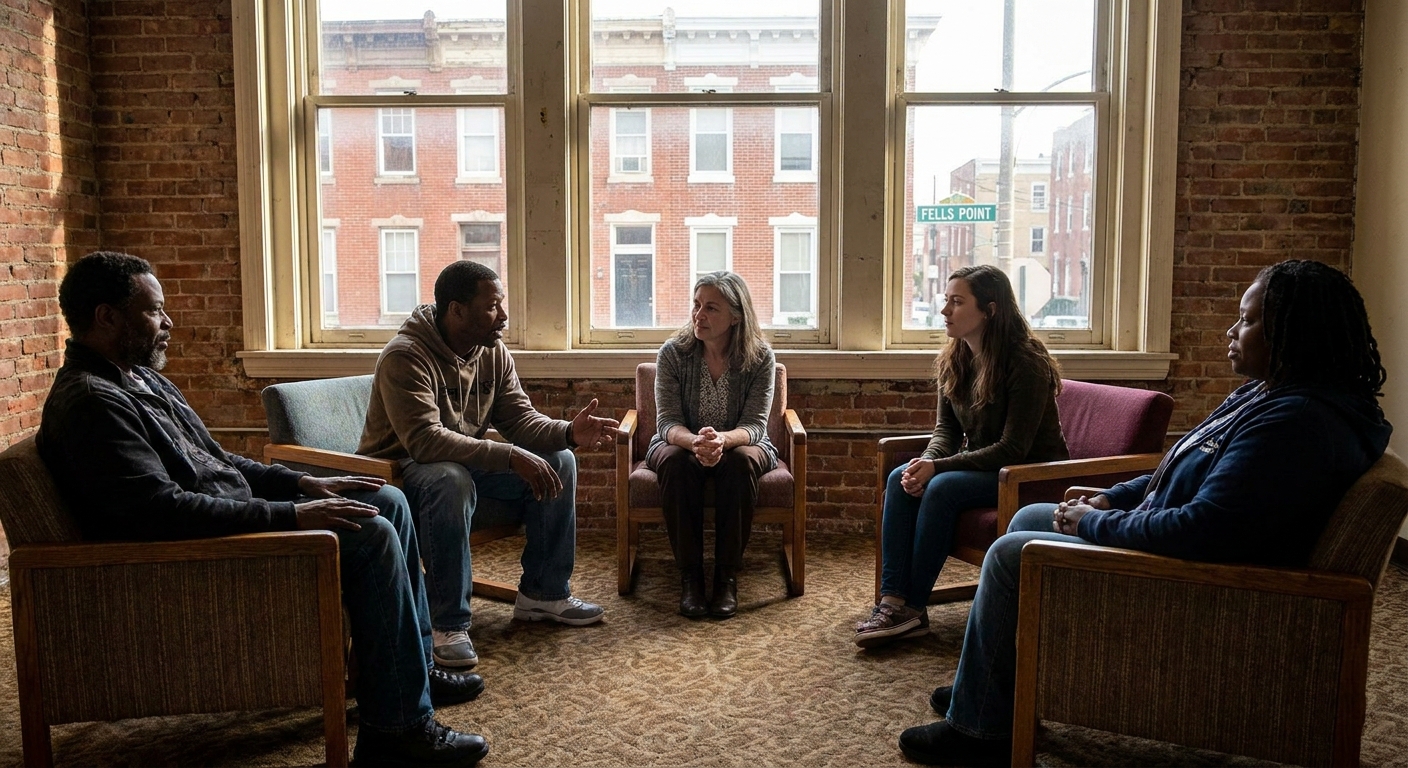
Group therapy and peer support are central for many Veterans. Sharing with others who have served can reduce isolation and shame, and it can offer practical strategies from people who understand military culture.
Groups may focus on:
- Relapse prevention skills
- Coping with trauma memories and triggers
- Rebuilding relationships and trust
- Managing anger, guilt, or moral injury
Many Veteran focused programs also integrate peer support specialists, that is, other Veterans in recovery who can walk alongside you.
Family and relationship support
Addiction rarely affects you alone. Veterans often carry guilt related to family strain, communication breakdowns, or conflict at home. Many programs offer family counseling or family education groups, and some are fully family-centered addiction treatment models.
If you prefer a faith informed approach to family healing, you may find faith-based family addiction recovery that integrates spiritual values with clinical care.
Medications for addiction treatment
Medications can be used to:
- Help manage withdrawal symptoms
- Reduce cravings
- Prevent relapse
- Lower the risk of death from substance use
The VA uses approved medications as part of comprehensive substance use disorder treatment and encourages Veterans who use opioids or nonprescribed stimulants to keep naloxone on hand for overdose emergencies [2].
Medication is usually combined with counseling and support, rather than used alone.
You can think of medications, therapy, and peer support as three pillars working together. When they are all aligned with your experience as a Veteran, your foundation for recovery grows stronger.
Paying for veteran addiction treatment
Cost should not be the barrier that keeps you from getting help. You may have several options for covering the cost of a veteran addiction treatment program.
VA benefits and coverage
If you are enrolled in VA health care, you may qualify for:
- Detox and stabilization
- Inpatient or residential rehab
- Outpatient therapy and medication services
- Integrated mental health and addiction care
While not every service is completely free, VA insurance can significantly reduce the cost of treatment for eligible Veterans [1]. The VA Substance Use Disorder Program Locator can help you find local programs and understand what is available in your area [2].
Free or low cost community options
If VA services are not accessible or you prefer a community provider, you may still have options. Veterans can sometimes qualify for:
- State funded drug and alcohol rehab programs
- Private centers that offer sliding scale fees or scholarships
- VA Community Care Partner programs that connect you with approved non VA providers when local VA services are not available [1]
Some faith based programs also focus on affordability. If you are looking for support that honors your beliefs while remaining within your budget, you might explore an affordable faith-based addiction treatment option or an insurance-covered faith-based rehab.
Support for families of veterans
Your loved ones may also have access to help with costs. Family members of Veterans, such as spouses, children, or surviving relatives, may qualify for health insurance programs like TRICARE or CHAMPVA, which can help cover addiction treatment expenses [1].
This can be especially important if a family member also needs care for their own substance use or mental health while you are in treatment.
How to choose the right program for you
The best veteran addiction treatment program is the one that fits your needs, values, and life circumstances. To evaluate your options, you can look at several key areas.
Level of care and structure
Ask yourself:
- Do you need 24 hour support, or can you stay safe at home?
- Are you able to take time away from work or school?
- Do you have stable housing and supportive people around you?
If you need more structure, residential or inpatient care may be appropriate. If you have responsibilities you must maintain, outpatient or partial day programming may work better. Some Veterans move through multiple levels, starting with more intensive support and stepping down over time.
Veteran focus and cultural fit
A Veteran centered program will:
- Understand military culture and language
- Address service related trauma and moral injury
- Integrate VA or community Veteran resources
- Provide peer support from other Veterans
It can also help to look for programs that match other parts of who you are. For instance, if you identify strongly with your career, a christian recovery program for professionals can blend faith, work identity, and clinical treatment. If you are a younger Veteran, you may relate more easily to services designed for young adult addiction recovery.
Approach to community and reentry
Addiction recovery does not stop when you leave a facility. Look for programs that help you build a sustainable life in the community, including:
- Vocational support and education planning
- Housing and legal resources
- Ongoing peer and alumni groups
- Support for family reunification and parenting
A strong community reentry recovery program will help you practice living in recovery, not just staying sober in a controlled environment. Some organizations also provide outreach addiction counseling services to support you where you live, work, and worship.
Education and long term skills
Recovery often requires learning new skills and understanding how addiction affects your brain, body, and relationships. Programs that offer addiction education workshops can help you and your family build a shared language and toolkit for long term change.
You might also explore an accessible addiction treatment program if you need flexible scheduling, virtual options, or transportation support to attend sessions consistently.
How your family and community can support your recovery
Addiction often isolates you from the people and communities that matter most. Reconnecting with healthy support is a powerful part of healing.
Family involvement, when safe and appropriate, can:
- Help your loved ones understand addiction and recovery
- Repair communication and rebuild trust
- Create a shared plan for boundaries and support at home
Some Veteran focused programs are explicitly built around family participation, similar to family-centered addiction treatment. Others connect you with churches, non profits, or local groups to create a broader web of support, such as community-based addiction recovery.
If faith is important to you and your family, faith-based family addiction recovery can bring spiritual practices, prayer, and shared values into the healing process.
Taking your next step toward help
If you recognize yourself in any of this, you do not have to wait until things get worse to ask for help. A veteran addiction treatment program is not about weakness. It is about giving yourself the same level of care and commitment that you gave to your service.
You can:
- Contact your local VA medical center and ask for substance use disorder services.
- Use the VA Substance Use Disorder Program Locator to find treatment options near you [2].
- Explore community programs designed for Veterans, including outpatient, holistic, faith based, or accessible addiction treatment program options.
- Talk with someone you trust, such as a chaplain, peer Veteran, or family member, and let them know you are ready for change.
Whether you need intensive residential care, an outpatient recovery program for veterans, or community based support, there is space for you to begin again. Recovery is not about erasing your past. It is about building a future where your service, your story, and your health can exist together.