
Understanding holistic addiction recovery for veterans
If you are a veteran navigating addiction, you carry experiences and wounds that are often very different from those of civilians. Holistic addiction recovery for veterans is designed with that reality in mind. Instead of focusing only on stopping substance use, holistic care addresses your body, your mental health, your relationships, your spiritual life, and your future in the community.
Specialized veteran programs often combine evidence-based therapies with complementary approaches such as mindfulness, yoga, and peer support so you can heal on multiple levels at once [1]. This whole-person focus is especially important when trauma, chronic stress, or co-occurring mental health conditions are part of your story.
In the sections that follow, you can explore the top benefits of holistic addiction recovery for veterans and how these programs can support you or someone you love in building a stable, meaningful life in long-term recovery.
Addressing the whole person, not just the addiction
Holistic recovery recognizes that substance use is rarely an isolated problem. It often connects to pain, trauma, identity, and the challenge of returning to civilian life. A holistic addiction treatment plan for veterans intentionally targets each of these areas, including mind, heart, soul, relationships, employment, and worldview, to support lasting sobriety [2].
In practice, this can mean integrating:
- Individual therapy to process trauma and build coping skills
- Group therapy to reduce isolation and shame
- Family support to strengthen your home environment
- Physical wellness through exercise, nutrition, and medical care
- Spiritual or values-based exploration if that is important to you
By addressing each part of your life, you are not just trying to control cravings. Instead, you are rebuilding a life where substances no longer feel necessary as a way to cope, connect, or get through the day.
Integrating trauma and mental health treatment
Many veterans who struggle with addiction are also managing post-traumatic stress disorder, depression, anxiety, or chronic pain. Veteran programs increasingly recognize this connection and are designed to treat co-occurring mental health conditions and substance use disorders together, not in isolation [1].
You might encounter approaches such as:
- Cognitive Behavioral Therapy (CBT) to challenge unhelpful thoughts and behaviors that keep you stuck
- Dialectical Behavior Therapy (DBT) to build skills for emotional regulation and distress tolerance
- Mindfulness-based therapies that teach you to notice symptoms and triggers without reacting automatically
Integrating mental health and addiction treatment can reduce the revolving door of short-lived sobriety followed by relapse. When you address nightmares, hypervigilance, guilt, or depression alongside substance use, you are more likely to feel stable enough to maintain recovery.
Holistic programs also recognize that trauma can shape the way you see yourself and the world. These therapies help you rebuild a sense of self-worth, self-identity, and confidence, which are crucial for long-term recovery [3].
Building peer connection and veteran community
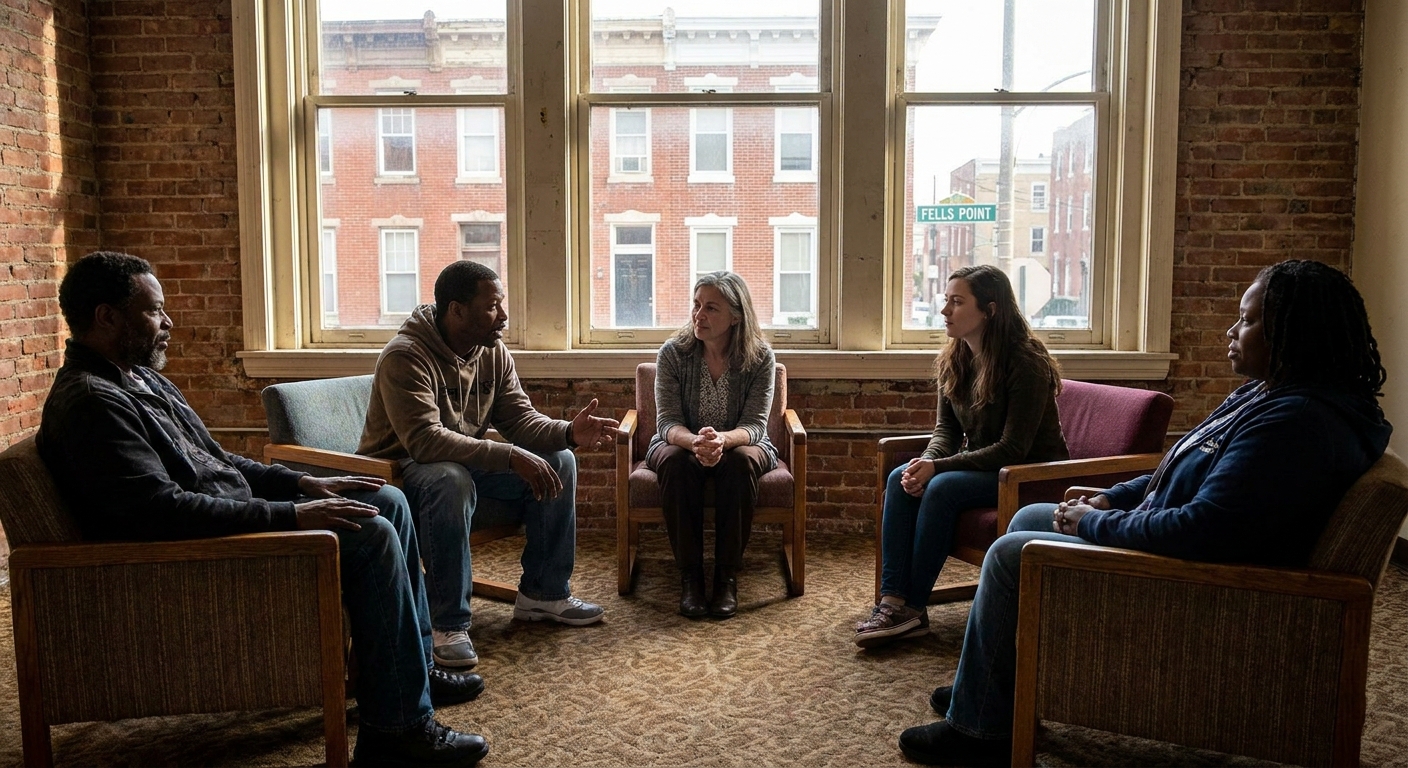
One of the most powerful benefits of holistic addiction recovery for veterans is healing in community with other people who share your background. Peer-to-peer group therapy is a core feature of many veteran programs. These groups create a space where you can talk openly with others who understand military culture, combat exposure, and the difficulties of reintegration [1].
If you live with PTSD, this kind of peer connection can be especially valuable. An estimated 1 in 3 veterans who seek PTSD treatment also meet criteria for a substance use disorder, and group settings that bring together people with similar experiences can reduce isolation and stigma [1].
In these communities, you are not just a diagnosis. You are seen as a whole person with strengths, skills, and shared values that can support your recovery and the recovery of others. This sense of belonging can continue beyond formal treatment and support you as you move into ongoing community-based addiction recovery and aftercare.
Using complementary therapies alongside evidence-based care
Holistic programs do not replace evidence-based addiction treatment. Instead, they enhance it with complementary and alternative medicine practices that support your physical, mental, and spiritual health. When used alongside traditional therapies and mutual self-help groups, these approaches can strengthen recovery outcomes for veterans with substance use disorders [4].
You may have access to therapies such as:
- Mindfulness meditation and Mindfulness-Based Relapse Prevention (MBRP), an eight-week group approach that blends meditation with cognitive behavioral relapse prevention skills, especially helpful if you are motivated to maintain recovery [4]
- Yoga to reduce stress and tension that can increase relapse risk, and to help you reconnect with your body in a safe, empowering way [4]
- Acupuncture as an adjunctive support for cravings and stress when performed by experienced practitioners under proper safety guidelines [4]
- Nature-based therapies, animal-assisted therapy, and recreational activities to rebuild joy, connection, and healthy routines [2]
These modalities can make treatment feel more engaging and personalized, which can increase your willingness to participate consistently in care.
Strengthening physical health and resilience
Substance use can affect sleep, appetite, energy, chronic pain, and many other areas of physical health. Holistic addiction recovery for veterans addresses these aspects directly with a focus on exercise, nutrition, and overall wellness.
A comprehensive plan might include:
- Structured fitness or exercise programming so you can use movement as a healthy coping tool and rebuild strength and stamina
- Nutritional therapy to stabilize blood sugar and improve mood, which can make it easier to manage cravings and stress [2]
- Medical care that monitors withdrawal, chronic conditions, and medication interactions
- Education on sleep hygiene and healthy routines
Physical health improvements often support your mental and emotional recovery. As you feel better in your body, you may find that you have more energy to participate in therapy, reconnect with family, and pursue employment or education opportunities.
Supporting spiritual growth and meaning
For many veterans, questions about purpose, morality, and meaning become more pressing after military service, especially if you have experienced trauma or loss. Holistic programs create room for spiritual growth, values exploration, and cultural or faith-based practices that can anchor your recovery.
In some programs, this may include:
- Chaplaincy or spiritual counseling if you want to engage from a faith perspective
- Space to explore identity, beliefs, and worldview in a nonjudgmental setting [2]
- Activities that connect you to service, community, and personal values
If you already know that a faith lens is important for you, you may also want to look at options such as faith-based family addiction recovery, faith-based recovery for men, or faith-based recovery for women. These related programs can complement veteran-specific treatment, especially if you want a consistent spiritual focus across your care.
Involving your family and support system
Addiction affects the entire family, and recovery does too. Holistic outpatient and residential programs often integrate family therapy and education so your loved ones can understand what you are going through and learn how to support both you and themselves.
A model holistic outpatient program highlighted in research includes individual, group, and family therapy alongside movement therapies, art, and recreational skills so that patients and families can grow together and build healthier patterns of communication and support [3].
If your family wants to be actively involved, you can also explore services like family-centered addiction treatment or faith-based family addiction recovery. These approaches can help your loved ones process their own emotions, learn about addiction, and participate in a united recovery plan.
Preparing for community reentry and everyday life
Effective holistic addiction recovery for veterans looks beyond the treatment setting to your life after discharge. Military service, trauma, and addiction can all make civilian life feel unfamiliar or overwhelming. Holistic programs help you develop skills, plans, and resources to navigate work, school, housing, and relationships in sustainable ways.
You might work with staff on:
- Vocational counseling and employment readiness
- Education about finances, time management, and healthy boundaries
- Rebuilding social networks that support sobriety
- Planning for structured community reentry recovery program support so you are not making the transition alone
When your care team focuses on community reentry, you are more likely to feel prepared and supported, not just sober but equipped for the realities of daily life.
Accessing holistic care through VA and community providers
As a veteran, you have several pathways to holistic addiction treatment. You can access care through the VA healthcare system, which offers evidence-based and often lower-cost treatments, or through private providers connected to the VA Community Care Network that give you more options for inpatient or outpatient programs based on your needs [1].
Some centers, such as Bluff Augusta in Augusta, Georgia, partner with the Veterans Affairs Community Care Network so that veterans can use behavioral healthcare benefits at facilities that specialize in veteran-friendly, holistic addiction treatment. These programs focus on healing both physical addiction and the psychological wounds related to military trauma [2].
You can also look for an outpatient recovery program for veterans if you need flexible support that fits around work, school, or family responsibilities. Outpatient care can be combined with outreach addiction counseling services and accessible addiction treatment program options so you can receive consistent help close to where you live.
If you are in crisis or worried about immediate safety, you can contact the 988 Suicide and Crisis Lifeline. SAMHSA supports more than 200 local crisis centers through the 988 network to ensure fast access to help for people, including veterans, who are experiencing a mental health or substance-related emergency [5].
Leveraging national resources and funding support
Holistic addiction recovery for veterans is supported by broader national efforts to expand access to mental health and substance use treatment. The Substance Abuse and Mental Health Services Administration (SAMHSA) leads many of these initiatives, including funding for community programs and crisis services.
SAMHSA has made substantial investments in:
- State and community mental health services and substance use treatment through block grant funding that can support veteran-focused programs [5]
- The Great American Recovery initiative, which provides new resources for prevention and treatment efforts that may include veteran services [5]
- Targeted initiatives such as the Hepatitis C Elimination Initiative Pilot, which focuses on communities heavily affected by homelessness, addiction, and mental illness that often overlap with veteran populations [5]
These investments help expand the range of holistic and integrated services available to you, whether you are seeking residential care, outpatient treatment, or community-based support.
Connecting holistic care to other specialized programs
If you are a veteran, your needs may intersect with other identities and responsibilities. You might be a student, a young adult, a healthcare worker, or a professional navigating career pressures. Holistic recovery can be even more effective when it is coordinated with programs that address these other parts of your life.
You may want to explore:
- Young adult addiction recovery or addiction recovery for young adults if you are transitioning from military service at a younger age and still building your adult identity
- Addiction treatment for professionals, christian recovery program for professionals, or addiction recovery for healthcare workers if you are balancing recovery with licensing, confidentiality, and workplace expectations
- Addiction education workshops for you and your family to better understand addiction and relapse prevention
- Addiction program for high-acuity clients if you need a higher level of structure and medical or psychiatric support
You can also review your coverage options through affordable faith-based addiction treatment or insurance-covered faith-based rehab if financial concerns are making it harder to access the level of holistic care you need. For veteran-specific support, a dedicated veteran addiction treatment program can help you connect all of these pieces into a cohesive plan.
Taking your next step toward holistic recovery
Holistic addiction recovery for veterans is not about fitting into a one-size-fits-all model. It is about honoring your service, your story, and your needs in body, mind, and spirit. By combining trauma-informed mental health care, peer support, complementary therapies, family involvement, and community reentry planning, you can build a recovery that is not just about survival but about a renewed sense of purpose and connection.
If you are ready to explore your options, you can begin with veteran-specific programs that understand military culture and then layer in additional supports that match your age, profession, family situation, and spiritual needs. Recovery is a process, but you do not have to walk it alone. Holistic care gives you a coordinated team and community walking with you at every step.