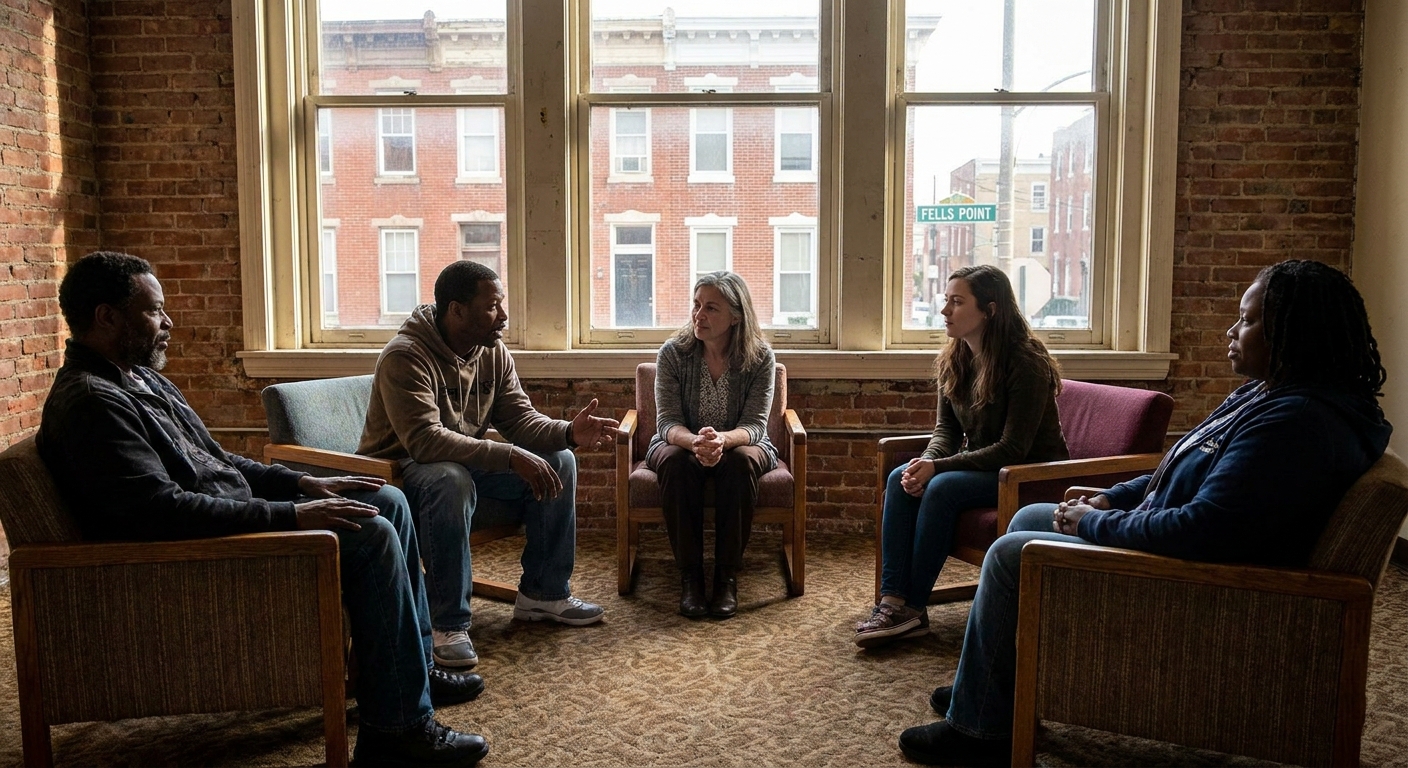

Understanding a Christian recovery program for professionals
If you are a working professional seeking help with addiction, you may wonder what makes a Christian recovery program for professionals different from other options. A Christ-centered approach to treatment integrates biblical teaching, prayer, and spiritual growth with evidence-based therapies like cognitive behavioral therapy (CBT) and group counseling. This combination recognizes that addiction is not only physical and psychological, but also a spiritual battle that requires God’s help and community support to overcome [1].
For professionals, healing also needs to account for your responsibilities, your reputation, and the pressures of your work life. A compassionate Christian recovery program for professionals is designed to respect your role and schedule, while still offering a clear, structured path to lasting sobriety. You gain space to address your struggles honestly before God, and you receive practical tools that you can carry back into your workplace, your family, and your community.
Why faith-based care can be effective
A growing body of research shows that many people actively want spiritual support in their recovery. A 2019 study found that 73 percent of addiction treatment programs in the United States include some type of spirituality-based component, often through 12 step models like Alcoholics Anonymous that emphasize reliance on God or a Higher Power to maintain sobriety [2]. In the same study, 84 percent of addiction counseling clients reported that they wanted a stronger emphasis on spirituality in treatment [2].
Faith-based programs can also provide measurable benefits for both individuals and communities. Nearly 130,000 congregation based substance use recovery support programs operate in the United States, contributing an estimated 316.6 billion dollars in annual economic savings at no taxpayer cost, through volunteer support and reduced substance related harms [2]. For you, this translates to access to robust community support, mentoring, and accountability rooted in Christian values.
Meta analyses of spiritual and religious interventions for substance use have found that 12 Step Facilitation and related approaches show a small but statistically significant advantage over some other active treatments in improving substance use outcomes [3]. In many cases, this benefit is linked to strong connections with mutual help communities like Alcoholics Anonymous, which reshape social networks in ways that support sobriety [3].
For you as a professional, this means a Christian program offers more than religious language. It offers structured pathways into spiritual communities and practices that can sustain you long after formal treatment ends.
How Christian recovery addresses professional pressures
Professionals often carry unique burdens into treatment. You may be navigating high stakes decisions, leadership roles, confidentiality concerns, and fear of career impact. A compassionate Christian recovery program for professionals recognizes these realities and adjusts care accordingly.
You can expect staff to be familiar with the pressures that come with fields such as business, law, healthcare, ministry, education, and public service. Programs like those offered by New Life Ministries connect participants with licensed Christian counselors and certified coaches who help set meaningful goals that fit the realities of professional life, while maintaining clear biblical accountability [4]. This allows you to be honest about your struggles without losing sight of the calling and responsibilities God has entrusted to you.
Some programs also create specialized groups or tracks for professionals, where you meet with peers who understand issues such as burnout, workplace trauma, high expectations, and ethical stress. This focused support differs from more general addiction treatment for professionals by intentionally integrating Scripture, prayer, and Christian fellowship into every step.
Core spiritual components you can expect
A Christ-centered program does not simply add a chapel service to a secular rehab model. Instead, spiritual practices are woven into your daily routine so that your walk with Christ becomes central to your healing. Common spiritual components include:
- Regular prayer, both individual and group based
- Bible study that addresses addiction, shame, identity, and forgiveness
- Worship services that create space for surrender and gratitude
- Biblical meditation to help you counter triggers and intrusive thoughts
- Mentoring or discipleship relationships with mature believers
Christ-centered recovery views addiction as both a physical and spiritual struggle, and it teaches that true healing comes from surrendering to God and seeking His guidance in every area of life [1]. Programs such as Faith Farm Ministries emphasize core principles like releasing your struggles to God’s plan, embracing grace through forgiveness, and engaging a supportive Christian community for accountability and encouragement [5].
These spiritual foundations are not a substitute for clinical care. Instead, they deepen your motivation, provide hope, and help you anchor your new lifestyle in something stronger than personal willpower.
Evidence-based therapies within a Christian framework
A compassionate Christian recovery program for professionals respects both Scripture and science. You should expect to see evidence based treatments combined with faith practices, so that your care is both clinically sound and spiritually grounded.
Research and Christian treatment centers alike highlight the value of:
- Cognitive behavioral therapy (CBT), to help you identify and change negative thinking patterns related to guilt, stress, and temptation
- Individual counseling, where you explore personal history, trauma, and co occurring conditions such as anxiety or depression
- Group therapy, which builds community, empathy, and shared learning
- Medical supervision during detox when needed, to protect your health and safety [6]
Christian addiction programs frequently pair these therapies with prayer, Bible study, and pastoral care to support your spiritual growth and sobriety together [6]. This holistic approach is also reflected in ministries like Faith Farm, where counseling, worship, life skills training, mentorship, and physical wellness activities are aligned to nurture you as a whole person [5].
If you are comparing options, you may also want to explore focused supports for specific populations such as addiction recovery for healthcare workers, young adult addiction recovery, or faith-based recovery for men and faith-based recovery for women. These tailored services can be especially helpful if your professional identity intersects with age, gender, or military service.
Compassionate community and fellowship
One of the defining features of a Christian recovery program is the way community is treated as a central part of healing. You are not expected to recover in isolation. Instead, you are invited into a fellowship where people bear one another’s burdens and encourage each other in Christ.
Faith based programs consistently report that strong community and fellowship enhance resilience, commitment, and hope. Ministries such as Faith Farm describe how shared spiritual experiences, accountability relationships, and opportunities for service help participants remain engaged in their recovery and grow in maturity [5].
For you as a professional, this can mean:
- Peer groups where honesty is valued, not punished
- Safe spaces to talk about your career, your family, and your faith
- Relationships that continue beyond formal treatment through alumni support or church connections
- Opportunities to serve others that rebuild your sense of purpose and calling
These same principles extend into broader community initiatives like community-based addiction recovery, outreach addiction counseling services, and addiction education workshops. Participation in these efforts can help you transition back into everyday life while staying rooted in a supportive Christian network.
In many Christian programs, you are not just a client moving through a system. You are treated as a person created in God’s image, with a unique story, calling, and future.
Specialized tracks for different groups of professionals
A compassionate Christian recovery program for professionals often recognizes that your professional life is only one part of who you are. At 70X7 Wellness Mission and similar organizations, you are likely to find tailored supports for several groups that frequently overlap with professional roles.
You may see:
- Veteran-specific care, such as a veteran addiction treatment program or a holistic addiction recovery for veterans, which addresses trauma, military culture, and reintegration into civilian work
- Young professional programming through addiction recovery for young adults, with attention to early career pressures and identity formation
- Outpatient services for those who need to keep working, similar in structure to an outpatient recovery program for veterans, adapted to your particular field
Programs like Regenesis Life illustrate how a faith rooted, holistic approach can help men and women from diverse backgrounds, including survivors of abuse and those who have cycled through other rehabs, achieve long term sobriety and restored relationships with God and family [7]. Stories from participants and their families describe years of sobriety, regained stability, education, employment, and renewed family bonds, even after multiple failed attempts at secular treatment.
If your situation involves higher levels of clinical need or co occurring mental health concerns, you might also consider an addiction program for high-acuity clients that keeps Christian values at the forefront while ensuring medical safety and intensive support.
Family involvement and relationship repair
Addiction does not only affect your career. It touches your spouse, children, extended family, and close friends. A comprehensive Christian recovery program will invite your loved ones into the healing process in appropriate and respectful ways.
Faith based programs often provide:
- Family counseling sessions to address communication, boundaries, and trust
- Educational workshops to help relatives understand addiction and recovery
- Support groups for spouses or parents
- Prayer and worship opportunities for families to seek God together
Many ministries emphasize that family restoration is one of the most powerful signs of long term recovery. Testimonies from Regenesis, for example, include accounts of mothers who are sober and present with their children after years of addiction, sons who become self sufficient and re connected with parents, and individuals who step into mentoring and leadership to help others [7].
If your situation calls for a more structured family route, resources such as family-centered addiction treatment or faith-based family addiction recovery can provide an intentional framework for rebuilding your home life on a foundation of faith.
Practical details: access, insurance, and affordability
When you consider a Christian recovery program for professionals, questions about cost, access, and insurance coverage naturally arise. Many Christian rehab facilities are working to remain accessible to a broad range of individuals and families.
For example, Recovery.com has identified Christian treatment centers that combine medical detox, evidence based therapies, and Christian counseling. These programs often accept health insurance plans that comply with the Affordable Care Act, although specific coverage varies by insurer and facility [6]. When insurance helps cover care, a faith based program can function as an insurance-covered faith-based rehab rather than a fully out of pocket expense.
If you are facing financial barriers, exploring an accessible addiction treatment program or an affordable faith-based addiction treatment option can help you find a path that matches your situation. Many ministries and community based programs also receive support through churches and donors, so they can offer services at low or no cost, similar to the congregation based efforts that generate significant economic and social value nationwide [2].
Steps to begin your Christian recovery journey
Moving from research to action can feel overwhelming, especially when you also carry work and family responsibilities. Yet taking clear, intentional steps makes the process more manageable. Faith Farm Ministries recommends beginning with honest self reflection on your readiness for change, exploring local faith based programs, attending introductory sessions, setting achievable goals, building support networks, and integrating daily spiritual practices into your routine [5].
In practical terms, you might:
- Pray specifically for wisdom and courage to seek help.
- Make a confidential call or inquiry to a Christian recovery program that serves professionals.
- Review program options that fit your level of need, such as outpatient, residential, or a community reentry recovery program if you are transitioning from a higher level of care.
- Talk with your family and, if appropriate, with a trusted leader at your church about your plans.
- Clarify work related logistics, including leave, confidentiality, and any professional requirements.
As you move forward, you are not expected to manage everything alone. Resources like outreach addiction counseling services, community-based addiction recovery, and addiction education workshops are designed to surround you with layered support over time.
Long-term support and spiritual growth
A compassionate Christian recovery program for professionals does not end when you complete a specific phase of care. Long term support is a defining feature. New Life Ministries, for instance, offers not only counseling and groups, but also online courses, intensive workshops, radio shows, podcasts, devotionals, and videos, led by licensed counselors and certified coaches, to support ongoing healing and spiritual growth [4].
You can expect similar long term opportunities in many programs, including:
- Alumni groups and mentoring relationships
- Church based recovery ministries and small groups modeled after 12 step principles
- Service roles that allow you to use your professional skills to bless others
- Continued pastoral or counseling support as you face new seasons of life
Alcoholics Anonymous has shown that spiritual awakening and engagement in a supportive community are strongly associated with sustained sobriety. For example, individuals who reported a spiritual awakening during treatment had a 1 year abstinence rate of 82 percent compared to 55 percent among those who did not, which highlights the powerful role of spirituality in long term recovery [2].
For you, this means that your work with God and your community does not stop when a program ends. Instead, recovery becomes part of a lifelong journey of discipleship, character growth, and service.
Moving forward with hope
Choosing a Christian recovery program for professionals is not only about protecting your career. It is about reclaiming the life God intended for you, in your home, your work, and your community. By combining Christ centered spirituality with respected therapeutic approaches, and by recognizing the realities of professional life, a compassionate program can help you move from secrecy and strain toward honesty, freedom, and renewed purpose.
Whether you identify most strongly as a veteran, a young professional, a healthcare worker, or a leader in another field, you can find tailored, faith informed support through resources such as veteran addiction treatment program, addiction recovery for healthcare workers, or addiction recovery for young adults. As you take your next step, you do not walk alone. God’s grace, a caring Christian community, and focused professional support can meet you exactly where you are and walk with you toward lasting recovery.