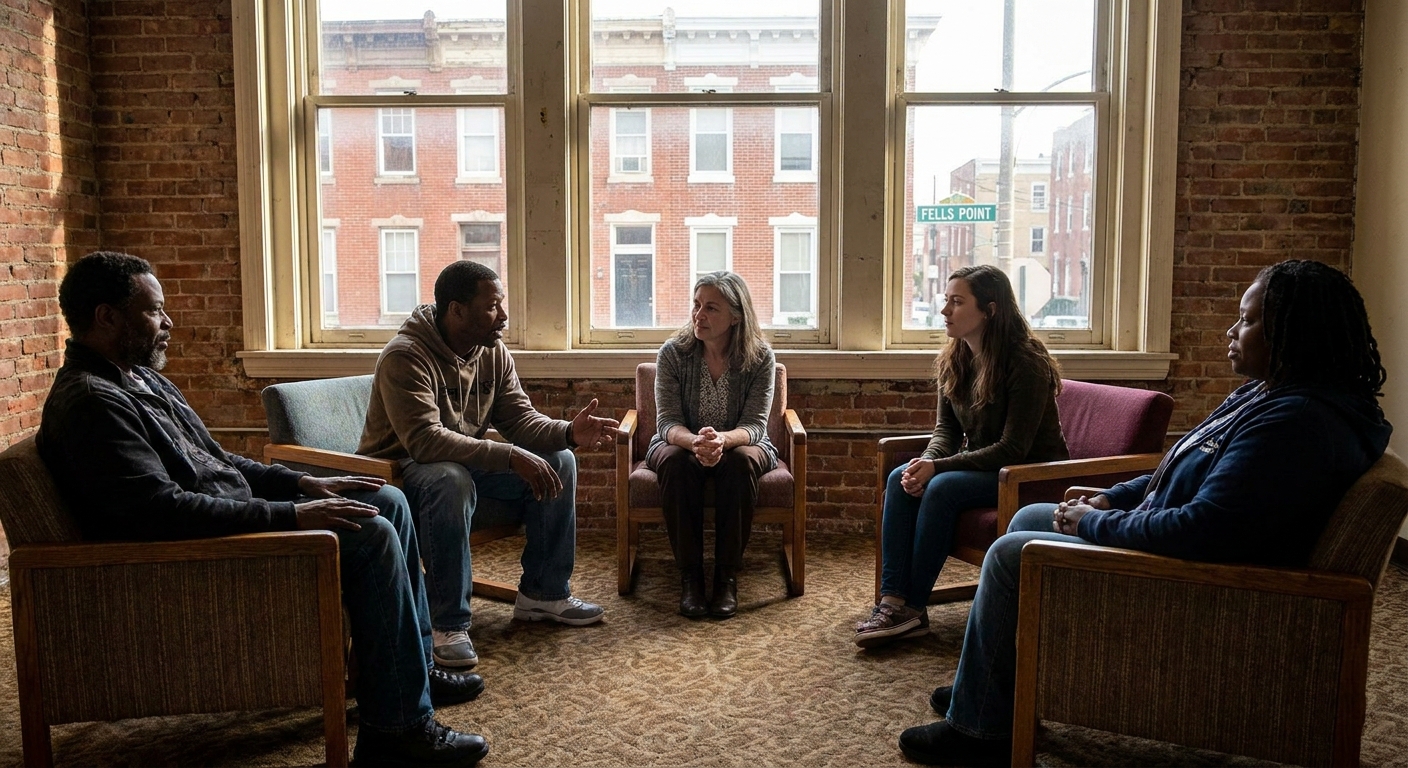

Understanding faith-based recovery for men
If you are exploring faith-based recovery for men, you may already sense that addiction is about more than substances alone. It often touches your sense of purpose, your relationships, and your connection with God or a higher power. Faith-based recovery recognizes this and treats addiction as a spiritual, emotional, and physical struggle, not only a medical condition.
In these programs, clinical care is combined with spiritual practices so you can address both the symptoms of addiction and the deeper wounds underneath. Faith-based rehab for men typically weaves prayer, scripture, worship, and spiritual mentorship into evidence-based therapies such as cognitive behavioral therapy (CBT), dialectical behavior therapy (DBT), and acceptance and commitment therapy (ACT) for a truly holistic healing experience [1].
You are not asked to choose between your faith and professional treatment. Instead, your beliefs become a source of strength that supports every part of your recovery journey.
Why men often need specialized faith-based care
As a man, you may face expectations to be strong, self-reliant, and in control. These cultural pressures can make it difficult to admit you are struggling, to ask for help, or to talk openly about painful emotions. Over time, this can feed denial, isolation, and relapse risk [2].
In faith-based recovery for men, these patterns are addressed directly. You are encouraged to see vulnerability not as weakness, but as a path to healing and deeper dependence on God.
Male-only faith-based programs often help you:
- Practice emotional honesty in a safe, all-male environment
- Talk about masculinity, shame, and failure from a biblical or spiritual perspective
- Confront sexual temptation and pornography in a structured, accountable way, something many Christian men report struggling with regularly [3]
- Build healthy friendships with other men who share your faith and your desire for freedom
Men-focused treatment programs also recognize that you may be juggling work stress, family responsibilities, or service-related trauma if you are a veteran or a professional in a high-pressure field. When those realities are integrated into your care plan, you can work through addiction in a way that respects the rest of your life and calling.
If you are a veteran or service member, you may also want to explore a veteran addiction treatment program or holistic addiction recovery for veterans that can be combined with faith-based support.
Key components of faith-based recovery programs
Faith-based recovery for men is not simply a support group that happens to meet in a church. The strongest programs blend clinical excellence with spiritual formation so that each element reinforces the other.
Integrating spiritual practices with therapy
In a well designed program, you can expect daily or regular practices such as:
- Individual and group prayer
- Scripture reading and reflection
- Worship services or chapel times
- Bible studies on topics such as identity in Christ, temptation, and forgiveness
- Spiritual mentorship and pastoral counseling
These spiritual rhythms are intentionally woven into evidence-based therapies, not tacked on as an afterthought. For example, at Mountain Valley Recovery, young adult men participate in CBT, DBT, and ACT alongside mindfulness exercises, daily reflections, and vocational training in a Christ-centered setting [1].
Evidence-based clinical support
Clinical care remains a vital pillar of faith-based rehab. You may receive:
- Cognitive behavioral therapy to confront distorted beliefs about yourself, God, and others
- DBT skills to manage intense emotions and reduce self-destructive behaviors
- ACT to help you move toward your values while accepting difficult thoughts or feelings
- Medical assessment and monitoring, particularly during detox
- Support for co-occurring conditions such as depression, anxiety, or trauma symptoms
Faith-based addiction treatment programs are designed to address the mind, body, and spirit at the same time [4]. This approach helps you build emotional resilience without disconnecting from your beliefs.
Community, brotherhood, and accountability
Recovery is rarely successful in isolation. Faith-based men’s programs emphasize community as a core treatment tool. You are invited into a brotherhood where you can:
- Share your story without fear of judgment
- Receive encouragement when you feel discouraged or tempted
- Offer support to others, which strengthens your own commitment
- Practice confession, honesty, and accountability before God and trusted peers
In many programs, accountability has both a horizontal and vertical dimension. You answer to your brothers and your counselors, but also to God. Practices like confession, prayer, and restitution help build a deeper sense of responsibility and integrity [4].
Faith-based centers also create powerful networks of support through alumni groups, transitional housing, and ongoing therapy. At Mountain Valley Recovery, aftercare includes alumni programs, family therapy, and educational workshops to help you maintain long-term sobriety [1].
Spiritual benefits of faith-based recovery for men
Faith-based rehab invites you to see addiction as more than a behavior problem. It is often a symptom of spiritual disconnection, unresolved guilt, or a life without clear purpose. When you address those underlying issues, you open the door to real transformation.
Reconnecting with God and your identity
Many men in addiction report feeling far from God, ashamed, or unworthy. Faith-based recovery for men focuses on:
- Rebuilding your personal relationship with Jesus Christ or your higher power
- Exploring grace, forgiveness, and new identity through scripture
- Reframing your story from one of failure to one of redemption
Programs for Christian men often emphasize transformation through the power of the Holy Spirit and God’s Word rather than short-term symptom management. Adult & Teen Challenge, for example, is a long-term, Christ-centered residential program that helps men confront destructive behaviors and establish a new normal rooted in biblical guidance [5].
Finding purpose and mission
Many men struggle with a lack of clear, God-centered mission. Goals like career success or home ownership are not wrong, but they can leave you empty if they are your only focus [3]. Faith-based recovery helps you answer deeper questions, such as:
- What has God created me to do?
- How can I use my story and my recovery to serve others?
- What does a purposeful, sober life look like for me?
When you discover a mission beyond staying sober, you gain a powerful reason to resist relapse. Your recovery becomes part of a larger calling, not just a personal project.
Building core values and character
Faith-based rehabs place strong emphasis on character development. You are invited to grow in values such as:
- Integrity and honesty
- Responsibility and stewardship
- Self-discipline and perseverance
- Compassion for others
Spiritual disciplines like prayer, reflection, and confession reinforce these values and give you practical tools to handle stress, temptation, and emotional pain [6]. Over time, these habits can reshape the way you respond to life, even after treatment ends.
Emotional and relational benefits
Addiction often damages your emotional life and your relationships. Faith-based recovery for men addresses both by helping you learn to feel, communicate, and connect in healthier ways.
Learning healthy emotional expression
Many men have not been taught how to talk about fear, sadness, or shame. Instead, you may have been told to stay tough or to hide your pain. Faith-based men’s programs create space for you to:
- Name your feelings and experiences in a supportive setting
- Explore how beliefs about masculinity have shaped your coping behaviors
- Use faith as a framework to process grief, guilt, and trauma
Targeted programs that intentionally foster emotional honesty help you build stronger emotional resilience and reduce the likelihood of relapse [2].
Strengthening family and community connections
Addiction affects the people who love you. Many faith-based programs invite family members into the healing process through:
- Family counseling sessions
- Education on addiction and recovery
- Faith-based family support or marriage enrichment groups
If you want your family to recover with you, you may also consider a dedicated family-centered addiction treatment or faith-based family addiction recovery program that aligns with your spiritual convictions.
Loneliness is another major challenge for men today, with many reporting no close friendships outside their family [3]. Faith-based rehab counters isolation by building genuine brotherhood and connecting you to local churches or faith communities. This ongoing fellowship can sustain you long after formal treatment ends.
Physical and practical benefits
Holistic recovery recognizes that your body, mind, and spirit are connected. When spiritual care is combined with practical support, you are better equipped to rebuild life step by step.
Supporting your physical health
Substance use can take a toll on your body. Many faith-based programs incorporate:
- Medically supervised detox when needed
- Nutrition education and balanced meals
- Exercise and recreational activities
- Rest and structured routines
At Mountain Valley Recovery, vocational training, recreational activities, and mindfulness practices support not only your spiritual life but also your physical health and emotional wellness [1].
Developing life and vocational skills
Long-term sobriety depends on more than motivation. You also need skills and stability. Strong faith-based programs help you:
- Practice time management and responsible decision-making
- Strengthen work habits, job readiness, or educational goals
- Build financial and daily living skills
- Plan for housing, employment, and community support after discharge
If you are transitioning back into work or school, a community reentry recovery program or accessible addiction treatment program can provide extra support. Men who are professionals or healthcare workers may also benefit from specialized options like addiction treatment for professionals, christian recovery program for professionals, or addiction recovery for healthcare workers.
How faith-based recovery compares to traditional treatment
Both faith-based and traditional addiction treatment can be effective. The main difference is the role of spirituality in your care.
Faith-based programs for men:
- Emphasize spiritual growth and a relationship with God or a higher power
- View addiction as linked to spiritual brokenness or disconnection
- Incorporate prayer, scripture study, worship, and spiritual mentorship into treatment
- Frame accountability as answering to both God and your recovery community [4]
Traditional programs:
- Focus primarily on psychological, medical, and behavioral interventions
- May be neutral regarding spiritual beliefs
- Often use similar therapies, such as CBT and group counseling, without formal spiritual practices
Many men find that bringing their faith directly into treatment makes recovery feel more meaningful, coherent, and sustainable over time. Studies of programs like Adult & Teen Challenge show high success rates when men complete long-term, Christ-centered care, with significant numbers maintaining sobriety and experiencing lasting life change [5].
If you are a woman reading this and looking for faith-based support for yourself or a loved one, you may want to explore faith-based recovery for women as a parallel, gender-specific option.
Who can benefit from faith-based recovery for men
Faith-based recovery can serve many different men, including:
- Young adults who want a Christ-centered approach to early adulthood challenges, which may overlap with young adult addiction recovery or broader addiction recovery for young adults
- Veterans seeking spiritually grounded healing that honors their service and trauma history, especially when combined with an outpatient recovery program for veterans
- Professionals facing high stress, public roles, or licensing concerns who need discreet, values-based support, including addiction treatment for professionals
- Men with high-acuity needs who require intensive clinical support in a setting that does not compromise their faith, which may align with an addiction program for high-acuity clients
Because faith-based programs focus on the whole person, they can adapt to different life stages, careers, and family situations. The key is finding a setting that respects your beliefs and your practical needs.
Choosing the right faith-based program
As you consider faith-based recovery for men, it can help to look for several core features.
A strong program will treat your faith as an essential part of who you are, not a complication to work around.
Look for a center that offers:
- Clear integration of spiritual practices with evidence-based therapies
- A men-only or men-focused environment where you can speak freely
- Support for co-occurring mental health challenges
- Structured aftercare, alumni groups, or transitional support
- Opportunities for family involvement if appropriate
Cost and access are also important. Some men benefit from affordable faith-based addiction treatment or insurance-covered faith-based rehab that reduces financial barriers. If you live in a community with limited resources, community-based addiction recovery and outreach addiction counseling services can help you connect with faith-informed support close to home.
You may also want to participate in addiction education workshops to better understand how addiction works and how faith, community, and clinical care can work together in your life.
Taking your next step
If you are considering faith-based recovery for men, you do not have to have everything figured out before you reach out for help. You only need a willingness to be honest and to take the next step.
Whether you are a veteran, a young adult, a professional, or a family member seeking help for someone you love, there is a path that honors both your faith and your need for real, practical change. By choosing a program that integrates spiritual healing with evidence-based care, you give yourself the chance not only to stop using substances but to build a sober life that is purposeful, connected, and rooted in hope.