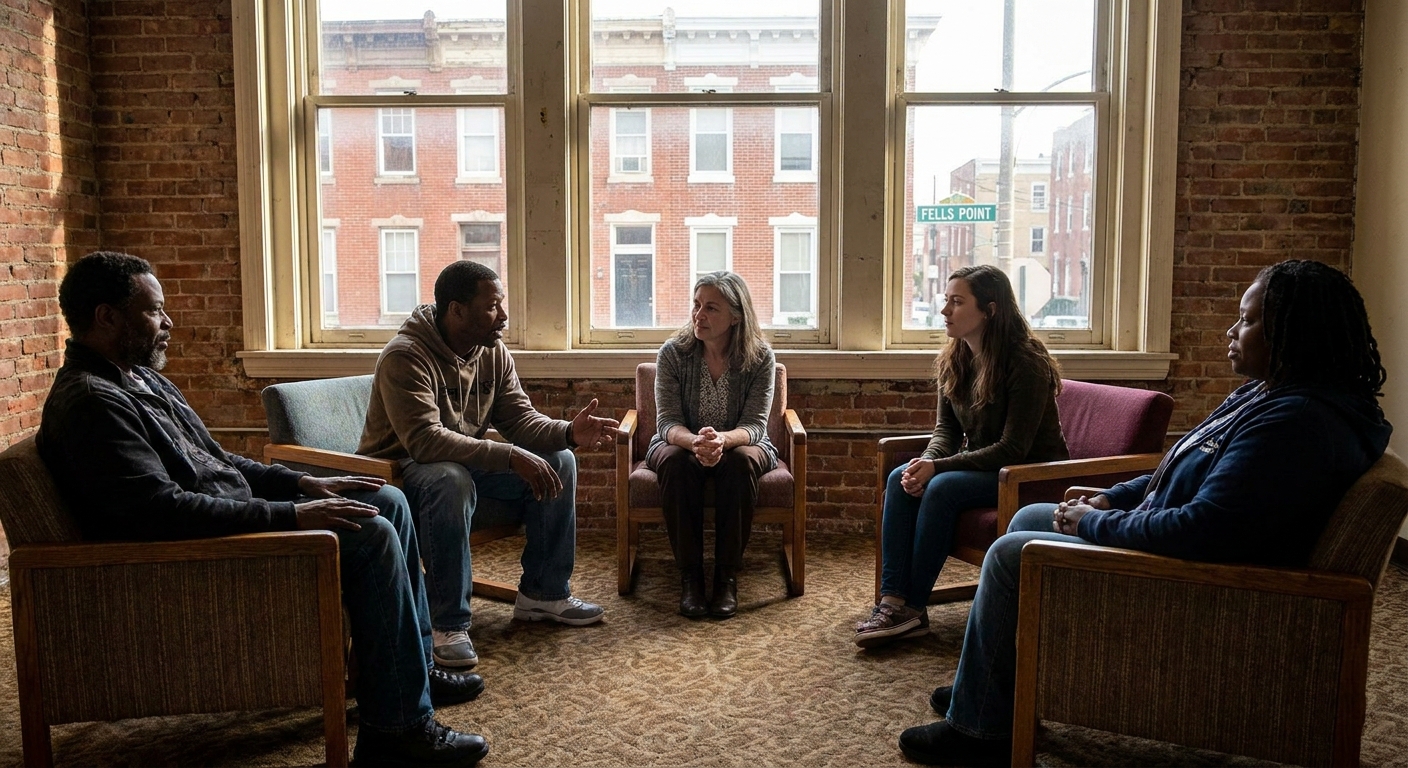

Understanding an addiction program for high-acuity clients
If you or someone you love lives with severe, complex addiction, a standard 30 or 60 day rehab program may not be enough. An addiction program for high-acuity clients is designed for people who face intense withdrawal risks, multiple relapses, co-occurring mental health disorders, and serious medical or social complications.
High-acuity substance use disorder is often marked by treatment resistance, repeated program discharges, legal or housing instability, and co-occurring mental health conditions such as severe depression, bipolar disorder, or schizophrenia [1]. In this situation, you benefit from a level of structure and medical support that goes far beyond a typical outpatient program or short residential stay.
A high-quality addiction program for high-acuity clients brings together 24 hour medical oversight, psychiatric care, evidence-based therapy, and intensive case management in one integrated plan. Instead of asking you to fit into a fixed 30, 60, or 90 day schedule, the program is built around the time and intensity you truly need for lasting change [1].
Who a high-acuity addiction program is for
Not everyone needs this level of care. You are more likely to benefit from a high-acuity program if any of the following are true:
You have severe dependence on alcohol, opioids, benzodiazepines, or prescription medications and you are at risk for complicated or life-threatening withdrawal. High-acuity detox programs are specifically designed for these scenarios, with 24 hour monitoring and advanced withdrawal management [2].
You live with a dual diagnosis. This means you have both a substance use disorder and a psychiatric condition such as major depression, anxiety, bipolar disorder, PTSD, or a psychotic disorder. Research consistently finds that treating both conditions together in an integrated way is more effective than separate treatment tracks [3].
You have tried treatment many times before. High-acuity substance use disorder may involve 20 to 50 prior treatment episodes, frequent relapses, and being asked to leave other programs because of behaviors driven by your illness [1]. If this sounds familiar, you need a setting that is prepared for complexity rather than one that discharges you as soon as things become difficult.
You are dealing with serious medical complications. Conditions like cirrhosis, heart disease, chronic pain, or infectious disease can make treatment more complex. Clinicians working with patients who have alcohol use disorder and cirrhosis report that limited training, system barriers, and stigma often interfere with consistent care [4]. A high-acuity program recognizes these challenges and plans around them.
You face intense social and legal pressures. Homelessness, family estrangement, job loss, or ongoing legal issues are common in high-acuity SUD and can derail recovery if they are not addressed as core treatment priorities [1].
If you recognize yourself or a loved one in these descriptions, you are not beyond help. You simply need a level of care matched to the seriousness and complexity of what you are facing.
Why integrated treatment matters for high-acuity clients
When you live with both addiction and mental health challenges, separate and uncoordinated treatment plans often leave you stuck. You might be told to get sober before anyone will treat your depression, or you might receive psychiatric medications with no support for your substance use. For high-acuity clients, this split approach rarely works.
Integrated treatment, where your substance use and psychiatric disorders are treated at the same time by one coordinated team, has been shown to be consistently superior to parallel or sequential treatment. It directly addresses the way your conditions interact rather than treating them as separate problems [3].
In an effective addiction program for high-acuity clients, you can expect:
- A single, shared treatment plan that includes both mental health and substance use goals
- Regular communication among your therapists, prescribers, and case managers
- Use of evidence-based therapies such as cognitive behavioral therapy (CBT), motivational interviewing (MI), and contingency management (CM), often in combination for stronger results [3]
- Thoughtful use of medications for depression, anxiety, psychosis, or addiction, with careful monitoring of side effects and interactions
Because you are likely to need more time and higher intensity of services than someone with a single diagnosis, a high-acuity program is built around longer treatment duration and consistent follow-up [3]. This gives you space to stabilize, practice new skills, and rebuild key areas of your life instead of rushing back into the same conditions that fueled your addiction.
What to expect from high-acuity medical detox
For many people, the first step in an addiction program for high-acuity clients is medically supervised detox. If you are dependent on alcohol, opioids, benzodiazepines, or multiple substances, detox at home or in a low-support setting can be dangerous. High-acuity detox is designed to keep you safe and as comfortable as possible while your body clears drugs or alcohol.
In a high-acuity detox setting you typically receive:
- 24 hour medical supervision and continuous vital-sign monitoring
- Regular symptom assessments by nurses and medical staff, so any escalation in withdrawal can be treated quickly [5]
- Medication assisted withdrawal management, such as benzodiazepines for severe alcohol withdrawal or buprenorphine and methadone for opioid withdrawal, tailored to your needs and carefully dosed [2]
- Access to psychiatric support if you experience distressing thoughts, mood swings, or psychosis during detox [5]
- A personalized care plan that takes into account your age, medical history, current medications, and co-occurring disorders [2]
Detox alone, even when done well, is not enough. Relapse rates after detox can range from 40 to 60 percent when there is no structured follow-up [5]. This is why a strong high-acuity program connects detox directly to ongoing treatment and aftercare, so you are not left to figure out the next step on your own.
A good question to ask any detox center is: “What happens after detox here, and how will you help me transition into ongoing treatment and support?”
Levels of care in a high-acuity addiction program
You may move through several levels of care as you stabilize and grow in your recovery. For high-acuity clients, the American Society of Addiction Medicine identifies a continuum that typically includes:
- Detoxification services
You receive 24 hour medical monitoring to safely manage withdrawal and co-occurring conditions. High-acuity detox units use multidisciplinary teams and individualized protocols to lower the risk of serious complications [6]. - Residential or inpatient treatment
After detox, you may step into a residential setting where you live on-site. Here you have daily therapy, medical check-ins, and structured activities that support your physical, emotional, and spiritual health. Treatment often lasts months rather than weeks for high-acuity clients [7]. - Partial Hospitalization Program (PHP)
PHP provides intensive day treatment while you live at home or in supportive housing. You might attend treatment most days of the week for several hours per day, with ongoing medical oversight and therapeutic groups [8]. - Intensive Outpatient Program (IOP)
IOP typically involves 6 to 30 hours per week of group and individual sessions for about 90 days. This level helps you bridge the gap between intensive treatment and more independent living, while still receiving strong support [8]. - Standard outpatient and telehealth services
Once you are more stable, you can continue therapy, medication management, and skills training at a lower frequency. For many people, sustained engagement over months or years is what ultimately protects long-term recovery [7].
Specialty addiction programs for high-acuity clients are designed to walk with you across this full continuum. They do not view discharge as the finish line. Instead, they work with you to shape a realistic path toward independence that follows your pace of healing.
Evidence-based therapies and medications you may receive
When you enroll in an addiction program for high-acuity clients, you are not just signing up for a bed and time away from substances. You are gaining access to specific treatments that have been studied and proven to help people in situations like yours.
Common evidence-based therapies include:
- Cognitive behavioral therapy (CBT) to help you identify and change thinking and behavior patterns that keep you stuck in addiction
- Motivational interviewing (MI) to strengthen your own reasons for change and help you move through ambivalence about treatment [3]
- Contingency management (CM) which uses small, consistent rewards to reinforce sober behaviors and treatment attendance [3]
- Individual, group, couples, and family therapy to improve communication, rebuild trust, and address relationship patterns that influence your recovery [7]
For alcohol use disorder (AUD) and opioid use disorder, medications are often a core part of effective treatment:
- Medications like naltrexone, acamprosate, and disulfiram for AUD
- Medications such as buprenorphine, methadone, and extended-release naltrexone for opioid use disorder, often provided as part of a broader medication assisted treatment (MAT) plan [2]
Combination treatment that joins FDA approved medications with behavioral therapies in a specialty program has been shown to improve outcomes for high-acuity clients. However, these medications remain underused, in part because many clinicians feel uncertain about prescribing in medically complex cases [9]. A strong high-acuity program will address that gap by employing specialists who are comfortable with both addiction medicine and complex medical conditions.
Mutual support groups such as Alcoholics Anonymous and secular alternatives are also valuable. When combined with clinical interventions such as twelve step facilitation, these groups can support abstinence and help you build a recovery community that extends beyond formal treatment [7].
Inclusive, specialized care for your unique situation
Within the broad category of high-acuity treatment, your needs may differ based on your age, gender, career, or role in your family. Inclusive programs recognize that veterans, young adults, professionals, healthcare workers, and family members all face distinct pressures that influence addiction and recovery.
If you are a young adult, you may be navigating early career decisions, school stress, or identity questions at the same time you are confronting addiction. A focused path like young adult addiction recovery or addiction recovery for young adults can help you connect with peers who share your stage of life and create a foundation for long term health, not just short term sobriety.
If you are a working professional, concerns about privacy, licensing, reputation, and job stability may prevent you from asking for help. Tailored options such as addiction treatment for professionals or a christian recovery program for professionals can provide discreet yet intensive support that respects your responsibilities while not minimizing the seriousness of your condition.
Healthcare workers often hesitate to seek help due to stigma in their own field and fear of career consequences. A specialized track like addiction recovery for healthcare workers can connect you with clinicians who understand your licensing environment, work stress, and the impact of burnout and trauma.
Veterans may carry combat related trauma, moral injury, or difficulty transitioning to civilian life, all of which can drive substance use. Programs such as a veteran addiction treatment program, holistic addiction recovery for veterans, or an outpatient recovery program for veterans intentionally address military culture, PTSD, and reintegration challenges.
For many people, faith is central to healing. Inclusive high-acuity programs often provide spiritually grounded options like faith-based recovery for men, faith-based recovery for women, faith-based family addiction recovery, or insurance-covered faith-based rehab. These paths integrate spiritual practices with evidence-based care so you do not have to choose between your beliefs and your treatment.
Supporting your family and rebuilding relationships
High-acuity addiction almost always impacts the entire family system. Loved ones may feel exhausted, confused, or unsure how to set boundaries. At the same time, their support can be a powerful protective factor in your recovery.
Family centered approaches, such as family-centered addiction treatment or faith-based family addiction recovery, intentionally bring your support system into the healing process. This can include:
- Structured family therapy sessions
- Education on addiction and mental health
- Communication and boundary setting skills
- Planning for reunification or safe distance where appropriate
If you are reentering your community after incarceration or long term residential care, a community reentry recovery program can help your family understand what to expect. It can also coordinate with community resources so you are not starting over without support.
Workshops and outreach programs, such as addiction education workshops and outreach addiction counseling services, extend this education to churches, employers, and civic organizations. This kind of community based understanding reduces stigma and makes it easier for your loved ones to stand with you in recovery.
Community based, accessible care close to home
High-acuity treatment does not have to feel distant or out of reach. Many programs are intentionally rooted in the communities they serve so that support continues long after your most intensive phase of care ends.
Community focused options like a community-based addiction recovery program or an accessible addiction treatment program emphasize:
- Local partnerships with mental health providers, housing supports, and employers
- Flexible scheduling that allows you to participate in work, school, or caregiving roles as you stabilize
- Telehealth services that extend access if you live in a rural area or have transportation barriers
- Practical help with navigating insurance and exploring affordable faith-based addiction treatment if cost is a concern
Outpatient programs designed specifically for high-acuity addiction cases can provide intensive structure while you remain rooted in your home environment. These programs offer counseling, medication assisted treatment, dual diagnosis support, skill building, education, and holistic therapies in a compassionate, evidence based setting [8].
Evidence suggests that if you remain sober for two years, your chances of maintaining sobriety at ten years are nearly 90 percent [8]. The goal of a strong local program is not just to get you through detox, but to help you reach that kind of long term stability.
Planning for life after intensive treatment
Because relapse risk remains high after detox, effective high-acuity programs put serious emphasis on aftercare planning. This process usually begins early, often during your first days in treatment, so you have a concrete path forward instead of a sudden drop-off in support.
Comprehensive aftercare for high-acuity clients often includes:
- A written relapse prevention plan that you help create
- Clear appointments for ongoing therapy, psychiatry, and MAT if needed
- Connections to mutual support groups in your community or online
- Family therapy or support groups for your loved ones
- Housing and vocational supports, especially through programs like community reentry recovery program
- Sober mentoring, peer specialists, or recovery coaching for additional accountability [6]
Because your recovery will unfold over months and years, not days and weeks, you will likely move in and out of different levels of care as your needs change. The key is continuity. A strong addiction program for high-acuity clients will stay connected to you across those transitions instead of treating each level of care as a separate episode.
Choosing the right high-acuity program near you
When you begin looking for an addiction program for high-acuity clients in your area, it can help to ask specific questions so you know whether a program is prepared for the level of care you need. You might consider asking:
- Do you routinely treat clients with co-occurring psychiatric disorders and serious medical conditions?
- Is detox medically supervised 24 hours per day with access to on site or on call physicians and psychiatrists?
- How do you integrate evidence-based therapies like CBT, MI, or CM into treatment for high-acuity clients?
- What medications do you use for AUD or opioid use disorder and who manages these prescriptions?
- How do you support veterans, young adults, professionals, healthcare workers, or people seeking faith-based care within your program?
- What does aftercare look like here and who will help me transition to the next level of support?
You deserve a program that sees your full story, not only your diagnosis. The right high-acuity addiction program will treat you as a whole person, honor your cultural and spiritual values, and walk with you through the long process of building a life that is not controlled by substances.
If you are ready to explore treatment, you can start by reaching out to a local accessible addiction treatment program or community-based addiction recovery provider. Ask how they care for high-acuity clients and what steps you can take today. Wherever you are beginning, you are not alone, and with the right level of support, long term recovery is possible.
References
- (Red Door Life)
- (70x7wm)
- (NCBI)
- (PMC)
- (The Mindful Lemon)
- (70x7wm)
- (NIAAA)
- (RR Health)
- (NIAAA, PMC)