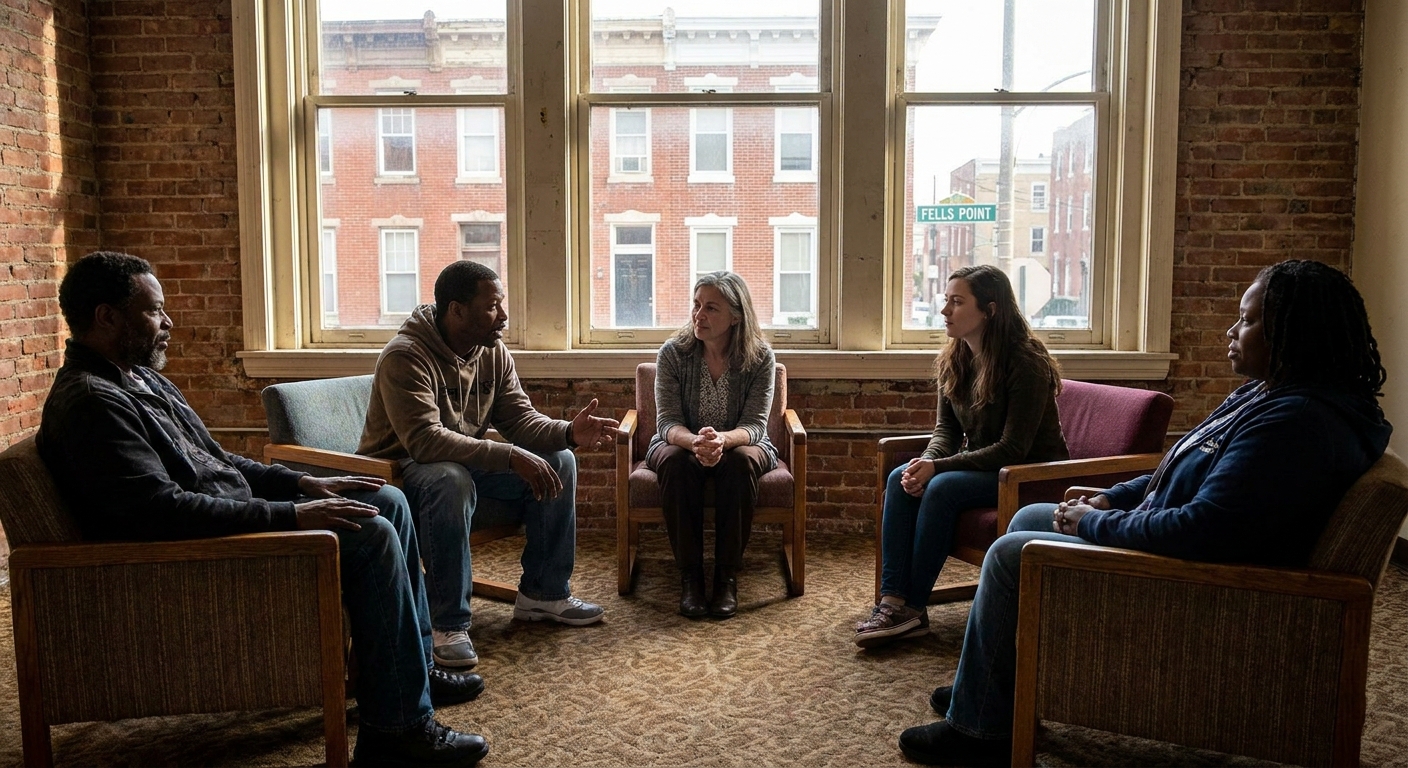

When you join a housing stability program integrated with behavioral health support, you gain more than a safe place to live. You receive a coordinated set of services that address both your need for reliable housing and your mental and emotional well being. By pairing stable living arrangements with counseling, peer networks, and skill building, you create a foundation for long-term recovery and personal growth.
This guide walks you through the key elements of supportive housing combined with behavioral health services. You will discover available housing models, life stabilization resources, reentry pathways, and strategies for tracking your success. Whether you are navigating recovery, reentering the community after incarceration, or seeking a family-focused solution, this information will help you unlock your future.
Understand program components
A comprehensive housing stability initiative typically blends several core services to meet your unique needs in one coordinated plan. As a result, you benefit from consistent support rather than navigating multiple systems on your own.
Life stabilization services
Life stabilization services focus on essential needs that influence your ability to maintain housing and wellness. Common offerings include:
- Rental and utility assistance to prevent eviction
- Transportation vouchers for medical and work appointments
- Nutrition support such as meal programs or food pantry referrals
- Access to identification, benefits enrollment, and legal aid
These wrap-around services reduce stressors that can trigger relapse or homelessness. For example, eviction has been linked to increased emergency room visits for mental health conditions in the two years following displacement [1]. By stabilizing your basic needs, you preserve the mental space required for recovery.
Eligibility and referral
You may qualify for a supportive housing program based on factors such as:
- Current or past substance use disorder
- Serious mental illness diagnosis
- History of homelessness or housing instability
- Recent incarceration or reentry status
- Family or youth in need of stable living arrangements
Referrals often come from treatment providers, community organizations, shelters, or correctional institutions. To begin the process, contact your local behavioral health agency or inquire about a reentry housing program for individuals post-incarceration.
Funding sources
Programs rely on a mix of federal, state, and local grants plus private donations. Key funding streams include:
- American Rescue Plan Act rental assistance (ERAP)
- HUD’s Housing and Services Resource Center partnerships
- SAMHSA’s PATH program for individuals with serious mental illness
- State and local fiscal recovery funds for eviction prevention
Understanding available funding can help you and your case manager secure resources that match your situation.
Explore housing options
Supportive housing models vary in structure, intensity, and duration. Knowing your options helps you select an environment that aligns with your recovery goals.
Supportive housing models
Supportive housing combines safe, affordable units with on site supportive services. Features often include:
- Private or shared apartments
- Community spaces for group meetings
- On site behavioral health staff
- Life skills and wellness workshops
For more on this approach, see our overview of supportive housing with mental health services.
Transitional living
Transitional living offers short-term residences designed to bridge the gap between treatment and full independence. Characteristics include:
- Structured rules on curfew, chores, and sobriety
- Group counseling sessions and peer support
- Daily living skills training
This model is common in transitional housing for addiction recovery and helps you adapt to independent living while maintaining accountability.
Residential step-down programs
If you are finishing a high-acuity treatment program, a step-down setting provides a gentler transition. These programs feature:
- Medical supervision for continuing care
- Reduced intensity of therapy over time
- Emphasis on community engagement and job readiness
Learn more about this option in our section on residential housing for addiction treatment step down.
Integrate behavioral health support
Combining stable housing with mental health and substance use treatment fosters holistic healing. You can access multiple therapeutic modalities under one roof.
On site mental health care
Qualified clinicians provide individual and group therapy to address co-occurring disorders such as anxiety, depression, or trauma. Regular sessions help you:
- Develop coping strategies for stressors
- Process emotional issues linked to substance use
- Set and track recovery goals
Addiction counseling
Licensed addiction counselors guide you through evidence-based approaches, including:
- Cognitive behavioral therapy to change harmful thought patterns
- Motivational interviewing to strengthen commitment
- Relapse prevention planning
To find programs that include specialized counseling, explore our housing program with addiction counseling.
Peer support networks
Connecting with peers who share your experiences creates a sense of belonging and mutual accountability. Peer services may consist of:
- Peer-led support groups
- Mentorship and recovery coaching
- Social events focused on wellness
Many programs advertise supportive housing with peer support to emphasize this critical component.
Access reentry services
If you are transitioning from incarceration, you face unique challenges. Reentry supports help you navigate practical and emotional hurdles.
Program benefits
Reentry initiatives often include:
- Assistance with obtaining identification, benefits, and housing
- Connections to job readiness and training services
- Support with family reunification and child custody issues
By integrating these services, you reduce barriers that can hinder successful reintegration.
Legal and financial aid
You may need help resolving fines, expunging records, or managing debts. Services can include:
- Legal clinics for record sealing
- Budget coaching to rebuild credit
- Referrals to debt relief programs
Employment readiness
Securing stable income is vital. Look for programs offering:
- Job search workshops and resume writing
- Interview preparation and mock interviews
- Partnerships with local employers
For combined housing and workforce support, consider a supportive housing and employment readiness initiative or a job readiness program for people in recovery.
Use case management
A dedicated case manager acts as your advocate and guide, coordinating all aspects of your plan to keep you on track.
Personalized care plans
Your case manager works with you to:
- Establish individualized goals for housing, health, and employment
- Identify strengths and areas for growth
- Outline specific steps and timelines
Referral coordination
With a comprehensive network of partners, your case manager secures referrals for:
- Medical appointments and behavioral health services
- Vocational training and educational programs
- Child and family support services
This coordination ensures you do not fall through gaps in the system.
Ongoing monitoring
Regular check-ins track your progress and address emerging needs. Your case manager may use:
- Progress reports and outcome metrics
- Adjusted care plans based on feedback
- Crisis intervention protocols for urgent issues
To understand how case management can support your journey, review our case management services for recovery clients.
Build community connections
Social support and family involvement are key drivers of sustained recovery and stability.
Family reintegration
Programs designed for families provide:
- Parenting classes and family counseling
- Youth and family supportive services
- Safe spaces for visitations
Explore program for family reintegration and recovery to learn more.
Peer networks
Beyond peer support in therapy, community networks offer:
- Social gatherings and sober peer circles
- Volunteer and leadership opportunities
- Alumni groups for long-term accountability
Community health partnerships
Collaborations between housing providers and health agencies improve outcomes. For example, Cook County Health’s Flexible Housing Pool reduced inpatient days and saved costs by providing stable housing and case management to high-need patients [2]. Partnerships like these demonstrate the power of integrated care.
Measure program success
Tracking outcomes helps you and providers refine services to better meet your needs.
Housing stability metrics
Key indicators include:
- Length of uninterrupted tenancy
- Rates of eviction or housing loss
- Transitions to permanent housing
Health and wellness outcomes
Behavioral health success can be measured by:
- Reduced hospital or emergency department visits
- Improvements in mental health scales
- Lower relapse rates
The Housing First model, for instance, reduced hospital stays by 38 percent and cut residential service costs by 93 percent over 24 months [3].
Economic impact
Cost effectiveness can be demonstrated through:
- Healthcare savings from fewer crises
- Employment and income gains
- Reduced reliance on emergency services
Plan your next steps
Once you understand the components and benefits, you can take action to secure the support you need.
How to apply
- Contact your local behavioral health or housing agency
- Complete an intake assessment to determine eligibility
- Work with a case manager to select appropriate services
What to expect
- A coordinated care plan tailored to your goals
- Regular progress reviews and adjustments
- Access to a network of providers and peer mentors
Additional resources
- Explore supportive housing for co-occurring disorders if you face both mental health and substance use challenges
- Learn about youth and family supportive services program for families navigating recovery
- Check community mental health and housing support options in your area
Overall, a housing stability program with integrated behavioral health services offers you a structured pathway to rebuild your life. By leveraging coordinated care, strong support networks, and evidence-based practices, you can achieve lasting stability and renewed hope. Take the first step today toward securing the resources and community you deserve.
References
- (National League of Cities)
- (HFMA)
- (NLM)