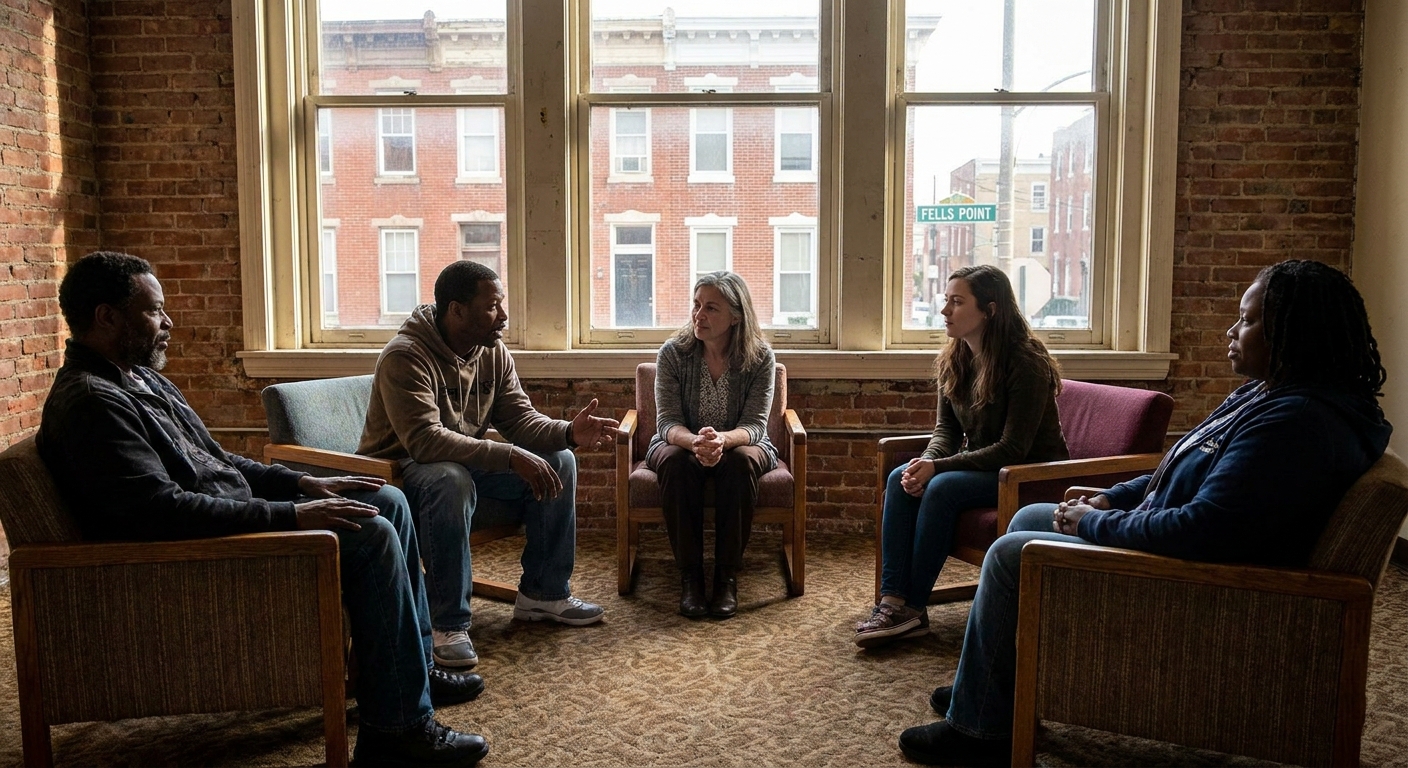

Supportive housing and employment readiness go hand in hand when you’re working toward stability after addiction, homelessness or incarceration. By combining a supportive environment with job training and life skills, you can build a foundation that empowers you to maintain housing and pursue meaningful work. In this guide you’ll explore the principles of supportive housing, learn how to assess and strengthen your employment readiness, and discover programs that integrate housing support with job preparation. Along the way, you’ll find links to specialized services that match your needs—from transitional living and peer support to reentry housing and family reintegration.
Understanding supportive housing
Principles of Housing First
The Housing First approach prioritizes providing you with permanent housing before requiring participation in treatment or services. As a result, you can focus on stabilizing your life in a safe, affordable home rather than navigating preconditions. Housing First programs do not mandate therapy or sobriety to obtain or retain housing, viewing a stable address as the cornerstone for addressing other goals like employment, health and education [1].
Types of supportive housing programs
- Permanent supportive housing (PSH) offers long-term rental assistance paired with voluntary services. It’s designed for people with chronic health conditions, mental illness or substance use disorders.
- Rapid re-housing provides short-term rental aid, helping you transition quickly from homelessness into a stable apartment while building skills for self-sufficiency.
| Program type | Rental assistance length | Target population |
|---|---|---|
| Permanent supportive housing | Ongoing | Chronic illness, disabilities, mental health, addiction |
| Rapid re-housing | Short term (3–6 months) | Individuals and families with varying service needs |
Benefits for recovery
Supportive housing programs help you access stable housing faster and maintain it longer. Studies show Housing First reduced homelessness by 88% and improved housing stability by 41% compared to treatment-first models. Clients living with HIV experienced 63% greater housing stability and 38% less homelessness, along with significant health improvements [2]. With reliable shelter, you’re better positioned to engage in housing assistance for people in recovery and voluntary support services that enhance your overall well-being.
Assessing employment readiness
Core components
Building employment readiness involves more than polishing your resume. Key elements include:
- Job training and certifications that match your interests and local labor market demands
- Life skills development such as time management, communication and financial literacy
- Trauma-informed support to address barriers stemming from past experiences
As you work on these areas, you’ll gain confidence and the practical tools necessary to secure and sustain employment.
Overcoming barriers
Many individuals in recovery or reentry face challenges such as gaps in work history, limited transportation and health issues. Trauma often underlies these barriers, making it crucial to access programs that combine case management and counseling. A blend of assessment, tailored training and stable housing can lead to better employment outcomes and housing stability [3]. Explore our job readiness program for people in recovery to find workshops and one-on-one coaching designed for your journey.
Employer-assisted housing
Engaging employers in housing solutions can further support your path to work and home stability. Some businesses offer down-payment assistance, rental subsidies or matching contributions, often boosted by state tax credits or grants [4]. This approach not only helps you afford a home but also fosters partnerships that expand your professional network and job prospects.
Integrating housing and employment
Combined program models
Programs that blend housing support with job readiness can streamline your progress. Key features may include:
- Coordinated case management to navigate both housing and employment resources
- On-site workshops for resume writing, interview skills and workplace etiquette
- Peer mentors who have walked a similar path and can offer guidance
For a structured option, consider our supportive housing and job readiness combined program, which delivers a seamless experience from move-in to job placement.
Case management and life stabilization
Comprehensive care relies on a dedicated case manager who helps you set goals, monitor progress and connect with community services. Through case management services for recovery clients, you’ll receive personalized housing plans, referrals to mental health or addiction counseling and strategies for overcoming daily challenges. This individualized support is essential for lasting recovery and stability.
Peer support and community services
A supportive environment includes peers and professionals working together. Peer-led groups foster accountability and shared learning, while community organizations offer classes in budgeting, parenting or nutrition. Look into supportive housing with peer support and community support services for recovery to tap into networks focused on holistic growth.
Reentry and family support
Housing for individuals post-incarceration
Reentering the community after incarceration involves navigating housing restrictions and rebuilding trust. Dedicated programs like our reentry housing program for individuals post-incarceration and reentry program for ex offenders offer safe, structured living environments. You’ll gain access to legal aid, job placement services and life skills workshops that reduce recidivism and promote independence.
Family reintegration programs
Recovery is often a family journey. Family-focused services can mend relationships and foster a stable home life. Through our program for family reintegration and recovery and youth and family supportive services program, you can engage in counseling, parenting classes and peer groups designed to strengthen family bonds. These offerings ensure that everyone in your household benefits from a supportive environment.
Choosing the right program
Factors to consider
When evaluating supportive housing and employment readiness options, compare programs based on:
- Service scope: Are mental health, addiction counseling and life skills included?
- Duration and intensity: Does the housing match your acuity level—short-term transitional or long-term supportive?
- Location and amenities: Is the site accessible to public transit, schools or healthcare?
- Eligibility criteria: Does your background or health status fit program guidelines?
- Cost and funding: What fees apply and are subsidies available?
You might explore transitional housing for high acuity clients, transitional housing program for veterans or supportive housing for long term recovery depending on your needs.
Questions to ask providers
- How are housing and employment services coordinated?
- What level of case management and peer support will you receive?
- Are there clear pathways to stable employment and independent living?
- Can family members participate in supportive services?
- What are the steps if you face a housing or employment setback?
Next steps and resources
Getting started
- Reach out to program coordinators and schedule a tour or intake assessment.
- Gather required documents such as ID, income verification and treatment records.
- Apply for housing vouchers or employer-assisted housing incentives where available.
- Enroll in job readiness workshops and connect with peer mentors.
- Set short-term goals for housing stability, skill development and employment milestones.
Additional resources
- Housing and reentry support services
- Community mental health and housing support
- Local Continuum of Care (CoC) agencies for coordinated entry
- Workforce centers for job placements and apprenticeships
Moving forward
By combining stable housing with targeted employment readiness, you create a foundation that supports long-term recovery, financial independence and personal growth. Take the first step today by contacting a local provider or exploring online applications. Your path toward a secure home and meaningful work starts with the support necessary for lasting stability and success.