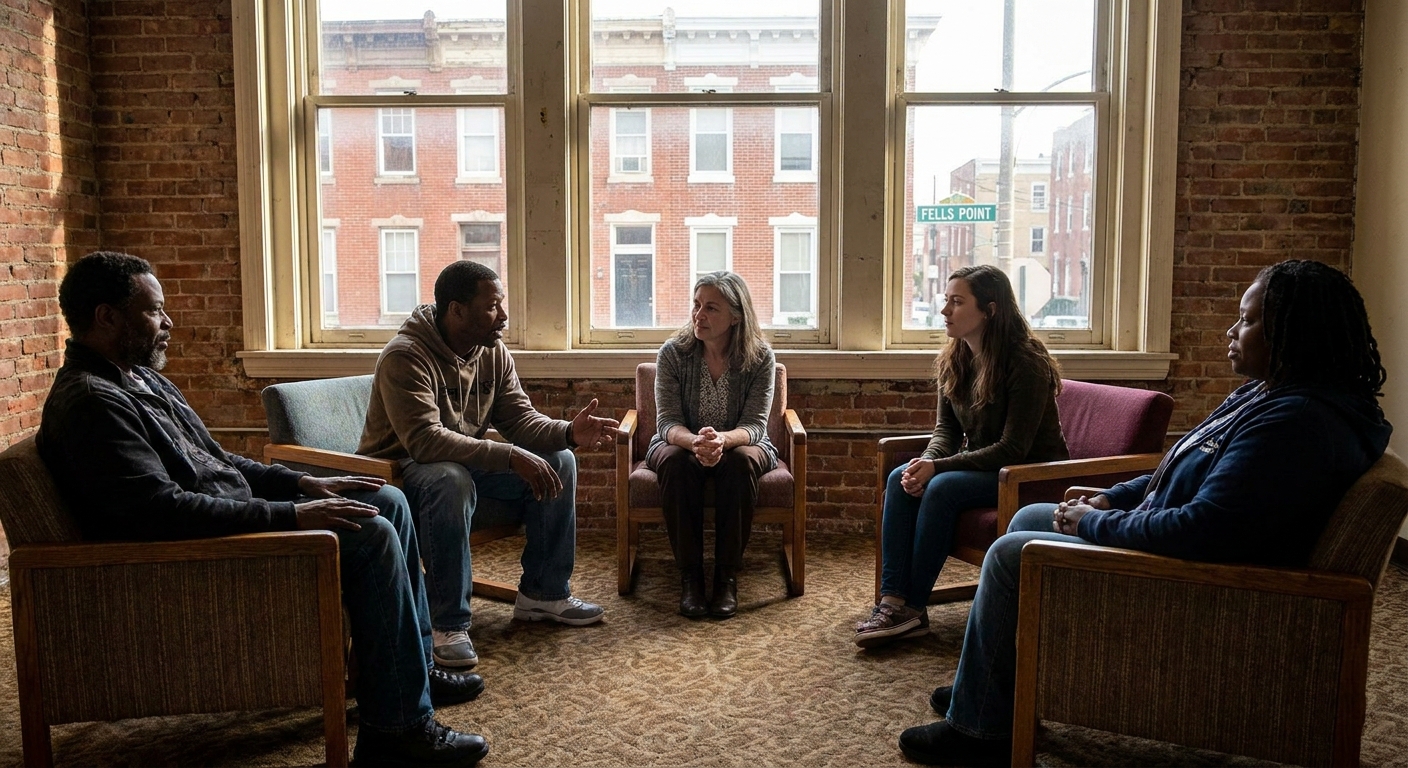

A reentry program for ex offenders can transform your journey after incarceration, offering the tools and support you need to rebuild stability and hope. By addressing the unique challenges you face, these initiatives work to reduce recidivism and promote lasting recovery. Whether you are nearing release, recently released, or supporting a loved one, understanding how a well-structured program operates can guide you to resources that match your goals.
Returning to the community after prison often means confronting barriers such as unstable housing, limited job prospects, and strained family relationships. Studies show that 67.8 percent of formerly incarcerated individuals are rearrested within three years of release, and 76.6 percent within five years [1]. Additionally, fewer than 13 percent of employers say they would accept a job application from someone with a criminal record [1], highlighting the importance of targeted support. In addition, federal programs like the Second Chance Act have mobilized nearly $100 million in grants to shore up reentry services nationwide [2].
As a result, comprehensive life stabilization services, housing options, mental health care, and case management are central to helping you navigate the transition. In the sections below, you will learn about key components of effective reentry programs, their benefits, and how to choose and enroll in a program that can change your life.
Understanding reentry program for ex offenders
Unique challenges after incarceration
Reentering society after prison often means facing a complex web of obstacles. Homelessness, unemployment, and poverty affect many returning citizens, making a stable start difficult [3]. Legal restrictions—an estimated 47,442 collateral consequences—can bar you from housing, voting, and certain professions [1]. Furthermore, about 75 percent of formerly incarcerated men struggle with substance abuse and co-occurring mental health issues, limiting both employability and overall well-being [1]. These factors combine to increase the risk of returning to criminal activity, underscoring the need for targeted support.
Goals of reentry programs
An effective reentry program for ex offenders seeks to:
- Stabilize your housing situation
- Improve job readiness and employment prospects
- Address substance use and mental health concerns
- Strengthen family and community ties
- Provide ongoing case management
By focusing on these goals, programs help you build skills, access services, and establish a support network that can sustain long-term success.
Key components of successful programs
Pre-release preparation and planning
Effective reentry begins well before your release date. Pre-release services might start 18 months in advance, offering mental health counseling, educational courses, mentoring, and vocational training [4]. Personalized planning helps you:
- Identify housing and employment goals
- Enroll in educational or certification programs
- Connect with community sponsors or mentors
- Address health and substance use treatment needs
As a result, when you step back into the community, you already have a roadmap for stability.
Supportive housing options
Stable housing is a cornerstone of successful reentry. Programs often provide or connect you to transitional and supportive models:
| Housing model | Description |
|---|---|
| Transitional housing for addiction recovery | Short-term residence with structure and daily check-ins |
| Sober living and supportive housing program | Peer-supported homes enforcing sobriety and accountability |
| Reentry housing program for individuals post-incarceration | Affordable units reserved for returning citizens |
| Supportive housing with life skills training | Onsite instruction in budgeting, cooking, and self-care |
In addition, housing assistance for people in recovery and supportive housing with mental health services can help you find a stable place to live while you access counseling and treatment.
Employment readiness and training
Securing meaningful work reduces the likelihood of recidivism and restores a sense of purpose. However, as few as 12.5 percent of employers will even consider a candidate with a criminal record [5]. A robust program will offer:
- Job readiness workshops and resume building
- Interview practice and mock assessments
- Connections to job readiness program for people in recovery
- Partnerships with employers open to second-chance hiring
Some models blend housing and employment support, such as supportive housing and employment readiness, creating an environment where you can live and work while receiving ongoing guidance.
Mental health and substance support
Addressing co-occurring disorders is critical. Cognitive behavioral therapy (CBT) has proven especially effective in reentry, helping you change negative thought patterns, manage impulses, and improve social skills [6]. Key services include:
- Individual and group therapy
- Medication-assisted treatment if needed
- Holistic approaches like mindfulness and yoga
- Access to supportive housing program for dual diagnosis
When mental health and substance use concerns are treated concurrently, you gain a stronger foundation for lasting recovery.
Family and community services
Reintegration thrives on social support. Family health services can help repair strained relationships, while community programs offer practical assistance:
- Family health services for people in recovery
- Youth and family supportive services program
- Peer support groups and mentoring networks
By strengthening family bonds and connecting you to local resources, these services create a web of support that encourages accountability and belonging.
Ongoing case management
A dedicated case manager helps you navigate complex systems and keeps you on track. Core functions include:
- Regular check-ins and progress reviews
- Coordination with probation or parole officers
- Referrals to community support services for recovery
- Assistance with benefits, identification, and legal aid
This continuous oversight ensures you do not slip through the cracks and have someone advocating for your needs.
Benefits of program participation
Reducing recidivism rates
By addressing housing, employment, and health simultaneously, reentry programs cut the risk of rearrest. Traditional measures like rearrest rates may understate success, so many programs track job placement, stable housing, and improved well-being as more nuanced indicators of progress.
Enhancing housing stability
Programs that combine safe housing with supportive services significantly lower the chance of homelessness. Stable living conditions allow you to focus on work, therapy, and rebuilding relationships rather than merely surviving day to day.
Improving employment outcomes
Participants often see higher rates of job placement and retention. With targeted training and employer partnerships, you gain skills and a professional network that make obtaining and keeping work more attainable.
Supporting long-term recovery
When you engage in a program that integrates case management, peer support, and clinical care, you build resilience. The combination of housing security, meaningful employment, and mental health support fosters an environment in which lasting recovery can flourish.
Choosing the right program
Assess program services
Compare offerings by creating a simple checklist:
- Housing models available
- Employment and training options
- Clinical and peer support services
- Family or community integration programs
- Length of follow-up and aftercare
This list helps you identify which program aligns with your most urgent needs.
Consider duration and cost
Programs may range from short-term transitional living to multi-year residential stays. Funding can come from federal grants, nonprofit organizations, or sliding-scale fees. The Second Chance Act and Office of Justice Programs awards (nearly $100 million in FY22) can offset costs for qualifying participants [2].
Verify quality standards
Look for accreditation, evidence-based practices, and staff credentials. Ask about outcome tracking—how the program measures reductions in recidivism, housing stability, and employment success. A transparent record of positive outcomes indicates a higher likelihood of real-world impact.
Taking the first step
How to enroll
Enrollment processes vary, but generally you will:
- Contact the program intake coordinator
- Complete an assessment of your history and needs
- Provide documentation (release papers, identification)
- Schedule initial meetings with case managers and counselors
If you need a referral, speak with your probation officer, social worker, or a local reentry coalition.
Questions to ask
Before committing, get clear answers on:
- Eligibility criteria and waiting lists
- Program rules, daily schedules, and curfews
- Fees, funding sources, and scholarship options
- Duration of each phase and available aftercare
These questions ensure you know what to expect and can plan accordingly.
Building your support network
Recovery and reintegration thrive when you surround yourself with positive influences. Consider:
- Joining alumni groups or peer support circles
- Engaging family members in therapy or education sessions
- Seeking mentors through faith-based or community organizations
- Linking with local chapters of national reentry coalitions
Overall, a robust network can provide encouragement and accountability long after you complete the core program.
Every step you take toward joining a structured reentry program brings you closer to a stable, empowered future. By leveraging housing, employment training, mental health support, and case management, you can overcome the barriers of incarceration and achieve a fulfilling, self-directed life. Take the first step today by reaching out to a local provider and exploring the options that align with your goals.