
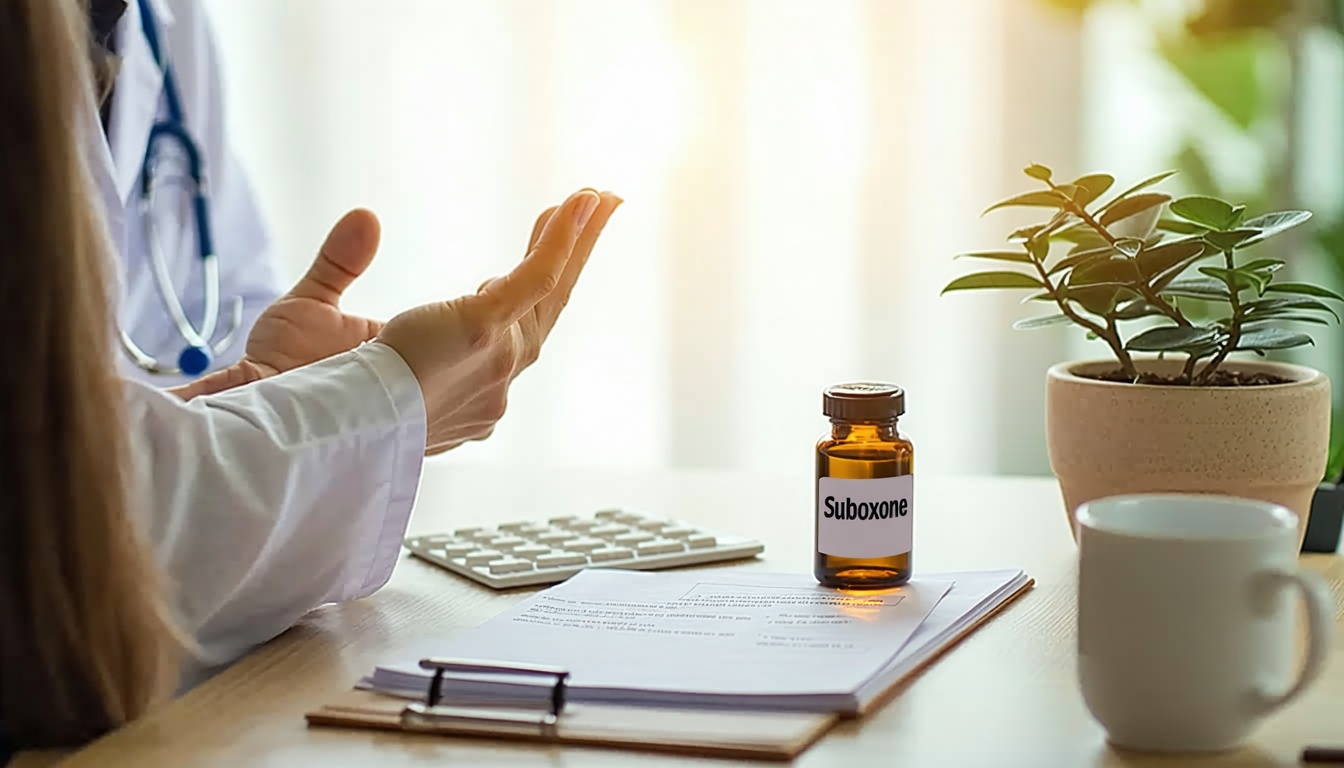
A Suboxone-based opioid recovery program can offer you a structured path toward lasting recovery by combining medication-assisted treatment with counseling, peer support, and tailored care. If you’re facing opioid dependence, you may have questions about how Suboxone works, what treatment options are available, and how to choose a program that fits your needs. In this article you’ll find clear, evidence-based information to help you understand Suboxone therapy, compare detox options, evaluate program benefits, and plan next steps for your recovery journey.
Understanding Suboxone therapy
What is Suboxone?
Suboxone is a prescription medication that combines two active ingredients, buprenorphine and naloxone, to treat opioid use disorder. Buprenorphine is a partial opioid agonist: it binds tightly to opioid receptors in your brain, reducing cravings and withdrawal symptoms without producing the same high as full agonists. Naloxone is an opioid antagonist that discourages misuse by triggering withdrawal symptoms if someone attempts to inject the medication [1].
How Suboxone works
When taken as directed, Suboxone blunts the effects of other opioids, helps you manage withdrawal, and stabilizes your mood. Key mechanisms include:
- Craving suppression: Buprenorphine reduces the urge to use opioids by occupying brain receptors.
- Withdrawal relief: The partial agonist effect eases symptoms like nausea, muscle aches, and anxiety.
- Misuse prevention: Naloxone becomes active only if Suboxone is injected, discouraging diversion.
By addressing both the physical and psychological aspects of opioid dependence, Suboxone serves as a cornerstone of medication-assisted treatment, providing you with the stability needed to engage in counseling and peer support.
Exploring medication assisted treatment
Role of MAT in recovery
Medication-assisted treatment (MAT) integrates FDA-approved medications with behavioral therapies to treat opioid use disorder. Suboxone is one of the most common MAT medications, alongside methadone and naltrexone. Research shows that MAT can lower the risk of relapse, reduce overdose deaths, and improve social functioning when combined with comprehensive care [2].
Combining therapy and Suboxone
For optimal results you should use Suboxone alongside evidence-based therapies, such as cognitive behavioral therapy (CBT) and peer support groups. This dual approach helps you:
- Identify triggers and develop coping strategies
- Build a support network of peers facing similar challenges
- Address underlying issues like trauma, mental health disorders, or stress
Consider enrolling in a medication assisted treatment program that offers individual counseling, group sessions, and family education to support your recovery.
Comparing detox options
Outpatient detox services
Outpatient detox allows you to receive medical supervision and Suboxone treatment while living at home. You attend scheduled appointments for medication adjustments, counseling, and health monitoring. Benefits include:
- Flexibility for work, school, or family responsibilities
- Lower cost compared to residential programs
- Continued support through an outpatient suboxone program
Residential detox programs
Residential detox involves staying at a facility 24/7, where you receive structured care and Suboxone administration. Advantages include:
- Close medical supervision for high-acuity needs
- Immersive environment free from outside triggers
- Access to on-site group therapy and holistic therapies
Explore options like residential detox for substance abuse or residential drug and alcohol detox center if you require intensive support.
Detox with medication management
Some programs specialize in managing medications during detox, ensuring safe initiation and dose stabilization of Suboxone. A detox with medication management support model offers:
- Regular assessment of liver function and vital signs
- Coordination with psychiatrists, therapists, and primary care providers
- Personalized tapering plans when you’re ready to reduce dosing
Evaluating program benefits
Reducing cravings and withdrawal
A core benefit of a Suboxone-based opioid recovery program is relief from withdrawal and cravings. Buprenorphine’s partial agonist effect allows you to:
- Experience up to 80% fewer physical withdrawal symptoms
- Maintain stable mood and energy levels
- Focus on therapy rather than acute discomfort
Improving treatment outcomes
Studies show that longer duration of buprenorphine treatment correlates with higher rates of sustained recovery [2]. In addition, programs that combine Suboxone with behavioral therapy report:
- 45% fewer emergency room visits among participants [3]
- Lower rates of relapse at 6- and 12-month follow ups
Lowering risk of overdose
Suboxone’s safety profile makes it a critical intervention to prevent fatal overdoses. Partial agonists carry a lower overdose risk compared to full agonists like methadone or heroin. Data indicates that MAT with Suboxone can reduce overdose deaths by about 50% [4].
Key differences: Suboxone vs methadone
Key differences between Suboxone and methadone Cedar Recovery:
| Feature | Suboxone | Methadone |
|---|---|---|
| Mechanism | Partial agonist + antagonist | Full opioid agonist |
| Administration | Sublingual film or tablet at home | Liquid dose at specialized clinics |
| Overdose risk | Lower risk | Higher if misused |
| Accessibility | Prescribable in physician offices | Limited to opioid treatment programs |
| Dosing flexibility | Alternate-day dosing possible [5] | Daily dosing required |
Managing potential side effects
Common side effects
Most people tolerate Suboxone well, but you may experience:
- Nausea, headache, or constipation
- Insomnia or vivid dreams
- Dizziness or sweating
These effects are usually mild and subside as your body adjusts. If symptoms persist, talk to your provider.
Long-term considerations
With prolonged Suboxone use you should monitor for:
- Dental issues such as caries or tooth loss, especially with sublingual forms [6]
- Liver enzyme changes; regular blood tests help ensure healthy function [1]
- Cognitive effects like memory or concentration challenges
- Potential opioid dependence and withdrawal if dosing is reduced too quickly [2]
Monitoring and support
To manage risks effectively:
- Schedule routine lab work and physical exams
- Attend counseling sessions to address any mental health changes
- Coordinate dose adjustments with your healthcare team
- Develop a taper plan with gradual reductions when you’re ready
Choosing the right program
Clinic accreditation and staff
Select a program licensed to provide MAT with Suboxone. Look for:
- Board-certified addiction medicine physicians and nurse practitioners
- Accredited facilities following SAMHSA guidelines
- Ongoing staff training in gender-specific and trauma-informed care
Integrated services
The best programs offer a spectrum of support, including:
- Dual diagnosis care for co-occurring mental health issues [7]
- Family counseling and peer support groups
- Access to holistic therapies like yoga, meditation, and art [8]
Personalized treatment plans
Your recovery plan should be tailored to you:
- Adjusted dosing schedules in an outpatient suboxone program or a residential setting
- Flexible counseling formats—individual, group, or family sessions
- Coordination with other health services, such as primary care or pain management
Convenience and accessibility
Consider factors like:
- Proximity to a suboxone clinic for opioid addiction
- Flexible hours or telehealth options
- Insurance coverage and sliding-scale fees for long-term maintenance
Transitioning to ongoing care
Maintenance vs tapering
Suboxone can be maintained long term, similar to insulin for diabetes, or tapered under medical supervision. Expert opinions vary, but evidence shows that stable dosing:
- Lowers relapse risk
- Reduces overdose mortality
- Supports social and occupational functioning
If you choose to taper, work closely with your provider to minimize withdrawal symptoms and maintain progress.
Aftercare and peer support
Continuing care is vital for lasting recovery. After initial stabilization you may:
- Join peer recovery groups or 12-step meetings
- Engage in aftercare planning with a detox program with peer support
- Attend regular therapy to address evolving challenges
Holistic therapies
Integrating holistic approaches can enhance well-being:
- Yoga and mindfulness meditation to reduce stress
- Art or music therapy for emotional expression
- Nutrition and exercise plans to rebuild physical health [6]
Planning next steps for recovery
Additional resources
To explore treatment options, you can start with:
- Finding the best detox center for addiction
- Reviewing an opioid detox program overview
- Comparing medication assisted recovery program models
- Considering a suboxone maintenance treatment program
Encouragement and action
Recovery is a journey you don’t take alone. By choosing a Suboxone-based opioid recovery program that combines medication, therapy, and peer support, you’re investing in comprehensive care designed for lasting change. Reach out to a qualified provider today to discuss your options, develop an individualized plan, and take the next step toward a healthier, more stable future.