
Understand peer support
A detox program with peer support places you in a community of individuals who have walked a similar path toward recovery. By leaning on others who understand the physical and emotional challenges of withdrawal, you gain practical guidance, encouragement, and motivation. This supportive environment helps normalize common symptoms, fosters accountability, and reduces feelings of isolation. When you engage with trained peers, you benefit from shared wisdom that complements professional medical care, creating comprehensive care tailored to your needs.
Define peer support
Peer support involves nonclinical assistance from people with lived experience of addiction and recovery. These individuals—often called recovery coaches or peer support specialists—offer empathy, guidance, and encouragement based on firsthand knowledge of withdrawal and relapse prevention. Their role is to:
- Validate your experiences and feelings
- Share coping strategies that worked for them
- Offer practical advice on navigating withdrawal
- Encourage you to stay committed to your goals
Role during detox
During detox, peer supporters serve as a bridge between medical staff and participants. They help you:
- Understand and normalize withdrawal symptoms
- Establish daily routines for meals, medication, and exercise
- Practice relaxation techniques to ease cravings and anxiety
- Celebrate milestones, such as completing the first 72 hours
By offering emotional encouragement and practical tips, peers enhance your resilience and self confidence throughout detox.
Peer supporter training
Effective peer support programs include ongoing training and supervision to maintain clear role boundaries and high quality services. Look for programs that ensure:
- Continuing education in addiction science and communication skills
- Supervision by experienced specialists who understand recovery
- Clear protocols for crisis intervention and confidentiality
- Collaboration with clinical and medical teams
These safeguards promote a respectful, nonjudgmental culture and strengthen the impact of peer support on your recovery journey.
Explore detox options
Choosing the right detox setting depends on the severity of your substance use, co-occurring conditions, and personal needs. Here are common approaches:
Medical detox programs
Medical detox provides 24/7 supervision by healthcare professionals to manage withdrawal symptoms safely. This setting is ideal if you face high-acuity needs or severe physical dependence. Services may include:
- Vital sign monitoring and medication management
- Intravenous fluids or nutritional support
- Management of complications such as seizures or dehydration
For alcohol-specific protocols, explore medical detox for alcohol withdrawal.
Medication assisted treatment
Medication assisted treatment (MAT) combines FDA-approved medications with counseling and behavioral therapies to treat opioid or alcohol dependence. Common options include buprenorphine (Suboxone) and methadone. Benefits include:
- Reduced cravings and withdrawal discomfort
- Lower risk of overdose and relapse
- Improved engagement with therapy
You can find specialized programs such as a suboxone clinic for opioid addiction or an opioid detox program.
Holistic detox approaches
Holistic programs address your physical, mental, and spiritual needs through complementary therapies. Typical offerings include:
- Yoga, meditation, and mindfulness
- Nutritional counseling and exercise
- Art therapy and acupuncture
Blending these methods with peer support can boost self-efficacy and reduce relapse risks more effectively than traditional models alone.
Benefit from peer support
Integrating peer support into detox enhances overall treatment effectiveness. Research shows multiple advantages:
- 20% higher detox completion rates when peers are involved (Evoke Wellness)
- 68% increase in sustained sobriety with aftercare peer groups (Stanford’s Human-Centered AI group)
- Reduced HIV and hepatitis C risk behaviors among injection drug users (PubMed Central)
Improve treatment engagement
Peers foster a sense of belonging and accountability. By sharing their own struggles and successes, they:
- Encourage consistent attendance at appointments
- Help you adhere to medication schedules
- Provide reminders for group sessions and therapy
As a result, you stay more engaged in your care plan and build momentum toward lasting recovery.
Reduce relapse risks
A judgment-free peer community empowers you to discuss cravings and triggers openly. Strategies include:
- Role-playing refusal skills
- Practicing mindfulness to manage urges
- Setting up check-in calls for high-risk moments
Over time, these practices become ingrained, lowering your likelihood of relapse.
Boost self efficacy
Witnessing peers maintain sobriety reinforces your belief that change is possible. Shared experiences:
- Validate your efforts and struggles
- Offer novel coping tools and perspectives
- Build confidence in managing challenging situations
This growing self-efficacy lays the foundation for continued progress after detox ends.
Design personalized detox plan
A tailored treatment program ensures your unique challenges and goals are addressed. Use these steps to create an individualized plan:
Assess your needs
Begin with a comprehensive evaluation that covers:
- Substance use history and severity
- Physical health status and co-occurring conditions
- Mental health concerns and trauma history
- Social support network and living environment
This assessment guides decisions on program intensity and adjunct therapies.
Choose your setting
Consider both medical and logistical factors when selecting between inpatient or outpatient detox.
Inpatient vs outpatient options
| Setting | Pros | Cons |
|---|---|---|
| Inpatient | 24/7 medical supervision, immersive support | Higher cost, time away from home |
| Outpatient | Greater flexibility, lower cost, home comfort | Less intensive monitoring, commute |
Explore options such as residential detox for substance abuse or outpatient drug detox services.
Integrate counseling support
Pairing peer support with professional therapy maximizes benefits. Look for a detox program with counseling support that offers:
- Individual and group counseling
- Cognitive behavioral therapy for relapse prevention
- Family or couples therapy for lasting relationship repair
This combination fosters a holistic healing environment.
Transition to ongoing care
Detox is only the first step in your recovery journey. A seamless transition to long-term support boosts your chances of sustained sobriety.
Continue medication assisted recovery
If you started MAT during detox, plan for ongoing medication management and tapering protocols. Seek a program like a medication assisted treatment program or suboxone maintenance treatment program to:
- Monitor dosage adjustments
- Address side effects
- Combine medication with counseling
Engage in therapy
Structured therapy provides coping tools and emotional support after detox. Options include:
- Outpatient counseling and support groups
- Intensive outpatient programs with daily or weekly sessions
- Dual diagnosis care for co-occurring mental health disorders
Consider detox and mental health treatment combined for integrated care.
Plan relapse prevention
Collaborate with peers and clinicians to develop a robust aftercare strategy:
- Identify personal triggers and warning signs
- Establish a relapse action plan
- Schedule regular check-ins with your support network
Programs offering drug detox with relapse prevention can guide you through this process.
Find the right program
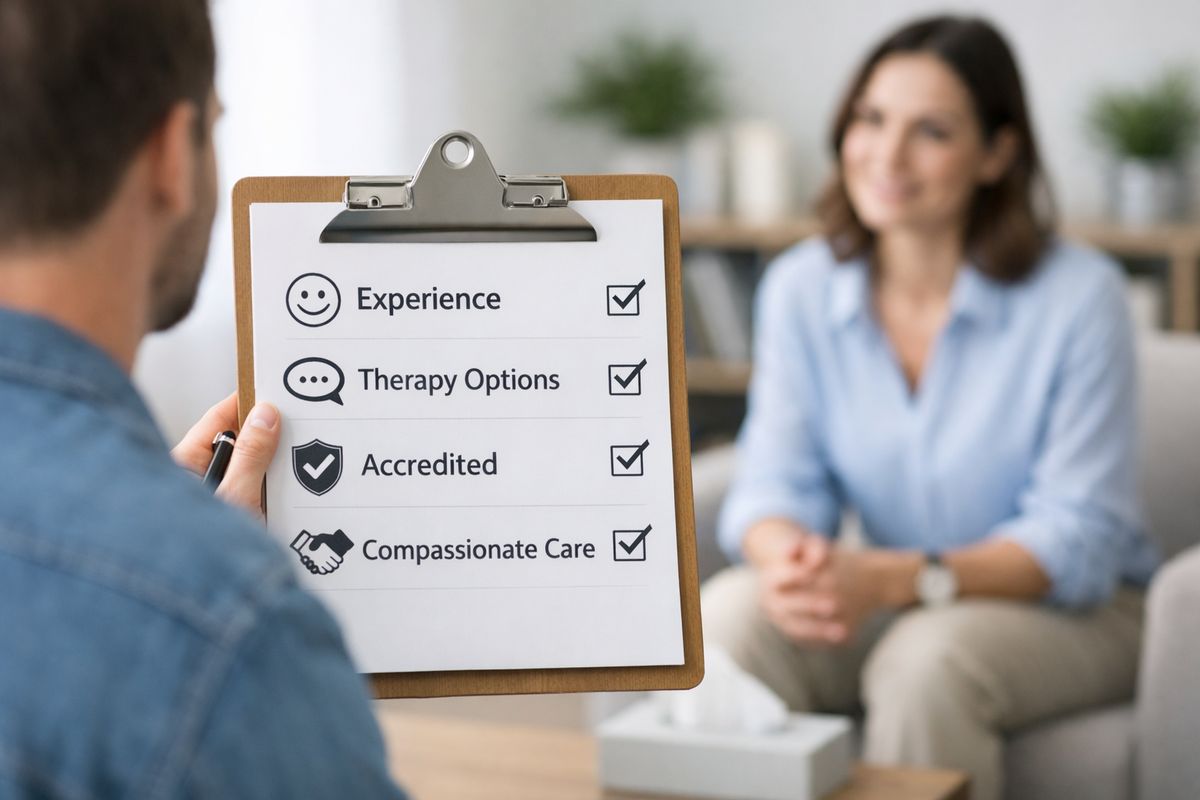
Not all programs are created equal. Use these criteria to select a detox center aligned with your recovery goals.
Key features to look
When evaluating facilities, check for:
- 24/7 medical supervision and medication management
- Peer support services integrated throughout detox
- Evidence-based therapies and holistic options
- Comprehensive aftercare planning and referrals
Peer training and supervision
Ensure peer supporters receive formal training, ongoing education, and clear supervisory structures. This maintains quality and prevents role confusion.
Comprehensive care offerings
A center that combines medical detox, MAT, counseling, peer support, and holistic therapies provides the most well-rounded approach to recovery.
Questions to ask providers
Before committing, ask specific questions:
- How are peer supporters selected and trained?
- What is the staff-to-client ratio for medical and peer support?
- Which therapies and holistic services are included?
- How does the program coordinate aftercare and ongoing support?
- Can you connect me with alumni who can share their experiences?
These inquiries help you feel confident that the program offers the individualized plans and support necessary for lasting recovery.
Conclusion
Choosing a detox program with peer support empowers you to face withdrawal with compassion, accountability, and shared wisdom. By understanding peer roles, exploring the full range of detox options, and designing a personalized plan, you set the stage for a smooth transition into ongoing care. Armed with evidence-based insights and a supportive community, you can build the resilience and self-efficacy needed to maintain lasting sobriety. Take the next step toward recovery by exploring our addiction recovery detox services and connecting with a program that meets your unique needs.