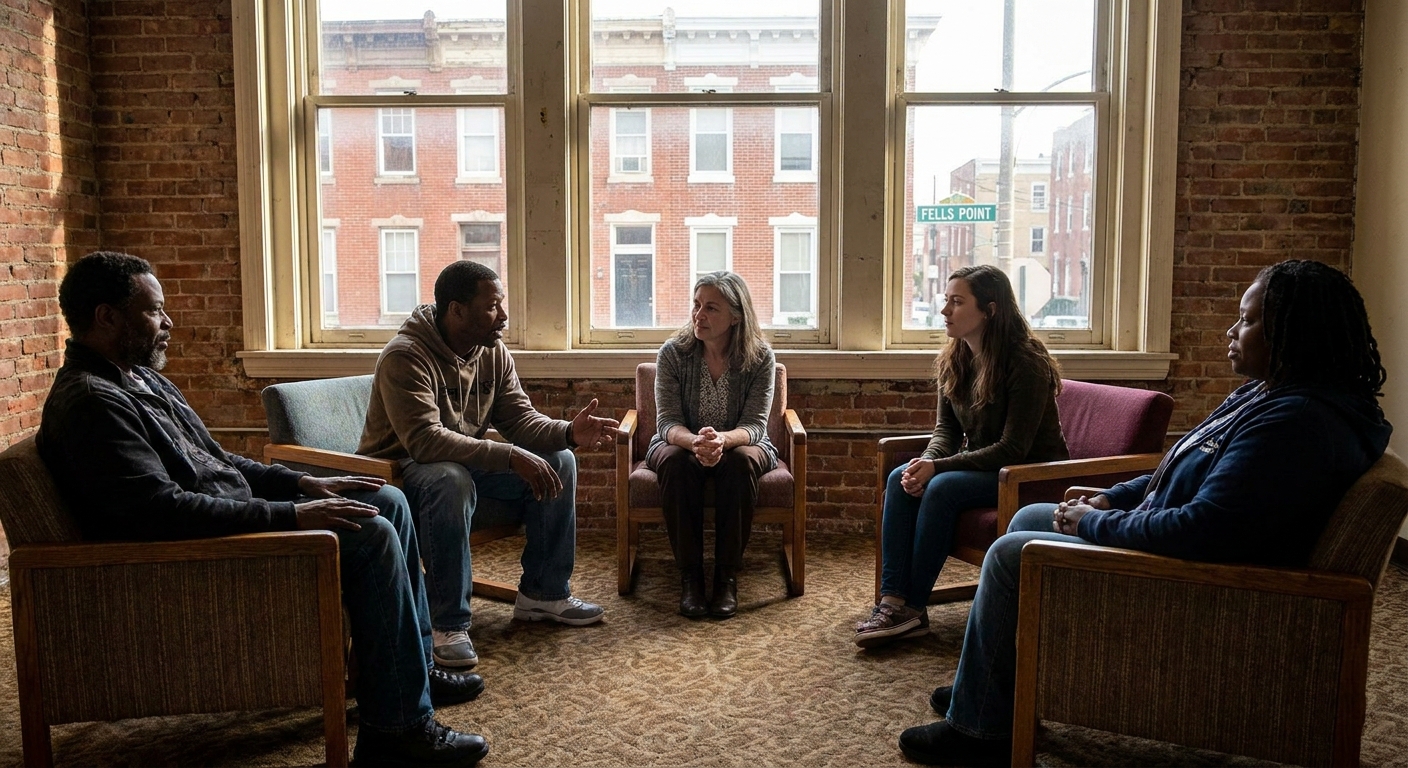

Program overview and goals
Your path to healing begins with a program for family reintegration and recovery designed to help you rebuild trust, strengthen relationships, and access the comprehensive care necessary for lasting change. This type of program brings together tailored services that address both your individual needs and those of your loved ones, guiding you through each stage of reunification. By focusing on holistic support, you can navigate challenges confidently, create a more stable home environment, and foster resilience across your family unit.
Families affected by substance use, incarceration, or co-occurring disorders often face a sequence of emotional decline, behavioral turbulence, and financial strain, leading to instability and isolation [1]. As a result, a structured reunification strategy helps you break the cycle of uncertainty by providing consistent guidance, reducing stigma, and promoting open communication among family members.
Many programs begin with a comprehensive assessment of your circumstances, including:
- Family dynamics and communication patterns
- Housing and employment stability
- Physical and mental health needs
- Legal or child welfare requirements
This assessment forms the foundation of an individualized plan that evolves as you and your family make progress. Throughout the process, you benefit from a supportive environment where each service component is coordinated to reinforce positive outcomes and lasting recovery.
What is family reintegration and recovery
A family reintegration and recovery program is a structured initiative offering coordinated support across housing, employment, health care, and case management. As you engage in these services, you receive an individualized plan that adapts to your progress. The goal is to restore family connections, address underlying challenges, and equip you with the skills needed to maintain a stable and fulfilling life.
Benefits of reintegration programs
Engaging in a dedicated family recovery and reunification program offers benefits that can transform your journey and strengthen outcomes:
- Faster reunification with children and loved ones
- Reduced time in foster care and minimized family separation
- Lower rates of relapse and re-arrest among participants
- Enhanced emotional stability through family counseling
- Improved financial security via stable employment
Participants in TASC’s Family Recovery & Reunification Program reintegrated with their children an average of five months sooner, with adolescents of enrolled parents showing a 53% lower re-arrest rate [2].
In addition to these benefits, programs often integrate life skills training, parenting workshops, and peer support to ensure you have the tools to navigate real-world challenges. As a result, you and your family can build confidence and create new routines that support lasting recovery.
Explore core program components
Most successful reentry and reunification initiatives structure their services around three core components, laying a strong foundation for your stability and growth [3]. By addressing employment, housing, and health care needs in tandem, these programs create an integrated support network that reduces the risk of setbacks and fosters long-term success.
Employment assistance and training
Securing gainful employment is a crucial step toward family reunification. You can access dedicated workshops that cover resume writing, interview coaching, and job placement, all tailored to your background and recovery goals. Many programs partner with local employers and vocational schools, offering apprenticeships, certification courses, and on-the-job training that align with your interests.
Key elements include:
- Personalized career counseling and goal setting
- Access to a job readiness program for people in recovery
- Follow-up support to maintain employment and navigate workplace challenges
Housing support services
Stable housing creates the safe environment you need to focus on rebuilding family connections. Program staff guide you through identifying affordable rental options, applying for subsidies, and securing emergency shelter if needed. This support helps you avoid homelessness and provides a stable base from which you can nurture healthy relationships.
Housing assistance may involve:
- Navigating eligibility for government and nonprofit housing resources
- Referrals to housing assistance for people in recovery
- Transitional support to ensure a smooth move-in process
Substance abuse and mental health treatment
Addressing underlying health needs is essential for a comprehensive reunification strategy. You can participate in individual therapy, group counseling, medication-assisted treatment, and holistic wellness activities. These services work hand in hand with other supports to enhance your resilience and reduce the risk of relapse.
Treatment services often feature:
- Evidence-based therapies such as cognitive behavioral therapy and motivational interviewing
- Coordination with community support services for recovery
- Wellness workshops focused on nutrition, stress management, and mindfulness
In addition, many programs offer on-site or virtual support groups that connect you with peers who understand your experiences, fostering accountability and shared motivation.
Discover housing options
Finding the right living environment can significantly impact your ability to maintain recovery and strengthen family ties. A range of supportive housing options exists to meet diverse needs, from short-term transitional settings to more permanent community-based arrangements.
Transitional housing for addiction recovery
Transitional housing programs provide structured, time-limited residences where you can gradually regain independence while maintaining access to supportive services. These facilities often include life skills training, case management, and peer mentorship to help you adapt to everyday responsibilities.
Benefits of transitional housing:
- Safe, substance-free living environment
- Access to recovery-focused programming
- Opportunity to rebuild routines in a supportive setting
Learn more about transitional living options at transitional housing for addiction recovery.
Housing program for families in recovery
Specialized family recovery housing allows you and your loved ones to remain together throughout the reunification process. These programs understand the unique challenges of parenting during recovery and provide on-site counseling, parenting workshops, and child-friendly spaces.
Key features may include:
- Private or shared family units
- Dedicated childcare support and family activities
- Parenting classes designed for trauma-informed care
Explore options through our housing program for families in recovery.
Supportive housing with peer support
Peer-based supportive housing combines stable living arrangements with a community of individuals who share similar recovery journeys. Drawing on shared experiences, peer residents and staff collaborate to create a network of mutual support, accountability, and encouragement.
Programs often offer:
- Peer-led support groups and recreational activities
- Life skills training sessions in budgeting, cooking, and communication
- Connections to employment and educational opportunities
Find community-driven living arrangements at supportive housing with peer support.
Engage case management services
Case management serves as the backbone of effective family reintegration, ensuring that each element of your program is coordinated, accessible, and responsive to changing needs. Through this support, you gain a designated professional who helps you navigate complex systems, connect with resources, and stay on track toward your goals.
Recovery coach and mentorship
A recovery coach offers personalized guidance and encouragement throughout your journey. These professionals work directly with you to set realistic objectives, troubleshoot challenges, and celebrate milestones. In TASC’s Family Recovery & Reunification Program, recovery coaches typically maintain a minimum of four contacts per month—two in person and two by phone—with random drug testing conducted twice monthly. The recommended program duration is approximately two and a half years, fostering sustained progress and accountability [4].
Recovery coaches generally hold a bachelor’s degree and a substance abuse certification (CADC), with supervisors often possessing a master’s degree in social work and IAODAPCA certification. This structure ensures you receive the support necessary for lasting recovery.
Case management services
Your case manager partners with you to integrate all aspects of your reunification plan. From arranging housing and employment to coordinating medical appointments and legal obligations, this role ensures you do not face these tasks alone. Case management services may include:
- Referrals to mental health and substance use treatment
- Advocacy with agencies such as child welfare or parole boards
- Monitoring progress and adjusting plans as needed
Learn more about dedicated support at case management services for recovery clients.
Family counseling and therapy
Family counseling is a critical component of successful reintegration, helping you and your loved ones improve communication, resolve conflict, and rebuild trust. Programs combine models like systemic-motivational therapy, which integrates family systems approaches with motivational interviewing, and behavioral couples therapy, which focuses on relationship dynamics and positive reinforcement [5].
Common family therapy activities:
- Joint sessions to establish shared recovery goals
- Communication skill-building exercises
- Psychoeducation on substance use disorders and coping strategies
In some models, sessions extend to siblings and extended family members, promoting a comprehensive support network that fosters recovery for everyone involved.
Foster community reintegration
Rebuilding connections within your community strengthens the foundation for long-term recovery. Community-based services offer opportunities to engage in social, educational, and recreational activities that support healthy living, reduce isolation, and reinforce your role as a contributing member of society.
Youth and family services program
For younger family members, specialized supportive services address developmental needs and unique recovery challenges. Transition-age youth—those under 26—face particularly high rates of substance use disorder, with over 300,000 diagnosed with opioid use disorder alone. Family-based approaches that involve close caregivers and social networks significantly improve engagement and outcomes [6].
The youth and family supportive services program offers:
- Individual and group counseling tailored to youth experiences
- Family workshops focused on healthy communication
- Peer-led activities that foster social connections
Explore local initiatives through youth and family supportive services program.
Ex-offender reentry program
If you or a family member is transitioning from incarceration, targeted reentry programs combine housing, job training, and treatment support to reduce the risk of recidivism. Nearly 600,000 individuals are released from state and federal prisons in the United States each year, and without structured support, they often face barriers to stable housing and employment [3].
Key elements of ex-offender reentry programs:
- Assistance applying for public housing or temporary shelter
- Connections to employment assistance and local workforce programs
- Coordination with parole or probation requirements
Discover resources designed for a smooth transition at reentry program for ex offenders.
Measure program outcomes
Evaluating the effectiveness of a family reintegration program involves tracking both quantitative and qualitative indicators. Moving beyond simple recidivism rates allows you and service providers to gain a holistic view of progress and make data-driven adjustments.
Key performance indicators
Many jurisdictions are broadening their metrics to include:
- Recidivism progression: tracking changes in repeat offense rates
- Employment stability: percentage of participants employed at 6 and 12 months
- Housing security: duration of uninterrupted stable housing
- Health and wellbeing: improvements in mental health assessments and wellness surveys
- Social reintegration: levels of family cohesion and community engagement
| Metric category | Example indicator |
|---|---|
| Recidivism progression | Change in repeat offense rates over time |
| Employment stability | Rate of sustained employment and income levels |
| Housing security | Duration of stable housing without interruption |
| Health and wellbeing | Improvement in mental health assessment scores |
| Social reintegration | Participation in community and family activities |
Tracking these outcomes aligns with national initiatives like Reentry 2030, which emphasizes employment, housing, health, and social engagement as measures of success [7].
Holistic success indicators
Qualitative feedback from you and your family also plays a crucial role in evaluating progress. Success may look like:
- Improved communication and reduced conflict within the household
- Increased participation in family routines and milestones
- Enhanced self-confidence and sense of purpose
- Development of pro-social networks and community ties
Regular check-ins and surveys help programs refine services to better meet your evolving needs.
Take next steps
Embarking on a program for family reintegration and recovery is a courageous decision that can lead to renewed hope and stronger family bonds. To begin, consider these actions:
- Reach out to a case management provider to schedule an assessment
- Explore program options that align with your family’s specific needs
- Connect with local housing services and employment resources
- Engage in initial counseling sessions to establish recovery goals
- Partner with your recovery coach or mentor to create a personalized plan
You do not have to navigate this journey alone. Learn more about community-based reintegration options at community reintegration program after rehab and take the first step toward a healthier, more connected future for you and your loved ones.