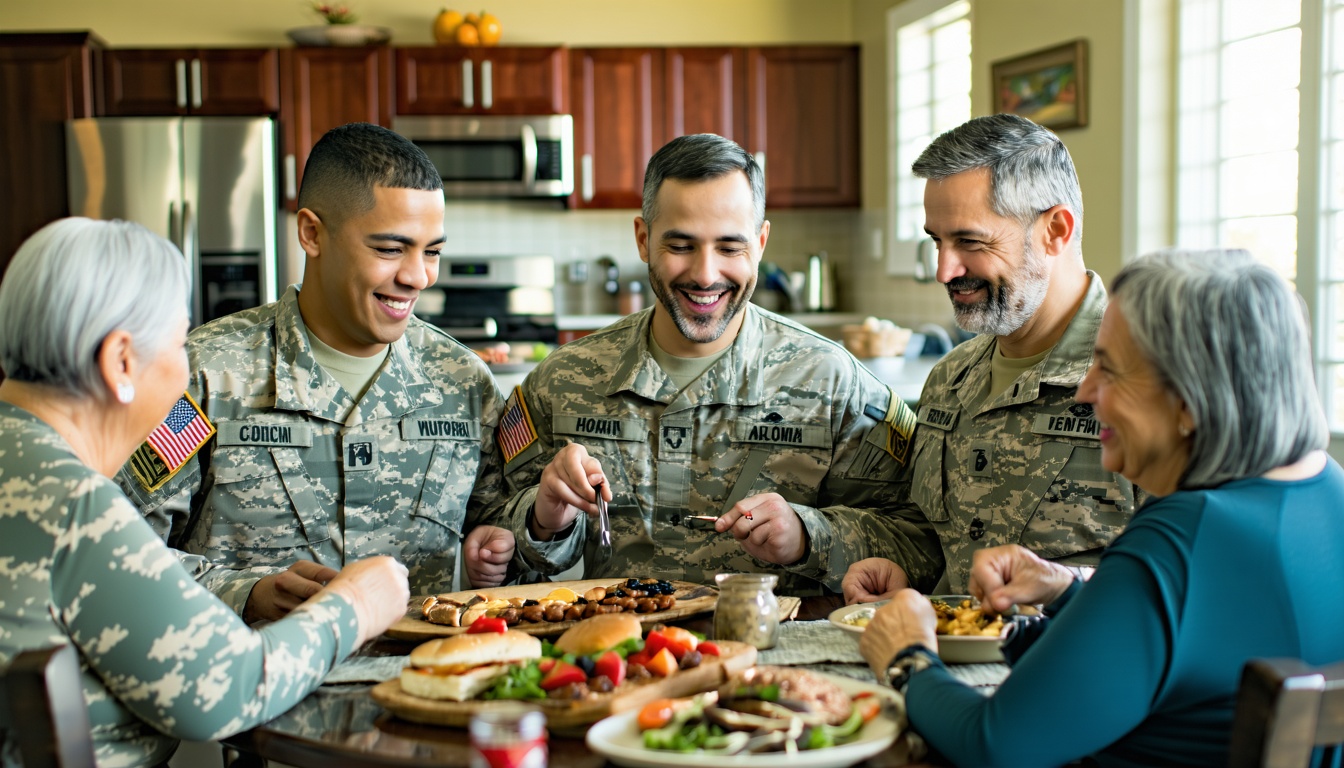
You may be facing uncertainty as you transition from military service back into civilian life. A transitional housing program for veterans offers you a structured path to stability by combining safe accommodations with comprehensive support services. With options like rent-free homes, financial education, case management, and mental health care, you can focus on rebuilding your life and preparing for permanent housing.
In this guide, you’ll learn what a transitional housing program for veterans entails, who qualifies, the key features and costs, and how these services integrate with reentry and community support. You’ll also see real-world outcomes and practical steps to apply. By understanding these programs, you can take confident strides toward lasting stability and wellbeing.
Understanding transitional housing program
Defining the concept
A transitional housing program for veterans serves as an intermediate step between homelessness or unstable living situations and permanent housing. These programs provide temporary, supportive residences—often rent-free or low-cost—while equipping you with the tools needed to achieve self-sufficiency. Services typically include financial literacy classes, employment coaching, mental health counseling, and individualized goal planning.
Program duration and scope
Most transitional housing initiatives span from several months up to three years. For example, Operation Homefront’s Transitional Homes for Veterans (THV) program offers rent-free homes for two to three years, with fees refunded upon successful completion [1]. VOA Southeast’s transitional housing allows stays of up to two years, although most veterans transition in 9–12 months [2]. These timeframes give you the space to stabilize your finances, address personal goals, and build connections within your community.
Who qualifies for transitional housing
Veteran eligibility criteria
To join programs like THV, you must be a veteran within 10 years of discharge, or the spouse or dependent of a qualifying veteran. Other initiatives, such as VOA Southeast, accept veterans experiencing homelessness or at severe risk of homelessness. You may need to demonstrate your discharge status, income level, and housing history during the application process.
Area connection requirement
Many programs require a proven connection to the community where you apply. This could include family ties, existing employment, school enrollment, or other meaningful local relationships. The goal is to ensure you can integrate successfully into the area and access long-term resources once you complete the program.
Key features of these programs
Housing and financial support
- Rent-free or reduced-cost lodging
- Personalized financial counseling and budgeting workshops
- Refundable monthly fees after program completion
Case management services
- Dedicated caseworker to create and track your goals
- Assistance with benefit enrollment and documentation
- Coordination with healthcare, legal, and vocational providers
Specialized therapies
- Mental health counseling for PTSD, depression, and anxiety
- Substance use counseling and relapse prevention
- Peer support groups and group therapy sessions
By combining stable housing with comprehensive support, these programs address your unique needs and lay the foundation for long-term success.
Comparing major programs
| Program | Housing type | Duration | Services |
|---|---|---|---|
| Transitional Homes for Veterans (THV) | Rent-free family homes | 2–3 years (refundable) | Financial education, case management, goal planning |
| VOA Southeast transitional housing | Temporary apartments | Up to 2 years (avg 9–12 mo) | Case management, mental health support, Section 8 transition |
| Grant and Per Diem (GPD) program | Transitional beds | Variable | Supportive services, skill development |
| HUD-VASH | Permanent voucher housing | Indefinite | Rental assistance, VA case management |
| Supportive Services for Veteran Families (SSVF) | Rapid re-housing | Short term | Housing search aid, supportive services |
Transitional Homes for Veterans (THV)
Offered by Operation Homefront, THV provides rent-free homes with assigned caseworkers and financial counselors. Families pay a refundable fee, cover utilities and routine maintenance, and work toward goals like credit improvement and debt payoff.
VOA Southeast’s program
VOA Southeast’s Transitional Housing Program helps homeless or at-risk veterans secure temporary housing while they connect with permanent solutions. You’ll work with a caseworker on mental health, substance use, and employment support, and may access Section 8 vouchers for long-term housing.
VA grant and voucher programs
The VA’s Grant and Per Diem (GPD) program awards grants to nonprofits and agencies to offer transitional beds with supportive services. HUD-VASH merges rental assistance from HUD with VA case management, while SSVF provides rapid re-housing and prevention services to help veterans maintain stable housing.
Financial and practical considerations
Monthly fees and refunds
Programs like THV require a modest monthly fee, which is refunded once you complete the 2–3 year commitment. This structure encourages accountability and ensures you work steadily toward self-sufficiency.
Utility and maintenance responsibilities
While housing costs are covered, you’ll typically handle utility bills, routine maintenance, and landscaping. Operation Homefront addresses major repairs, allowing you to focus on financial planning and personal goals.
Integrating reentry and community support
Housing for ex-offenders
If you’re navigating reentry after incarceration, you can access specialized options such as a reentry housing program for individuals post-incarceration or a reentry program for ex offenders. These services blend housing with legal aid, counseling, and peer mentorship to ease your transition.
Life skills and employment services
Many veterans benefit from combined supportive housing and workforce readiness. You might engage in a job readiness program for people in recovery or join a supportive housing with life skills training track. In addition, case management services for recovery clients ensure your housing plan aligns with career and educational goals.
Impact on veteran stability
Housing outcomes data
According to the 2022 data from the National Alliance to End Homelessness, 582,462 people were experiencing homelessness, with roughly 6% being veterans [3]. Veteran homelessness increased by 7.4% in 2023, with 15,507 veterans without stable housing. These figures underscore the critical role transitional housing plays in preventing homelessness.
Psychological and social benefits
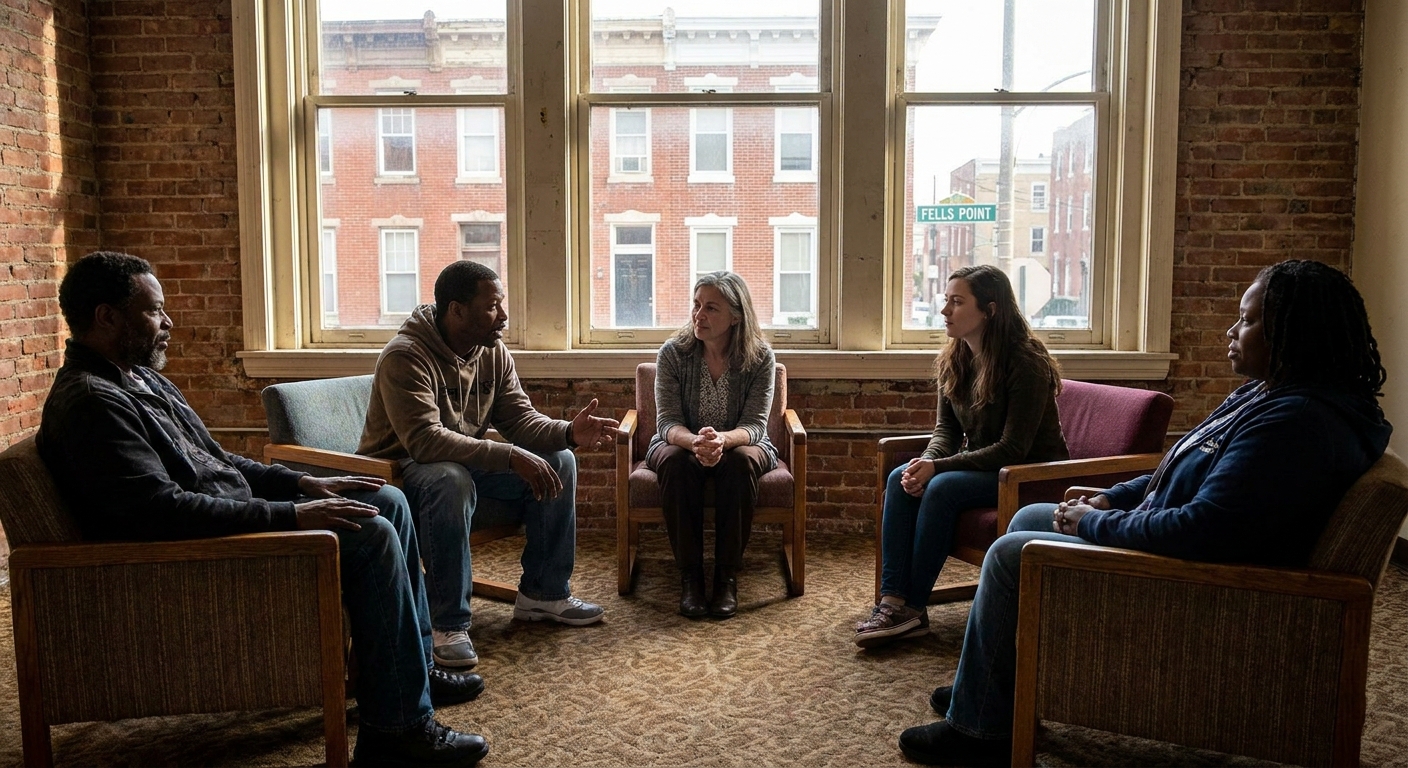
Stable housing boosts mental health, self-esteem, and community reintegration. By providing a safe environment, these programs help you manage PTSD, depression, or anxiety and rebuild social networks. You can engage in community activities, volunteer, or attend support groups that foster a sense of belonging.
Program outcomes and success rates
Vocational services effect
Veterans who use VA vocational services within their first year in permanent supportive housing are 2.52 times more likely to secure housing compared to peers who do not (OR = 2.52, 95% CI = 1.59–4.01, p < 0.001) [4]. This highlights the value of integrating employment support with housing.
Demographic insights
Research indicates older veterans are more likely to attain stable housing and less likely to exit programs prematurely. Surprisingly, non-Hispanic Black and Hispanic veterans tend to achieve housing outcomes at higher rates than their White counterparts, despite systemic discrimination. Veterans with serious mental illness or substance use disorders may face additional hurdles, emphasizing the need for tailored support.
How to apply and next steps
Finding local programs
Start by visiting Operation Homefront’s THV page or contacting VOA Southeast to explore vacancies. Your local VA Homeless Programs office can guide you toward GPD, HUD-VASH, or SSVF options. Landlords can also partner with HUD-VASH and SSVF; you may refer housing providers to your local public housing authority for NSPIRE inspections.
Application process
Gather documentation of your veteran status, discharge papers, income details, and housing history. Reach out to the National Call Center for Homeless Veterans at 877-424-3838 for immediate assistance. Caseworkers will help you complete applications, schedule interviews, and set up personalized service plans.
Additional support resources
Related housing programs
- Supportive housing with mental health services
- Transitional housing for addiction recovery
- Community support services for recovery
- Housing assistance for people in recovery
Peer and clinical services
- Supportive housing with peer support
- Behavioral health supportive housing services
- Supportive housing program for dual diagnosis
- Supportive housing with addiction services included
Conclusion and call to action
By choosing a transitional housing program tailored to veterans, you’re taking a vital step toward long-term stability. These programs offer more than a roof over your head—they provide the guidance, education, and support you need to rebuild your life. Reach out today to explore your options, connect with case managers, and start crafting your personalized plan for self-sufficiency. Your path to secure, empowered living begins now.