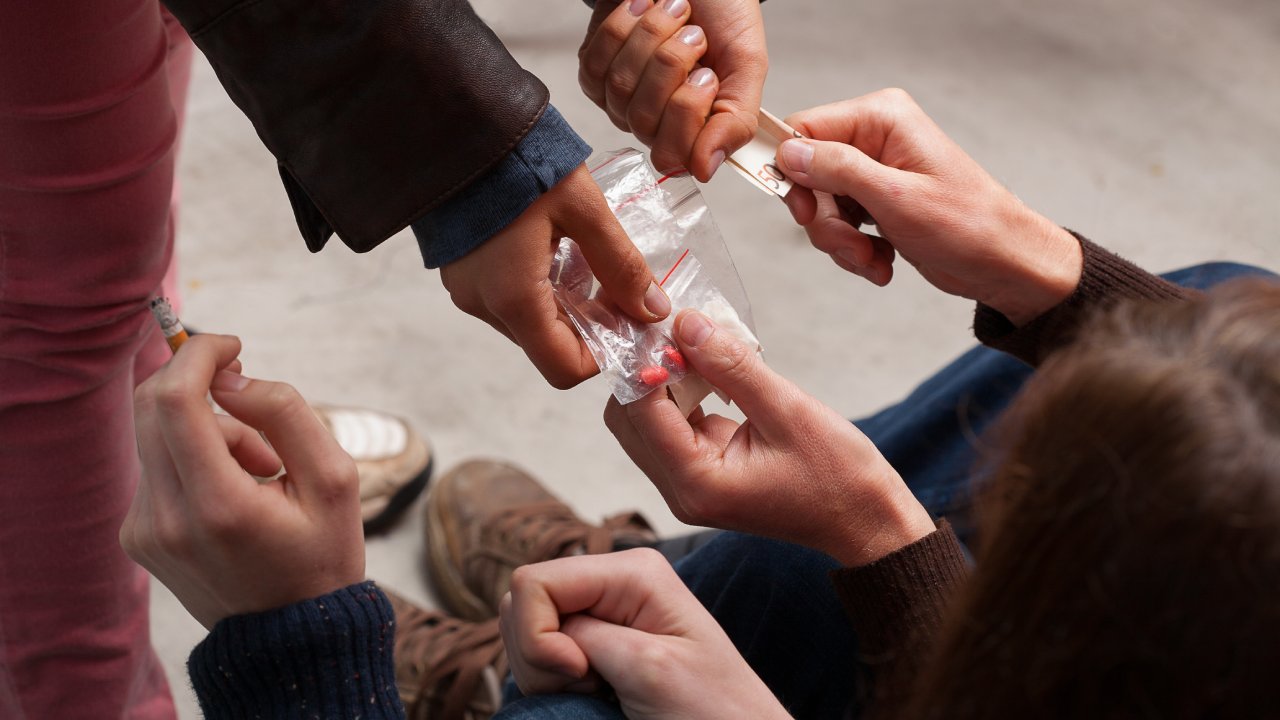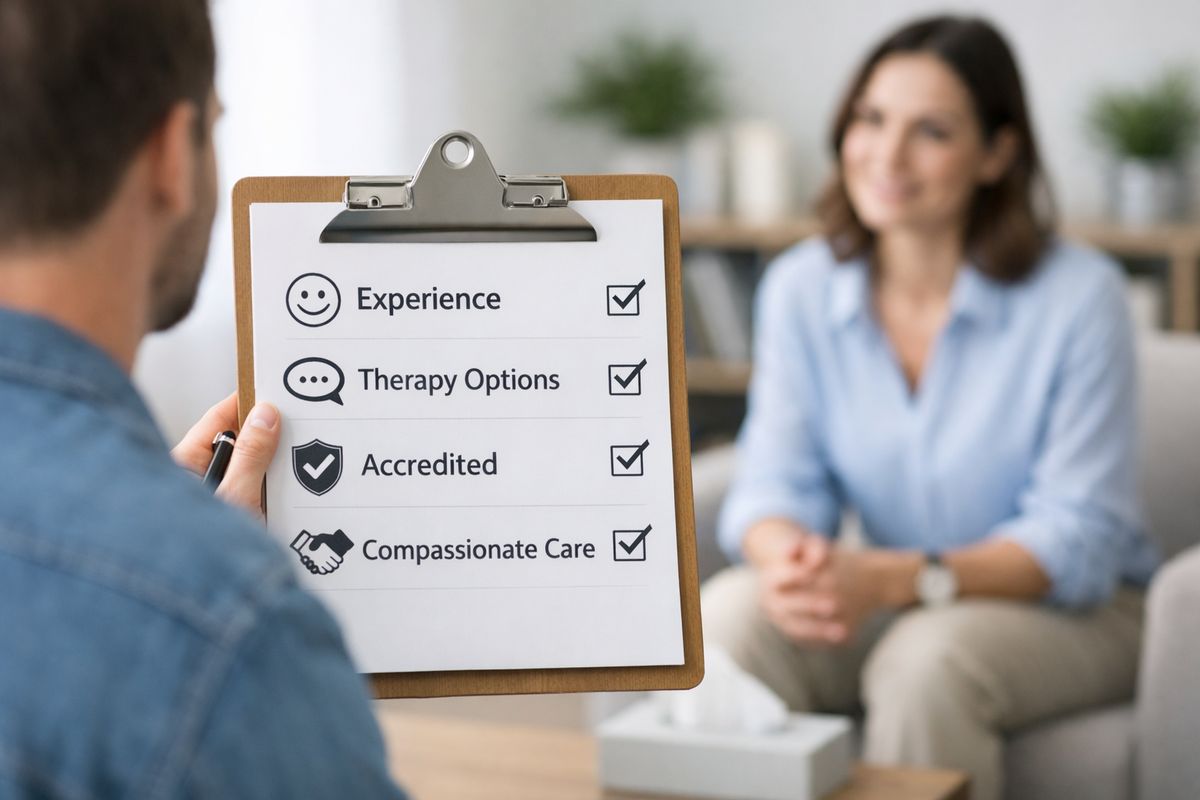

If you’re considering an opioid detox program, you might feel uncertain about what comes next. Understanding how detoxification works, which medications ease withdrawal, and how you will transition to ongoing care can help you gain confidence on your recovery path. In 2020, the SAMHSA National Helpline received 833,598 calls, marking a 27 percent increase from 2019 [1]. This surge highlights a growing demand for timely, effective treatment options, often starting with a medically supervised detox.
Below, you’ll find a clear overview of what to expect in an effective opioid detox program. You’ll learn about the goals of detoxification, common withdrawal symptoms, FDA-approved medications, care settings, and the support services that can help you move smoothly into the next phase of recovery.
Understanding opioid detox
What is detoxification
Detoxification refers to the process of clearing opioids and their byproducts from your body while managing the uncomfortable symptoms of withdrawal. It serves as the first critical step on the path to sobriety.
Key stages of opioid detox:
- Evaluation: A clinical assessment of your physical health, substance use history and co-occurring conditions
- Stabilization: Introduction of medications and supportive care to control withdrawal symptoms
- Transition planning: Developing a plan for ongoing treatment once withdrawal subsides
Goals of detox program
An effective opioid detox program focuses on safety, comfort and laying the groundwork for long-term recovery. When you enter a detox setting, you can expect staff to pursue these primary objectives:
- Minimize risks: Monitor vital signs and intervene quickly to prevent complications
- Relieve discomfort: Use FDA-approved medications to reduce cravings and physical symptoms
- Prepare for next steps: Connect you with counseling, medication-assisted treatment and aftercare services
By achieving these goals, you gain physical stability and an early support network that guides you into ongoing care.
Recognizing withdrawal symptoms
Timeline of withdrawal
Opioid withdrawal varies in intensity and duration depending on the substance’s half-life and your use history. Symptoms can feel similar to a severe flu but are rarely life-threatening.
Typical withdrawal timeline [2]:
- Short-acting opioids (heroin, oxycodone):
• Onset: 8–12 hours after last dose
• Peak: Days 1–3
• Duration: Up to 7 days - Long-acting opioids (methadone):
• Onset: 24–36 hours after last dose
• Peak: Days 2–4
• Duration: Up to 14 days or longer
Monitoring severity
Regular assessment of your withdrawal symptoms ensures timely adjustments to your care plan. Clinicians often use tools like the Short Opioid Withdrawal Scale (SOWS) to rate symptoms such as nausea, anxiety and muscle aches.
You may be checked 3–4 times daily to:
- Track vital signs (heart rate, blood pressure, temperature)
- Grade symptom severity with standardized scales
- Adjust medications like buprenorphine or clonidine as needed
Consistent monitoring reduces complications and supports a more comfortable detox experience.
Exploring medication options
Several FDA-approved medications can help you stop or reduce opioid use, treat withdrawal symptoms and curb cravings without triggering intense euphoria [3]. The table below summarizes key agents used during detox.
| Medication | Classification | Administration | Primary purposes |
|---|---|---|---|
| Methadone | Full opioid agonist | Daily oral dose | Reduce cravings, manage withdrawal from longer-acting opioids |
| Buprenorphine | Partial opioid agonist | Sublingual or film | Alleviate withdrawal, decrease opioid use |
| Naltrexone | Opioid receptor antagonist | Monthly injection or oral | Block opioid effects |
| Lofexidine | α2-adrenergic agonist | Oral | Alleviate physical withdrawal symptoms |
Methadone and buprenorphine
Methadone has been used for over 50 years to treat opioid use disorder, reducing withdrawal symptoms and cravings with less intense euphoria than heroin [3]. It must be dispensed through approved opioid treatment programs.
Buprenorphine can be prescribed by qualified doctors, nurse practitioners and physician assistants in office-based settings. Telehealth has expanded access to buprenorphine, making it easier to start treatment right away. You typically begin buprenorphine once you show mild withdrawal signs, usually 8–24 hours after your last opioid dose [4].
Naltrexone and lofexidine
Naltrexone works by blocking opioid receptors, preventing any pleasurable high if you relapse. Its extended-release shot is given once a month and can be prescribed by any healthcare provider.
Lofexidine is approved for short-term management of opioid withdrawal symptoms. It does not treat the underlying opioid use disorder but can ease sweating, anxiety and muscle aches during the acute phase [3].
Choosing your detox setting
Medical detox environment
A hospital or specialized detox center provides 24-hour medical oversight, ensuring your safety if complications arise. You’ll have access to clinicians who can adjust medications, monitor cardiac function and manage severe symptoms. For structured care, consider a medically managed detox for substance abuse program or an opioid addiction detox center.
Outpatient versus residential
Outpatient services allow you to return home each day, which may suit those with strong support networks and mild withdrawal risk. Explore outpatient drug detox services if you need flexibility.
Residential detox offers a controlled environment free of triggers, with round-the-clock supervision and peer support. You might opt for residential detox for substance abuse if your home setting poses relapse risks.
Low barrier care
Low barrier models reduce obstacles to starting treatment, such as strict admission criteria or frequent in-person visits. These approaches improve engagement by focusing on your unique circumstances and can be part of a broader medication assisted opioid treatment strategy.
Supporting your recovery journey
Counseling and peer support
Emotional support is vital during and after detox. Individual and group therapy help you process triggers, build coping skills and reduce relapse risk. Look for programs that include detox program with counseling support and detox program with peer support to enhance connection and accountability.
Transitioning to ongoing care
Detox alone rarely leads to lasting abstinence. You’ll need a clear plan for next steps, such as medication assisted treatment program or a suboxone clinic for opioid addiction. Ideally, your detox provider will coordinate referrals to inpatient or outpatient rehab, ensuring continuity of care.
Aftercare planning
Solid aftercare planning reduces the chance of relapse. Your team should help you:
- Identify support groups and community resources
- Set up follow-up appointments with therapists and prescribing clinicians
- Develop coping strategies for stress and cravings
Residential programs often include residential detox with aftercare planning services to streamline this process.
Preparing for detox admission
Assessment and admission process
Before admission, you’ll undergo a comprehensive evaluation:
- Physical exam and vital signs
- Lab tests to assess liver and kidney function
- Screening for co-occurring mental health disorders
- Review of your substance use history
This assessment guides medication choices and level of care.
What to bring
To ensure a smooth admission, pack:
- Photo ID, insurance card and payment method
- List of current medications and dosages
- Comfortable clothing, toiletries and eyeglasses
- A small notebook for journaling or questions
Most facilities provide linens and basic toiletries, so avoid bringing valuables.
Getting started after detox
Medication-assisted treatment
Continuing medication after detox supports long-term recovery by normalizing brain chemistry and blocking opioid effects [5]. Options include:
- Suboxone (buprenorphine/naloxone) in an outpatient suboxone program
- Methadone maintenance through specialized clinics
- Monthly naltrexone injections
Explore a best suboxone treatment program or a suboxone maintenance treatment program to find the right fit.
Long-term recovery strategies
Sustainable recovery blends medical, psychological and social supports:
- Ongoing therapy for trauma, depression or anxiety
- Peer recovery groups such as Narcotics Anonymous
- Lifestyle changes, including exercise, nutrition and mindfulness
- Vocational or educational goals to rebuild purpose
Engaging a comprehensive drug and alcohol detox program that offers dual-diagnosis care can address both addiction and mental health needs.
By knowing what to expect in an opioid detox program—how detox works, which medications you may receive and the environment that best suits you—you can approach this crucial first step with clarity and confidence. If you’re ready to begin, reach out to a qualified detox provider today to discuss your options and start on the path to lasting recovery.
References
- (SAMHSA)
- (American Addiction Centers)
- (NIDA)
- (NCBI Bookshelf)
- (SAMHSA)