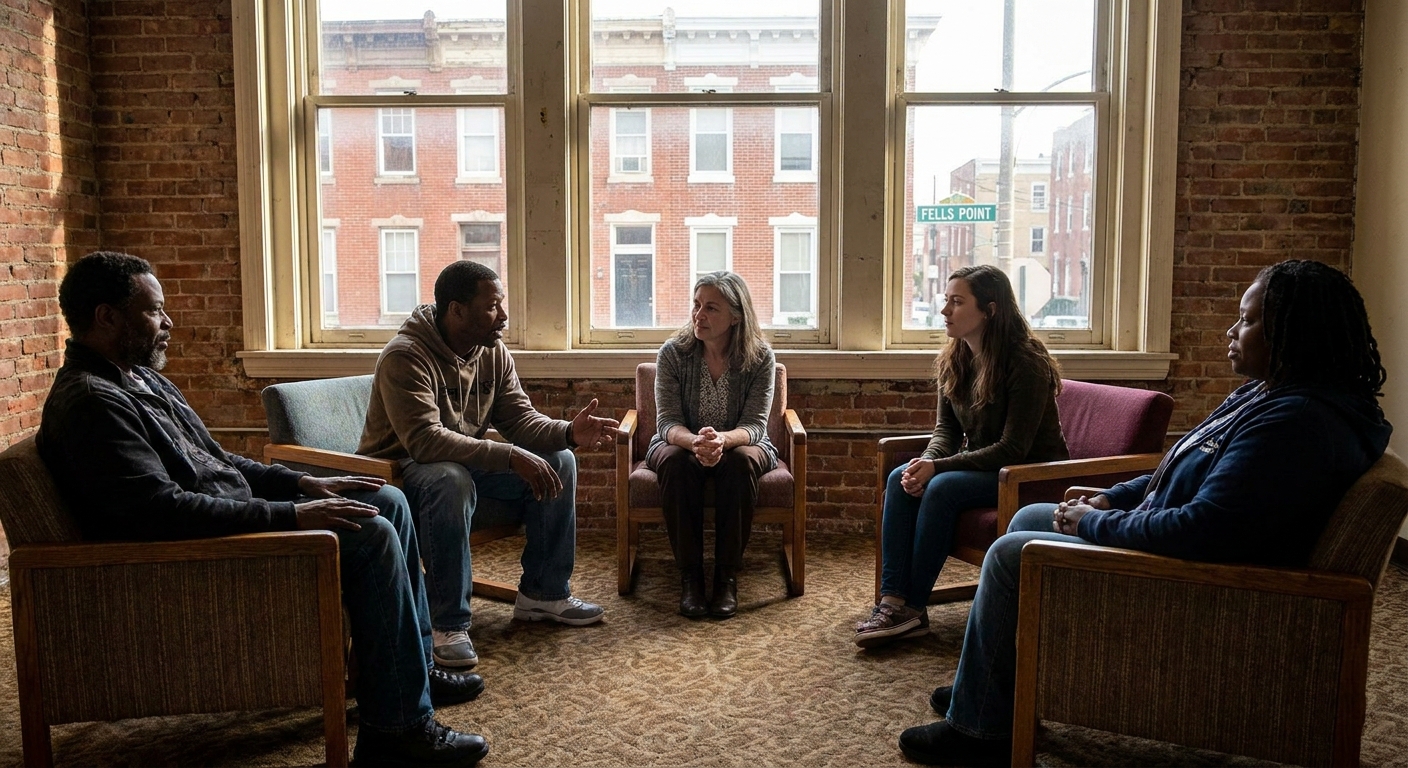

Understand supportive housing
When you face challenges like unstable housing, mental health concerns, or reentry after incarceration, finding a stable living environment can be crucial for your recovery. Supportive housing with mental health services combines safe accommodation and professional care so you can rebuild your life. These programs recognize that housing is more than a roof over your head—it’s the foundation for improved well-being and long-term stability.
Research has documented the severe toll that homelessness can take on mental health. Individuals without stable housing often report higher rates of depression, suicidal thoughts, trauma, substance misuse, and even traumatic brain injuries [1]. By providing permanent or transitional residences alongside clinical support, you gain the stability needed to address these issues and focus on recovery.
What supportive housing includes
Supportive housing programs vary, but most share these core components:
- Safe, affordable housing
Independent apartments or shared units with rent capped at 30 percent of your income to cover other essentials like groceries and health care [2] - Onsite or mobile mental health care
Therapy, medication management, crisis intervention, and psychiatric evaluations - Case management
A coordinator who helps you navigate benefits, medical appointments, and community resources - Peer support
Connections with individuals who share lived experience and offer encouragement - Life skills training
Workshops on budgeting, cooking, job search, and interpersonal communication
Why stability matters
When you have a stable address, you can:
- Attend regular therapy sessions without transportation barriers
- Keep medications properly stored and monitored
- Build a daily routine that supports mental wellness
- Foster social connections and reduce isolation
Overall, supportive residences act as a springboard—once your basic needs are met, you can engage more fully with treatment, work, education, and family life.
Explore mental health services
Many supportive housing programs integrate clinical and peer-based services. This dual approach ensures that you receive both professional treatment and encouragement from people who have navigated recovery themselves.
Integrated clinical support
In these programs, you work with licensed professionals to:
- Undergo individual therapy, such as cognitive behavioral therapy (CBT)
- Participate in group counseling for shared coping strategies
- Receive medication management for conditions like depression, bipolar disorder, or PTSD
- Access crisis intervention teams for urgent mental health needs
Clinical services can be onsite or delivered through partnerships with local clinics. If you’re transitioning from inpatient care, community mental health and housing support can bridge the gap between hospital discharge and independent living.
Peer and community support
Beyond clinical care, peer support specialists—individuals in stable recovery—offer:
- Mentorship and accountability
- Assistance in navigating daily challenges
- Facilitation of mutual-support groups
Joining a peer community helps you feel understood and less alone. Programs like supportive housing with peer support foster connections that reinforce resilience and hope.
Discover life stabilization services
Stabilization services equip you with practical skills to thrive. Alongside housing and therapy, you often find:
Case management
A case manager serves as a central point of contact, helping you:
- Apply for benefits and insurance
- Schedule medical and mental health appointments
- Coordinate transportation and childcare
- Connect with employment and education services
This personalized guidance ensures you don’t fall through the cracks. Learn more about tailored support in case management services for recovery clients.
Life skills training
Programs typically offer workshops on:
- Financial budgeting and rent management
- Cooking and nutrition
- Time management and goal setting
- Conflict resolution and communication
By mastering these basics, you gain confidence in your ability to live independently. Check out options in supportive housing with life skills training.
Job readiness
Securing employment is a key step toward stability. Many programs include:
- Resume writing and interview coaching
- Job placement assistance
- Vocational workshops
If you need specialized support, explore our job readiness program for people in recovery.
Compare housing models
Supportive housing comes in different forms. Understanding their features helps you choose the right path.
| Model | Housing access | Support intensity | Key benefit |
|---|---|---|---|
| Housing First | Immediate independent | Flexible, client-driven | High retention—88 percent housing stability [3] |
| Critical Time Intervention (CTI) | Time-limited, community-based | Intensive during transition month | Reduces risk of homelessness after discharge [1] |
Housing First approach
Originating in New York City, Housing First offers immediate access to an independent apartment without preconditions like sobriety or therapy. Clients in these programs saw an 88 percent reduction in homelessness and a 41 percent rise in housing stability compared to traditional models [3]. Additional benefits include fewer hospitalizations and improved quality of life.
Critical Time Intervention
CTI focuses on people leaving institutions—hospitals, prisons, or shelters. For nine months, you receive intensive, time-sensitive support to:
- Secure housing
- Build a support network
- Link to community resources
This model prevents the “cliff” effect that often follows discharge, reducing your risk of returning to homelessness.
Navigate reentry programs
If you’re returning to the community after incarceration, specialized reentry housing bridges the gap between jail or prison and independent living. These programs blend supportive housing with services tailored for ex-offenders.
Housing options for ex-offenders
- Transitional apartments with onsite supervision
- Sober living that pairs housing and addiction counseling [4]
- Dedicated reentry residences for veterans [5]
Such settings balance structure and freedom so you can rebuild trust and reintegrate safely.
Family reintegration
Reconnecting with loved ones can be both joyful and challenging. Programs like program for family reintegration and recovery help you:
- Reestablish healthy relationships
- Navigate custody or visitation issues
- Access family therapy and parenting classes
Support for families ensures that your return home is sustainable and healing.
Choose the right program
Selecting the best supportive housing environment means matching services to your needs.
Assess your needs
Consider factors such as:
- Mental health diagnosis or co-occurring disorders [6]
- History of substance misuse or addiction
- Need for job training or educational support
- Family or veteran status
Each profile benefits from programs designed with those challenges in mind.
Evaluate program features
When comparing options, look for:
- Clinical care: Onsite therapists, medication management
- Peer support: Group meetings, mentorship
- Life skills: Workshops on budgeting, cooking, wellness
- Employment services: Resume help, placement support
- Case management: Personalized coordination of benefits and services
You might also explore specialized tracks like sober living and supportive housing program or reentry housing program for individuals post-incarceration depending on your circumstances.
Next steps and resources
Taking action brings you one step closer to stability. To get started:
- Reach out to local community mental health agencies or housing authorities
- Ask about programs that match your profile—whether you need dual-diagnosis support, veteran housing, or family services
- Apply early, as slots fill quickly
Additional resources:
- National Alliance on Mental Illness: guidelines for affordable housing costs [2]
- United Nations Sustainable Development Goals: global initiatives for safe, affordable housing by 2030 [1]
For more targeted support, explore our rehousing and reentry support services and connect with peers in community support services for recovery. With the right combination of housing and mental health care, you can lay the groundwork for lasting recovery and reclaim control of your future.