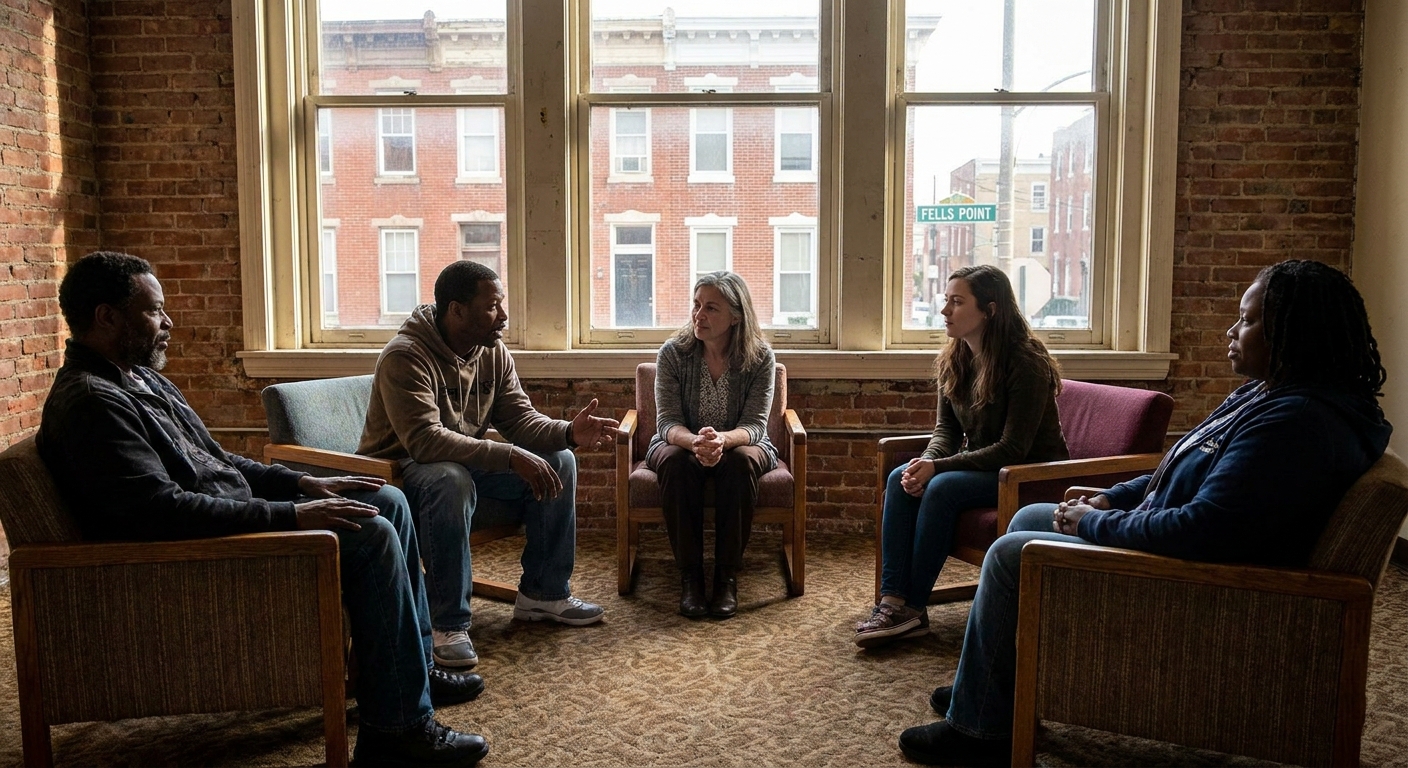

Understand supportive housing
You’ve taken crucial steps toward recovery, and finding stability outside treatment can make all the difference. A supportive housing program for recovery combines safe, affordable living with tailored services that address your ongoing needs. By offering a structured environment alongside case management, counseling, and life skills training, these programs help you maintain sobriety, improve your mental health, and strengthen community ties.
Supportive housing models focus on more than just a roof over your head. They recognize that long-term recovery requires:
- Stable, permanent housing that you control
- Access to behavioral health supportive housing services (/behavioral-health-supportive-housing-services)
- Integrated support for mental health, substance use, and daily living
- Opportunities for peer connection and shared accountability
As a result, you gain not only housing security but also the support necessary for lasting recovery.
Compare housing options
When exploring living arrangements, you’ll encounter several models that blend housing and recovery services. Reviewing their features can help you choose the right fit.
| Housing model | Duration | Key features | Eligibility |
|---|---|---|---|
| Permanent supportive housing | No time limit | Affordable rent, on-site case management, health support | Chronic homelessness, high-needs clients |
| Transitional housing | 6–18 months | Structured environment, life skills training | Those leaving inpatient rehab |
| Sober living homes | 166–254 days average[1] | Peer support, substance-free residence | Early recovery, voluntary participation |
| Shared supportive housing with peers | Variable | Communal living, peer mentoring | Individuals seeking mutual accountability |
Depending on your needs—whether you require a permanent address or a short-term stepping stone—you can select between transitional housing for addiction recovery, sober living and supportive housing program, or residential housing for addiction treatment step down.
Examine stabilization services
Life stabilization services are the backbone of supportive housing. By addressing practical and emotional needs, they empower you to focus on recovery goals.
- Case management
- Create an individualized plan with case management services for recovery clients
- Coordinate medical, behavioral health, and social services
- Peer support groups
- Build connections through supportive housing with peer support
- Share experiences and learn coping strategies
- Mental health counseling
- Access individual or group therapy within supportive housing with mental health services
- Address co-occurring disorders in a safe setting
- Life skills and employment readiness
- Participate in supportive housing with life skills training
- Join a job readiness program for people in recovery
- Addiction counseling
- Engage in evidence-based interventions through housing program with addiction counseling
- Learn relapse prevention, stress management, and healthy routines
These services work together to reduce housing instability, enhance well-being, and increase your chances of long-term success.
Navigate reentry programs
If you’re rebuilding your life after incarceration, you may need specialized support to secure housing and employment. Reentry programs help you transition safely while minimizing barriers to stability.
Key options include:
- Reentry program for ex offenders (/reentry-program-for-ex-offenders)
- Reentry housing program for individuals post-incarceration (/reentry-housing-program-for-individuals-post-incarceration)
- Combined housing and reentry support services (/housing-and-reentry-support-services)
- Sober living and reentry housing program (/sober-living-and-reentry-housing-program)
These initiatives often connect you with legal aid, vocational training, and peer mentors who understand your unique challenges.
Review program outcomes
Evidence shows that supportive housing can transform lives by breaking cycles of homelessness, substance use, and crisis interventions.
• Fewer days in homelessness for individuals in permanent supportive housing compared to usual care, leading to long-term stability [2].
• Improved health outcomes, including reduced emergency department use and hospital stays for high-needs residents [2].
• Enhanced mental and physical health, employment, and school attendance for participants in supportive housing initiatives [3].
• Cost savings equal to or better than crisis-driven approaches by lowering public expenditures on shelters, hospitals, and jails [3].
By choosing a supportive housing option, you invest in a program proven to reduce relapse, increase self-sufficiency, and foster a safer community environment.
Select a supportive provider
When evaluating providers, consider these criteria to ensure you find the right match:
- Accreditation and licensing
- Comprehensive behavioral health supportive housing services (/behavioral-health-supportive-housing-services)
- Availability of peer support and life skills training
- On-site case managers and clinical staff
- Programs for dual diagnosis (/supportive-housing-program-for-dual-diagnosis)
- Employment and vocational support options
- Accessible location and transportation links
Visiting potential sites and talking with current residents can give you insight into daily life and program culture.
Plan your path forward
Taking the next steps brings you closer to a stable, fulfilling recovery journey. You can:
- Reach out for initial assessments or tours.
- Connect with a case manager to discuss eligibility.
- Explore financial assistance through housing assistance for people in recovery.
- Engage in community resources like community support services for recovery.
By choosing supportive housing, you’re creating a foundation for lasting change. Embrace this opportunity to rebuild your life with the stability, services, and support you deserve.