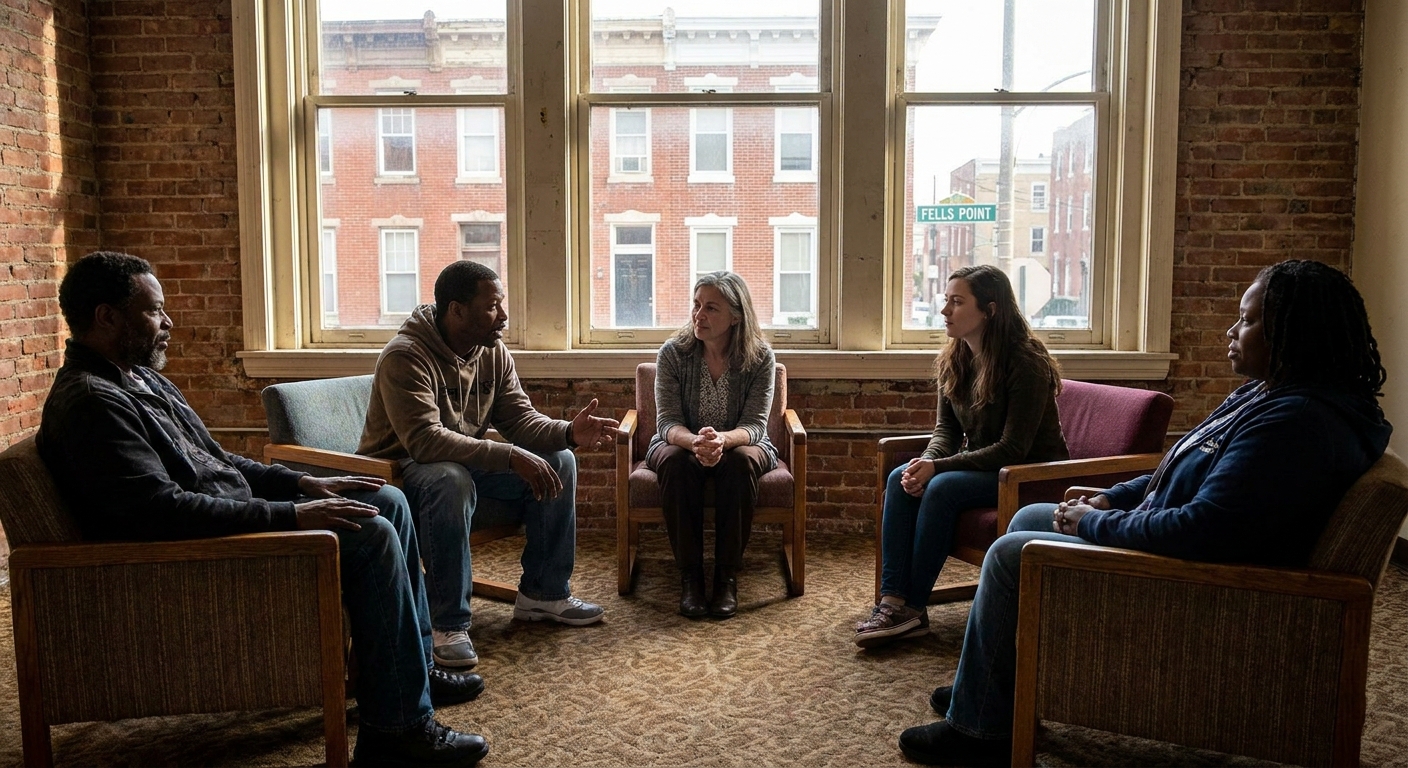

Understand sober living basics
When you are exploring a sober living and supportive housing program, you seek more than just a roof over your head. You want a supportive environment that bridges the gap between intensive treatment and independent living. A well-structured program offers the stability and accountability you need to maintain sobriety, rebuild daily routines, and prepare for life beyond recovery walls.
What are sober living homes?
Sober living homes are alcohol- and drug-free residences for individuals who have completed or are engaged in an addiction treatment program. They operate with minimal formal therapy but emphasize peer support, shared responsibility, and daily structure. In these homes, you follow house rules—such as curfews and meeting attendance—and contribute to chores and community activities. Research shows that living in these settings reduces feelings of isolation, fosters accountability, and lowers relapse rates compared to moving directly into independent living after treatment [1].
Key benefits of supportive housing
Supportive housing goes beyond sober living by integrating additional services like case management, mental health support, and job readiness training. You gain access to:
- A stable, sober living environment with peer accountability
- Life skills development through chores, meetings, and coaching [1]
- Connections to community resources—therapy, employment services, and family health programs
- Transitional support that reduces the risk of relapse and homelessness
These tailored programs help you rebuild confidence and independence while ensuring you have the support necessary for lasting recovery.
Compare housing models
Understanding different housing options helps you choose the setting best suited to your needs. Below are common models you might encounter.
Sober living homes vs halfway houses
| Feature | Sober living homes | Halfway houses |
|---|---|---|
| Treatment requirement | No formal therapy required | Mandatory participation in treatment programs |
| Oversight level | Low to moderate | High |
| Length of stay | Flexible (30 days or longer) | Typically 3–6 months |
| Peer support emphasis | Strong | Present alongside clinical oversight |
| Suitable for | Individuals seeking autonomy | Those transitioning from incarceration or rehab |
Halfway houses often serve people leaving incarceration or intensive residential care. They enforce stricter rules but provide closer clinical supervision. Sober living homes grant more autonomy but rely on self-responsibility within a peer community.
Transitional housing options
Transitional housing for recovery may include specialized programs such as transitional housing for addiction recovery or transitional housing program for high acuity clients. These often blend elements of therapy, skill-building, and safe housing:
- Structured therapy sessions
- Life skills and financial coaching
- Job readiness preparation
- Case management check-ins
By comparing models, you can match your current stage of recovery and personal needs with the right supportive housing solution.
Evaluate program components
When assessing a program, look for features that foster stability, personal growth, and community integration. Key components include routines, peer support, skill development, and professional guidance.
Structured routines and accountability
A predictable daily schedule helps you rebuild healthy habits. Typical elements are:
- Morning check-ins and house meetings
- Assigned chores and shared responsibilities
- Curfews and accountability logs
- Required attendance at support group meetings
Research indicates that structured environments with consistent routines contribute to lower relapse rates and better social outcomes [2].
Peer support and community
Living among peers on a similar journey reduces isolation and fosters motivation. Benefits include:
- Sharing experiences and coping strategies
- Mutual encouragement when facing triggers
- Social activities—family-style meals, outings, group recreation
- 12-step or peer-led meetings within the home
A strong peer network is a core principle in many sober living philosophies, driving improvements in substance use, employment, and mental health [3].
Life skills and employment readiness
Developing practical skills increases your chances of sustaining long-term recovery. Programs often offer:
- Financial literacy and budgeting workshops
- Job readiness training and resume assistance [4]
- Time management and goal-setting exercises
- Transportation support to work or educational programs
Building competence in these areas promotes independence and self-esteem.
Case management services
Professional case managers coordinate your care and connect you with resources. Typical services include:
- Individualized recovery planning [5]
- Referrals to mental health or medical providers
- Assistance with government benefits and housing applications
- Crisis intervention and ongoing support
This comprehensive care ensures you don’t navigate complex systems alone.
Check eligibility and admission
Before applying, understand program prerequisites and the intake process.
Qualifying criteria
Most sober living and supportive housing programs require you to:
- Demonstrate a period of abstinence (often 30 days)
- Participate in a detox or residential treatment program
- Commit to house rules and community guidelines
- Be willing to engage in recovery-oriented activities
Specialized programs may focus on dual diagnosis or high-acuity clients [6].
Intake process
- Research potential homes and programs online or through referrals
- Complete an application or questionnaire assessing your recovery history
- Attend a phone or in-person interview to discuss goals and fit
- Provide documentation—treatment records, identification, proof of income or insurance
- Receive a formal admission offer and move-in date
Honesty and transparency during intake help match you with the environment most likely to support your success.
Explore cost and funding
Understanding financial aspects ensures you find a program that fits your budget and access funding when needed.
Cost comparison
| Program type | Typical cost |
|---|---|
| 30-day residential rehab | \$6,000–\$30,000 |
| Sober living home | \$500–\$2,000 per month |
| Supportive housing (with services) | \$800–\$2,500 per month |
Sober living homes are often more affordable than intensive rehab, making them a viable option for extended support post-treatment [7].
Financial assistance
You may qualify for:
- Medicaid or Medicare coverage for case management and mental health services
- HUD-funded housing vouchers and grants [8]
- Nonprofit grants or sliding-scale fees
- State or local reentry housing supports
Discuss payment plans and assistance options with your case manager to maximize access.
Access reentry programs
If you are transitioning from incarceration or military service, specialized supportive housing can ease your reintegration.
Support for veterans
Transitional housing programs for veterans combine sober living with targeted services:
- Veterans’ benefits counseling
- Trauma-informed therapy
- Peer support from fellow veterans
- transitional housing program for veterans
These programs respect your service and address unique challenges like PTSD.
Housing for ex offenders
Reentry housing programs help you rebuild community ties and reduce recidivism:
- Structured living with curfews and accountability
- Job readiness and legal support [9]
- Family reintegration services
- sober living and reentry housing program
Studies link stable housing with lower relapse and reoffense rates, underlining the value of these supports.
Choose and prepare
Making an informed choice and planning your transition sets the stage for success.
Key questions to ask
When touring or interviewing programs, inquire about:
- Occupancy rates and house capacity [2]
- Expected length of stay and renewal options
- Staff qualifications and live-in management
- Availability of on-site therapy or referral networks
- Rules enforcement and conflict resolution processes
Comparing answers helps you select the environment that best matches your recovery goals.
Plan for aftercare
A solid aftercare plan extends the support you receive in a sober living setting:
- Schedule outpatient therapy or community support services for recovery
- Engage in peer groups and sponsor relationships
- Maintain employment or educational commitments [10]
- Set personal milestones for health, housing stability, and family reintegration
By integrating these elements, you build a safety net that sustains recovery beyond the walls of your sober living home.
Take next steps
Embarking on your journey in a sober living and supportive housing program is a proactive choice toward a healthier, more stable future. Reach out to providers, explore virtual or in-person tours, and involve family or sponsors in your decision. With the tailored support, comprehensive care, and peer community you deserve, you can transform transitional housing into a launchpad for lasting recovery.
References
- (Forward Health Ohio)
- (IKON Recovery Centers)
- (NCBI)
- (job readiness program for people in recovery)
- (case management services for recovery clients)
- (supportive housing for co-occurring disorders)
- (Recovery Home)
- (HUD Exchange)
- (reentry program for ex offenders)
- (supportive housing and employment readiness)