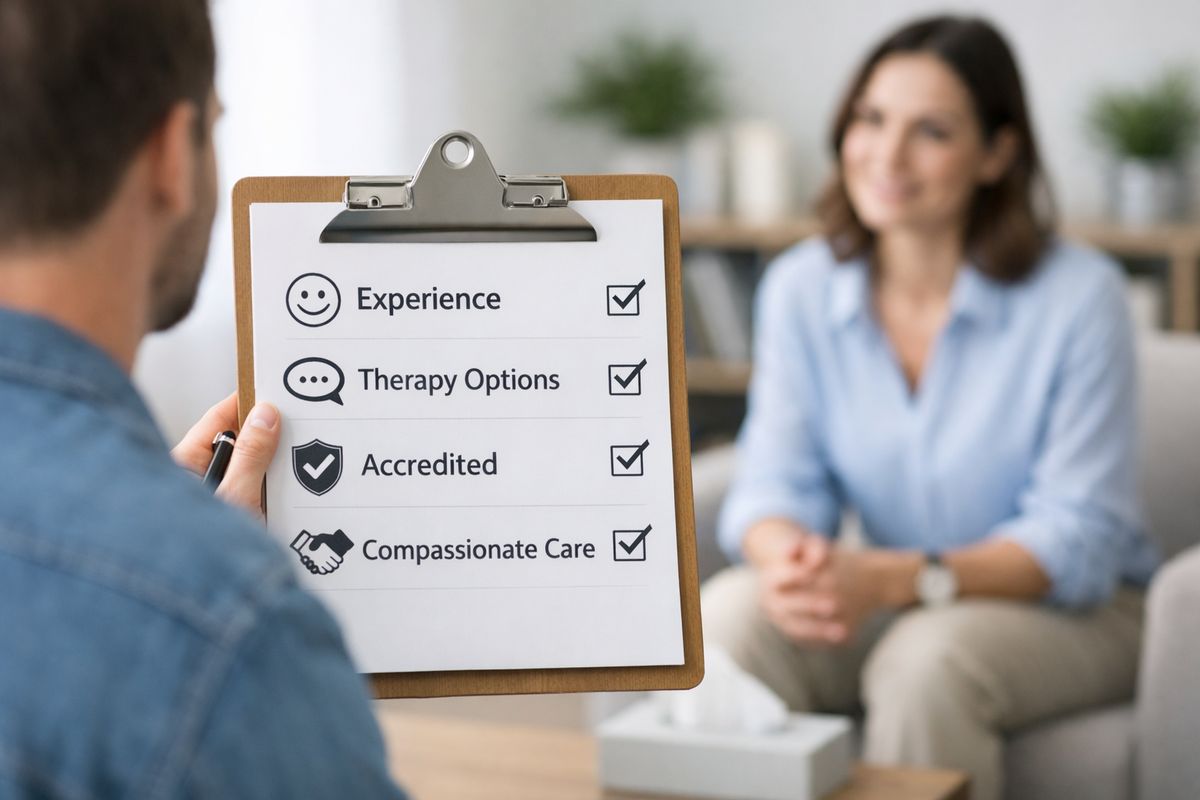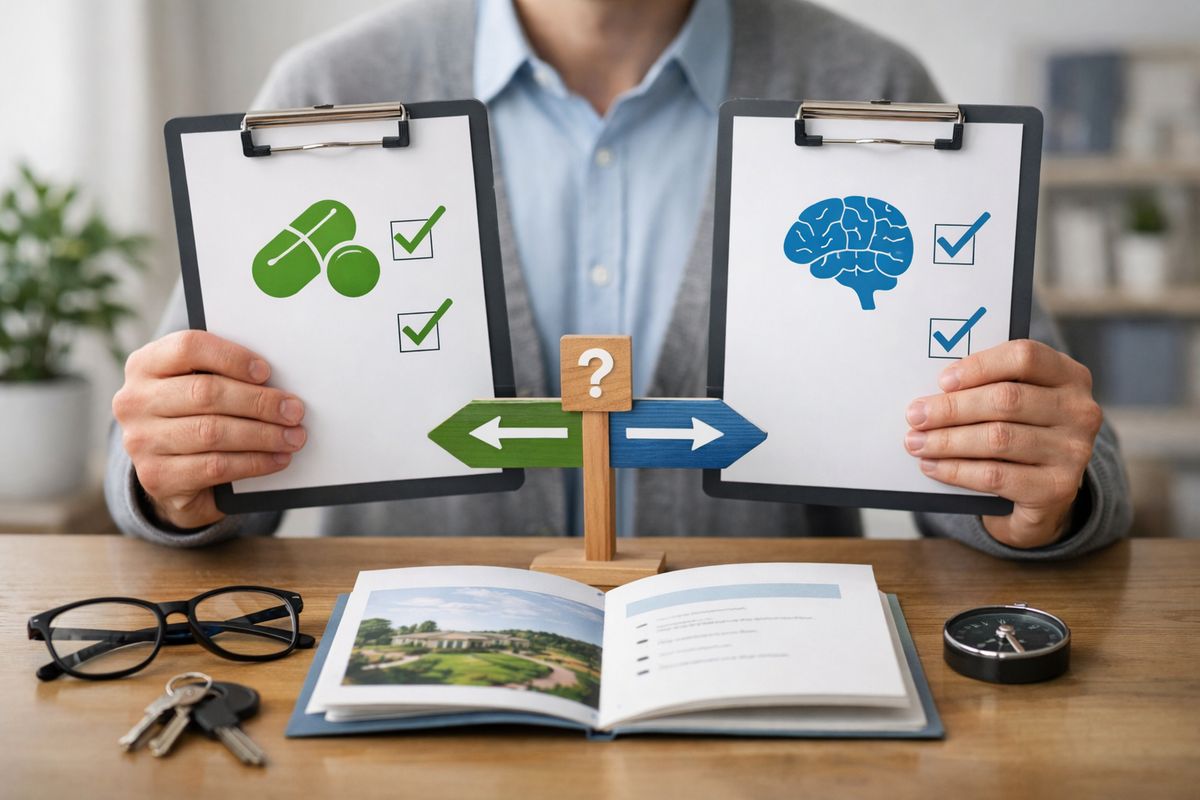

If you’re considering drug detox with withdrawal support, you’re taking a crucial first step toward lasting recovery. Safely removing substances from your system can ease symptoms like nausea, tremors, and anxiety, while professional supervision reduces risks associated with severe withdrawal. In fact, the National Helpline received 833,598 calls in 2020—a 27 percent increase over 2019—highlighting growing awareness of the need for structured help [1]. This guide walks you through detox options, medication-assisted treatment, counseling resources, and strategies for transitioning into ongoing care so you can make informed decisions for your journey.
Understanding drug detox
Detoxification, often called withdrawal management, is the process of clearing addictive substances from your body while addressing the physical and psychological symptoms that follow. Its primary goals are:
- Stabilizing your health and vital signs
- Minimizing discomfort from withdrawal symptoms
- Preparing you for the next phase of treatment
Medical detox programs typically last three to seven days but can vary based on substance type and severity of dependence [2]. During this time, a multidisciplinary team of doctors, nurses, and counselors monitors your progress, administers medications as needed, and provides emotional support. By achieving a stable state, you’ll be better equipped to engage in long-term therapies and cope with underlying triggers.
Comparing detox options
You have several pathways to complete detox safely. Choosing between an inpatient facility, outpatient services, or home-based care depends on factors like addiction severity, co-occurring disorders, and personal responsibilities.
Inpatient medical detox
Inpatient programs involve staying at a licensed facility under 24/7 supervision. You’ll receive:
- Medical monitoring around the clock
- Access to withdrawal-relief medications
- Nutritious meals and structured activities
For men and women needing intensive support, consider a residential detox for substance abuse.
Outpatient detox services
Outpatient care lets you live at home while attending daily or weekly appointments. Benefits include:
- Flexibility to maintain work or family commitments
- Lower costs compared to inpatient care
- Continued access to counseling and medication management
If you need a program that fits your schedule, explore outpatient drug detox services.
Home-based detox risks
Some people attempt home detox without professional oversight. This approach carries significant dangers:
- Unmanaged severe symptoms like seizures or delirium tremens
- High relapse risk due to triggers in the home environment
- Lack of immediate medical intervention if complications arise
A safer alternative is to opt for medically supervised care rather than risking unsupervised withdrawal.
Option comparison table
| Option | Setting | Duration | Pros | Cons |
|---|---|---|---|---|
| Inpatient | Hospital or facility | 3–7 days typical | 24/7 supervision, safe environment | Higher cost, time away from home |
| Outpatient | Clinic visits | 1–4 weeks flex | Lower cost, maintain daily routines | Less supervision, potential travel |
| Home-based | Private residence | Varies | Comfort of home | High medical risk, trigger exposure |
Considering medication-assisted treatment
Medication-assisted treatment (MAT) combines FDA-approved medications with counseling to treat substance use disorders. MAT can:
- Reduce cravings and withdrawal intensity
- Improve retention in ongoing care
- Lower risk of overdose and relapse
How MAT works
Medications stabilize brain chemistry, block euphoric effects, and ease physiological cravings. They are most effective when paired with behavioral therapies and peer support.
Common medication options
| Medication | Type | Mechanism | Typical use |
|---|---|---|---|
| Buprenorphine | Partial opioid agonist | Activates receptors to reduce cravings | Opioid withdrawal and maintenance |
| Methadone | Full opioid agonist | Prevents withdrawal, maintains stability | Long-term maintenance for opioid dependence |
| Naltrexone | Opioid antagonist | Blocks opioid effects | Relapse prevention after detox |
To learn more about integrating medications into your recovery, visit a medication assisted treatment program.
Visiting a Suboxone clinic
Suboxone, a combination of buprenorphine and naloxone, is a cornerstone MAT option for opioid dependence. A specialized clinic provides:
- Initial assessment and induction onto Suboxone
- Regular medication dispensing and dosage adjustments
- Routine urine screenings and health monitoring
When you’re ready to start, look for a suboxone clinic for opioid addiction or an outpatient suboxone program to find the level of support that fits your needs.
Navigating counseling support
Counseling helps you address the emotional and behavioral aspects of addiction. You may engage in:
- Individual therapy to explore personal triggers and coping skills
- Group sessions for mutual encouragement and accountability
- Family counseling to repair relationships and build a support network
- Peer-led meetings that foster shared experiences
- Dual diagnosis care for co-occurring mental health conditions
Consider enrolling in a detox program with counseling support or one that offers peer support and mental health treatment combined.
Planning ongoing care
Detox alone doesn’t resolve underlying issues driving substance use. After withdrawal is managed, transition into a structured treatment setting:
-
Residential rehab
For immersive therapy, choose a long term detox and recovery program or a residential detox with aftercare planning. -
Partial hospitalization or intensive outpatient
Balance treatment intensity with daily life through an alcohol detox and outpatient rehab. -
Medication-assisted recovery
Continue MAT by joining a medication assisted recovery program. -
Support groups and alumni networks
Stay connected with peers who understand your journey.
A well-structured continuum of care reduces the “revolving door” of repeated withdrawals and enhances long-term success [3].
Preventing relapse
Relapse prevention equips you to recognize high-risk situations and respond effectively. Key strategies include:
- Identifying personal triggers and developing coping plans
- Establishing a sober support network
- Engaging in regular therapy or support group meetings
- Practicing stress-reduction techniques like mindfulness or exercise
- Creating an emergency relapse plan with professional contacts
For comprehensive relapse-proofing, explore resources on drug detox with relapse prevention.
Detox is the foundation of recovery, but lasting sobriety depends on continued care. By choosing the right detox setting, leveraging medication-assisted treatment, engaging in counseling, and planning your next steps, you’ll build the support necessary for lasting change. If you or a loved one needs help, reach out to a qualified treatment center today or call the SAMHSA National Helpline at 1-800-662-HELP for free, confidential assistance.
References
- (SAMHSA)
- (Rehabs.com)
- (NCBI Bookshelf)