
When you’re ready to begin, an opioid addiction detox center can provide the medically supervised withdrawal management, counseling and structure you need to start recovery with confidence. In 2022, nearly 108,000 people in the US died from drug-involved overdoses—almost 296 per day—and more than 95 percent of those who needed treatment did not receive it [1]. In 2020, the SAMHSA National Helpline saw 833,598 calls, a 27 percent rise over the previous year [2]. Choosing the right detox pathway can improve your odds of completing treatment and moving into long-term care. This article walks you through detox options—from inpatient to outpatient and holistic approaches—explains medication-assisted treatment programs such as Suboxone, and outlines how to transition into ongoing support. You can also locate confidential treatment centers near you via the HHS opioid treatment program finder [3].
Explore detox options
Detox is the first step in addressing physical dependence. The primary goal is to manage withdrawal symptoms safely while beginning therapeutic work. You’ll find several pathways, each offering different levels of supervision and flexibility.
Inpatient detox programs
Inpatient detox provides 24/7 medical monitoring in a hospital or dedicated facility. You live on-site for the duration of your program, which typically ranges from 3 to 30 days based on your needs. Key benefits include:
- Around-the-clock supervision to manage severe withdrawal
- Immediate access to medical interventions, including lofexidine for symptom relief
- Structured daily schedule with group therapy and individual counseling
This level of care is ideal if you have co-occurring mental health disorders, a history of complicated withdrawals, or limited support at home.
Outpatient detox services
Outpatient drug detox services allow you to return home each day and attend scheduled appointments for medical check-ins, medication management and counseling. You might visit the clinic several times per week. Advantages include:
- Flexibility to maintain work, school or family routines
- Lower cost compared to inpatient care
- Opportunity to apply coping strategies in your own environment
Consider outpatient detox if you have a stable living situation and a supportive network.
Residential detox programs
Residential detox for substance abuse bridges the gap between inpatient and outpatient care. You stay in a live-in facility—usually outside a hospital—for 3 to 6 weeks [4]. These programs combine medical oversight with comprehensive therapies:
- Individual and group counseling
- Holistic modalities such as yoga, meditation and nutritional support
- Peer support in a home-like setting
Residential care can deepen your commitment and prepare you for longer-term recovery.
Counseling-supported detox program
In any detox setting, integrating therapy from day one boosts your chances of success. A detox program with counseling support ensures you work on underlying triggers and learning healthy coping skills:
- One-on-one sessions to explore personal challenges
- Group therapy for shared experiences and accountability
- Early relapse-prevention planning
Holistic detox approaches
Detox with holistic treatment options adds complementary methods to ease discomfort and promote wellness:
- Acupuncture or acupressure for stress reduction
- Guided meditation and breathing exercises
- Massage therapy to relieve muscle tension
These practices work alongside medical care to foster emotional and physical resilience.
Detox for polysubstance addiction
If you’re withdrawing from multiple substances—opioids combined with alcohol or stimulants—you need a program tailored to complex needs. Detox for polysubstance addiction offers specialized protocols that adjust medication schedules and therapeutic interventions to address varied withdrawal timelines.
Comparison of detox pathways
| Program type | Typical length | Supervision & setting |
|---|---|---|
| Inpatient detox | 3–30 days | 24/7 medical monitoring in hospital or facility |
| Residential detox | 3–6 weeks | Live-in non-hospital center with structured care |
| Outpatient detox | Varies by protocol | Scheduled clinic visits for meds and counseling |
Understand medication-assisted treatment
Medication-assisted treatment (MAT) combines FDA-approved drugs with counseling to address both the physical and psychological aspects of opioid use disorder. Extensive research shows MAT improves retention, reduces overdose risk and supports long-term recovery [5].
Key medications for OUD
| Medication | Use | Benefits | Notes |
|---|---|---|---|
| Buprenorphine | Opioid use disorder (OUD) | Reduces withdrawal, lowers cravings | First office-based prescription treatment in US |
| Methadone | OUD | Stabilizes brain chemistry | Dispensed at certified clinics, schedule II controlled |
| Naltrexone | OUD and alcohol use disorder | Blocks opioid effects, prevents relapse | Oral or extended-release injectable form |
Each medication can be used safely long term—from months to potentially a lifetime—but always under medical supervision. One study found that buprenorphine is the first medication approved for adolescents 16 and older with OUD [5].
How Suboxone clinics work
At a Suboxone clinic for opioid addiction, you’ll follow a phased protocol:
- Induction: Start with a low dose of buprenorphine once withdrawal begins
- Stabilization: Adjust dosage to eliminate cravings and discomfort
- Maintenance: Stay on a consistent dose while engaging in therapy
These clinics often integrate counseling, peer support and case management. If you’re evaluating programs, consider the best suboxone treatment program in your area for quality standards.
Benefits of medication management
MAT offers multiple advantages when paired with professional oversight:
- Decreases illicit opioid use and criminal behavior
- Reduces overdose deaths and health complications
- Normalizes brain function over time
- Enhances engagement in counseling and support groups
For a seamless transition from detox, look for a center that offers detox with medication management support or a dedicated medication assisted opioid treatment track.
Plan aftercare pathway
Detox is the beginning, not the end. Planning a robust aftercare pathway helps you maintain momentum and reduces the risk of relapse, which ranges from 40 to 60 percent—similar to other chronic diseases like hypertension and diabetes [1].
Outpatient counseling and support
Continuing therapy after detox is critical. An outpatient detox and counseling program offers:
- Weekly individual and group sessions
- Ongoing medication monitoring
- Case management for housing, employment or education
This structure lets you apply new skills in real-world contexts while retaining professional guidance.
Peer and mutual help groups
Mutual help organizations such as Narcotics Anonymous and Alcoholics Anonymous, though not professionally led, effectively support long-term recovery [5]. Regular attendance provides:
- A built-in network of understanding peers
- Shared accountability and encouragement
- Access to sponsors and mentorship
Pairing MAT with mutual help involvement yields the best outcomes.
Ongoing medication maintenance
For many, long-term stabilization on buprenorphine or naltrexone is essential. A suboxone maintenance treatment program or broader medication assisted recovery program allows you to:
- Adjust dosages as life circumstances change
- Plan tapering under medical guidance
- Prevent triggers from leading to relapse
Relapse prevention and follow-up care
Fewer than 43 percent of individuals who enter treatment complete it [1], and only 20.2 percent of detox episodes are followed by MAT within 14 days [6]. To stack the odds in your favor:
- Develop a written relapse-prevention plan with warning signs and coping strategies
- Schedule regular follow-up appointments and drug screenings
- Engage in peer check-ins or accountability partnerships
- Re-enter higher levels of care if needed
Choose your detox center
Evaluating detox centers carefully ensures you receive comprehensive, individualized care from day one.
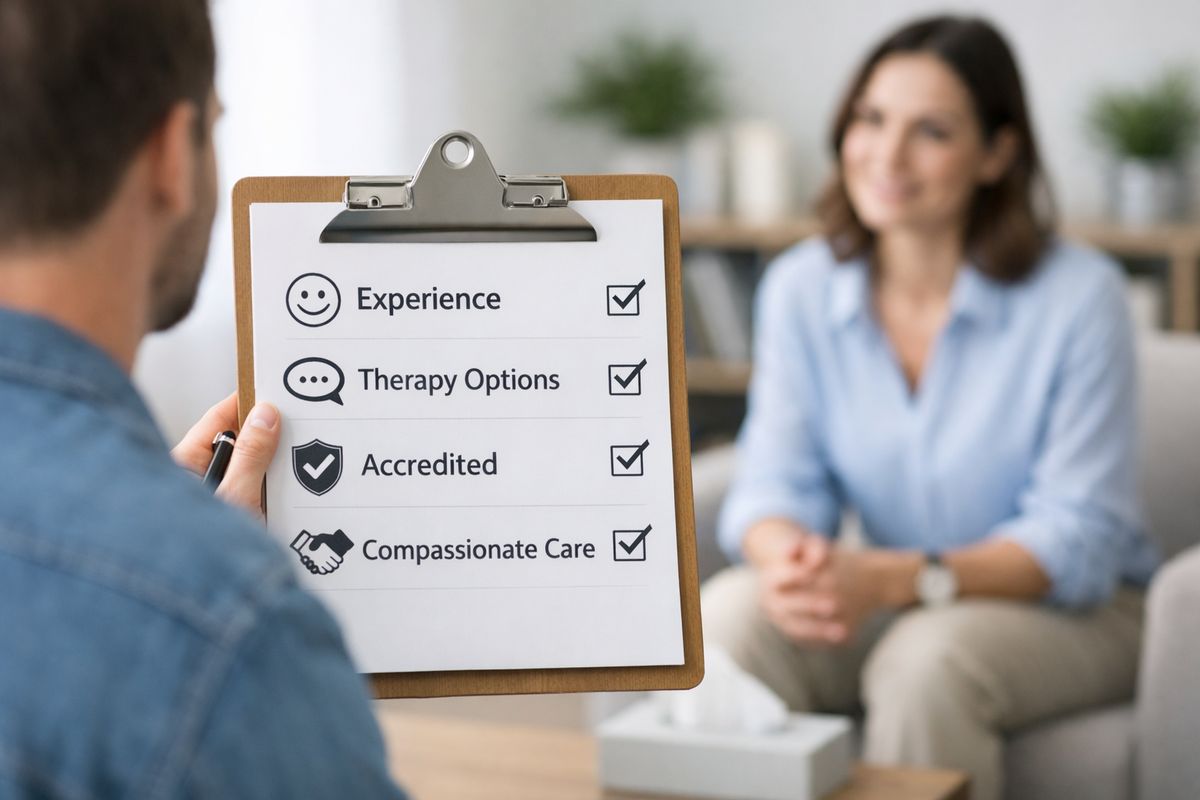
Key features to consider
Look for programs that offer:
- Accredited medical withdrawal management
- Dual-diagnosis care for co-occurring mental health issues [7]
- Integrated counseling and peer support [8]
- Holistic and aftercare planning [9]
- Medication availability on-site, including buprenorphine and naltrexone
Questions to ask providers
When you tour facilities or speak with admissions, be ready to ask:
- What is your staff-to-patient ratio?
- How do you manage severe withdrawal or high-acuity cases?
- Will I be linked to a medication assisted treatment program post-detox?
- What aftercare and alumni services do you provide?
- Which insurances and payment options do you accept?
Insurance and access factors
Most centers accept commercial insurance, Medicaid, Medicare and self-pay. Confirm coverage for:
- Inpatient or residential detox
- Medication-assisted treatment
- Counseling and therapy sessions
If you’re unsure, a program offering sliding-scale fees or grants can bridge gaps. You can also compare providers on our best detox center for addiction page.
Take the first step
An opioid addiction detox center sets the foundation for your recovery. By exploring the right detox option, embracing medication-assisted treatment and planning a solid aftercare pathway, you empower yourself to achieve lasting change. Reach out today, ask the right questions and lean on both medical and peer support to guide you on your journey to lasting recovery.