
You may be managing both addiction and a mental health condition, and finding a path that addresses both can feel overwhelming. Medication-assisted treatment, or mat for co-occurring disorders, offers a clear, evidence-based roadmap. By combining FDA-approved medications with counseling and behavioral therapies, you’ll reduce cravings and withdrawal symptoms while working through underlying psychological factors. This integrated approach can improve your adherence, protect you from overdose, and help you rebuild relationships and daily routines.
In this article you’ll learn how mat for co-occurring disorders can transform your recovery journey. We’ll cover the fundamentals of MAT, explain why coordinated care matters, show you how to design a personalized plan, overcome common barriers, and choose the right program for your needs. You’ll also find links to specialized services—like a suboxone maintenance treatment program and a mat program with counseling services—so you can take informed steps toward lasting change.
Understanding MAT fundamentals
Medication-assisted treatment blends pharmacology and therapy to treat substance use disorders alongside co-occurring mental health conditions. This dual focus sets MAT apart from abstinence-only models.
Definition and benefits
MAT uses FDA-approved medications—such as methadone, buprenorphine, or naltrexone—combined with counseling and behavioral therapies. Together these elements:
- Address physical dependence by reducing withdrawal and cravings
- Stabilize brain chemistry to lower overdose risk
- Provide psychological tools to manage triggers and stress
- Improve retention and engagement in treatment programs
Research shows MAT patients have over 60 percent retention in care, compared to single-digit success rates for 12-step-only approaches [1]. You’ll find that understanding your options—like buprenorphine-based addiction recovery or a faith-integrated mat program—is the first step toward choosing the best path for you.
Common medications
Your clinician will recommend a medication based on your diagnosis, treatment goals, and health history. Key options include:
| Medication | Use | Administration | Key benefit |
|---|---|---|---|
| Methadone | OUD | Daily clinic dose | Prevents withdrawal, reduces illicit use |
| Buprenorphine | OUD | Office-based prescription | Lower overdose risk, flexible dosing |
| Naltrexone | OUD & AUD | Monthly injection or daily pill | Blocks opioid effects, supports abstinence |
If you’re interested in outpatient care, consider an outpatient medication assisted program. Should you need help tapering, a medication tapering support program can guide you safely through dose reductions.
Addressing co-occurring disorders
When addiction and mental health issues overlap, treating one without the other often leads to relapse. MAT for co-occurring disorders ensures you receive holistic support.
Importance of integrated care
Approximately 8.5 million American adults live with both a mental health disorder and a substance use disorder [2]. Without coordinated treatment:
- You may experience unmanaged anxiety or depression that triggers substance use
- Medication side effects can worsen mental health symptoms if not monitored
- You risk cycling through detox and relapse without addressing underlying issues
Integrated care brings counselors, psychiatrists, and addiction specialists together. For example, pairing MAT with Integrated Cognitive Behavioral Therapy (ICBT) significantly lowers positive drug screen rates at six months, compared to standard care alone [3].
Evidence from research
Studies highlight that MAT plus psychosocial therapies yields superior outcomes:
- Over half reduction in fatal overdoses compared to no treatment [4]
- 49 percent success rate in opioid use disorder management vs 7 percent for abstinence programs (NTORS via FasPsych)
- Comparable PTSD symptom improvements among MAT patients regardless of therapy assignment, with ICBT offering extra benefits for non-MAT patients [3]
These findings underline why you should seek a program that integrates both medication and therapy, such as a subutex medication management track alongside group and individual counseling.
Creating personalized treatment
No two recovery journeys are identical. Personalization maximizes your chance of success.
Comprehensive assessment
Before you start MAT, you’ll undergo a thorough evaluation by a physician and behavioral health professional. They will:
- Review your substance use history and prior treatment attempts
- Screen for mental health conditions like depression, PTSD, or anxiety
- Evaluate medical factors: liver health, cardiac history, medication interactions
- Consider social supports and legal or vocational stressors
This assessment helps determine the most suitable medication—whether methadone, buprenorphine, or naltrexone—and the optimal level of care, from residential to intensive outpatient.
Tailored plan development
Your treatment plan will balance medication dosing with behavioral therapies and support services. Components may include:
- One-on-one therapy sessions to address trauma and coping skills
- Group therapy focused on relapse prevention and peer support
- Family counseling to rebuild trust and communication
- Vocational or legal counseling to stabilize your environment
You can explore specialized options, such as mat for veterans in recovery or a faith-based medication-assisted care program, to align your treatment with your personal values and experiences.
Overcoming common barriers
Even with strong evidence, you may face obstacles. Understanding them helps you plan ahead.
Access and insurance coverage
MAT availability can vary by region. Rural areas and underfunded centers may lack providers. Verify availability at a substance use medication therapy clinic near you. Insurance should cover at least part of your MAT under the 2008 Mental Health Parity and Addiction Equity Act [5]. Ask your insurer:
- Which medications are covered?
- Are there limits on the number of treatment visits?
- What prior authorizations or step therapy rules apply?
If coverage gaps exist, many clinics offer sliding-scale fees or assistance programs.
Stigma and misconceptions
You might worry about dependency on medications. Yet FDA-approved options like buprenorphine and naltrexone have low abuse potential and high safety profiles. Concerns about side effects can be managed through open communication with your provider. Remember:
- MAT is a clinically endorsed, long-term strategy, not a crutch
- Reducing withdrawal and cravings actually lowers relapse risk
- Medication does not replace therapy but empowers you to engage more fully
Educating yourself and your support network can dismantle stigma and foster understanding.
Building support systems
Structured medication and therapy are vital, but people often overlook the power of relationships in recovery.
Counseling and therapy integration
Counseling remains a cornerstone of MAT. Options include:
- Cognitive Behavioral Therapy to reframe negative thought patterns
- Dialectical Behavior Therapy for emotion regulation
- Trauma-informed therapy to address underlying psychological wounds
Integrating counseling ensures you learn coping strategies to manage cravings, cope with stress, and resolve interpersonal conflicts. Seek a mat program with counseling services that matches your preferred therapeutic approach.
Peer and family involvement
A strong support network can make the difference between relapse and sustained recovery. Consider:
- Family education sessions to help loved ones understand MAT
- Peer-led support groups for shared experience and accountability
- Mentorship programs where peers guide you through challenges
These connections reduce isolation and reinforce commitment. If you’d like faith-based peer support, explore a faith-integrated mat program.
Navigating treatment phases
Your MAT journey generally unfolds in three key stages: initiation, maintenance, and tapering.
Medical detox and induction
Detox stabilizes you physically. During induction, your provider will:
- Determine your initial dose to minimize withdrawal
- Monitor vital signs and adjust as needed
- Introduce therapy to begin building coping skills
After detox, you might transition to an addiction medicine and recovery care setting for continued support.
Maintenance and tapering
Once stable, you enter the maintenance phase, focusing on daily routines and therapy. Over time, you may choose to taper under medical guidance. Tapering programs, like our medication tapering support program, ensure:
- Slow dose reductions to prevent withdrawal
- Ongoing therapy to solidify relapse-prevention skills
- Alternatives for managing stress, such as exercise and mindfulness
If you complete tapering, post-taper support—including medication support after detox—helps you sustain gains and watch for early warning signs of relapse.
Tracking outcomes and success
Measuring your progress and adjusting as needed keeps you on track.
Measuring progress and metrics
Key indicators of success include:
- Reduced substance use and negative urine drug screens
- Improved mental health scores on standardized assessments
- Lowered healthcare and legal system involvement
- Enhanced social and occupational functioning
Clinical data show MAT cuts fatal overdoses by more than half [4] and reduces overdose risk by 34 to 38 percent compared to abstinence-only approaches [1].
Sustaining long term recovery
A long-term outlook is critical. You can support lasting change by:
- Engaging in ongoing therapy and peer support
- Monitoring for stressors that trigger relapse
- Participating in alumni networks or recovery communities
- Adjusting your plan as life circumstances evolve
Subsequent programs—like a suboxone therapy for sustained recovery track—offer structured follow-up and medication management to help you maintain stability.
Choosing the right program
Finding a program that fits your needs and values sets the foundation for success.
Key questions to ask
When evaluating centers or clinics, ask:
- How do you integrate medication and therapy?
- What credentials do your medical and counseling staff hold?
- How do you address co-occurring mental health conditions?
- What is your approach to tapering or long-term medication?
- How do you involve family and peer support networks?
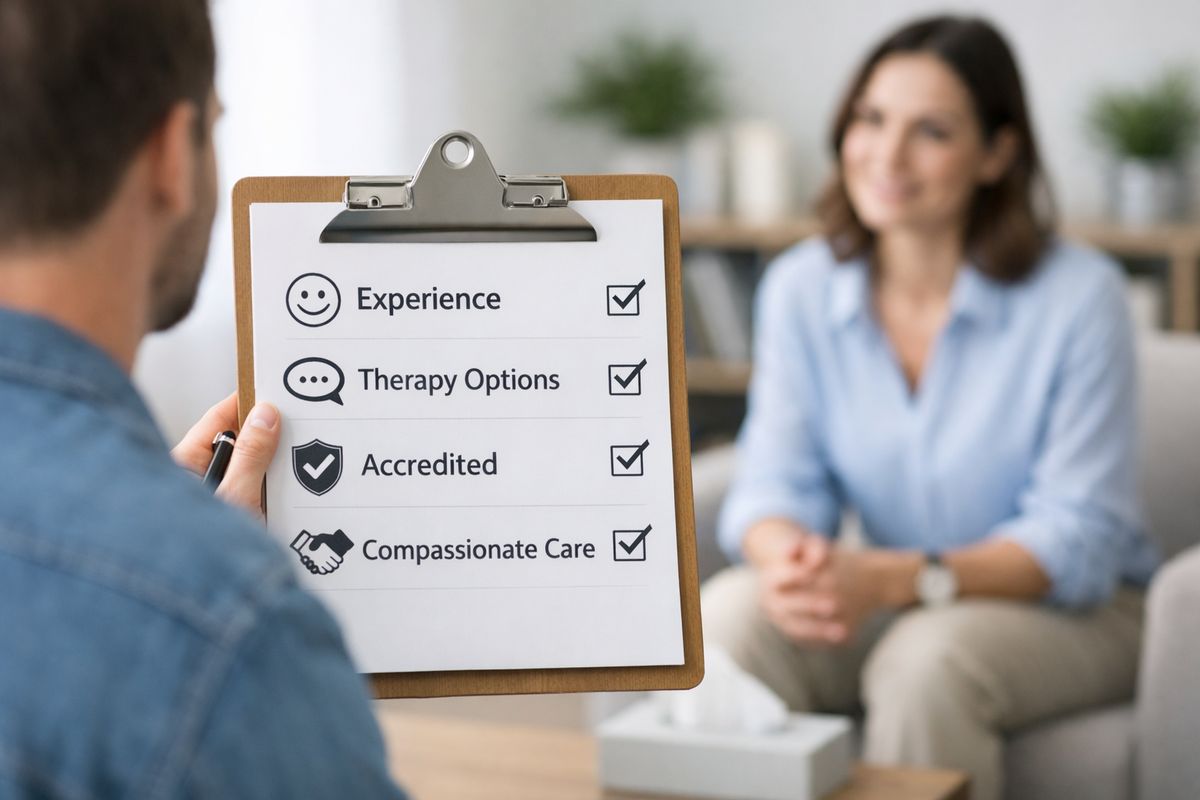
A clear, patient-focused answer to these questions indicates a program committed to comprehensive care.
Comparing program options
Programs vary by setting, specialty, and philosophy:
- Residential vs outpatient vs intensive outpatient
- Programs focused on veterans, faith integration, or gender-specific care
- Clinics offering opioid addiction medication therapy or broader medication assisted treatment for addiction
Compile information in a simple matrix or checklist to weigh features like location, cost, staff expertise, and success metrics. If you need post-detox care, explore post-detox medication management services as a deciding factor.
Conclusion
Mat for co-occurring disorders offers a powerful, evidence-based approach to transforming your recovery. By integrating FDA-approved medications with personalized therapy and robust support systems, you’ll tackle both addiction and mental health challenges at once. You can overcome stigma and access insurance benefits, track measurable improvements, and choose a program that aligns with your unique needs—whether that’s a suboxone maintenance treatment program, a faith-based medication-assisted care option, or veteran-focused services. Start by talking with an addiction medicine specialist to design a treatment plan that treats the whole you, setting the stage for lasting recovery and renewed hope.