Understand opioid addiction medication therapy
Opioid addiction medication therapy, also known as medication-assisted treatment or MAT, combines FDA-approved medications with counseling and behavioral support to treat opioid use disorder. When you explore MAT, you gain access to evidence-based therapies designed to reduce withdrawal symptoms, curb cravings, and help you stay engaged in recovery. By integrating medication management, psychosocial interventions, and ongoing support, this approach treats opioid addiction as a chronic condition—similar to how you would manage diabetes or hypertension.
Prescribing guidelines from the CDC emphasize the importance of appropriate opioid prescribing and monitoring to reduce the risk of misuse and overdose [1]. In clinical practice, MAT includes methadone, buprenorphine (Suboxone or Subutex), and naltrexone, each with unique benefits and considerations. You work collaboratively with your healthcare team to determine which option aligns with your medical history, treatment goals, and lifestyle.
Key components of opioid addiction medication therapy:
- Medication selection based on efficacy, safety, and your personal needs
- Individualized dosing schedules to stabilize brain chemistry
- Counseling services to address underlying behavioral and psychosocial factors
- Regular medical supervision to monitor progress and manage side effects
By understanding how MAT works, you can make an informed choice about pursuing a structured, long-term recovery plan that addresses both the biological and psychological aspects of opioid use disorder.
Explore key medications
Different medications play distinct roles in supporting your recovery journey. Below is a summary of the primary FDA-approved treatments for opioid use disorder:
| Medication | Mechanism of action | Format | Notes |
|---|---|---|---|
| Methadone | Full opioid agonist, eases withdrawal, reduces cravings | Daily clinic-based dosing | Gold standard for severe OUD, requires supervised dispensing |
| Buprenorphine | Partial agonist, high receptor affinity, lower overdose risk | Suboxone tablets, films, injections | Prescribable in office, telehealth options available |
| Naltrexone | Opioid antagonist, blocks euphoric effects, prevents relapse | Oral tablets, extended-release shot | Best for motivated patients post-detox |
| Lofexidine | Alpha-2 agonist, alleviates withdrawal symptoms only | Oral tablets | Short-term use during tapering or abrupt cessation |
Each medication offers a balance between safety, accessibility, and effectiveness. For example, buprenorphine can be started even in an emergency department to reduce immediate withdrawal and encourage long-term engagement in a suboxone maintenance treatment program. If you prefer a fully outpatient setting, consider an outpatient medication assisted program.
Identify treatment benefits
When you participate in opioid addiction medication therapy, you can experience multiple positive outcomes that extend beyond mere abstinence:
-
Reduce cravings and withdrawal
Medications like methadone and buprenorphine stabilize the brain’s opioid receptors, lessening the severity of withdrawal and lowering the risk of relapse. This physiological support gives you the mental space to focus on counseling and life rebuilding. -
Improve treatment retention
Studies show that individuals on MAT are significantly more likely to remain in treatment compared to those on psychosocial care alone [2]. Higher retention correlates with reduced overdose risk and enhanced social reintegration. -
Enhance quality of life
By stabilizing mood and physical health, MAT allows you to pursue education, employment, and family relationships with greater stability. You regain control over daily activities, reduce criminal justice involvement, and experience fewer infectious disease risks. -
Decrease mortality
Patients prescribed methadone or buprenorphine are up to 50% less likely to die from overdose compared to no medication treatment [3]. Naltrexone, while effective, requires careful patient selection due to its antagonist profile.
By exploring a mat program with counseling services, you integrate medical and psychosocial care, maximizing the chance for long-term recovery and resilience.
Compare medication-assisted treatment options
Selecting the right medication for your opioid addiction medication therapy depends on your clinical presentation, access considerations, and personal preferences. Use the table below to compare key factors:
| Factor | Methadone | Buprenorphine (Suboxone, Subutex) | Naltrexone |
|---|---|---|---|
| Access | Clinic-based only | Office-based, telehealth possible | Any healthcare provider |
| Risk of diversion | Higher, supervised dispensing needed | Lower, ceiling effect limits euphoria | None—blocks all opioid effects |
| Dosing frequency | Daily | Daily or weekly (injections available) | Daily or monthly injection |
| Pregnancy category | Safe under supervision | Generally safe, monitor closely | Use with caution, limited data |
| Withdrawal management | Eases and prevents withdrawal | Eases withdrawal, less sedation | No withdrawal relief |
If you qualify, a subutex medication management plan can simplify stabilization, while a post-detox medication management service helps you transition from detox to maintenance therapy.
Address therapy misconceptions
You may have questions or reservations about opioid addiction medication therapy. Let us address the most common concerns:
Misconception: “MAT just swaps one addiction for another”
Reality: Medications like buprenorphine and methadone, when taken as prescribed, do not produce the intense euphoria of illicit opioids. Instead, they restore balance to brain circuits, allowing the brain to heal while you focus on counseling and life changes [4].
Misconception: “MAT medications are highly addictive”
Reality: Buprenorphine and naltrexone have ceiling effects or block opioid receptors, reducing risk of misuse. Supervised dosing and prescription monitoring programs further safeguard against diversion.
Misconception: “Stigma makes MAT unacceptable”
Reality: Leading medical authorities, including the American Society of Addiction Medicine, endorse MAT as the gold standard. Secretaries of Health compare skipping MAT to treating bacterial infections without antibiotics [3].
Misconception: “MAT is only for severe addiction”
Reality: MAT can be tailored to your level of opioid dependence. If you have co-occurring alcohol use or mental health disorders, consider mat for co-occurring disorders or mat for alcohol and opioid recovery.
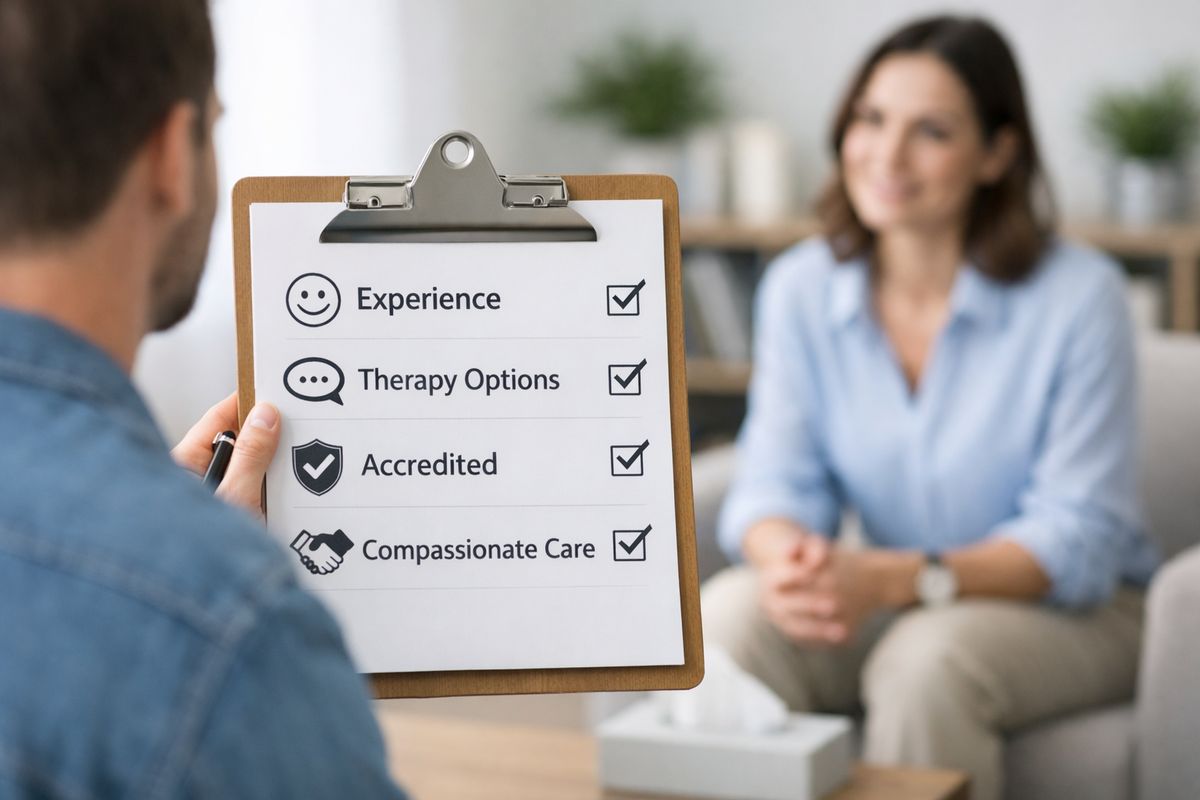
Choose the right program
Finding a program that aligns with your goals and circumstances sets the stage for successful recovery. Consider the following factors:
Inpatient versus outpatient
- Inpatient services provide 24/7 medical supervision and structured routines.
- Outpatient options, such as an outpatient medication assisted program, let you maintain daily responsibilities while visiting clinics for medication and counseling.
Counseling integration
- Look for a mat program with counseling services that offers individual therapy, group support, and family involvement.
- Programs like faith-based medication-assisted care and faith-integrated mat program may appeal if you seek spiritual guidance.
Special populations
- Veterans can access tailored support through mat for veterans in recovery.
- If you prefer a clinic dedicated to medication therapy, explore a substance use medication therapy clinic.
Individualized planning
- Effective recovery relies on mat with individualized treatment planning that factors in your medical history, mental health status, and personal goals.
- For long-term stabilization, ask about a mat for long-term addiction stabilization.
Prepare for long-term success
Sustained recovery often involves ongoing adjustments, support, and relapse prevention planning. Here’s how you can prepare:
Medication tapering and support
- If you and your clinician decide to taper, enroll in a medication tapering support program to manage withdrawal and adjust coping strategies.
Relapse prevention strategies
- Engage in cognitive behavioral therapy, motivational interviewing, or 12-step facilitation within your MAT plan.
- Identify triggers early and develop an action plan with your counselor to navigate high-risk situations.
Aftercare and peer support
- Join recovery support groups or alumni networks through your treatment center.
- Leverage medication support after detox services to ensure continuity of care.
Coordination with primary care
- Integrate OUD treatment into your overall healthcare, as recommended by the FDA’s “Prescribe with Confidence” campaign, treating OUD like any chronic illness [5].
- Regularly review your treatment plan with your primary care provider to monitor physical health, mental well-being, and medication effectiveness.
Move forward with confidence
Choosing opioid addiction medication therapy is a proactive step toward reclaiming your life from opioid dependence. By combining scientifically validated medications with counseling and tailored support, you address both the biological underpinnings and psychosocial factors of addiction. As you explore programs that fit your needs, remember that recovery is a journey—one that requires persistence, collaboration, and self-compassion.
Whether you opt for a suboxone therapy for sustained recovery plan or comprehensive addiction medicine and recovery care, your commitment to evidence-based treatment will help you build a stable, fulfilling future. Reach out to qualified providers, ask informed questions, and take pride in your decision to invest in a medication-supported path to long-term wellness.
References
- (CDC)
- (NIDA)
- (NACo)
- (Illinois Department of Public Health)
- (FDA)