
Medication assisted treatment for addiction is an evidence-based approach that combines FDA-approved medications with counseling and behavioral therapies to help you overcome opioid or alcohol dependence. If you or a loved one are exploring mat for alcohol and opioid recovery, you need a clear understanding of how MAT works, which medications are available, and how to integrate support services for the best outcome. MAT helps restore balance to brain circuits affected by addiction, relieves cravings and withdrawal symptoms without producing a “high,” and supports long term stabilization as you work toward recovery [1].
Despite decades of research showing its effectiveness, fewer than half of privately funded substance use disorder programs offer MAT, and only one-third of patients with opioid dependence receive it [1]. Stigma, limited access, and misconceptions about dependency create barriers for many seeking help. This guide will walk you through the fundamentals of medication assisted treatment for addiction, detail the key medications, explain how to blend medication with therapy, compare program models, address common concerns, and help you choose a program that fits your needs.
Understanding medication assisted treatment
What MAT involves
Medication assisted treatment for addiction (MAT) integrates three core elements:
- FDA-approved medications to normalize brain chemistry
- Counseling and behavioral therapies that target underlying issues
- Psychosocial supports such as peer groups and family involvement
By combining medications with therapy, MAT offers a whole-patient approach that addresses physical cravings, emotional triggers, and social factors influencing substance use.
How it supports recovery
MAT medications work by blocking the euphoric effects of opioids or reducing cravings and withdrawal symptoms. They help you focus on therapy and daily life rather than fighting intense discomfort. Over time, your brain chemistry can rebalance, making it easier to build coping skills and resist relapse.
Who may benefit
You might consider MAT if you or someone you care about:
- Has struggled with opioid use disorder (heroin, prescription opioids)
- Experiences severe withdrawal symptoms that trigger relapse
- Faces co-occurring mental health conditions, such as anxiety or depression [2]
- Needs a structured, long-term plan to prevent relapse and regain stability
Explore key MAT medications
Methadone
Methadone is a long-acting full opioid agonist that prevents withdrawal and reduces cravings. It is dispensed through certified opioid treatment programs under federal and state regulations. Initially, you visit daily for dosing, with the potential for take-home doses as you demonstrate stability. Methadone treatment is associated with reduced mortality and improved social functioning for people in long-term care [3].
Buprenorphine (Suboxone and Subutex)
Buprenorphine is a partial opioid agonist that lowers the risk of overdose and eases withdrawal.
- Suboxone combines buprenorphine with naloxone to discourage misuse; explore a suboxone maintenance treatment program or consider suboxone therapy for sustained recovery.
- Subutex contains buprenorphine alone; learn about subutex medication management for nuanced dose adjustments.
Buprenorphine can be prescribed in physician offices, increasing access compared to methadone clinics. Many people find it a flexible option within a buprenorphine-based addiction recovery plan.
Extended-release naltrexone
Naltrexone blocks opioid receptors, preventing any euphoric effect if you use opioids. It also relieves cravings for alcohol. Available as a daily pill or a monthly injection, extended-release naltrexone requires you to be fully detoxified before starting, which may involve a brief inpatient stay.
Combine medication with therapy
Behavioral therapies
Medication alone is rarely sufficient. Evidence shows that combining MAT medications with therapies like cognitive behavioral therapy (CBT), motivational interviewing, and contingency management yields the best outcomes [4]. These approaches help you:
- Identify and challenge unhelpful thought patterns
- Develop coping strategies for stress and triggers
- Build motivation for lasting change
Counseling services
Individual and group counseling provide a safe space to process emotions and share experiences. A mat program with counseling services typically includes:
- One-on-one sessions with an addiction counselor
- Group workshops on relapse prevention
- Family therapy to rebuild relationships
Peer and family support
Peer recovery groups and family involvement are crucial. You might join 12-step or non-12-step support groups, attend family education sessions, or connect with peer recovery coaches. Involving loved ones can strengthen your accountability and restore trust.
Compare program models
Outpatient programs
Outpatient medication assisted programs let you live at home while attending scheduled visits for medication and therapy. This model suits people with stable housing, work or school commitments, and a robust support network. Learn more about local outpatient medication assisted program options.
Inpatient and residential programs
Residential MAT programs offer 24-hour medical supervision and structured therapy in a supportive environment. You immerse yourself in recovery without external distractions, which can benefit those with severe dependence or unstable living situations. Facilities often include integrated addiction medicine and recovery care.
Specialized and faith based programs
If you seek care aligned with your values or identity, explore:
- faith-based medication-assisted care or a faith-integrated mat program
- mat for veterans in recovery
- Clinics focused on cultural or LGBTQ+ needs
Specialized programs may enhance engagement by addressing your unique spiritual or demographic factors.
Support long term stabilization
Preventing relapse
Relapse is common but not a failure. With MAT, you reduce triggers like intense cravings and withdrawal. Work with your care team to identify high-risk situations and practice coping strategies. Many programs advertise mat for long-term addiction stabilization to keep you on track.
Medication tapering
Some people choose a gradual medication taper under medical supervision. A structured medication tapering support program helps you reduce dosage safely, minimizing discomfort and risk of relapse.
Ongoing monitoring
Regular follow-up appointments, drug screenings, and medication adjustments ensure your treatment remains effective. Your provider tracks progress, addresses side effects, and updates your plan as needed.
Address common concerns
Stigma and misconceptions
You may worry that MAT simply substitutes one drug for another. In reality, the dosages used in MAT do not produce euphoria, but instead normalize brain function and prevent relapse [1]. Educating friends, family, and community leaders can reduce stigma.
Access and cost factors
Insurance coverage for MAT varies. Many private and Medicaid plans cover medications and counseling, but provider availability can be limited. In nearly all U.S. states, treatment capacity falls short of demand [1]. Discuss financial aid, sliding-scale fees, or telehealth options with clinics.
Medication safety and side effects
Like any medication, MAT drugs carry potential side effects:
- Methadone: constipation, sweating, drowsiness
- Buprenorphine: headache, nausea, insomnia
- Naltrexone: headache, dizziness, potential liver issues
Your provider will review risks versus benefits, monitor labs, and adjust doses to optimize safety.
Choose your MAT program
Individualized treatment plans
Every person’s journey is different. A program that offers mat with individualized treatment planning will assess your history, co-occurring conditions, and recovery goals to craft a tailored plan.
Clinic credentials
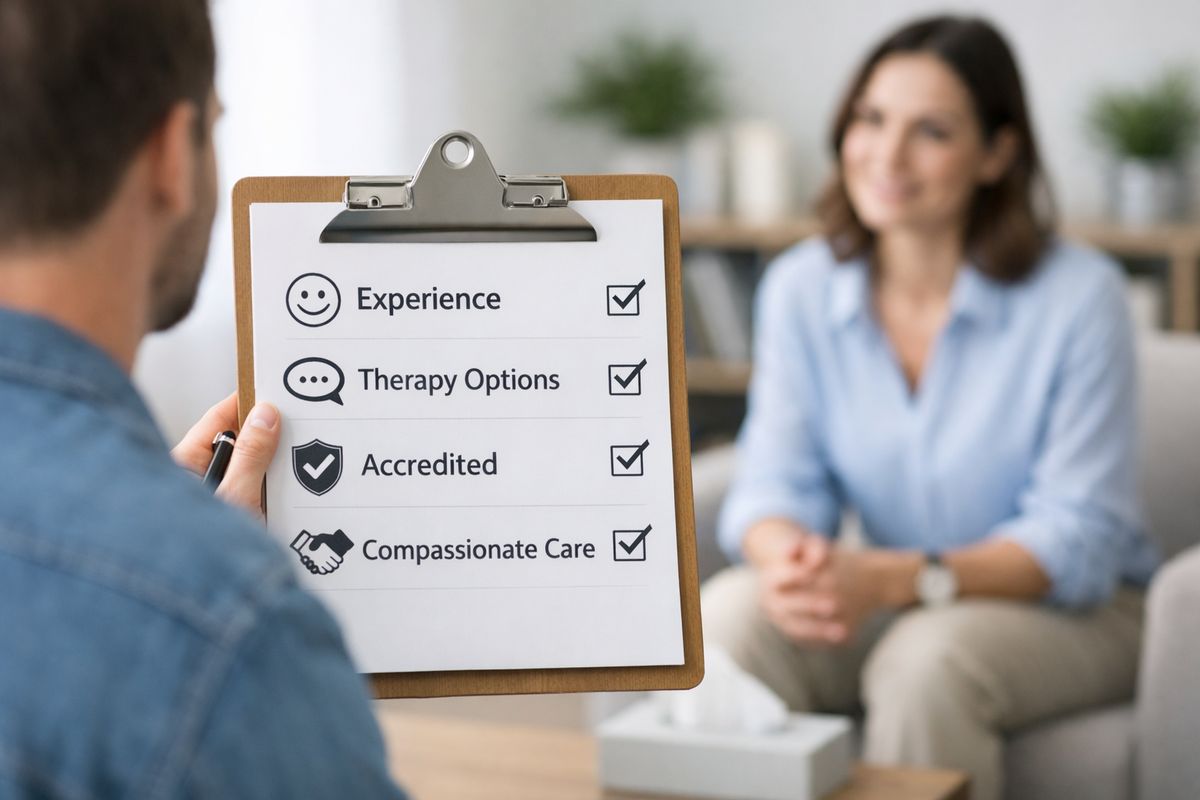
Verify that your chosen facility is:
- A federally certified opioid treatment program for methadone
- Licensed to prescribe buprenorphine with providers holding DEA waivers
- Accredited by relevant state or national bodies
You can search for a substance use medication therapy clinic with certified staff.
Provider questions
When evaluating programs, ask:
- What is your success rate for MAT patients?
- How do you integrate counseling and peer support?
- What aftercare or sober living referrals do you provide?
- How are emergencies or relapse situations handled?
- What education do you offer patients and families?
Plan your recovery journey
Post detox planning
After detox, you may feel vulnerable to relapse. A post-detox medication management or medication support after detox program ensures you transition smoothly to maintenance therapy.
Connecting with support
Surround yourself with supportive peers, family or recovery coaches. Attend community meetings, online forums, or alumni groups to sustain motivation and share strategies.
Tracking your progress
Keep a recovery journal, set measurable goals, and schedule regular check-ins with your provider. Celebrate milestones—each sober day is an achievement.
Next steps
Start by consulting an addiction medicine specialist who offers the MAT model you prefer. Discuss your history, treatment options, and financial considerations. With the right combination of medication, counseling, and support, you can build a stable, fulfilling life in recovery.