
Explore medication therapy clinics
What is a substance use medication therapy clinic?
When you enter recovery from alcohol or opioid dependence, a substance use medication therapy clinic becomes your partner in healing. In this setting, clinicians combine proven pharmacological approaches with therapeutic modalities to address both the biological and psychosocial aspects of addiction. These clinics adopt a whole-person philosophy, integrating medication management, behavioral counseling, case management, and peer support to create a structured yet flexible recovery environment. By offering medically supervised detoxification, ongoing medication-assisted treatment, and tailored counseling, a medication therapy clinic empowers you to rebuild stability while minimizing the risk of withdrawal and relapse.
Medication therapy clinics often follow low-barrier care models, which reduce restrictions on treatment entry, making services more accessible to individuals who might otherwise face hurdles such as mandatory detox periods or strict abstinence requirements [1]. Many clinics also provide telehealth options, allowing you to attend appointments remotely when travel, work, or family obligations make in-person visits challenging. Whether you’re seeking daily supervision with methadone dosing or periodic check-ins while on buprenorphine, these clinics are designed to adapt to your unique needs and schedules.
Who provides care in clinics?
A multidisciplinary team guides your journey in a substance use medication therapy clinic. Addiction medicine physicians oversee your medical evaluation, prescribe and adjust medications, and coordinate with specialists for any co-occurring conditions [2]. Certified substance abuse counselors, who typically hold at least a bachelor’s degree in psychology, counseling, or social work, facilitate individual and group therapy sessions and help you develop coping strategies for triggers and stressors [3]. You may also work with addiction nurses and nurse practitioners who conduct physical health assessments, administer medications, and monitor vital signs throughout your treatment.
In many clinics, case managers and recovery coaches coordinate care beyond the clinic walls, connecting you with housing support, vocational training, and legal assistance. Peer support specialists—individuals with lived experience of recovery—serve as mentors, offering practical advice and emotional encouragement. This integrated care model ensures you receive medical, behavioral, and social support at every stage of your recovery.
Core services offered
Substance use medication therapy clinics pack a range of services into a cohesive program that spans medical, therapeutic, and social domains:
- Comprehensive assessment: Detailed evaluation of substance use history, mental health screening, physical examination, and lab testing to tailor your care plan.
- Medication-assisted treatment: Administration of agonists, antagonists, or mixed agonist-antagonists to quell withdrawal symptoms and cravings [4].
- Behavioral therapies: Individual counseling, cognitive behavioral therapy, motivational interviewing, and group sessions to address underlying issues and build coping skills.
- Case management: Coordination with community resources, housing services, vocational programs, and legal support to tackle social determinants of health.
- Peer mentoring: Engagement with peer support specialists who share lived experience and serve as recovery role models (Santa Cruz Health).
- Post-detox medication management: Continued supervision and dose adjustments after detox to maintain stability [5].
By grouping these services under one roof, you reduce the logistical burden of separate appointments and ensure your treatment team has a unified understanding of your progress and challenges.
Understand medication assisted treatment
Medication classes and functions
Medication-assisted treatment (MAT) blends pharmacotherapy with counseling to address the physiological and psychological components of substance use disorders. MAT relies on three primary classes of medications, each targeting neurotransmitter receptors in the brain to reduce withdrawal symptoms and curb cravings [4]:
| Class | Mechanism | Purpose |
|---|---|---|
| Agonists | Mimic the effects of opioids or other substances at a lower intensity | Prevents withdrawal, stabilizes brain chemistry, reduces craving (e.g., methadone) |
| Antagonists | Block specific neurotransmitter receptors, preventing any euphoric or reinforcing effects | Eliminates the “high,” lowers overdose risk, and has no potential for misuse (e.g., naltrexone) |
| Mixed agonist-antagonists | Stimulate certain receptors while blocking others, offering a partial effect and safety profile | Provides moderate relief of withdrawal and cravings with a ceiling effect (e.g., buprenorphine) |
Agonists such as methadone are dispensed in regulated clinic settings, often requiring daily visits for supervised dosing. Buprenorphine, a partial agonist, offers greater flexibility through office-based prescribing and take-home doses, usually combined with naloxone to deter misuse. Antagonists like naltrexone can be administered orally or as monthly injections, making them suitable for individuals who have already completed detox and are fully opioid-free.
FDA-approved medications
Your clinic will guide you toward the medication(s) best suited to your situation, considering factors like your substance of choice, previous treatment history, and lifestyle. Common FDA-approved options include:
- Alcohol use disorder:
- Acamprosate, which stabilizes brain activity post-detox to alleviate protracted withdrawal symptoms
- Disulfiram, which creates adverse reactions when alcohol is consumed, deterring use
- Naltrexone, which blocks opioid receptors linked to alcohol’s rewarding effects [1]
- Opioid use disorder:
- Methadone, a full opioid agonist that offers steady relief from withdrawal and cravings
- Buprenorphine, a partial agonist available through prescriptions in office-based settings via programs like buprenorphine-based addiction recovery. Buprenorphine is often combined as a sublingual film in suboxone maintenance treatment program and subutex medication management
- Naltrexone, an opioid antagonist suitable for individuals who have completed detox [1]
Long-term stabilization and tapering
MAT is not a one-size-fits-all timeline. Depending on the severity of your addiction, clinical recommendations, and your personal recovery goals, you might remain on medication for months or several years. Some individuals opt for indefinite maintenance dosing to significantly reduce relapse risk. Others, under close supervision, choose to taper gradually once they achieve sustained stability.
Tapering requires a structured protocol to minimize withdrawal and ensure safety. Programs such as medication tapering support program and post-detox medication management outline step-by-step dose reductions, frequent check-ins, and supportive therapies. Your provider will consider your physical health, psychosocial stressors, and co-occurring disorders before initiating any taper.
Recognize the benefits for you
Reduce cravings and withdrawal
One of the most immediate advantages of a MAT clinic is relief from withdrawal symptoms. Agonist and mixed agonist-antagonist medications stabilize your brain’s opioid receptors, alleviating the severe discomfort and gastrointestinal distress that accompanies acute withdrawal. This controlled pharmacotherapy lets you focus on therapy and life skills, rather than battling relentless cravings [6].
In cases of alcohol use disorder, medications such as acamprosate help restore neurotransmitter balance, reducing anxiety and sleep disturbances common after detox. By easing the physical side of addiction, you gain the mental bandwidth needed to engage fully in counseling, peer support, and daily responsibilities.
Lower risk of relapse
Research consistently shows that patients in medication-assisted treatment are less likely to relapse compared to those who undergo detox without follow-up pharmacotherapy. Blocking euphoric effects with antagonists like naltrexone or dampening withdrawal with methadone and buprenorphine creates a protective buffer during early recovery phases. This pharmacological foundation enhances the durability of your treatment gains and lowers mortality rates [1].
By stabilizing brain chemistry and decreasing the intensity of cravings, MAT allows you to practice coping strategies in therapy more effectively. Over time, these combined interventions fortify your resilience against high-risk situations, from environmental triggers to emotional distress.
Address co-occurring conditions
Up to half of individuals with substance use disorders also meet the criteria for mental health diagnoses such as depression, anxiety, or post-traumatic stress disorder. In a medication therapy clinic, you receive integrated care that concurrently tackles both substance use and mental health. Addiction medicine physicians screen for psychiatric conditions during intake, then collaborate with psychologists and counselors to deliver dual-diagnosis treatment.
You might find specialized tracks like mat for co-occurring disorders particularly helpful when addressing trauma or chronic health issues. This comprehensive approach ensures no aspect of your well-being is overlooked.
Holistic and peer support
Beyond medications and therapy, comprehensive clinics often provide holistic services—from nutritional counseling and exercise programs to mindfulness and yoga classes. Such integrative modalities support your physical health, emotional regulation, and stress management, enhancing overall wellness.
Peer support specialists add another layer of encouragement by sharing lived experience and practical tips for navigating everyday challenges in recovery. Programs at clinics like addiction medicine and recovery care integrate peer mentoring into the treatment plan, helping you build a robust support network within and beyond the clinic walls.
Choose the right program
Tailor individualized treatment
When evaluating clinics, prioritize those that emphasize personalized care plans. You shouldn’t receive a one-size-fits-all protocol. Instead, select a program offering mat with individualized treatment planning, where practitioners assess your substance use timeline, physical health markers, psychiatric history, and social factors. A customized approach aligns your medication regimen, therapy modalities, and support services with your unique recovery goals.
Ask potential clinics about their assessment process: how they measure progress, adjust dosing, and incorporate your feedback. Look for programs that revisit and revise your treatment plan regularly, rather than on a fixed schedule, to ensure your evolving needs are met.
Integrate counseling services
Medication goals must be paired with robust counseling to address the behavioral and emotional roots of addiction. Seek out a mat program with counseling services that provides a spectrum of evidence-based therapies—such as cognitive behavioral therapy, motivational interviewing, and family therapy—to complement pharmacotherapy. Individual sessions build self-awareness, while group therapy fosters camaraderie and accountability among peers.
An integrated model where prescribers and therapists collaborate daily enhances communication and ensures you receive consistent support across disciplines. This seamless coordination reduces the chances of conflicting treatment recommendations.
Explore faith-integrated options
For many, faith and spirituality serve as powerful recovery anchors. If spiritual beliefs support your resilience, consider a faith-integrated mat program that weaves spiritual principles into treatment activities and group discussions. This approach often offers additional encouragement and meaning, reinforcing your personal motivations for sobriety.
Consider veteran programs
Service members and veterans face unique stressors, including combat trauma and military culture transitions. Clinics offering mat for veterans in recovery employ staff familiar with these challenges and connect you to veteran-specific resources like VA benefits, PTSD support, and peer groups comprised of fellow veterans. Specialized programs can improve engagement and outcomes by aligning with military values and experiences.
Evaluate outpatient services
Outpatient models provide flexibility for individuals balancing work, school, or family commitments. Evaluate outpatient medication assisted program options to find clinics with convenient hours, telehealth visits, and coordinated care plans that allow you to remain active in daily life while maintaining medical oversight. In some cases, hybrid models combine daily medication dosing with intensive outpatient therapy, giving you structure without requiring residential stays.
Get started with your clinic
Begin with initial assessment
Your journey begins with a thorough intake appointment. Expect comprehensive questionnaires on your substance use history, mental health screenings, a physical exam, and laboratory testing—often including liver function panels, infectious disease screenings for HIV or hepatitis C, and toxicology. This baseline assessment ensures your care team understands any medical complications and tailors medication choices accordingly.
Clinicians typically review your current medications, allergies, and past treatment attempts to avoid adverse interactions. They may also involve family members or significant others in an intake session to gather collateral information and build a support system from day one.
Understand insurance coverage
Navigating insurance can feel daunting, but most plans cover at least a portion of MAT under the Mental Health Parity and Addiction Equity Act of 2008. Federal, state, and private insurers are required to provide equal benefits for substance use disorders as they do for other medical conditions [7]. Before your first visit, contact the clinic’s billing office to confirm eligibility, co-payments, and any out-of-pocket expenses. Some clinics also offer sliding-scale fees or payment assistance programs for uninsured or underinsured patients.
Be sure to ask about covered services such as medication dispensing, counseling sessions, group therapy, lab fees, and case management. Clear communication with your provider’s administrative team can prevent unexpected bills.
Plan your first month
In the early phase of treatment you’ll focus on stabilization—managing withdrawal, adjusting medication dosages, and establishing a routine of therapy and support. Most clinics schedule weekly or bi-weekly visits initially to track progress and monitor side effects. You may attend:
- Medication dosing appointments (daily for methadone; weekly or monthly for buprenorphine or naltrexone)
- Individual counseling sessions to address psychological triggers
- Group therapy for peer support and skill-building
- Case management meetings to secure housing, employment, or educational services
Developing a stable routine during your first month lays the groundwork for long-term success. Communicate openly with your treatment team about any challenges—such as sleep disturbances, persistent cravings, or transportation issues—so they can adjust your plan proactively.
Maintain long-term recovery
Manage ongoing medication
As you settle into your personalized recovery plan, maintaining the correct medication dose becomes a central focus. Clinics often conduct periodic drug screening and medical evaluations to ensure your regimen continues to meet your needs. Whether you’re on a suboxone therapy for sustained recovery plan or monthly naltrexone injections, consistent follow-up prevents dose drift and enables timely identification of side effects or emerging concerns. If you choose to taper, your provider will outline a taper schedule and monitor withdrawal, targeting a gradual dose reduction that prioritizes safety.
Engage peer support
Long-term recovery thrives on community. Peer-led groups, such as those in outpatient settings and mutual-help organizations like Narcotics Anonymous, provide an empathic environment where you can share experiences, setbacks, and victories. Many clinics integrate peer support specialists directly into their model, offering one-to-one mentorship and check-ins outside of formal therapy hours. Connecting with peers can bolster accountability, reduce isolation, and lend real-world insights to challenges you face.
Transition to tapering
When you and your provider agree it’s time to reduce medication, you enter a tapering phase characterized by incremental dose decreases and heightened clinical oversight. Tapering is not an end to your recovery work but a shift in focus. Techniques such as motivational interviewing, mindfulness exercises, family therapy, and relapse prevention planning become more prominent. Structured tapering protocols help you navigate each reduction step safely.
Leverage community resources
Your clinic’s role extends beyond medication and therapy. Take advantage of community-based services to reinforce your recovery foundation. These resources may include:
- Vocational training and job placement programs, helping you rebuild career paths
- Sober living communities that offer structured, substance-free housing
- Legal aid clinics for expungement or court compliance support
- Family education workshops to strengthen your support network
- Wellness programs—such as exercise classes, nutrition seminars, and mindfulness workshops—to bolster your physical and mental health
Harnessing these resources creates a robust scaffolding for your sobriety, ensuring that you can navigate life’s challenges with resilience and purpose.
Take the next step now
Schedule your intake evaluation
To schedule an intake evaluation at a substance use medication therapy clinic, contact the admissions team by phone or online form. You’ll discuss your medical and substance use history, current medications, and any immediate health concerns. Ask about intake waitlists, required documentation, and whether you can complete pre-intake questionnaires to expedite the process.
Evaluate clinic credentials
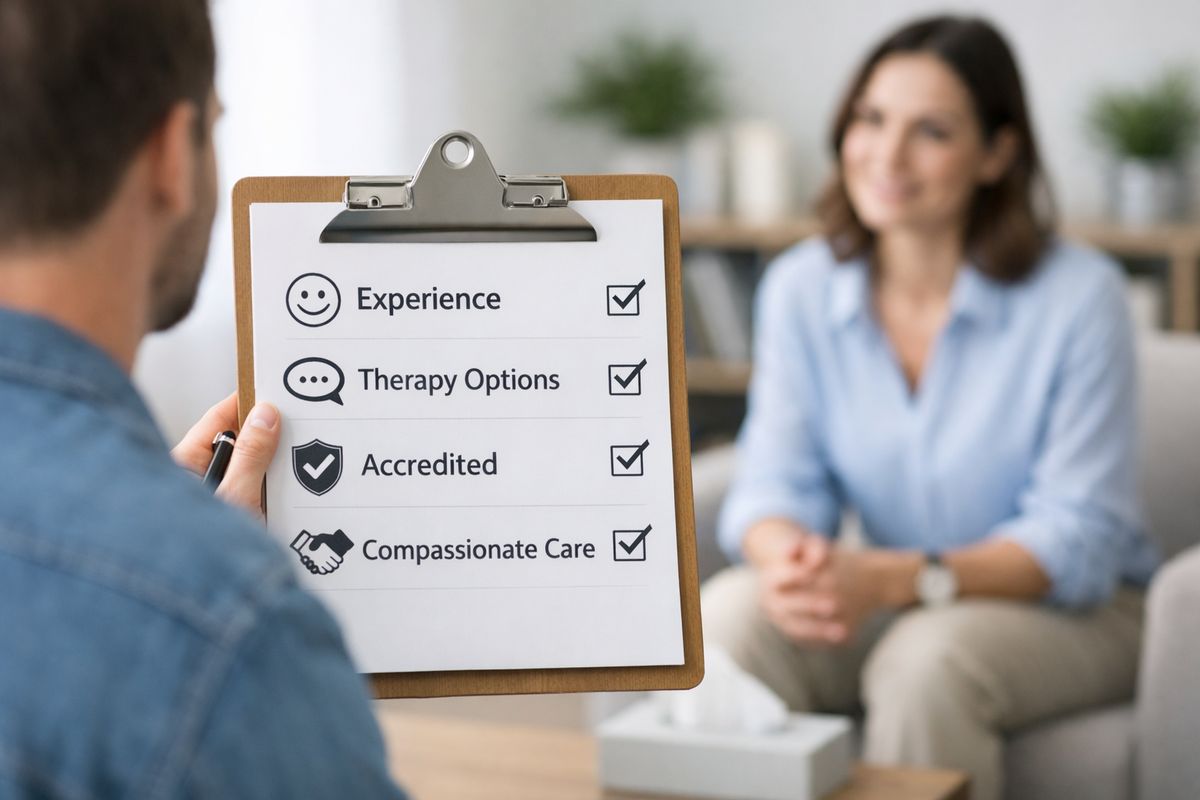
Verify that your chosen clinic holds accreditation from bodies like CARF or the Joint Commission and that prescribing physicians are board certified in addiction medicine or psychiatry. Confirm that counselors hold state licensure and relevant certifications—such as IC&RC credentials or Master Addiction Counselor (MAC) accreditation—to ensure you receive evidence-based care.
Location and scheduling
Select a clinic with hours that fit your routine, including early-morning, evening, or weekend options. If you live in remote areas, ask about telehealth appointments for medication management and counseling. Clinics with hub-and-spoke models let you receive medication locally while connecting virtually with specialists at a centralized hub.
Prepare your questions
Arrive at your first appointment ready to gain clarity. Consider asking:
- What are the credentials of your medical and counseling staff?
- How often will I attend medication dosing and therapy sessions?
- How does the clinic handle confidentiality and urine drug screening?
- What support is available for childcare, transportation, or financial assistance?
- How do you coordinate care with other providers, such as primary care physicians or mental health specialists?
Embrace your recovery journey
Choosing a substance use medication therapy clinic is a significant step toward reclaiming control over your life. By scheduling an evaluation, reviewing program credentials, and selecting a clinic that aligns with your needs, you set the stage for a recovery journey grounded in evidence-based medicine and compassionate support.