
Define medication assisted treatment
When you explore treatment for opioid or alcohol use, you’ll come across medication assisted treatment, often called MAT. MAT with individualized treatment planning combines FDA-approved medications with counseling and support services to address both the physical and behavioral aspects of addiction. By integrating medication therapy into a broader recovery framework, you receive a holistic approach designed to reduce cravings, prevent withdrawal, and improve long-term outcomes.
Medication assisted treatment for addiction is backed by decades of research showing it can halve overdose risk and boost retention in recovery programs. Whether you’re seeking mat for alcohol and opioid recovery or looking to stabilize with suboxone maintenance treatment program, MAT provides a structured path that meets you where you are. From your first dose through ongoing care, you remain at the center of a plan that evolves with your progress.
Describe individualized treatment planning
An individualized treatment plan, or ITP, is a written roadmap tailored to your unique needs, strengths, and goals. According to Mastermind Behavior, an ITP “addresses a person’s specific behavioral health needs, recognizing that every child is unique,”—an approach you can apply equally to adult recovery [1]. In your MAT program, an ITP encompasses:
- A comprehensive assessment of your substance use history, mental health, and social factors
- Clear, measurable objectives for sobriety, wellness, and relapse prevention
- A customized schedule of medications, counseling sessions, and support resources
- Defined roles for your treatment team, including physicians, therapists, and peer mentors
Because you and your providers review progress regularly, your plan can adapt as you meet milestones or face new challenges. This collaborative model ensures you’re an active partner in every decision, boosting engagement and satisfaction.
Explore integrated medication benefits
By pairing medication with counseling and peer support, you address addiction on multiple fronts. Medication helps stabilize brain chemistry, relieving withdrawal and reducing cravings so you can focus on the behavioral work. Counseling then equips you with coping strategies, emotional insights, and relapse prevention skills.
Key advantages of integration include:
- Faster stabilization. With medications such as buprenorphine or naltrexone, you can achieve relief within days.
- Enhanced engagement. Studies show that when medication is combined with regular therapy, you’re more likely to attend sessions and stay on track.
- Synergistic effect. Counseling deepens your understanding of triggers and thought patterns, while medication provides the physiological foundation for change.
If you value a program that balances chemistry and counseling, you may consider joining a mat program with counseling services that structures both elements into every phase of care.
Outline MAT core components
Your MAT program typically includes three pillars that work together to support recovery.
Medication management
Medications approved for opioid or alcohol use disorders help you manage withdrawal, reduce cravings, and prevent relapse. Dosages and schedules are adjusted to your progress and tolerances.
Behavioral counseling
One-on-one and group therapies teach you skills like:
- Recognizing high-risk situations
- Managing stress and emotions
- Building healthy routines and relationships
Support services
Additional services may include:
- Case management to coordinate medical and social care
- Peer support groups for shared experiences
- Family education to involve loved ones in your recovery
This combination ensures you’re not just taking a pill but engaging in a comprehensive recovery journey.
Emphasize ongoing progress assessment
Regular assessment keeps your treatment responsive to change. Every few weeks or months, your team will:
- Review medication effectiveness and side effects
- Measure your mental health symptoms, using standardized scales
- Evaluate counseling goals, updating objectives as you grow
- Solicit your feedback on what’s working and what needs adjustment
Precision mental health care underscores the importance of data-driven treatment adaptation. By integrating digital tools to capture your symptom patterns and comparing them with large datasets, clinicians can refine recommendations in real time [2]. This approach maximizes treatment efficacy without replacing your critical insight as the expert on your own experience.
Review medication management options
Your MAT medication is chosen based on your history, health status, and personal preferences. Common options include:
| Medication | Primary use | Key benefit |
|---|---|---|
| Buprenorphine | Opioid use disorder | Reduces cravings with low overdose risk |
| Methadone | Opioid use disorder | Full opioid agonist for stabilization |
| Naltrexone | Alcohol and opioid relapse prevention | Blocks opioid receptors; no misuse potential |
When you discuss options, consider factors such as treatment setting, daily dosing requirements, and any co-occurring disorders. You might explore subutex medication management or opioid addiction medication therapy to see which aligns best with your lifestyle.
Detail safe tapering support
Some people pursue long-term maintenance while others aim to taper off medication over time. Safe tapering support is critical to prevent withdrawal and reduce relapse risk. Key elements include:
- Gradual dose reductions based on physician guidance
- Close monitoring for withdrawal symptoms and mood changes
- Supplemental counseling focused on coping with life without medication
- Adjustments to taper schedule in response to your progress
If tapering is your goal, look for programs offering a medication tapering support program and post-detox medication management. These services ensure you have the structure and oversight needed to succeed.
Integrate counseling and support
Counseling is the backbone of behavioral change. In an outpatient medication assisted program, you might attend:
- Individual therapy sessions with a licensed counselor
- Group workshops on relapse prevention
- Peer-led support circles for shared accountability
If you prefer faith perspective, a faith-integrated mat program can incorporate spiritual guidance alongside clinical care. Veterans may find specialized camaraderie in mat for veterans in recovery, while those with co-occurring mental health conditions can enlist help from mat for co-occurring disorders.
By weaving counseling into every aspect of your plan, you learn to apply practical tools to real-world challenges, reinforcing the stability medication provides.
Monitor outcomes and adjustments
Tracking your recovery metrics helps you and your team celebrate victories and address setbacks promptly. Common indicators include:
- Treatment retention rates
- Craving intensity scales
- Frequency of therapy attendance
- Quality of life assessments
Your care team may use periodic surveys or check-ins to capture this data. When needed, they’ll adjust medication dosages, add new therapy modules, or connect you to additional resources. This dynamic process, rooted in addiction medicine and recovery care, ensures you’re always moving toward lasting sobriety.
Choose your MAT program
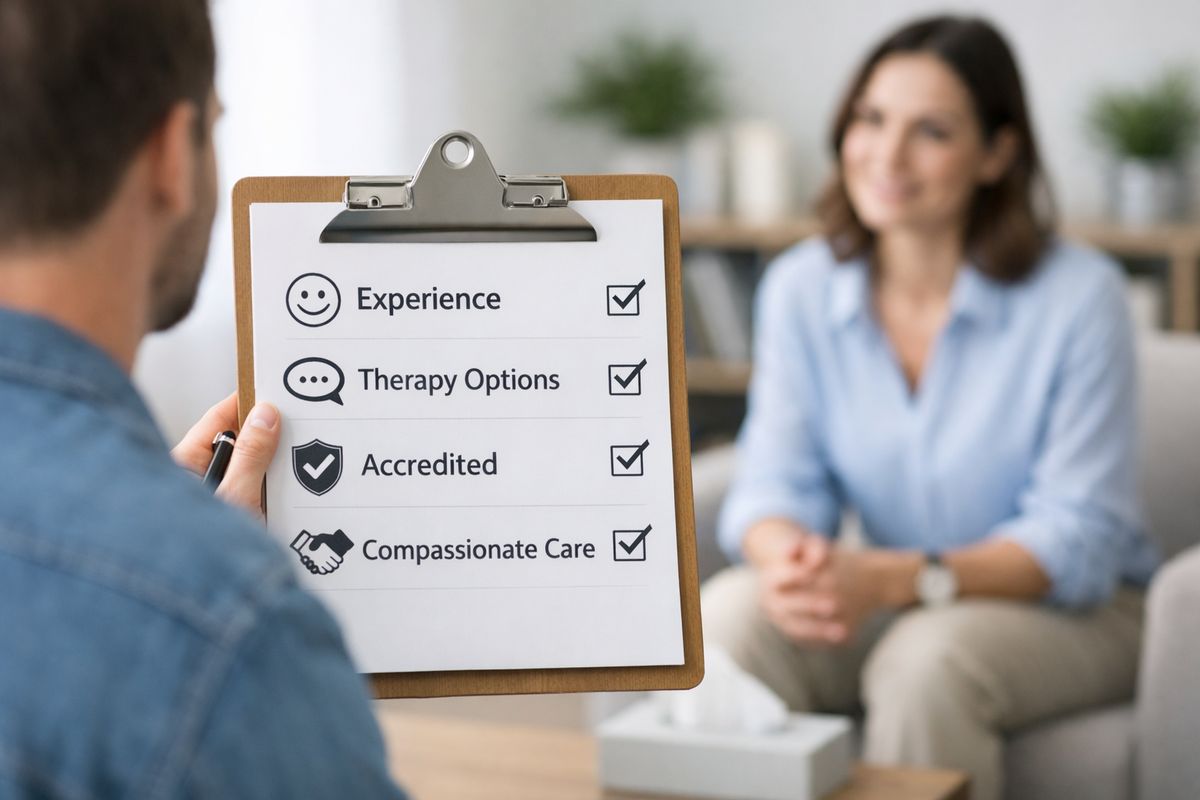
Selecting the right MAT environment is a personal decision. As you evaluate options, consider:
- Accreditation and licensing of the facility or clinic
- Credentials and experience of your medical and counseling team
- Availability of an ITP that prioritizes your goals
- Flexibility for telehealth or in-person visits
- Integration of family or peer support networks
Whether you need a structured mat for long-term addiction stabilization or want a comprehensive medication assisted treatment for addiction plan, the program you choose should align with your recovery vision. By putting you at the center of every decision, MAT with individualized treatment planning empowers you to chart a course toward lasting wellness.