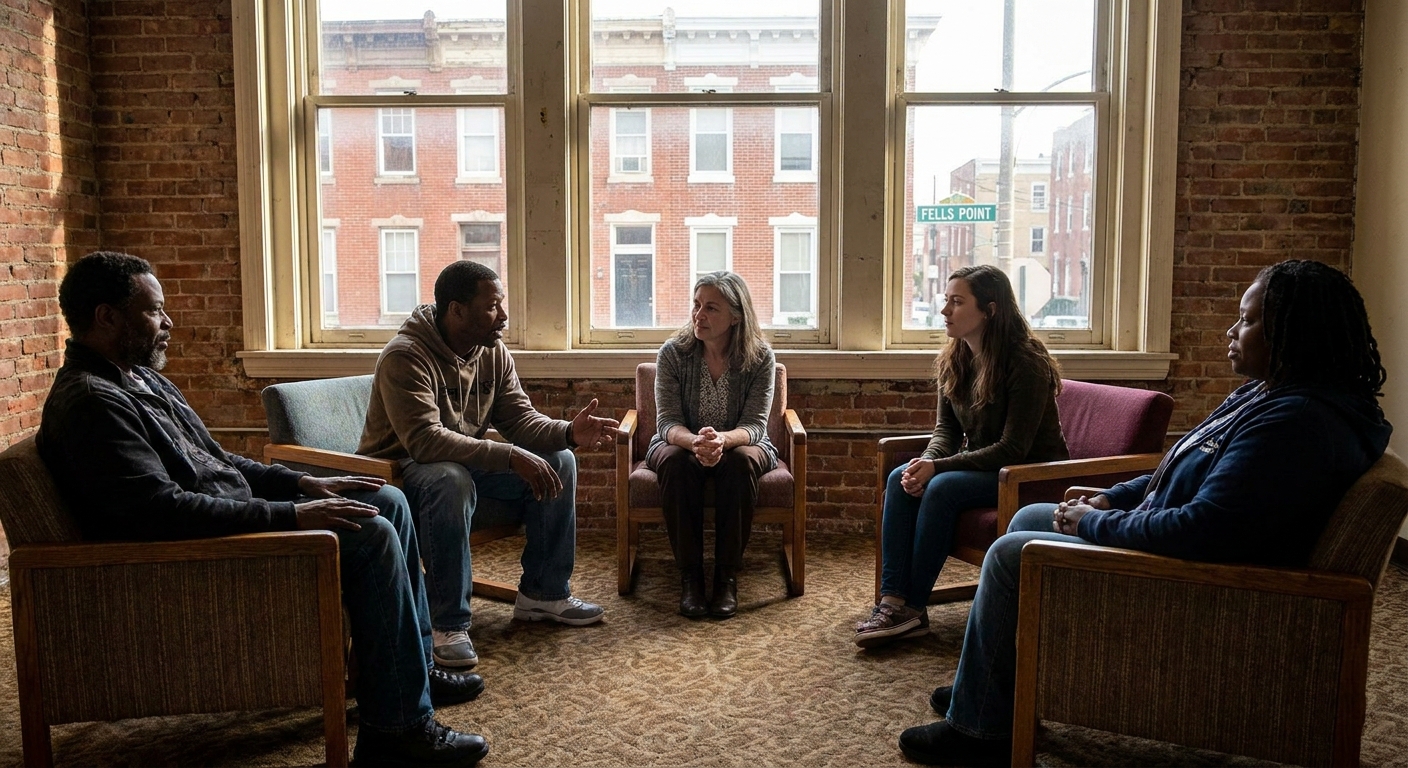

Supportive housing with life skills training offers you a comprehensive path to long-term stability by pairing safe, affordable homes with targeted instruction in everyday competencies. When you enter a program that combines housing and life skills development, you gain more than a roof over your head—you build the tools needed to manage your health, finances, relationships, and community involvement. Throughout this article, you’ll learn what supportive housing entails, explore the core elements of life skills training, understand the benefits of merging these services, and discover how to access and maximize programs designed to foster lasting independence.
Supportive housing overview
Supportive housing blends affordable living with wraparound services that address complex needs, from mental health care to employment support. By design, it helps people who have faced homelessness, disability, or other barriers live with autonomy and dignity.
Definition and goal
Supportive housing is a permanent housing model that offers residents both a stable dwelling and ongoing assistance. Its goals include:
- Ensuring you have a continuous place to call home
- Providing case management and life stabilization services
- Fostering emotional, physical, and financial well-being
This approach contrasts with transitional models by offering open-ended tenancy and individualized support tailored to your circumstances.
Supportive services model
Communities often establish supportive housing through partnerships among local governments, housing authorities, nonprofit agencies, and corporate sponsors. For example, National Church Residences’ Permanent Supportive Housing approach combines safe, affordable units with services like computer and financial literacy classes, workforce development, and recreational activities to enhance mental and emotional stability [1]. These collaborations ensure a robust support network that guides you toward independent living.
Life skills training overview
Life skills training equips you with practical abilities essential for daily living and long-term success. When integrated into supportive housing, it reinforces your capacity to maintain stability and pursue personal goals.
Core life skills
Programs typically cover competencies such as:
- Personal hygiene and self-care
- Meal planning and cooking
- Time management and organizational skills
- Financial literacy, budgeting, and bill payment
- Household maintenance and safety
- Communication and interpersonal skills
Mastering these skills allows you to navigate everyday challenges and reduces the risk of crisis that can lead back to instability.
Training approaches
Effective life skills instruction often involves:
- Direct teaching
- Structured lessons on topics like banking or meal prep
- Guided practice
- Supervised cooking labs or simulated budgeting exercises
- Real-world application
- Opportunities to apply skills through community service or volunteer work
Research shows that combining instruction with hands-on practice accelerates learning and boosts confidence, enabling you to apply new skills in your day-to-day life [2].
Benefits of combined services
By merging supportive housing with life skills training, you gain advantages across multiple domains—housing stability, health, economic security, and social integration. This holistic framework addresses root causes of instability and equips you for lasting success.
Housing stability
Stable housing is the foundation for recovery and growth. In studies of permanent supportive housing, participants experienced significantly fewer days without a home compared to those in usual care. For instance, scattered-site housing with intensive case management under the At Home/Chez Soi program resulted in more days stably housed each year [3]. High retention rates—around 84% over 30 months—demonstrate the model’s effectiveness in keeping you off the streets.
Health improvements
When you have a secure living environment and access to supportive services, your mental and physical health often improve:
- Reduced substance use and relapse rates
- Fewer emergency department visits and hospital stays
- Enhanced management of chronic conditions
One study found a 54% drop in emergency medical service calls among medically vulnerable residents, with each additional month in supportive housing reducing the likelihood of EMS contact by 3% [3].
Economic outcomes
Supportive housing with life skills training is fiscally responsible—costs align closely with traditional crisis responses while delivering better results. Cost studies reveal:
- In New York City, supportive housing saved an average of $16,282 per unit annually, covering 95% of program costs [4]
- In Portland, Oregon, annual savings per person reached $24,876, surpassing the $9,870 cost of housing and services [4]
Table: Cost-benefit summary of supportive housing programs
| Program type | Median cost per year | Median benefit per year | Benefit-to-cost ratio |
|---|---|---|---|
| U.S. Housing First | $16,479 | $18,247 | 1.80 : 1 |
| Combined international | $16,336 | $17,751 | 1.06 : 1 |
These figures highlight how the economic benefits of stability, health, and reduced crisis care often exceed program costs [5].
Essential program components
A robust supportive housing initiative with life skills training integrates various elements to meet your unique needs and promote self-sufficiency.
Affordable housing units
Your program should provide safe, well-maintained dwellings designed for comfort and accessibility. Features often include:
- Private or shared apartments
- On-site support offices
- Accessible common areas for workshops
Case management and support
Individualized case management helps you navigate services, set goals, and monitor progress. Case managers coordinate referrals, connect you to resources, and advocate on your behalf. Many programs partner with mental health providers to offer supportive housing with mental health services for those who need dual support.
Life skills workshops
Structured group sessions and one-on-one coaching cover:
- Cooking and nutrition
- Budgeting and money management
- Personal hygiene and self-care
- Community integration and communication
These workshops often run weekly and use interactive methods to reinforce learning.
Employment readiness
Securing stable income is essential for independence. Programs may include a job readiness program for people in recovery or combine housing with vocational support. Typical services involve:
- Resume building and interview practice
- Job search assistance
- Workplace etiquette training
By addressing employment barriers, you build confidence and financial stability.
How supportive housing works
Understanding the application process and the partnerships behind supportive housing can simplify your journey toward enrollment.
Application process
Most supportive housing programs require referral through a community’s Coordinated Entry System. To begin:
- Contact your local homeless services or housing authority
- Complete an intake assessment
- Obtain a referral from the Coordinated Entry System
- Submit documentation on your housing history, income, and support needs
Once accepted, you receive a housing offer and an individualized service plan.
Collaborative partnerships
Effective supportive housing relies on collaboration among:
- Local and city governments
- Housing authorities
- Nonprofit agencies
- Health care providers
- Private foundations and corporate sponsors
These partnerships ensure you access comprehensive services, from case management services for recovery clients to vocational and recreational programs.
Maximizing life skills outcomes
To benefit fully from training, you need personalized plans and ongoing reinforcement.
Personalized training plans
Your case manager works with you to identify skill gaps and set realistic goals. Plans often include:
- A schedule of workshops tailored to your needs
- One-on-one coaching sessions
- Check-ins to adjust training based on progress
Practice and reinforcement
Applying new skills in real-world settings cements learning. Opportunities may include:
- Volunteer placements that mirror household or workplace tasks
- Community recreational activities to build social skills
- Internships or work trials through workforce development programs
Additionally, some supportive housing communities offer computer and financial literacy courses to strengthen your employability and daily living skills [1].
Measuring program impact
Evaluating outcomes helps you and program operators understand what’s working and where improvements are needed.
Stability and retention rates
Retention rates measure how many participants remain housed over time. High annual retention—typically above 80%—reflects effective support and stable living conditions.
Cost-benefit analysis
Quantifying cost savings for health care, emergency services, and justice system involvement underscores program value. As shown in multiple studies, benefits often exceed intervention costs by 6% to 80%, depending on the scope and location [5].
Accessing supportive housing
Finding the right program requires research, referrals, and sometimes persistence. Here’s how to begin:
Finding a program near you
- Reach out to local Continuum of Care (CoC) coalitions or HUD Exchange resources
- Contact agencies offering behavioral health supportive housing services
- Explore nonprofit listings and municipal housing authority websites
Eligibility and referral
Eligibility criteria vary but often include:
- History of homelessness or housing instability
- Disability or chronic health condition, including substance use disorders
- Income below a certain threshold
Referrals typically originate from social service providers, emergency shelters, or reentry programs such as reentry housing program for individuals post-incarceration.
Your path to stability
Engaging fully with supportive housing and life skills training lays the groundwork for lasting independence. Consider these next steps:
Engaging with services
- Attend all scheduled workshops and coaching sessions
- Communicate openly with your case manager about challenges
- Set small, achievable goals and celebrate progress
Building support networks
- Connect with peers in group sessions or peer support programs
- Involve family members or mentors in your recovery journey
- Participate in community activities to expand your network
Taking proactive steps
- Practice skills daily—meal prep, budgeting, hygiene routines
- Seek out volunteer or internship opportunities to reinforce training
- Continue exploring educational and vocational pathways
Overall, supportive housing with life skills training equips you to break the cycle of instability and create a foundation for a healthier, more productive life. By combining safe housing, individualized support, and practical training, you can chart a path toward lasting recovery, community integration, and independence. If you’re ready to take the next step, reach out to local providers or explore programs such as transitional housing for addiction recovery and sober living and supportive housing program to find the right fit for your journey.