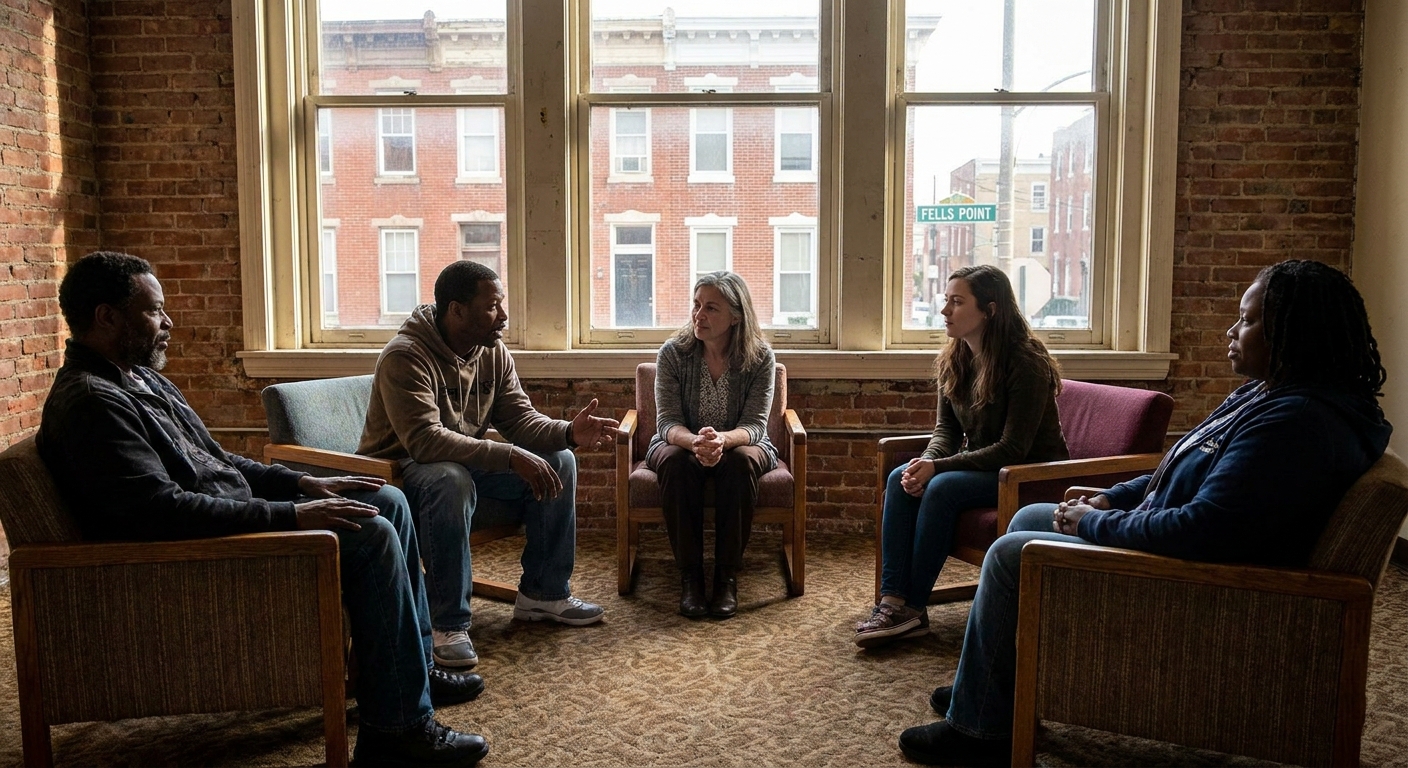

You’re looking for a stable environment where you can rebuild your life after substance use, mental health challenges, or incarceration. Supportive housing with peer support offers just that—a combination of affordable housing, structured services, and guidance from people who’ve walked a similar path. In this article, you’ll explore how this model works, the services you can access, and how to choose the right program for your needs.
Supportive housing with peer support
Defining the model
Supportive housing blends affordable, permanent housing with wrap-around services designed to foster long-term stability. Rather than simply providing a roof over your head, this approach pairs you with Certified Peer Support Specialists who draw on personal experience to guide you through recovery and reintegration.
Core components
- Safe, affordable housing tailored to your needs
- Peer support from individuals in long-term recovery [1]
- Case management to connect you with healthcare, employment, and community resources
- Life skills training in areas like budgeting, cooking, and time management
- Coordination with clinical services for co-occurring disorders
Benefits of peer support
Enhanced housing stability
Peer-supported housing models mirror Housing First outcomes, improving housing stability by 41% and decreasing homelessness by 88% compared to traditional approaches [2]. Having someone who’s faced similar barriers can help you navigate challenges and remain housed.
Reduced crisis interventions
When peers are involved, emergency department visits drop by up to 41% and hospitalizations fall by 36% among participants living with HIV [2]. That translates to fewer setbacks and more consistent progress toward wellness.
Improved community integration
Certified Peer Support Specialists use empathy, nonjudgmental communication, and shared power to foster trust. You’ll gain a supportive network that boosts self-advocacy, reduces stigma, and encourages engagement in community activities [1].
Stabilization services offered
Life skills training
You’ll build practical abilities in a supportive setting through programs like supportive housing with life skills training. These workshops can cover everything from meal planning to conflict resolution, empowering you to live independently.
Employment readiness support
Securing a job can anchor your recovery. Many sites integrate job readiness programs for people in recovery, offering resume help, interview coaching, and connections to local employers.
Family reintegration programs
Reconnecting with loved ones is a vital step. Specialized programs for family reintegration and recovery guide you and your relatives through rebuilding trust, setting boundaries, and nurturing healthy relationships.
Reentry housing options
Ex-offender supportive housing
If you’re returning from incarceration, you can access an ex-offender supportive housing and reentry program that pairs you with peers who’ve successfully made the transition. This targeted support helps you navigate parole requirements and avoid recidivism.
Veterans transitional housing
Veterans may qualify for HUD-VASH or similar initiatives. A transitional housing program for veterans offers case management, peer mentorship, and access to VA-funded services to ease your return to civilian life.
Sober living alternatives
For a step down from clinical care, consider a sober living and supportive housing program. You’ll live in a structured, substance-free environment with peers committed to sobriety.
Case management integration
Role of case managers
Professional case managers assess your needs, coordinate services, and monitor progress. Through case management services for recovery clients, you get personalized plans that address mental health, medical care, and social support.
Peer-led case teams
When peer specialists join the care team, you benefit from lived experience alongside clinical expertise. A supportive housing with case management team ensures you receive both empathy and professional guidance.
Coordination with providers
Effective programs link you to medical, behavioral health, and vocational services. Many sites offer supportive housing with mental health services so you can address all aspects of recovery under one umbrella.
Community support services
Counseling and therapy
Individual and group counseling help you process trauma and develop coping strategies. Look for programs that include community support services for recovery to reinforce your peer network with professional therapy.
Peer-led group activities
Regular group meetings, social outings, and skill-building workshops foster connection and accountability. These peer-driven activities reduce isolation and inspire continued growth.
Accessing local resources
Your case manager or peer specialist can link you to job placement, educational programs, and public benefits. For immediate assistance, explore options like housing assistance for people in recovery.
Comparing housing models
Before committing, weigh different residential options:
| Model | Duration | Core services |
|---|---|---|
| Supportive housing | Ongoing | Peer support, case management |
| Transitional housing | Time-limited | Clinical therapy, life skills workshops |
| Sober living | Variable | Peer accountability, sober environment |
- Supportive housing focuses on long-term stability with professional and peer supports
- Transitional housing often serves as a step down for people leaving intensive treatment, similar to transitional housing for addiction recovery
- Sober living emphasizes peer accountability and structured household rules
Choosing the right program
Evaluation criteria
When you compare programs, consider:
- Services offered: peer support, therapy, life skills
- Eligibility requirements: income, health status, criminal history
- Housing format: private units or communal living
- Funding and cost: sliding scales, vouchers, grants
Next steps
Reach out to programs that align with your goals. Schedule a tour, ask about peer staff qualifications, and review case management plans. If you’re ready to commit to lasting stability, explore options like a supportive housing program for recovery today.
By choosing a peer-supported housing model, you gain more than just a home—you gain a community committed to your success. With the right blend of services, you can build the foundation for lasting wellness and independence.
References
- (NCBI)
- (PubMed Central)