
Facing alcohol withdrawal can feel overwhelming. If you or a loved one is considering alcohol detox with medical supervision, understanding its life-saving potential can make a critical difference. When you stop heavy drinking abruptly, your body may react with symptoms that range from mild shakes to life-threatening seizures and delirium tremens. Medically supervised detox provides a controlled setting where healthcare professionals monitor vital signs, administer medications, and intervene at the first sign of complications. This approach not only reduces discomfort and risk, but also sets the foundation for ongoing recovery.
In addition to symptom management, you gain access to tailored treatment programs, comprehensive care, and the support necessary for lasting recovery. Throughout this article, you will learn how structured alcohol withdrawal management helps you navigate the critical first stage of recovery. We will explore detox options, compare inpatient and outpatient settings, review the role of medications, and outline how you transition into long-term rehab. Whether you’re exploring residential or home-based approaches, medication-assisted treatments, or seeking counseling support, this guide will equip you with the knowledge to make an informed choice.
Understanding medical detox
Medical detox is the first step in recovering from alcohol use disorder, focusing on safely managing withdrawal symptoms under professional care. Without medical supervision, moderate to severe alcohol withdrawal can be dangerous; seizures and delirium tremens may become life threatening [1]. By choosing medically supervised detox, you enter a supportive environment where your vital signs are checked regularly, and medications are tailored to your needs.
Key elements of medical detox include:
- Comprehensive assessment: A thorough evaluation of your physical health, drinking history, and co-occurring mental health conditions establishes an individualized plan.
- Continuous monitoring: Nurses and physicians track your heart rate, blood pressure, and hydration status to detect complications early.
- Medication management: Benzodiazepines or other appropriate medications are administered to prevent severe withdrawal symptoms.
- Symptom-triggered dosing: Medications may be given based on your symptom severity rather than fixed schedules, ensuring effective relief with minimal sedation.
Inpatient medical detox offers around-the-clock supervision, making it the safest option for those with moderate to severe withdrawal or co-existing medical issues. For those with milder symptoms, you might consider outpatient care or home-based supervision that still involves regular medical visits for check-ins and medication adjustments. Learn more about options for medical detox for alcohol withdrawal.
Recognizing withdrawal symptoms
Alcohol withdrawal syndrome can affect about 50% of people with alcohol use disorder who stop or significantly decrease their intake [2]. Symptoms typically begin 6 to 24 hours after your last drink and may peak around 24 to 72 hours later, though some issues can persist for days or weeks.
Withdrawal symptoms range in severity:
-
Mild symptoms:
-
Tremors, sweating, and headaches
-
Anxiety, irritability, and insomnia
-
Gastrointestinal discomfort, nausea
-
Moderate symptoms:
-
Hallucinations (visual or auditory)
-
Increased heart rate and blood pressure
-
Confusion or disorientation
-
Severe symptoms:
-
Seizures, often within the first 48 hours
-
Delirium tremens (DTs) marked by severe confusion, fever, and hypertension
-
Risk of death in 5% to 10% of DTs cases without treatment [2]
Risk factors for severe withdrawal include long-term heavy drinking, previous detox attempts, liver dysfunction, older age, and concurrent drug use [3]. Recognizing these signs early and seeking medical supervision can prevent escalation and ensure you receive timely interventions.
Comparing detox settings
Choosing between inpatient and outpatient detox depends on the severity of your withdrawal, your living situation, and access to medical care. Both settings can be effective, but each has distinct advantages.
| Setting | Supervision level | Cost | Medication access | Typical duration |
|---|---|---|---|---|
| Inpatient detox | 24-hour monitoring | Higher | On-site administration | 3 to 10 days |
| Outpatient detox | Regular clinic visits | Moderate-low | Prescriptions, take-homes | 1 to 2 weeks |
Inpatient detox provides a controlled, substance-free environment where staff can address complications immediately. It is often recommended if you face severe symptoms, co-occurring disorders, or a high risk of relapse. Explore more about residential options at residential detox for substance abuse.
Outpatient care suits individuals with mild to moderate symptoms, stable home environments, and reliable support networks. You attend scheduled appointments for medication management and vital-sign monitoring, returning home each day. For details on home-based approaches, see our guide to outpatient drug detox services.
Exploring medication assistance
Medications play a critical role in reducing withdrawal discomfort and preventing complications. Benzodiazepines remain the gold standard due to their cross-tolerance with alcohol, effectiveness in preventing seizures and delirium tremens, and safety profile when used appropriately [4]. Other medications can support your comfort and health:
- Naltrexone or acamprosate to reduce cravings
- Anticonvulsants for seizure prevention
- Antiemetics to control nausea
- Antipsychotics for severe agitation or hallucinations
- Antidepressants or anxiolytics for mood stabilization
In addition to symptom management, medication-assisted treatment (MAT) programs integrate longer-term medications and counseling to support sustained recovery. If you’re considering a combined approach, learn about our medication assisted treatment program. For those with opioid dependence alongside alcohol use, a suboxone clinic for opioid addiction can help manage both conditions safely.
Planning post-detox care
Detox is just the initial phase of recovery. To build on the stability you gain, you need ongoing therapy and support structures. A tailored transition plan should address your individual needs and may include:
- Individual counseling or cognitive behavioral therapy
- Group therapy for peer support and accountability
- Family therapy to repair relationships and communication
- Dual diagnosis care for co-occurring mental health disorders
- Holistic therapies such as mindfulness, yoga, or art therapy
Outpatient rehab programs allow you to apply coping skills in real-world settings while maintaining daily routines. If you’re ready to continue care, consider our alcohol detox and outpatient rehab or integrate medication oversight with detox with medication management support. Effective aftercare planning often includes relapse prevention strategies, support group referrals, and ongoing check-ins with your healthcare team.
Selecting the right program
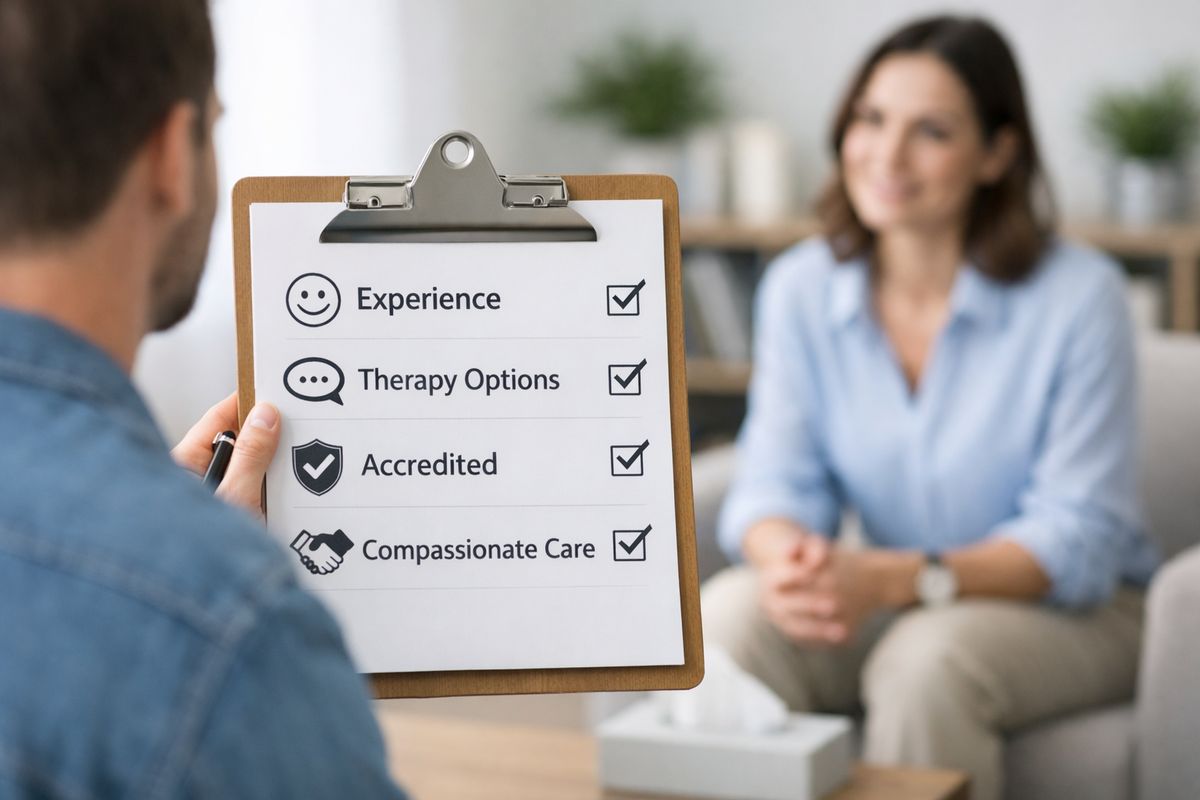
When evaluating detox and recovery services, consider:
- Severity of withdrawal risk and medical complexity
- Availability of 24-hour medical staff
- Access to individual and group counseling
- Options for dual diagnosis treatment
- Location, cost, and insurance coverage
- Credentials and experience of the treatment team
Make a list of questions to ask admissions counselors, such as:
- What is the staff-to-patient ratio during detox?
- How are medications selected and administered?
- Do you provide ongoing therapy after detox?
- Are family members involved in the care plan?
- How do you measure and track progress?
For comprehensive options that combine safe detox with personalized support, explore our addiction recovery detox services or discover the best detox center for addiction tailored to your needs.
Choosing a program that aligns with your health profile, personal circumstances, and long-term goals sets the stage for sustained sobriety and well-being. Remember, medical supervision not only saves lives during withdrawal but also opens the door to lasting recovery.
If you’re ready to take the first step, reach out today and learn how a medically supervised detox can help you or your loved one begin a healthier, more hopeful chapter.