
Understanding dual diagnosis
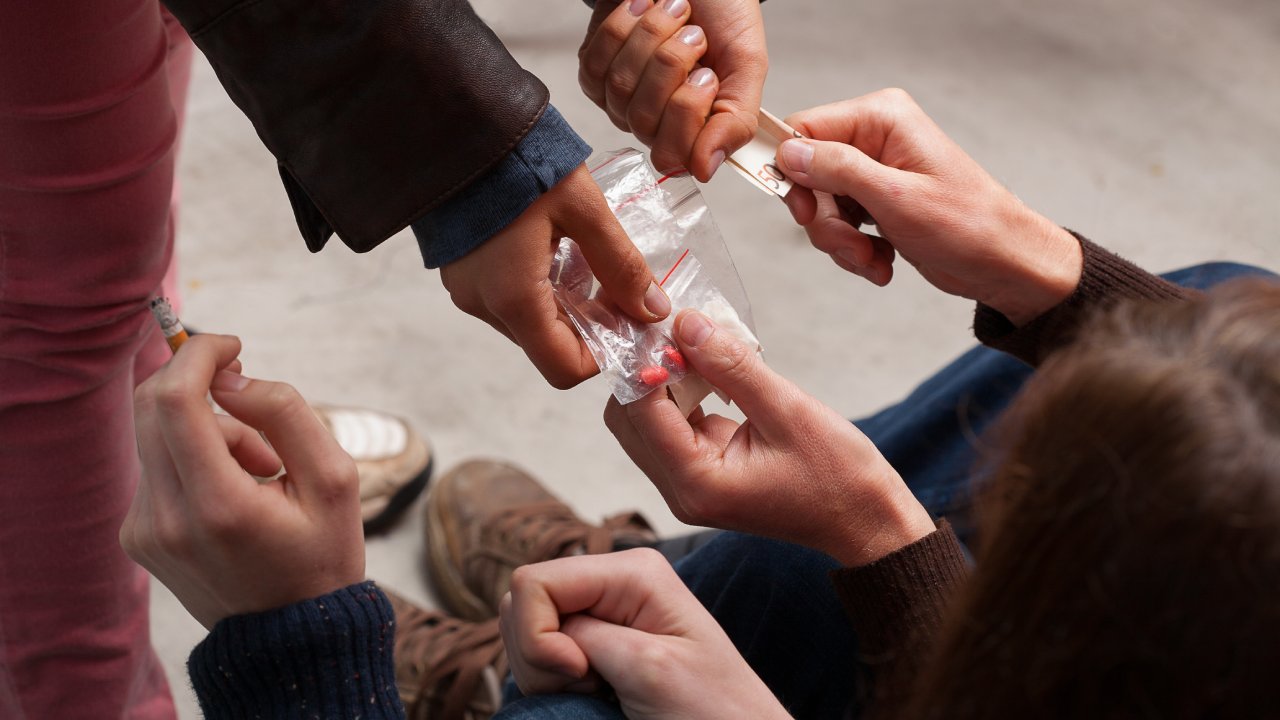
When you seek schizophrenia and addiction dual diagnosis care, you may feel daunted by the overlapping complexities of psychotic symptoms and substance use. Co-occurring disorders require a cohesive approach that addresses both mental health challenges and addiction simultaneously. Integrated care models offer a pathway to recovery by combining psychiatric treatment with evidence-based addiction services, fostering comprehensive care tailored to your needs.
Prevalence and impact
Co-occurring substance use disorders occur in 50 %–70 % of individuals with schizophrenia [1]. In fact, nearly half of people diagnosed with schizophrenia will experience a lifetime drug or alcohol disorder, compared with 16 % of the general population [2]. These statistics illustrate how common dual disorders are and underscore the importance of screening for addiction when you are treated for serious mental illness.
Challenges of co-occurrence
Managing both schizophrenia and substance use presents unique obstacles. As a result of dual disorders, you may face:
- Increased psychotic symptoms and hospitalizations
- Poor adherence to medication and treatment plans
- Higher risk of violence and self-harm
- Housing instability and financial difficulties
- Greater vulnerability to medical complications, including HIV and hepatitis [1]
These intertwined issues highlight the necessity of an integrated treatment framework that can address psychiatric care, addiction therapy, and medical support in a single continuum.
Exploring integrated treatment
Integrated treatment blends mental health and addiction services into a unified program, ensuring you receive coordinated support. This approach is endorsed by leading authorities as the standard of care for dual diagnosis [3].
Screening and assessment
A thorough evaluation lays the groundwork for effective care. Key steps include:
- Objective screening tools, such as the Alcohol Use Disorders Identification Test
- Standardized self-report questionnaires for substance use severity
- Psychiatric assessment of schizophrenia symptoms and co-occurring disorders
- Evaluation of motivation for change and readiness to engage in treatment
Accurate screening helps clinicians design individualized plans that address both your psychiatric and addiction needs.
Personalized treatment planning
Your recovery journey begins with an individualized plan that reflects your unique history, challenges, and goals. Effective planning involves:
- Collaboration with a multidisciplinary team of psychiatrists, therapists, and addiction specialists
- Integration of psychiatric medication management and behavioral therapies
- Inclusion of family or peer support when appropriate
- Clear treatment goals, timelines, and measurable milestones
A comprehensive dual disorder treatment program, like our co-occurring disorder treatment program, ensures that every aspect of your care is aligned.
Pharmacotherapy options
Medication plays a central role in stabilizing symptoms and reducing cravings. You might benefit from:
- Atypical antipsychotics, such as clozapine, which has shown promise in reducing alcohol, cannabis, and tobacco use [4]
- Typical antipsychotics for primary symptom control
- Adjunctive agents for addiction, including disulfiram, naltrexone, or nicotine replacement therapy [4]
- Dopamine receptor partial agonists like aripiprazole, brexpiprazole, or cariprazine to address psychotic symptoms and support substance use recovery
Your clinician will monitor responses and adjust dosing to balance symptom relief with minimizing side effects.
Psychosocial interventions
Behavioral therapies build skills and reinforce recovery. Core interventions include:
- Cognitive-behavioral therapy to challenge unhelpful thought patterns
- Motivational interviewing to enhance readiness for change
- Skills training for coping with triggers and stressors
- Family therapy and peer support to strengthen your social network
- Case management to coordinate medical care and community resources
An integrated dual diagnosis treatment for addiction and mental health ensures you receive consistent psychosocial support alongside medication management.
Assessing care settings
Selecting the right level of care is critical for your safety and progress. Options range from outpatient services to residential programs, each designed to meet different acuity levels.
Outpatient programs
Outpatient care offers flexibility if you have a stable home environment and a strong support system. Services often include:
- Regular medication management by a psychiatrist
- Individual therapy sessions
- Group counseling focused on dual diagnosis
- Access to case managers for resource coordination
Our schizophrenia outpatient treatment services provide ongoing support while you continue daily responsibilities.
Intensive outpatient and PHP
When you require more structure, consider:
- Intensive outpatient programs (IOP)
- Typically 9–15 hours per week of therapy
- Allows you to return home each day
- Ideal for early relapse prevention and skill building
- Partial hospitalization programs (PHP)
- Full-day treatment Monday through Friday
- Comprehensive group and individual therapy
- Medical supervision and on-site psychiatric services
Both options balance intensive care with opportunities to maintain work or family roles. Explore our iop for mental health and substance abuse and php for co-occurring disorders for detailed program structures.
Residential treatment levels
Residential programs offer 24-hour care in a secure environment when you need intensive support. Key features include:
- A structured daily schedule of therapy and activities
- Peer support in a substance-free setting
- On-site medical and psychiatric staff
- Holistic therapies such as mindfulness, yoga, and recreational therapy
For individuals with complex dual disorders, our residential treatment for schizophrenia and addiction provides the comprehensive care necessary for stabilization and growth.
Highlighting program benefits
Engaging in a specialized dual diagnosis program can transform your recovery path. Research shows that integrated approaches yield superior long-term results.
Improved treatment outcomes
Integrated care is linked to:
- Reduced substance use and fewer relapses
- Lower rates of psychiatric hospital readmission
- Enhanced medication adherence and symptom management
- Better overall quality of life
These outcomes reflect the value of tailored treatment programs that address both schizophrenia and addiction together.
Building support networks
A supportive environment fosters resilience. Dual diagnosis programs often include:
- Peer groups where you can share experiences without judgment
- Family therapy to repair relationships and strengthen home support
- Opportunities to practice social skills in a safe setting
Participation in a dual diagnosis program with family therapy can deepen your support network and encourage lasting connections.
Cost effectiveness
Although integrated programs may appear resource intensive, they often reduce long-term costs by:
- Preventing costly emergency interventions and rehospitalizations
- Streamlining care coordination to avoid service duplication
- Supporting sustained recovery, which lowers future healthcare utilization
An investment in comprehensive dual disorder care can yield financial and health dividends over time.
Choosing your treatment program
Selecting the right program involves aligning services with your unique requirements and preferences.
Identifying treatment needs
Reflect on factors such as:
- Severity of schizophrenia symptoms and substance use
- History of treatment attempts and outcomes
- Presence of co-occurring medical or mental health conditions
- Personal responsibilities, including work and family commitments
A thorough self-evaluation helps you target programs that match your recovery goals.
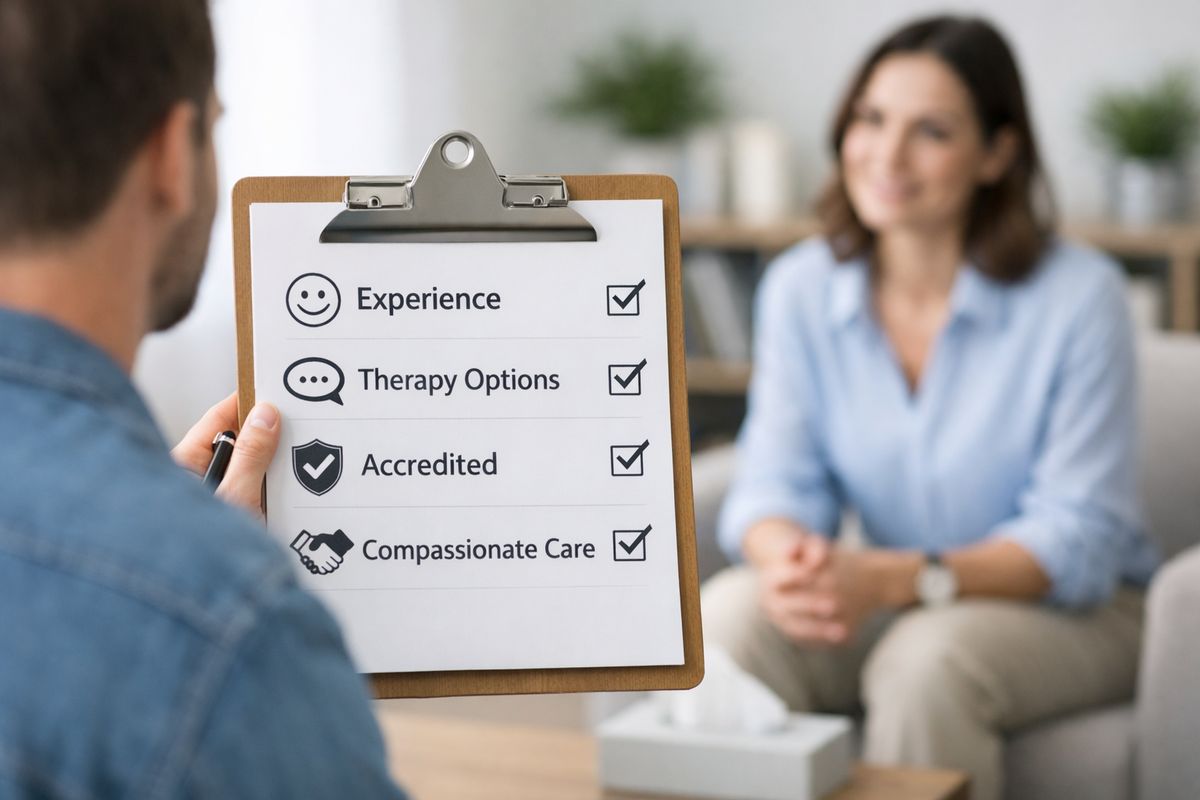
Questions for providers
Before enrolling, consider asking:
- How does the program integrate mental health and addiction services?
- What credentials and training do staff members hold?
- Are medication management and psychotherapy coordinated?
- What support is offered for peer and family involvement?
- How are relapse prevention and aftercare handled?
Clarifying these details ensures you choose a program that delivers the comprehensive care you deserve.
Insurance and logistics
Ensure your plan covers:
- In-network versus out-of-network benefits
- Prior authorization requirements
- Length of stay and program fees
- Availability of sliding-scale payment options
- Geographic proximity and transportation support
Addressing logistical concerns early can streamline your admission process and reduce stress.
Planning aftercare and relapse prevention
Sustained recovery relies on effective aftercare and ongoing support.
Developing aftercare plans
Transitioning from structured treatment to daily life requires a clear plan. Aftercare components may include:
- Continued outpatient therapy, such as co-occurring disorder outpatient therapy
- Regular medication check-ins with psychiatric support
- Skill-building groups and relapse prevention workshops
- Engagement in community recovery meetings
A robust aftercare plan maintains the momentum you built during intensive treatment.
Accessing ongoing support
Long-term recovery is bolstered by:
- Telehealth counseling and virtual support groups
- Peer-led recovery communities
- Access to mental health treatment with supportive housing
- Periodic check-ins through outpatient services, like outpatient therapy with psychiatric support
- Referrals to vocational and educational resources
By tapping into these resources, you can navigate challenges and reinforce your coping strategies.
Taking the next steps
Embarking on the path to recovery begins with informed decisions and supportive partnerships. If you’re ready to explore specialized care, consider contacting our admissions team to discuss your options. You might start by reviewing our schizophrenia outpatient treatment services for flexible support, or our residential treatment for schizophrenia and addiction for comprehensive 24-hour care. Whatever your needs, a compassionate, integrated dual diagnosis program can offer the lifeline you deserve. Take your first step today toward sustained recovery and wellness.