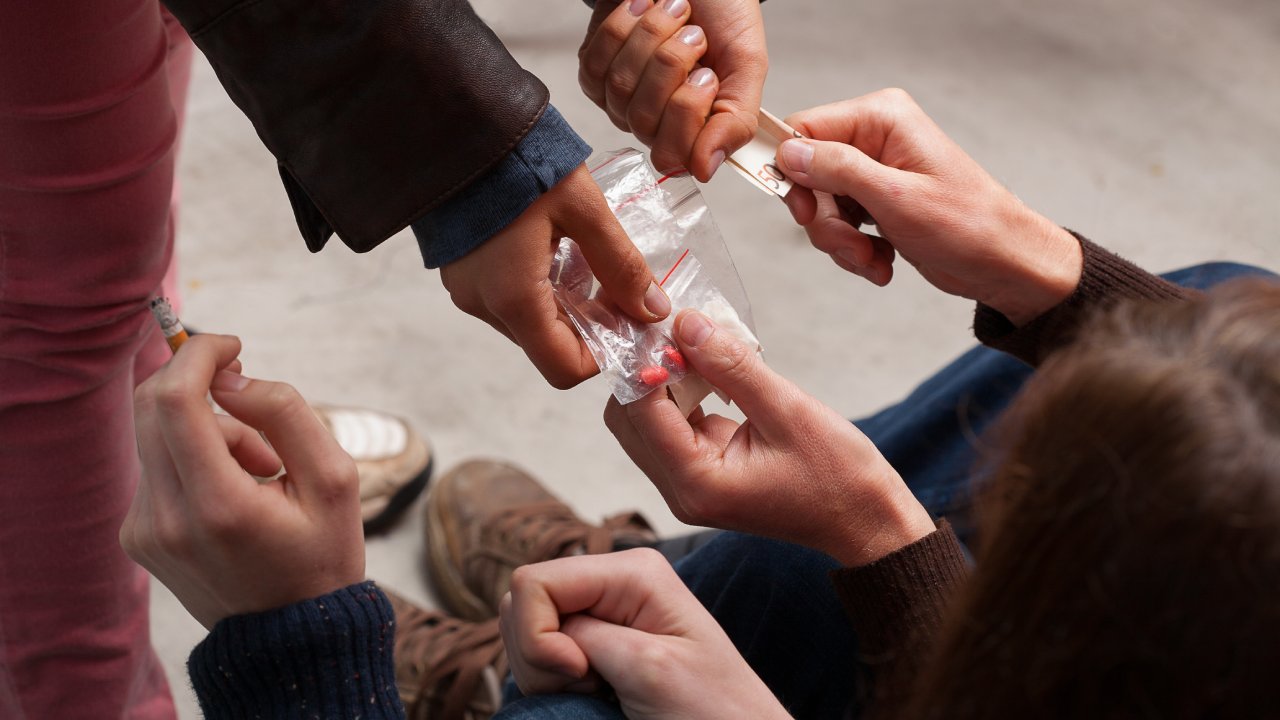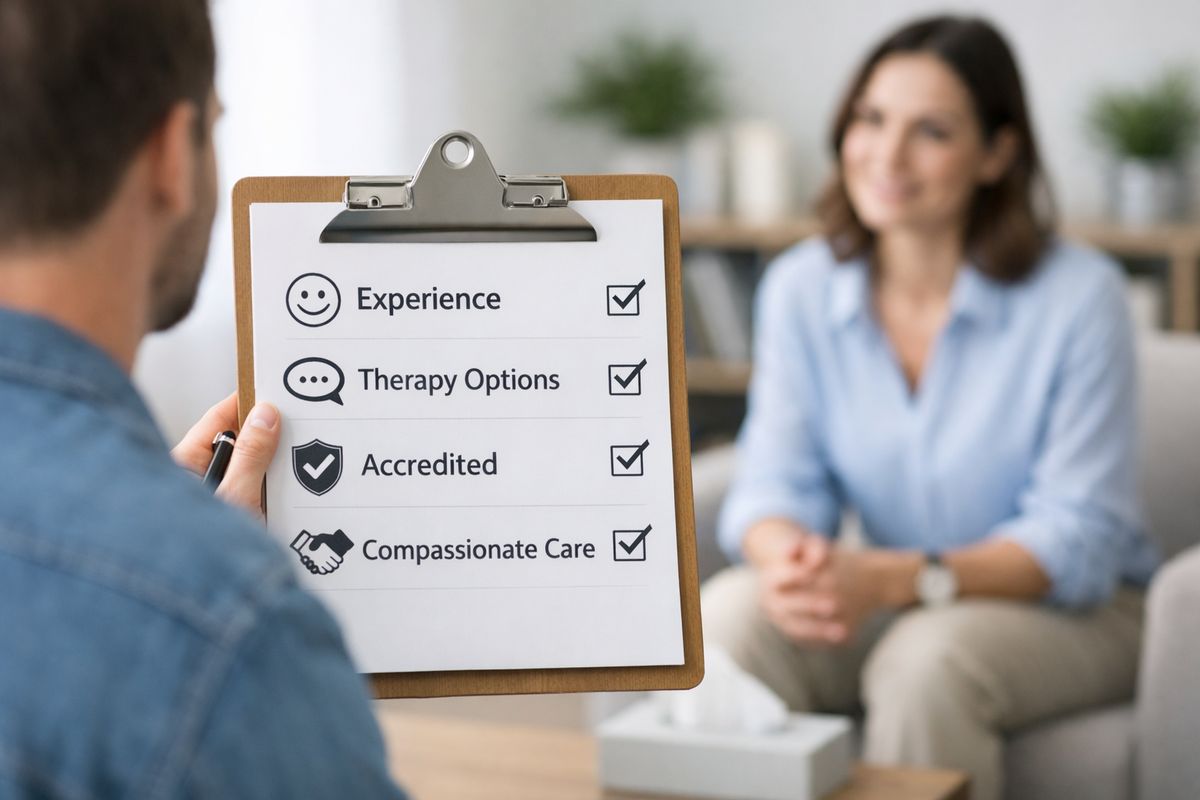

Dual diagnosis treatment for addiction and mental health offers an integrated approach that addresses both substance use disorders and psychiatric conditions as interconnected challenges. When you seek care for co-occurring disorders, you benefit from individualized plans that consider the full scope of your needs. By combining behavioral therapies, medication management, and peer support under one coordinated program, you gain the support necessary for lasting recovery.
This article explains what dual diagnosis entails, highlights the benefits of integrated care, and outlines the options available—from outpatient therapy to residential programs. You will learn how to compare program levels, choose the right setting, prepare for treatment, and maintain progress once formal care ends. Whether you or someone you care about is managing anxiety, depression, PTSD, bipolar disorder, schizophrenia, OCD, borderline personality disorder, or another condition alongside addiction, understanding your options empowers you to take the next step toward healing.
Understand dual diagnosis
What is dual diagnosis
Dual diagnosis refers to the coexistence of a mental health disorder and a substance use disorder in the same individual. Examples include major depressive disorder paired with alcohol use disorder or bipolar disorder alongside opioid misuse. Recognizing both aspects as part of one clinical picture is crucial, because treating only one side can worsen the other, increasing the risk of relapse or reentering care.
Prevalence and challenges
- About half of people who experience a substance use disorder will also face a mental health disorder at some point in their lives, and vice versa [1]
- In 2023, roughly 20.4 million U.S. adults had a dual diagnosis [2]
- Only 18 percent of addiction programs and 9 percent of mental health programs in the U.S. meet criteria for integrated dual diagnosis services [3]
These statistics highlight the unique challenges you may face in finding the right care. Co-occurring conditions can worsen each other, creating a cycle where mental health symptoms drive substance use and increased use intensifies psychiatric distress.
Impact of co-occurring conditions
Individuals with dual diagnosis often present with:
- More complex clinical profiles
- Higher rates of treatment non-compliance and relapse
- Reduced motivation to change
- Greater difficulty engaging in care
An integrated treatment strategy acknowledges these factors by providing comprehensive care that addresses both mental health and addiction simultaneously.
Benefits of integrated care
Comprehensive treatment approach
Integrated dual diagnosis programs bring together multiple therapeutic modalities under one roof. Common components include:
- Behavioral therapies such as cognitive behavioral therapy and dialectical behavior therapy
- Medication management for psychiatric symptoms and cravings
- Support groups that foster peer accountability
- Holistic therapies like mindfulness, yoga, and art therapy
By combining these elements, you receive a supportive environment tailored to your unique challenges.
Addressing both disorders
The best way to treat co-occurring mental health and substance use disorders is through an integrated addiction treatment plan that treats them as interconnected issues [1]. Rather than silos of care, you benefit from:
- Coordinated goals across disciplines
- Shared progress tracking
- Unified relapse prevention strategies
Role of multidisciplinary teams
Effective programs employ a team of licensed professionals, including:
- Psychiatrists and psychiatric nurse practitioners
- Licensed therapists and psychologists
- Addiction medicine physicians
- Trauma-informed counselors
- Case managers and peer support specialists
This collaborative structure ensures that your plan adapts to changing needs, leveraging expertise to address both mental health symptoms and substance misuse.
Compare program levels
Choosing the right level of care depends on your symptom severity, home support, and personal goals. The table below summarizes key differences:
| Program level | Setting | Time commitment | Intended acuity | Key components |
|---|---|---|---|---|
| Outpatient dual diagnosis care | Clinic or telehealth | 1–3 sessions per week | Mild to moderate | Individual therapy, group therapy, medication management, case coordination |
| Intensive outpatient programs (IOP) | Clinic | 3–5 days per week, 3–4 hours per day | Moderate | Structured therapy schedule, peer groups, family sessions, vocational support |
| Partial hospitalization program (PHP) | Hospital-like unit | 5 days per week, 6+ hours per day | High | Day treatment, medical monitoring, daily therapy, skills groups, crisis management |
| Residential dual diagnosis program | In-patient facility | 24/7 care, length varies (30–90+ days) | Severe | Live-in structure, intensive therapy, medical detox, life skills, aftercare planning |
Outpatient dual diagnosis care
Who it’s for
You may choose outpatient care if your withdrawal symptoms have subsided, you have a stable living environment, and you can manage daily responsibilities.
Key features
- Weekly individual and group sessions
- Flexible scheduling for work or school
- Coordination with your primary therapist or psychiatrist
- Connection to support services such as co-occurring disorder outpatient therapy
Intensive outpatient programs
Who it’s for
If you need more structure than standard outpatient care but do not require full hospitalization, an intensive outpatient program can bridge the gap.
Key features
- Three to five days per week of therapy
- Focus on developing coping strategies for cravings and mental health triggers
- Family therapy options such as dual diagnosis program with family therapy
- Case management for housing, employment, and social support
Partial hospitalization program
Who it’s for
PHP suits individuals with high-acuity needs who benefit from daily clinical oversight but wish to return home in the evenings.
Key features
- Medical and psychiatric monitoring
- Daily group and individual therapy
- Skills development for relapse prevention
- Collaboration with your php treatment program for addiction and mental health
Residential dual diagnosis program
Who it’s for
Residential care is ideal if you require a structured, distraction-free environment, especially during medical detox or severe psychiatric episodes.
Key features
- 24-hour supervision and support
- Individualized treatment plans addressing trauma history and substance triggers
- Integration of holistic modalities such as yoga and meditation
- Transition planning to aftercare, including residential dual diagnosis program
Choose the right program
Assessing your needs
Selecting the best setting starts with honest reflection. Consider:
- Severity of symptoms and cravings
- History of previous treatment attempts
- Co-occurring medical or psychiatric conditions
- Availability of support at home
Role of clinical evaluation
A thorough assessment by a dual diagnosis capable provider is essential. Evaluations often include:
- Standardized mental health and substance use screenings
- Physical exam and laboratory tests
- Psychiatric interview for mood, anxiety, trauma, or psychosis symptoms
- Social and family history to identify risk and protective factors
This process ensures your treatment plan is grounded in accurate diagnosis and evidence-based criteria.
Personalized treatment plans
Based on the evaluation, your team will develop an individualized plan that may combine:
- Therapy modalities tailored to disorders such as depression, anxiety, PTSD, bipolar disorder, schizophrenia, OCD, or borderline personality disorder
- Medication protocols for mood stabilization and craving reduction
- Support services addressing vocational, educational, and housing needs
- Family involvement and peer support integration
For example, you might link into an intensive outpatient program for depression while also attending medication management appointments for your psychiatric condition.
Prepare for treatment
What to expect
Entering any level of care can feel daunting. You can anticipate:
- Orientation sessions explaining house rules and daily schedules
- Intake paperwork covering medical, psychiatric, and substance use history
- Initial individual therapy and case management meetings
- Introduction to group therapy and peer support meetings
Insurance and cost considerations
Understanding financial aspects helps you focus on recovery:
- Verify coverage for dual diagnosis services under your plan
- Explore sliding-scale fees or grant-based programs if uninsured
- Discuss out-of-pocket costs for medication, aftercare, and housing
- Check for additional benefits such as transportation or child care assistance
Support system involvement
Recovery is more sustainable when you involve loved ones:
- Engage family or friends in education sessions
- Plan regular communication during residential or PHP stays
- Arrange visits or family therapy in programs that permit involvement
- Identify a sober companion or peer mentor for aftercare
Maintain long-term recovery
Aftercare and relapse prevention
Ongoing support is critical once formal treatment ends. Common aftercare elements include:
- Outpatient therapy with medication management
- Participation in support groups or peer recovery networks
- Structured relapse prevention planning
- Regular check-ins with a case manager or outpatient coordinator
For veteran clients, you may choose specialized resources such as outpatient trauma counseling for veterans.
Ongoing support resources
Building a network of care supports your continued well-being:
- Community mental health centers
- Specialty programs like ptsd outpatient treatment center
- Psychiatric support via outpatient therapy with psychiatric support
- Lifestyle programs addressing exercise, nutrition, and stress management
Building a balanced lifestyle
Sustainable recovery involves more than therapy sessions. Focus on:
- Developing daily routines that include self-care and leisure
- Rebuilding healthy relationships with family and peers
- Pursuing education, volunteer work, or employment that provides purpose
- Practicing mindfulness, meditation, or relaxation exercises
As you progress, your treatment team may recommend adjustments to your aftercare plan to match your evolving needs.
By understanding the structure of dual diagnosis treatment for addiction and mental health, you can make informed decisions that align with your personal goals. Whether you begin with outpatient therapy, step up to an intensive outpatient program, join a partial hospitalization program, or commit to residential care, integrated treatment offers the comprehensive support necessary for lasting recovery. Reach out to a qualified provider to explore your options and take the next step toward healing.