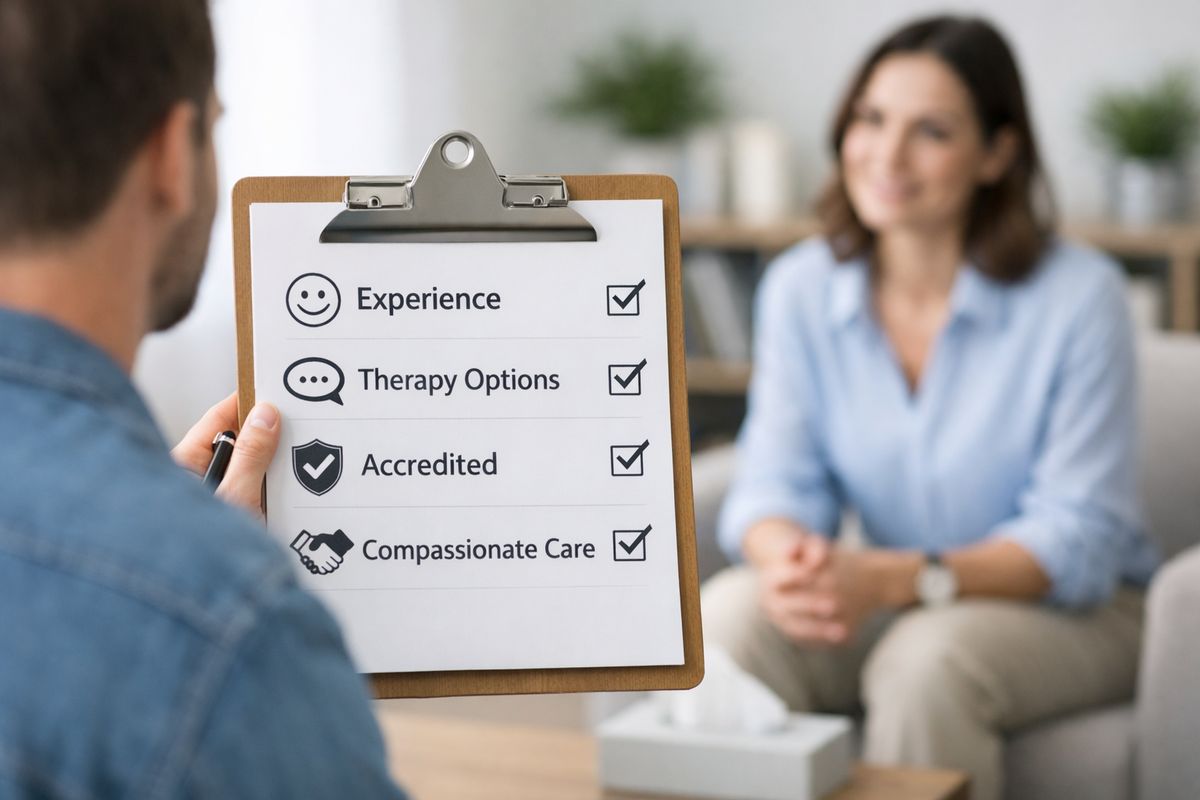

A co-occurring disorder treatment program can help you address mental health challenges and substance use issues in a coordinated way. By treating both conditions at once, you increase the chances of lasting recovery and reduce the risk of relapse. Whether you are coping with depression and alcohol dependence or managing anxiety and prescription drug misuse, an integrated approach meets your needs.
In this article, you will explore key options for outpatient, intensive outpatient, partial hospitalization, and residential care. You will learn how dual diagnosis services work, what evidence-based interventions are available, and how to tailor a plan that fits your situation. With clear information and practical guidance, you can take confident steps toward balanced health and sustained wellness.
Understanding co-occurring disorders
Defining dual diagnoses
Co-occurring disorders—sometimes called dual diagnoses—refer to the presence of a mental health condition alongside a substance use disorder. These intertwined issues can interact in complex ways, each worsening the other if not addressed together. In a dedicated program, you receive care that targets both your psychiatric symptoms and addictive behaviors in a unified treatment plan.
Prevalence and impact
Approximately 21.5 million adults in the United States live with co-occurring disorders, underscoring how common dual diagnoses have become [1]. People who experience both mental illness and substance use often face more persistent, severe, and treatment-resistant symptoms compared with those who have a single disorder [2]. In addition, certain behaviors—such as injection drug use—contribute to higher rates of HIV, with about 1 in 10 new infections linked to needle use [1].
Common co-occurring conditions
Programs for co-occurring disorders typically address a range of mental health concerns, including:
- Depression and anxiety, which often underlie substance misuse
- Post-traumatic stress disorder [3]
- Obsessive-compulsive disorder [4]
- Bipolar disorder [5]
- Schizophrenia [6]
- Borderline personality disorder [7]
Exploring treatment levels
Choosing the right level of care depends on your symptoms, daily responsibilities, and overall health. Below is an overview of four common settings:
| Treatment level | Description | Duration | Typical setting | Learn more |
|---|---|---|---|---|
| Outpatient services | Regular therapy sessions, flexible scheduling | Ongoing, as needed | Clinic or community center | co-occurring disorder outpatient therapy |
| Intensive outpatient programs (IOP) | Structured group and individual therapy, multiple days/week | 8–12 weeks | Clinic | iop for mental health and substance abuse |
| Partial hospitalization programs (PHP) | Day treatment with medical monitoring and therapy | 4–8 weeks | Hospital or specialized facility | php for co-occurring disorders |
| Residential care | 24-hour supervision, therapy, peer support | 30–90+ days | Campus-like inpatient facility | co-occurring disorder residential rehab |
Outpatient services
Outpatient care offers maximum flexibility, allowing you to attend work, school, or family obligations while participating in therapy. You typically meet weekly with a therapist or counselor to address mood symptoms, coping strategies, and relapse prevention. Medication management may be available on site or by referral.
Intensive outpatient programs
If you need more structure than standard outpatient care but cannot commit to full hospitalization, an IOP can bridge that gap. You attend therapy 3–5 days per week, often combining group sessions, individual counseling, and psychiatric check-ins. This level of care suits those with moderate symptom severity and a stable home environment.
Partial hospitalization programs
In a PHP, you spend full days (often 6–8 hours) at a treatment center, receiving medical oversight alongside therapy, skills groups, and holistic services. PHPs are ideal when you require close monitoring of medication adjustments, detox support, or intensive interventions without overnight stays.
Residential care
For severe or high-risk cases, residential treatment delivers immersive support in a structured community. You live on site, engaging in daily therapy, recreational activities, and peer groups. A longer stay—90 days or more—has been empirically linked to stronger recovery outcomes, fostering new routines, social bonds, and coping skills [8].
Embracing integrated treatment
Benefits of unified care
Integrated dual diagnosis treatment addresses mental health and substance use simultaneously, reducing the chance that one condition undermines the other. Research shows integrated programs improve psychiatric symptoms more effectively than separate approaches, even if substance misuse outcomes and retention are similar [9]. By coordinating all aspects of care, you avoid fragmented services and experience seamless communication among your care team.
Evidence-based interventions
A robust co-occurring disorder treatment program draws on proven therapies, including:
- Cognitive behavioral therapy to challenge unhelpful thoughts
- Motivational enhancement techniques to strengthen your commitment to change
- Behavioral couples therapy, which can boost abstinence and relationship functioning [10]
- Medication-assisted treatments, such as buprenorphine or naltrexone, combined with psychosocial support
Building therapeutic alliance
A strong, trusting relationship with your clinicians is crucial. A supportive therapeutic alliance helps overcome stigma, foster engagement, and boost your confidence in recovery. Look for providers who demonstrate empathy, respect, and collaborative decision-making, ensuring you feel heard and empowered at every step.
Tailoring your treatment plan
Comprehensive assessment
Before you begin treatment, a standardized evaluation examines substance use severity, psychiatric history, medical conditions, legal matters, and family dynamics. This in-depth assessment guides a personalized care plan that matches services to your unique needs and risk factors [8].
Addressing physical health
Many people with co-occurring disorders face additional health challenges—such as cardiovascular risk from stimulant or alcohol use, or smoking-related illnesses—that can complicate recovery [2]. A quality program integrates primary care coordination, lab monitoring, and preventive screenings to protect your overall well-being.
Involving family and peers
Support systems play a vital role in sustaining recovery. Family therapy sessions or peer-led groups can improve communication, reduce relapse triggers, and encourage accountability. Consider programs that offer family education or specialized tracks, such as a dual diagnosis program with family therapy, to foster a healing environment both in treatment and at home.
Measuring progress and outcomes
Treatment duration and retention
Staying in treatment for 90 days or longer is linked to more positive long-term outcomes as you build new habits and support networks [8]. While integrated and non-integrated approaches may show similar completion rates, choosing a level of care that fits your current stability can improve your chances of success [9].
Tracking symptom improvement
Regular outcome measures—such as standardized mental health scales and substance use screenings—help you and your providers gauge progress. These metrics inform adjustments to therapy frequency, medication doses, or the level of care to ensure you continue moving forward.
Preventing relapse
Relapse prevention is woven into every stage of a co-occurring disorder treatment program. You learn to identify early warning signs, manage stress, and apply coping strategies when cravings or mood shifts arise. Aftercare planning may include sober living, alumni groups, or community support networks to keep you connected and resilient.
Taking next steps
Choosing the right level
Reflect on your symptom severity, support system, and daily responsibilities. If you need flexibility, start with outpatient care; if you require more structure, consider an IOP, PHP, or residential option. Visiting facilities or attending an initial assessment can help you decide on the best fit.
Exploring logistics and costs
Consult your insurance plan to understand coverage for mental health and substance use services. Many programs accept private insurance, Medicaid, or offer sliding-scale fees. You can also inquire about financial aid or payment plans directly with treatment centers.
Reaching out for help
Taking that first step can feel daunting, but help is available. Contact a trusted mental health professional, your primary care provider, or a local helpline to discuss treatment options. Whether you choose outpatient therapy for trauma recovery, a structured residential program, or an intensive outpatient schedule, you are not alone on this journey. Support and resources await to guide you toward lasting recovery.