
If you’re exploring options for residential treatment for schizophrenia and addiction, you’re taking a vital step toward comprehensive care and lasting recovery. Residential programs offer a structured, supportive environment where you can address both psychotic symptoms and substance use in an integrated setting. With round-the-clock clinical support, tailored treatment programs, and a focus on dual diagnosis, you’ll have the resources necessary for lasting change.
Navigating co-occurring mental health and substance use presents unique challenges. About 6.7% of U.S. adults—roughly 17 million people—experienced both a mental illness and substance use disorder in 2020 [1]. Yet fewer than one in eight received treatment for both conditions. As a result, many individuals struggle to find programs equipped to blend psychiatric care with addiction support. This article guides you through the key aspects of residential care, so you can make an informed decision and feel hopeful about your recovery journey.
Dual diagnosis overview
Defining co-occurring disorders
A dual diagnosis, also called a co-occurring disorder, means you meet criteria for both a mental health condition—such as schizophrenia—and a substance use disorder. This combination often requires integrated treatment rather than separate programs for addiction or psychiatric care alone.
Prevalence and complexity
- Individuals with schizophrenia have a 50%–70% chance of a concurrent substance use disorder [2].
- In 2020 SAMHSA’s National Helpline fielded 833,598 calls, a 27% jump from 2019, highlighting growing demand for integrated support [3].
- Only 12.7% of those with both conditions received comprehensive treatment in 2019, indicating a significant care gap [1].
These statistics underscore the importance of seeking a program that offers both psychiatric interventions and addiction therapies under one roof.
Residential care benefits
24/7 clinical support
In a residential setting, you have continuous access to medical staff, psychiatrists, and therapists. This around-the-clock care is crucial if your medication needs adjustment or you’re experiencing acute psychotic or withdrawal symptoms.
Structured therapeutic environment
A consistent daily schedule helps you build healthy routines. Typical components include:
- Medication administration and monitoring
- Individual therapy sessions
- Group therapy focused on dual diagnosis
- Skills groups for coping and relapse prevention
- Recreational and wellness activities
This structure reduces triggers, minimises isolation, and fosters accountability among peers.
Safe, supportive environment
Living alongside others facing similar challenges creates camaraderie and mutual understanding. You’ll find a community that respects your journey and emphasizes empathy over stigma, enhancing your motivation to engage fully in the program.
Integrated treatment strategies
Medication management
Effective treatment for schizophrenia and addiction often begins with stabilizing psychiatric symptoms. Medication therapy is critical to:
- Prevent cognitive decline linked to untreated psychosis
- Reduce positive and negative symptoms
- Support engagement in therapy
Clinicians coordinate psychiatric care with addiction treatment to avoid contraindications and optimise dosing.
Psychosocial interventions
Residential programs employ evidence-based therapies designed for dual diagnosis:
- Dual Recovery Therapy
- Blends cognitive behavioral techniques with relapse prevention
- Focuses on recognizing triggers for both psychosis and substance use
- Modified cognitive-behavioral therapy (CBT)
- Examines distorted thoughts related to hallucinations, delusions, and cravings
- Builds coping strategies to challenge those thoughts
- Modified motivational enhancement therapy
- Enhances intrinsic motivation for change
- Uses empathetic support to resolve ambivalence
- Substance Abuse Management Module
- Provides education on substance effects and coping skills
- Teaches strategies for maintaining sobriety
These interventions reduce relapse rates and improve overall functioning [2].
Family involvement
Your support network plays a vital role in recovery. Many residential dual diagnosis programs offer family psychoeducation and counseling, helping loved ones understand:
- The interplay between schizophrenia and addiction
- Strategies to support medication adherence and relapse prevention
- Communication skills that foster a healing environment
Inclusion of family reduces readmission rates and strengthens long-term outcomes.
Specialized schizophrenia care
Cognitive remediation therapy
This intervention targets deficits in attention, memory, and executive function. Through computerized exercises and group activities, you’ll work on skills like planning and problem-solving, which support daily living and social engagement [4].
Psychoeducation and skills training
Structured psychoeducation helps you learn about:
- Symptom management
- Medication side effects
- Stress reduction techniques
Additional social skills training can enhance communication and community integration.
Assertive community treatment
Following residential care, assertive community treatment teams may continue support through home visits, vocational assistance, and coordination with local mental health providers. This model ensures continuity and reduces hospital readmissions.
Continuity of care
Aftercare and relapse prevention
Successful recovery extends beyond residential walls. Your program should provide a clear aftercare plan, which may include:
- Outpatient therapy or co-occurring disorder outpatient therapy
- Participation in a partial hospitalization program, such as a php for co-occurring disorders
- Enrollment in an iop for mental health and substance abuse
Continuing structured support helps you apply skills learned in residence to real-world situations.
Stepped-down support levels
As you progress, you might step down from residential care to less intensive settings:
| Level of care | Description |
|---|---|
| Partial hospitalization (PHP) | Daytime therapeutic activities, evening at home |
| Intensive outpatient program (IOP) | Several sessions per week focusing on therapy and skill building |
| Outpatient therapy | Regular counseling sessions, flexible scheduling |
Each step maintains therapeutic touchpoints while gradually increasing independence.
Program selection criteria
Key elements to consider
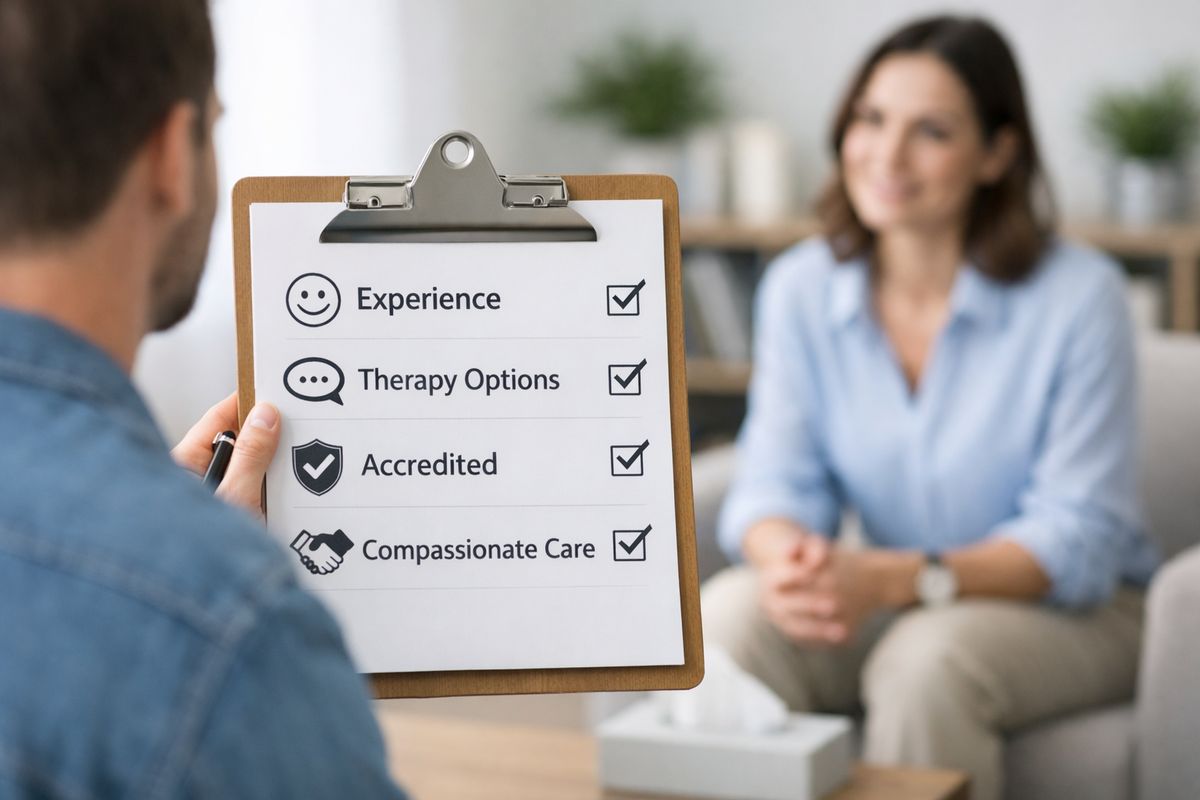
When evaluating residential options, look for programs that offer:
- Dual diagnosis treatment for both schizophrenia and addiction [5]
- Accredited medical and psychiatric staff
- Evidence-based therapies tailored to severe mental illness
- Family involvement and aftercare planning
- A supportive environment that addresses your unique challenges
Questions to ask
- How do you coordinate psychiatric care with substance use treatment?
- What psychosocial interventions do you provide for dual diagnosis?
- How is medication management handled on a 24/7 basis?
- What role does family education play in your program?
- Which step-down services are included in your continuum of care?
Your answers will reveal whether a center can meet your comprehensive needs.
Admission and insurance overview
Admission process
Most residential programs follow these steps:
- Initial assessment by clinical staff
- Review of psychiatric and addiction history
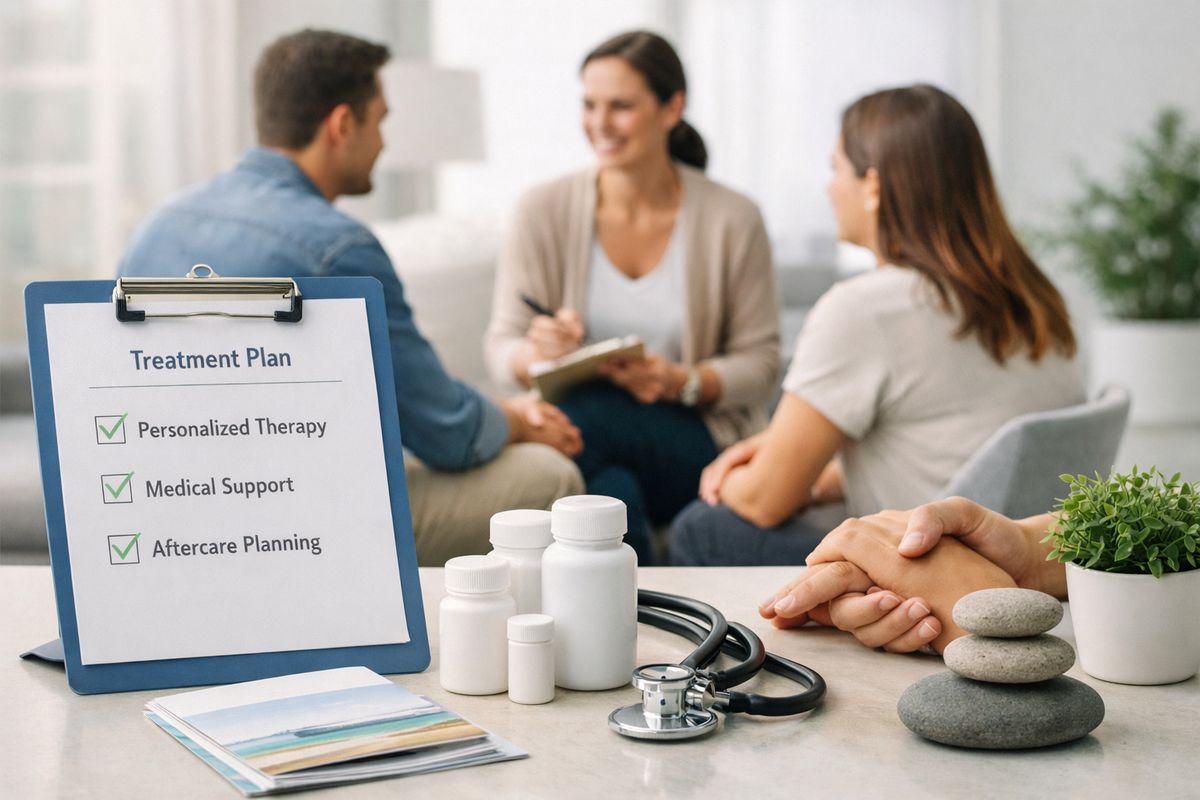
- Development of an individualized treatment plan
- Verification of medical clearance and insurance coverage
- Scheduled move-in date
Insurance and cost considerations
- Many insurers cover residential mental health services under behavioral health benefits.
- Verify coverage for dual diagnosis treatment and any out-of-pocket responsibilities.
- Ask about sliding-scale fees or scholarship programs if needed.
Working with your insurance provider and treatment center early ensures a smooth admission.
Conclusion and next steps
Choosing residential treatment for schizophrenia and addiction can feel overwhelming, but with the right information, you can find a program that offers comprehensive care and genuine hope. By focusing on integrated dual diagnosis treatment, evidence-based therapies, and a supportive environment, you’ll build the foundation for lasting recovery.
To explore your options, learn more about specialized programs like our residential dual diagnosis program or connect with our team to discuss a personalized plan. Your journey toward healing starts with one step—reach out today and discover the support you deserve.