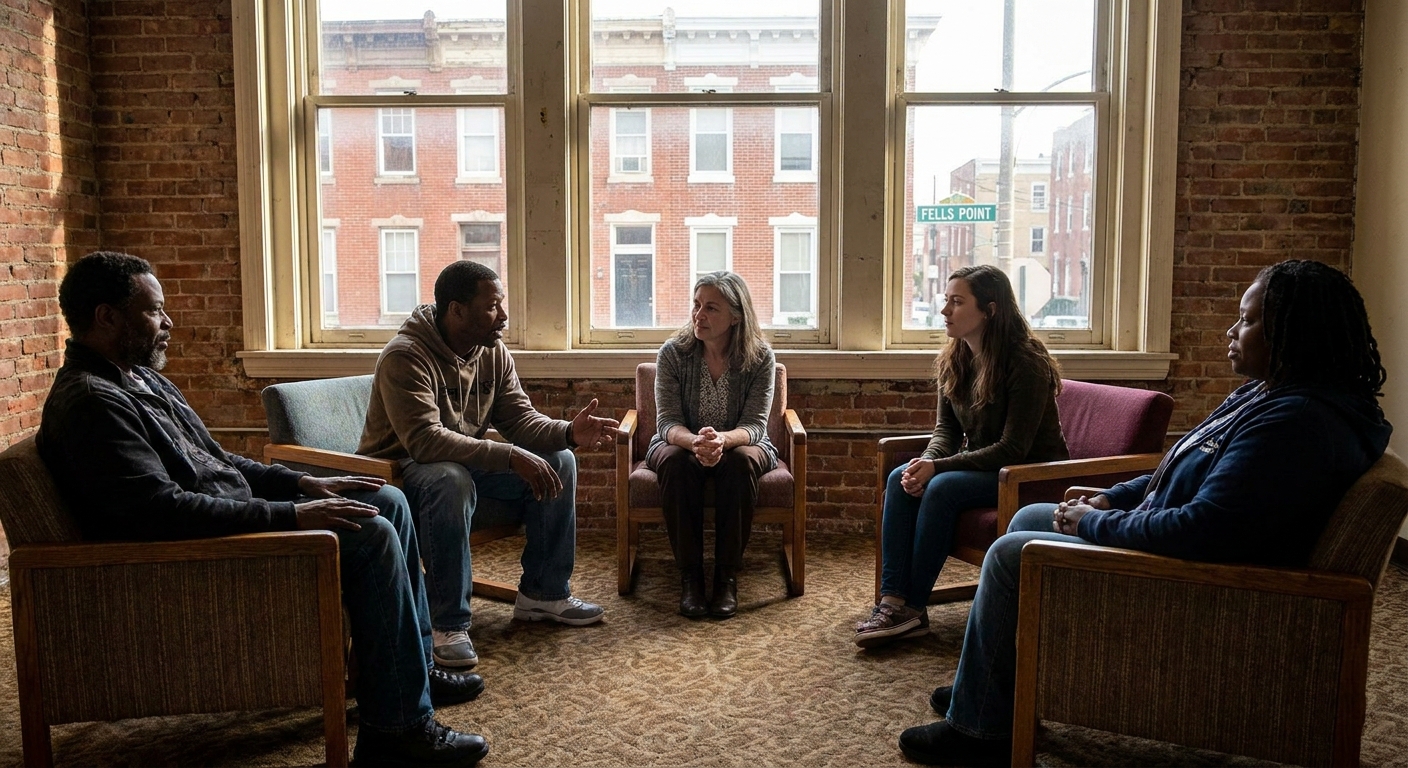

Understanding faith-based dual diagnosis treatment
If you’re seeking faith-based dual diagnosis treatment, you’re looking for a comprehensive approach that addresses both addiction and mental health through a spiritual framework. faith-based dual diagnosis treatment combines medical and psychiatric interventions with Christian principles such as prayer, scripture study, and pastoral counseling. This integrated model ensures you receive holistic care that nurtures your physical, emotional, and spiritual well-being, helping you build lasting resilience against relapse.
History and evolution
Faith-based addiction treatment has roots in early mutual-help movements and church-led temperance societies, where addiction was often viewed as a moral failing or sin [1]. Over time, dual diagnosis programs emerged, recognizing substance use and mental illness as co-occurring disorders that require simultaneous care. Modern faith-based centers bridge these perspectives by combining evidence-based therapies with spiritual support, reframing recovery as both a medical and moral journey that helps you reclaim purpose and community.
Defining dual diagnosis
Dual diagnosis refers to the co-occurrence of a substance use disorder and a mental health condition, such as depression, anxiety, bipolar disorder, or schizophrenia. When you face these challenges together, treating one without addressing the other often leads to incomplete healing. Integrated approaches like mental health and addiction integrated treatment coordinate psychiatric stabilization, therapy, and relapse prevention under one roof. Understanding the interplay between your mental health symptoms and addictive behaviors is the first step toward sustainable recovery. For more on combined strategies, explore co-occurring disorder recovery.
Integrating faith and healing
In faith-based dual diagnosis treatment, spiritual practices are not just supplemental, they’re central. You’ll participate in daily devotionals, prayer circles, and Bible studies tailored to reinforce coping skills and moral transformation. Clergy members and chaplains serve as role models and spiritual educators, helping you align your lifestyle changes with Christian teachings and find accountability in a faith community [2]. Cultivating a personal relationship with a higher power can offer motivation, comfort, and purpose, guiding you through challenging moments and reinforcing your commitment to sobriety and mental health.
Exploring key treatment components
Faith-based dual diagnosis programs integrate multiple layers of care to address your unique needs. You’ll engage in spiritual, clinical, and holistic therapies that work together to support recovery across body, mind, and soul.
Spiritual practices and support
Spiritual disciplines form the backbone of faith-based treatment. Daily routines may include:
- Group prayer and worship services to foster community support
- Scripture study sessions that apply Biblical principles to life challenges
- Meditation on passages that encourage forgiveness and self-worth
- Faith-based 12-step meetings that combine peer support with spiritual growth
At centers like JC’s Recovery Center, prayer and meditation are structured into each day, helping you reduce stress, increase self-awareness, and reinforce the moral teachings that underpin your recovery [3]. These practices also tie into relapse prevention, as turning to faith-based coping strategies can replace harmful cravings with positive spiritual experiences.
Expressive and holistic therapies
Beyond traditional talk therapy, many faith-based programs offer expressive approaches that allow you to explore emotions creatively and spiritually. New Creation Treatment Center for Women incorporates “awakenings” expressive therapy modules, which use art, music, worship, and songwriting to help residents process anger, shame, and trauma while connecting with God [4]. Other holistic elements can include:
- Yoga and faith-based mindful movement classes for physical and spiritual alignment
- Nature walks with guided scripture reflections
- Nutrition counseling that aligns with stewardship of the body as a temple
These modalities support emotional expression and mind-body balance, enabling you to address root causes of addiction and mental health issues.
Clinical and psychiatric care
Comprehensive dual diagnosis treatment must include clinical expertise to manage both substance withdrawal and mental illness. Typical components are:
Medically assisted detox
Your first step may involve supervised detoxification, where medical staff monitor vital signs and administer medications such as methadone, buprenorphine, or benzodiazepines to ease withdrawal symptoms. Spiritual care is woven into this stage through prayer support teams that offer encouragement as you face physical challenges.
Medication management
After detox, maintaining stability often involves medications such as naltrexone, acamprosate, SSRIs, or mood stabilizers. Christian medical treatment centers like New Creation integrate these medications into a faith-informed plan, helping you view pharmaceuticals as tools for honoring the body God gave you [5]. Ongoing medication management reduces risk of relapse and supports psychiatric care throughout recovery.
Individual and group therapy
Evidence-based therapies form the core of your psychological treatment. You may participate in:
- Cognitive behavioral therapy to replace negative thought patterns
- Dialectical behavior therapy to enhance emotion regulation
- Group therapy combining shared prayer with clinical processing
- Pastoral counseling that incorporates moral teachings and spiritual reflection
Therapists may also use models like integrated therapy for mental health and addiction to address symptoms concurrently, collaborating with chaplains to integrate scriptural perspectives into cognitive exercises.
Trauma-informed approaches
Traumatic experiences often underlie both addiction and mental health issues. Trauma-informed care prioritizes emotional safety, choice, and empowerment. In faith-based settings, this may include forgiveness exercises, contemplative prayer, and trauma therapies such as EMDR, all conducted within a supportive Christian community. Programs with a trauma-informed dual diagnosis care track ensure specialists understand how to avoid re-traumatization and foster resilience.
Family engagement
Recovery often extends beyond the individual to involve family and loved ones. Faith-based programs prioritize family dynamics through:
- Family therapy sessions guided by both licensed counselors and clergy
- Joint prayer meetings to foster reconciliation and healing
- Workshops on healthy communication rooted in Christian principles
- Support groups for family members to process their own stress and guilt
Benefits of family involvement:
- Strengthens trust and understanding among relatives
- Reinforces accountability through shared spiritual commitments
- Reduces isolation by building a supportive faith community
- Enhances relapse prevention as family learns to recognize signs of crisis
By including your support network in treatment, faith-based dual diagnosis centers help you rebuild relationships on a foundation of faith, forgiveness, and mutual support.
Reviewing levels of care
Faith-based dual diagnosis treatment offers a spectrum of care options, each designed to meet you at a different stage of recovery. Understanding these levels helps you choose the right intensity and structure for your needs.
Inpatient rehabilitation
Inpatient or residential rehab provides 24/7 supervision, structured therapy schedules, and integrated spiritual programming. You’ll reside on campus, attend daily devotionals, Bible study groups, and sermons, while receiving individual and group counseling. Inpatient facilities like New Creation Treatment Center in Ontario, CA, offer gender-specific communities, licensed Christian counselors, and medical staff on-site to manage detox, co-occurring mental health challenges, and holistic therapies [5]. Stays typically range from 30 to 90 days, giving you time and space to focus fully on recovery.
Outpatient programs
Outpatient care provides flexibility if you need to maintain work, family, or academic commitments. Models include:
- Intensive outpatient programs (IOP): 9–15 hours per week of therapy, spiritual workshops, and relapse prevention groups available in tracks like co-occurring disorder iop program
- Partial hospitalization programs (PHP): 20+ hours per week of clinical care, group worship, and medical monitoring similar to dual diagnosis php program
- Standard outpatient therapy: Weekly individual or group sessions with integrated faith-based elements as in outpatient therapy for mental health recovery
These outpatient models help you apply new coping strategies in real-world situations, supported by a faith-based community.
Table: Levels of care comparison
| Level of care | Features | Typical duration |
|---|---|---|
| Medically assisted detox | Supervised withdrawal, medication management | 3–10 days |
| Inpatient rehabilitation | Residential living, daily therapy, devotionals, family sessions | 30–90 days |
| Intensive outpatient (IOP) | 9–15 hours/week, group worship, relapse prevention | 8–12 weeks |
| Partial hospitalization (PHP) | 20+ hours/week, medical monitoring, spiritual workshops | 4–6 weeks |
| Standard outpatient | 1–3 sessions/week, pastoral counseling | Ongoing |
| Aftercare and sober living | Support groups, mentorship, alumni activities | Ongoing |
Aftercare and sober living
Aftercare ensures that progress made during treatment translates into everyday life. Common aftercare options include:
- Faith-based sober living houses with structured routines and group devotions
- Celebrate Recovery or similar Christ-centered support groups
- Alumni retreats focusing on spiritual renewal
- Mentorship programs pairing you with graduates for guidance
- Church-based recovery ministries offering pastoral counseling
Residences often incorporate daily devotionals and accountability check-ins. Faith-based aftercare fosters community, so you continue to grow spiritually and maintain healthy practices. Explore long-term dual diagnosis support programs for ongoing therapeutic and spiritual services.
Evaluating faith-based evidence
As you consider faith-based dual diagnosis treatment, it helps to understand the research that supports its effectiveness. Multiple studies demonstrate how integrating spiritual practices with clinical care can enhance recovery outcomes.
Protective factors and relapse prevention
Religious belief often serves as a protective factor against substance use. In Switzerland, researchers found that men who profess belief in God had lower rates of cigarette smoking, marijuana use, and psychedelic consumption compared to non-religious men. This suggests that faith systems can create social norms, coping strategies, and community support that reduce addictive behaviors [1]. While religion alone may not prevent relapse, it offers an additional layer of emotional and moral resources.
Neuroscience of spiritual experiences
Neuroscientific research at the University of Utah demonstrated that spiritual experiences activate the same neural circuits involved in drug-induced reward, including regions responsible for dopamine release. This overlap implies that meaningful religious experiences can provide a healthy source of pleasure and motivation, substituting the neurochemical effects of substances [1]. Understanding this mechanism helps explain why faith-based interventions can feel deeply satisfying and sustainable over time.
Tracking progress and metrics
Programs use both clinical and spiritual metrics to gauge progress. Clinicians might employ standardized tools like the Brief Symptom Inventory to measure symptom reduction, alongside spirituality scales such as the BMMRS to track growth in religiousness. Monitoring outcomes like treatment completion rates, six-month sobriety percentages, and improvements in quality of life helps you and your care team tailor interventions and set realistic goals.
Comparative treatment outcomes
A longitudinal study in Hong Kong compared addicts in faith-based residential programs with those in secular treatment. Participants in faith-based care exhibited rapid increases in religiosity during treatment, measured by tools such as the BMMRS. Each unit increase in religiosity was associated with up to 55% greater odds of maintaining abstinence six months after discharge. Dimensions such as religious support, daily spiritual experiences, and commitment were particularly influential in sustaining recovery [6]. These findings highlight the empirical benefits of integrating spiritual growth into dual diagnosis treatment.
Supporting specialized needs
Programs often tailor interventions to your specific mental health diagnosis, ensuring that treatment reflects both clinical best practices and spiritual support.
| Condition | Treatment focus | Internal link |
|---|---|---|
| PTSD | EMDR, trauma-informed care, forgiveness prayer | PTSD and addiction recovery program |
| Bipolar disorder | Mood stabilizers, scripture reflections | Bipolar disorder and substance use treatment |
| Depression | CBT, pastoral counseling, spiritual affirmations | Depression and addiction therapy program |
| Anxiety | Mindfulness, exposure therapy, devotional prayer | Anxiety and addiction recovery center |
| Schizoaffective | Antipsychotic management, worship integration | Schizoaffective disorder and addiction care |
| Borderline PD | DBT, compassionate theology, community support | Borderline personality and addiction program |
| OCD | ERP, faith-based ritual modification | OCD and substance use treatment |
Whether you’re coping with PTSD, managing mood swings from bipolar disorder, or navigating anxiety and depression, specialized faith-based tracks bring together clinical modalities and spiritual care to meet your unique recovery goals.
Answering common questions
Is faith-based dual diagnosis treatment right for me?
If you value spiritual growth alongside clinical care, faith-based dual diagnosis treatment may be an excellent fit. You’ll want to consider your comfort with Christian practices such as prayer, worship services, and scripture study. If these elements resonate with your beliefs and you seek moral accountability, a faith-based approach can reinforce your recovery. If you prefer secular models, you may explore purely evidence-based options instead.
Can I combine medication with faith-based care?
Absolutely. Modern faith-based centers embrace medication-assisted treatment as part of holistic healing. Medications to manage withdrawal, mood, or anxiety are viewed as tools provided by science and faith working together. Pastoral counselors and medical staff collaborate to ensure you feel spiritually supported while adhering to medication protocols, helping you honor your health and faith simultaneously.
What if I’m not Christian?
Many faith-based treatment centers operate under Christian principles but welcome individuals from diverse backgrounds. Programs often emphasize universal spiritual values like hope, forgiveness, and community. If you’re exploring spirituality beyond Christianity, ask programs about multi-faith or interfaith options. Even if you don’t identify with a specific faith, you can benefit from structured support and moral reflection found in these settings.
How can family stay involved after treatment?
Post-discharge, family involvement remains essential. Loved ones can participate in alumni worship nights, support group meetings such as Celebrate Recovery, and joint counseling sessions. Many centers offer family workshops online or locally, ensuring that your support network continues to learn healthy communication skills and spiritual practices. Maintaining these connections fosters accountability and mutual encouragement on the path to lasting recovery.
Accessing faith-based programs
Once you’re ready to pursue faith-based dual diagnosis treatment, consider these practical steps:
Insurance coverage
Faith-based dual diagnosis programs are often covered by the same insurance plans that pay for secular rehab services. Major carriers like:
- Blue Cross Blue Shield
- Aetna
- United Healthcare
may approve medically assisted detox, inpatient stays, outpatient sessions, and aftercare services based on your policy [2]. Verify:
- Covered levels of care
- Prior authorization requirements
- Co-payment and deductible obligations
- Network restrictions
Regional availability
Faith-based rehab centers operate nationwide, with many located in tranquil, healing environments. In Florida, for example, you’ll find faith-based programs across the Panhandle, Northeast, Central, and South regions that blend Christian teachings with integrated care tracks [2]. If you’re outside Florida, search accreditation directories or contact a treatment referral specialist to locate programs in your area.
Selecting the right program
Choosing a suitable program involves evaluating factors that align with your spiritual and clinical needs:
- Accreditation by recognized bodies such as The Joint Commission
- Staff credentials in addiction medicine, psychiatry, and pastoral care
- Integration of psychiatric care during addiction recovery
- Specialized faith-based tracks for your diagnosis
- Availability of trauma therapy integrated with addiction care
- Program length, setting, and community compatibility
Checklist for choosing your program:
- Confirm denominational affiliation and worship style
- Ask about collaboration between clinicians and clergy
- Tour facilities and observe worship services
- Review outcome data and alumni testimonials
- Discuss your insurance benefits and out-of-pocket costs
Visiting potential centers and speaking with admissions counselors can help you find the program that respects your faith tradition while offering rigorous clinical care.
Taking the next step
Embarking on faith-based dual diagnosis treatment is a courageous and life-changing decision. To get started:
- Speak with your primary care provider or mental health professional
- Contact your insurance company for benefits verification
- Research program philosophies, specialties, and outcome statistics
- Schedule phone consultations or facility tours
- Prepare for admission with personal items, devotional materials, and health records
By taking these steps, you set the stage for a successful recovery journey that honors your spiritual beliefs and provides comprehensive clinical support. To learn more about structured faith-based care, visit our dual diagnosis treatment program. Your path to holistic healing and sustained wellness begins with informed choices and a supportive community committed to your growth and transformation.