
You may have tried traditional addiction treatment only to find that underlying trauma keeps pulling you back into old patterns. Trauma therapy integrated with addiction care offers a comprehensive path forward by addressing both your substance use and the emotional wounds that fuel it. In these dual diagnosis programs, certified clinicians combine psychiatric stabilization, evidence-based trauma therapies, and relapse prevention strategies so you can tackle triggers at their source and build lasting recovery.
By weaving trauma-informed methods into every stage of your treatment, you gain coping skills for flashbacks, nightmares, anxiety, and other trauma symptoms that often drive self-medication. Whether you’re navigating co-occurring post-traumatic stress or healing from childhood abuse, an integrated approach lays the groundwork for true healing and prevents the cycle of relapse.
Understanding trauma informed addiction care
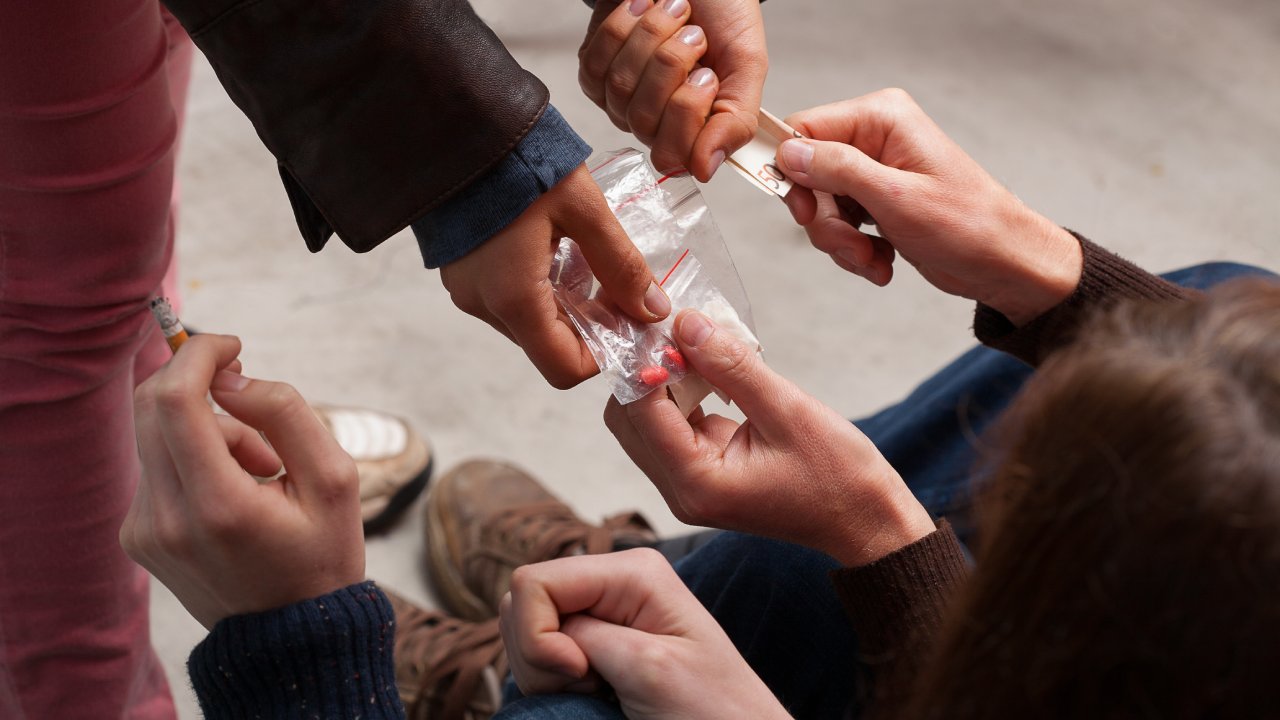
Trauma informed addiction care recognizes that many people use alcohol or drugs to numb physical and emotional pain from past traumatic experiences. Trauma can be defined as an unconscious emotional response to deeply distressing events, often manifesting as headaches, flashbacks, insomnia, anger, or depression [1]. When trauma goes unaddressed, you may find yourself caught in a cycle of self-medication and relapse.
Integrated treatment programs screen routinely for trauma histories, including military combat, abuse, mass violence, or natural disasters. In fact, up to 75% of people with substance use disorders have experienced at least one traumatic event [2]. By embedding trauma-informed care principles—such as safety, empowerment, and trust—across admissions, clinical services, and therapy, these programs prevent re-traumatization and help you engage fully in recovery.
Benefits of integrated trauma therapy
When you choose a program that blends trauma therapy with addiction treatment, you unlock benefits that traditional models often miss:
- Addresses root causes of substance use, reducing the urge to self-medicate
- Improves both PTSD and addiction outcomes compared to treating each separately [3]
- Lowers relapse risk by teaching coping strategies for trauma triggers
- Empowers you through strengths-based approaches that restore autonomy [2]
Evidence shows that combined therapies, such as prolonged exposure for PTSD plus addiction counseling, yield greater symptom reduction than standard care alone [4]. You’ll also benefit from continuity of care—moving seamlessly from medically supervised detox to therapeutic modules without losing momentum.
If you’re ready to explore specialized pathways, consider programs like trauma-informed dual diagnosis care or an evidence-based co-occurring disorder rehab that tailor every element to your history and needs.
Key components of integrated care
Comprehensive dual diagnosis programs combine three core elements to support your full-continuum care:
Psychiatric stabilization
- Medically supervised detox to manage withdrawal safely [5]
- Medication management for co-occurring disorders such as PTSD, depression, or anxiety
- 24/7 nursing and psychiatric support to ensure stability
Trauma informed therapy
- Individual and group sessions led by clinicians trained in trauma sensitivity
- Strengths-based education on how trauma symptoms protect you and how to break their hold [6]
- Psychoeducation on the biology of stress and relapse triggers
Relapse prevention
- Coping skills workshops teaching grounding, mindfulness, and emotional regulation
- Cognitive behavioral tools to challenge trauma-driven thought patterns
- Peer support groups to reinforce accountability and share lived experience
Many programs link these components through integrated therapy for mental health and addiction and provide continuing care options such as outpatient therapy for mental health recovery or long-term dual diagnosis support.
Trauma focused treatment models
Different therapies address trauma’s impact on your brain and behavior. The table below summarizes leading evidence-based models:
| Model | Description | Key features |
|---|---|---|
| Seeking Safety | Present-focused counseling teaching coping skills without delving into trauma narrative | Group-based, up to 25 sessions, emphasizes safety and skill building [6] |
| Trauma, Addiction, Mental Health, and Recovery (TAMAR) | 10-week structured intervention combining psychoeducation with expressive therapy | Individual or group format, addresses trauma, addiction, and mental health concurrently |
| Prolonged exposure therapy | In vivo and imaginal exposure to trauma memories to reduce avoidance and hyperarousal | Effective for co-occurring PTSD and SUD, improves trauma symptoms more than standard relapse prevention [3] |
| Trauma focused cognitive behavioral therapy | Cognitive restructuring targeting trauma-related beliefs and behaviors | Flexible individual or group format, addresses distorted thoughts that fuel substance use |
| Beyond Violence | Empowerment and safety planning for survivors of interpersonal trauma | Gender-responsive, resilience building, incorporates cultural sensitivity |
Choosing the right mix of models depends on your diagnosis, history, and personal preferences. Facilities often integrate several approaches to give you a well-rounded treatment plan.
Choosing the right treatment
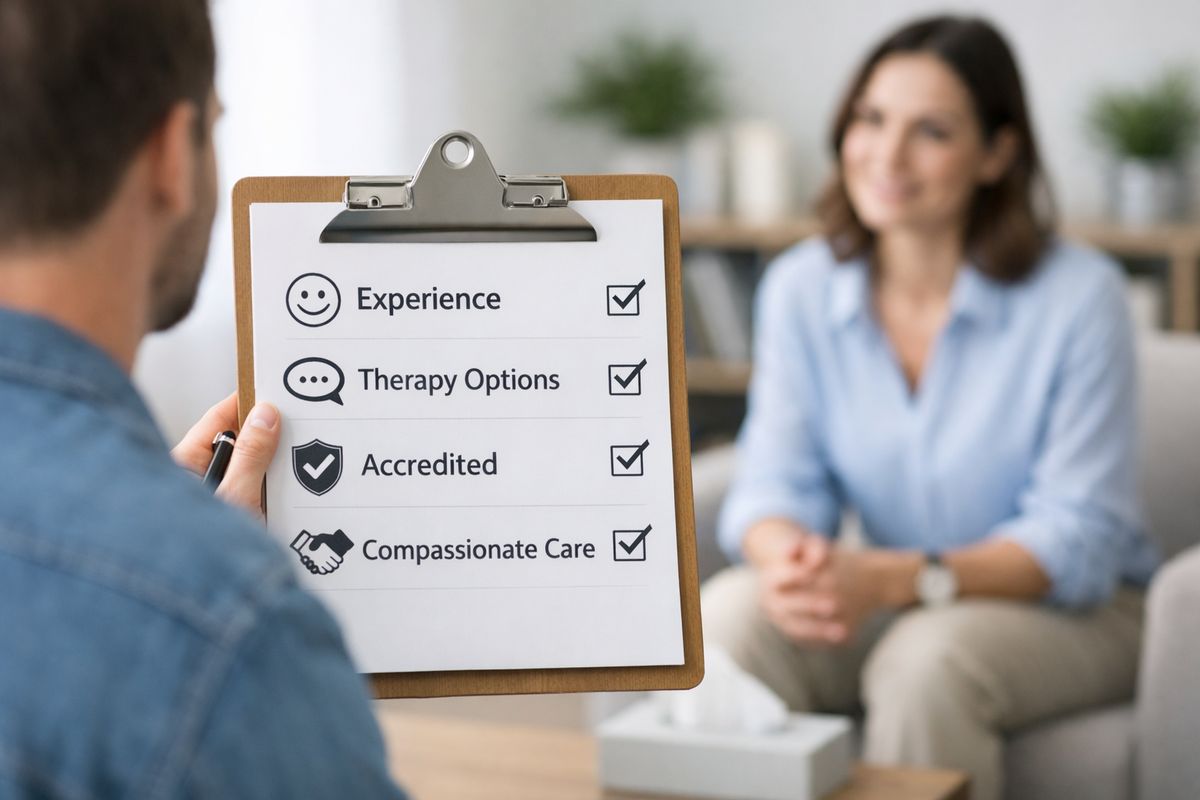
When evaluating programs, look for these critical factors:
Accreditation and training
Ensure the facility has accreditation from recognized bodies and that staff receive ongoing trauma-informed care training.
Dual diagnosis specialization
If you have PTSD, consider a ptsd and addiction recovery program. For mood or personality disorders, explore tracks like bipolar disorder and substance use treatment, depression and addiction therapy program, or borderline personality and addiction program.
Level of care and setting
- Inpatient vs partial hospitalization: review dual diagnosis php program options if you need structured days with flexibility
- Intensive outpatient: co-occurring disorder iop program lets you maintain home routines
- Outpatient: choose outpatient therapy for mental health recovery for ongoing support once acute symptoms stabilize
Faith-based or holistic options
If spirituality matters to you, look into faith-based dual diagnosis treatment that integrates pastoral counseling with clinical care.
By matching program features to your unique needs, you’ll maximize engagement and ultimately improve your chances for sustained recovery.
Enhancing recovery and outcomes
Beyond formal treatment, these best practices help you reinforce progress:
- Establish a supportive network through alumni groups or 12-step fellowships
- Work with a case manager to coordinate psychiatric care during addiction recovery and community services
- Practice daily self-care routines: exercise, journaling, meditation
- Use trauma-informed relapse prevention tools to identify high-risk situations early
- Plan for transitions with long-term dual diagnosis support or sober living environments
By staying proactive and leveraging integrated resources, you transform treatment gains into real-world resilience. Trauma therapy integrated with addiction care isn’t merely a program—it’s a collaborative journey toward reclaiming your life.