Understanding schizoaffective disorder
If you’re navigating schizoaffective disorder and addiction care, it’s crucial to understand the nature of schizoaffective disorder. This condition combines symptoms of schizophrenia—such as hallucinations, delusions, and disorganized thinking—with mood disorder features like depression or mania [1]. Accurate identification of both psychotic and mood symptoms guides a treatment plan tailored to your needs.
Symptoms and diagnosis
Clinicians use DSM-5 criteria to confirm schizoaffective disorder. Key elements include:
- Psychotic features (hallucinations, delusions, disorganized speech) present for at least two weeks without mood symptoms
- Depressive or manic episodes occurring for a majority of the illness duration
- Exclusion of substance-induced psychosis
A thorough evaluation involves structured interviews, mental status exams, personal and family history, and standardized scales.
Schizoaffective subtypes
- Depressive type: major depressive episodes with psychosis
- Bipolar type: manic or mixed episodes with accompanying psychosis
Knowing your subtype helps your care team select appropriate medications and therapies.
Treatment foundations
Managing schizoaffective disorder typically involves a combination of:
- Medication: antipsychotics for psychosis, antidepressants for depression, mood stabilizers for mania
- Psychotherapy: cognitive-behavioral therapy, family therapy, social skills training
- Psychoeducation: learning early warning signs and relapse prevention strategies
- Medical monitoring: regular lab work to track metabolic health and side effects
Consistent engagement with these elements promotes symptom remission and stabilizes mood and thought processes.
Stigma and support
Living with schizoaffective disorder can feel isolating due to public misconceptions. Connecting with peer support groups and mental health advocacy organizations helps you combat stigma, share coping strategies, and find community. Family psychoeducation also fosters understanding and support at home.
Recognizing addiction co-occurrence
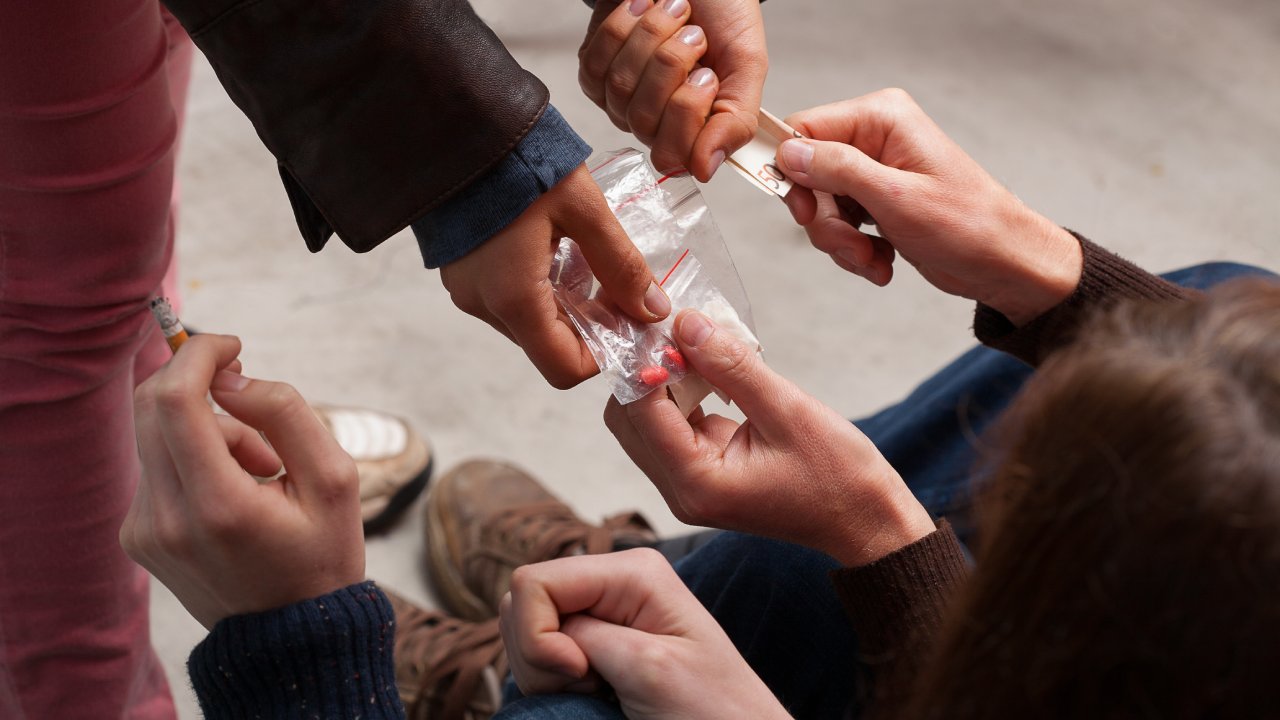
When you face schizoaffective disorder and addiction care, recognize that substance use disorders frequently co-occur and complicate treatment outcomes.
High prevalence rates
- 50–70% of individuals with schizophrenia spectrum disorders have a co-occurring substance use disorder [2]
- In schizoaffective disorder, 75–90% of people smoke tobacco; alcohol and drug use rates are also elevated [3]
- Lifetime substance use in schizophrenia: smoking 60–90%, alcohol 21–86%, cannabis 17–83%, cocaine 15–50% [4]
Underlying risk factors
Genetic predispositions
Variants in genes like BDNF, COMT, and AKT may interact with adolescent cannabis exposure to heighten risk of psychosis and addiction [4].
Brain reward circuit dysfunction
Dysfunction in the mesocorticolimbic dopamine system—hippocampus, prefrontal cortex, nucleus accumbens—may increase vulnerability to both psychosis and substance use [4].
Common substances and impact
- Tobacco: intensifies cognitive impairment, raises cardiovascular risk
- Alcohol: worsens depressive symptoms, may interact dangerously with medications
- Cannabis: linked to earlier onset of psychosis, poor medication response
- Stimulants: exacerbate hallucinations, heighten anxiety, trigger depersonalization
Medical complications
Substance use in schizoaffective disorder contributes to:
- Cardiovascular disease and metabolic syndrome
- Liver disease and hepatitis B/C from intravenous drug use
- Infectious diseases like HIV
- Increased hospitalization and crisis interventions
Identifying these complications early supports integrated medical and psychiatric care.
Exploring dual diagnosis benefits
Dual diagnosis programs merge mental health and addiction services, offering a cohesive treatment pathway for you.
Holistic treatment integration
Integrated care avoids fragmented services. Your therapists, psychiatrists, and medical staff collaborate under one roof, aligning medication management, therapy goals, and relapse prevention. Learn about this model in our mental health and addiction integrated treatment guide.
Trauma-informed care environment
Many individuals with schizoaffective disorder have trauma histories that exacerbate symptoms. Trauma-informed dual diagnosis programs foster safety, choice, and empowerment. Explore specialized services in our trauma-informed dual diagnosis care section.
Improved clinical outcomes
Research shows integrated dual diagnosis treatment:
- Reduces hospital readmissions and emergency visits
- Increases medication adherence and psychiatric stability
- Lowers rates of substance use relapse
- Enhances social functioning and quality of life
Family involvement
Including family members in education and therapy sessions strengthens your support network. Family psychoeducation reduces relapse rates and improves communication, making long-term recovery more sustainable.
Personalized care tracks
Centers often offer targeted programs such as:
- faith-based dual diagnosis treatment
- ptsd and addiction recovery program
- bipolar disorder and substance use treatment
- depression and addiction therapy program
- anxiety and addiction recovery center
- borderline personality and addiction program
- ocd and substance use treatment
Choosing a track aligned with your clinical profile helps you engage more fully with treatment.
Key program components
Effective dual diagnosis treatment comprises four evidence-based pillars:
| Component | Description |
|---|---|
| Comprehensive assessment | In-depth evaluation with clinical interviews, standardized tools (AUDIT, DAST-10), and urine toxicology to capture mental health and substance use. [2] |
| Medication management | Strategic use of antipsychotics, mood stabilizers, antidepressants, and clozapine—shown to reduce substance use by normalizing reward circuits. [4] |
| Psychosocial interventions | Dual Recovery Therapy, cognitive-behavioral therapy, motivational enhancement, and skills training tailored to co-occurring disorders. |
| Relapse prevention | Personalized coping plans, peer support groups, family education, and ongoing monitoring to detect and address early warning signs. |
Comprehensive assessment
Your treatment begins with a full intake:
- Detailed substance use history (frequency, quantity, route)
- Timeline of psychotic and mood symptoms
- Medical and legal background
- Environmental supports and stressors
Objective tests and validated questionnaires improve diagnostic clarity.
Medication management
A psychiatrist will:
- Prescribe antipsychotics to reduce psychosis
- Add antidepressants or mood stabilizers based on your subtype
- Consider clozapine, the only antipsychotic proven to curb alcohol, cannabis, and tobacco use
- Monitor side effects such as weight gain or sedation with regular labs
Psychosocial interventions
Individual and group therapies teach you to manage both conditions:
- Dual Recovery Therapy integrates addiction and mental health goals in each session
- Cognitive-behavioral therapy challenges harmful thought patterns
- Motivational enhancement boosts readiness to change
- Skills training covers stress management, social interaction, and daily routines
For more on blended therapeutic approaches, visit our integrated therapy for mental health and addiction resource.
Family education and support
Educating loved ones about schizoaffective disorder and addiction fosters understanding. Family sessions focus on:
- Recognizing early warning signs
- Communication strategies
- Setting healthy boundaries
- Crisis planning
Relapse prevention planning
A robust relapse prevention plan includes:
- Identification of personal triggers
- Development of coping skills (mindfulness, grounding techniques)
- Establishing safe environments and peer support
- Scheduling regular check-ins with your care team
Assessing treatment options
Choosing the right level of care for schizoaffective disorder and addiction care depends on symptom severity, support system, and treatment goals.
Inpatient stabilization
Residential programs offer 24/7 monitoring, daily therapy, and safe detoxification. Ideal if you:
- Experience severe psychotic or mood episodes
- Have a high risk of medical complications during withdrawal
- Lack a stable living environment
Day treatment and IOP
- Partial hospitalization (PHP): intensive day programs with medical oversight
- Intensive outpatient (IOP): co-occurring disorder iop program provides structured therapy several times per week
For details on day programs with medication management, see our dual diagnosis php program.
Outpatient continuity
After stabilization, outpatient services help you integrate skills into everyday life:
- outpatient therapy for mental health recovery blends counseling for addiction and psychiatric follow-up
- Telehealth options provide flexibility for ongoing care
Program accreditation and staff credentials
Look for centers accredited by reputable bodies and staffed by:
- Psychiatrists certified in addiction and serious mental illness
- Licensed therapists trained in dual diagnosis
- Nurses, social workers, and peer recovery coaches
Cost and insurance considerations
Verify insurance coverage for mental health and substance use treatment. Many programs offer sliding-scale fees or financial assistance. Confirm what services are billed under mental health versus addiction benefits.
Maintaining long-term recovery
Sustaining gains from dual diagnosis treatment requires vigilance, support, and healthy habits.
Relapse prevention strategies
- Recognize emotional, social, and environmental triggers
- Practice coping techniques such as deep breathing, grounding, and journaling
- Participate in peer-led or professional support groups
- Keep a crisis plan with emergency contacts and coping reminders
Support networks and follow-up
- Connect with long-term dual diagnosis support programs for alumni groups and check-ins
- Engage peer mentors who share lived experience
- Maintain regular sessions with therapists and case managers
Regular psychiatric care
Ongoing psychiatric appointments allow:
- Medication adjustments to optimize stability
- Side effect monitoring to protect physical health
- Coordination with primary care providers for comorbid conditions
Learn more about our collaborative model at psychiatric care during addiction recovery.
Wellness and self-care
Incorporate daily practices that support mental and physical health:
- Balanced nutrition to fuel brain function
- Consistent sleep routines to regulate mood
- Regular physical activity to reduce stress and improve cognition
- Creative pursuits and social activities to build purpose and connection
Vocational and housing support
Stable employment and housing are pillars of recovery:
- Vocational rehabilitation services help you develop workplace skills
- Supported housing programs offer safe, substance-free environments
- Case managers can coordinate benefits, job training, and housing referrals
By combining these components—comprehensive assessment, integrated treatment, family involvement, and ongoing support—you can address schizoaffective disorder and addiction care as interconnected challenges. With the right dual diagnosis program and commitment to long-term wellness strategies, lasting recovery is within reach.