
Recognizing co-occurrence
If you’re seeking information on bipolar disorder and substance use treatment, you already know these conditions often go hand in hand. When bipolar disorder and a substance use disorder (SUD) occur together, clinicians call it a dual diagnosis or co-occurring disorder. Understanding this overlap is the first step toward finding the right integrated treatment program for you.
Prevalence and impact
Co-occurrence is common. Individuals diagnosed with bipolar I disorder have about a 65% lifetime prevalence of any SUD and a 54% lifetime rate of alcohol use disorder [1]. Other studies suggest up to 60% of people with bipolar disorder report some history of substance abuse [2]. When you face both conditions, you may experience:
- Earlier onset of bipolar symptoms
- More frequent mood episodes and treatment resistance
- Heightened risk of hospitalization, relapse, and suicidal behavior
Diagnostic challenges
Diagnosing bipolar disorder in the presence of substance use can be tricky. Mania or depression symptoms often overlap with intoxication or withdrawal states. Expert evaluation by clinicians trained in dual diagnosis is essential. Accurate assessment often involves:
- A detailed substance use history
- Psychiatric interviews over sustained abstinence periods
- Collaboration between psychiatrists and addiction specialists
The need for integrated treatment
Treatment that addresses bipolar disorder and substance use simultaneously is the standard of care. Integrated treatment ensures you receive coordinated psychiatric stabilization, addiction therapy, and relapse prevention under one roof. This approach outperforms sequential or parallel models where each condition is treated separately [1].
Integrated treatment components
A comprehensive dual diagnosis program typically includes:
- Medically managed detox, if needed
- Inpatient or residential care for stabilization
- Partial hospitalization (PHP) or intensive outpatient programs (IOP)
- Individual and group therapy covering mood management and sobriety skills
- Medication management for mood stabilization and craving reduction
- Aftercare planning and long-term relapse prevention
You can explore our dual diagnosis treatment program page for an overview of care levels.
Trauma-informed care
Many people with co-occurring bipolar disorder and SUD have histories of trauma. Trauma-informed dual diagnosis care acknowledges how past abuse or adverse childhood experiences fuel mood instability and substance use. Look for programs that integrate trauma therapy alongside addiction and psychiatric treatment, such as trauma-therapy integrated with addiction care.
Evidence-based approaches
Choosing evidence-based interventions maximizes your chances of long-term recovery. These approaches have strong research backing for individuals managing both bipolar symptoms and addiction.
Medication management
Mood stabilizers and anticonvulsants often serve as first-line treatments for bipolar disorder with SUD. Key findings include:
- Bipolar patients who abuse substances may respond poorly to lithium, while divalproex sodium or carbamazepine can offer better outcomes, though direct comparisons remain limited [3].
- Benzodiazepines carry addiction risk, so clinicians use them cautiously, often preferring them only for acute withdrawal management or severe manic agitation [2].
- Medications for addiction—such as naltrexone for alcohol use disorder—can reduce cravings and support sobriety without destabilizing mood.
Behavioral therapies
Behavioral interventions help you develop coping skills and challenge patterns that trigger mood swings or substance use. Core therapies include:
- Cognitive behavioral therapy (CBT), which targets negative thought patterns linked to depression, mania, and cravings [2].
- Motivational interviewing, to strengthen your commitment to change.
- Family psychoeducation, which helps your support system understand both disorders and reinforce healthy behaviors.
Psychosocial interventions
The STEP-BD psychosocial trial demonstrated surprising benefits for bipolar patients with current SUDs. Participants with ongoing substance use were significantly more likely to recover from bipolar depression (74.5%) compared to those without SUDs (56.5%), suggesting you can respond well to psychotherapy even if substance use continues during early treatment phases [4].
Levels of care options
Your treatment journey may progress through several levels of care. Each offers a balance of structure and flexibility to meet your needs.
Medically managed detox
If you require detoxification for alcohol or drug dependence, a medically managed detox unit ensures close monitoring and safe withdrawal. Medical professionals address acute symptoms and stabilize your physical health before moving to ongoing treatment.
Residential treatment and PHP
Residential programs provide intensive 24/7 care in a structured setting. Partial hospitalization programs (PHP) offer a similar level of support during daytime hours with nights spent at home. Our dual diagnosis php program provides around-the-clock access to psychiatric care and addiction therapy.
Intensive outpatient programs
IOPs balance treatment with everyday responsibilities such as work or school. You typically attend therapy and groups three to five days per week. For co-occurring conditions, look for a co-occurring disorder iop program that includes both psychiatric evaluation and addiction counseling.
Outpatient therapy
Once you’ve stabilized, outpatient therapy helps you maintain gains with fewer weekly visits. In these programs you’ll work on mood monitoring, relapse prevention, and life-skills coaching. Consider programs like outpatient therapy for mental health recovery that integrate addiction counseling.
Building long-term support
Recovery from bipolar disorder and substance use is a lifelong process. Establishing ongoing support helps you stay on track and cope with challenges as they arise.
Ongoing psychiatric care
Regular appointments with a psychiatrist or psychiatric nurse practitioner ensure your medications remain well-tuned. If you experience mood shifts or cravings, adjustments can happen promptly. Check out our psychiatric care during addiction recovery page for what to expect.
Integrated therapy
You may benefit from continued individual and group therapy that addresses both mood and substance use triggers. Integrated therapy sessions help you:
- Identify early warning signs of mania, depression, or relapse
- Develop coping strategies for stress without using substances
- Strengthen social support networks
Explore integrated therapy for mental health and addiction for more on these combined approaches.
Peer support and aftercare
Peer-led groups such as Dual Recovery Anonymous or integrated 12-step meetings offer fellowship with others who understand your journey. Aftercare planning often includes sober living environments, alumni networks, and relapse prevention workshops.
Finding the right program
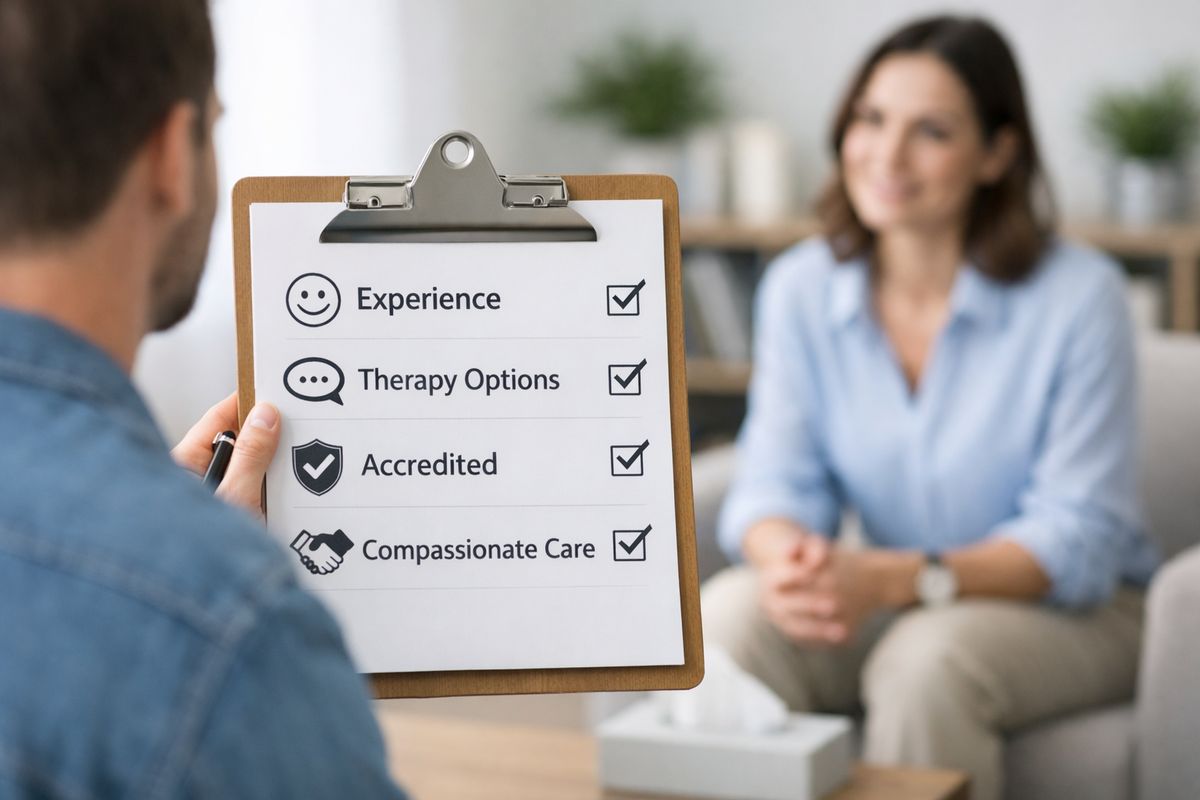
Selecting the ideal dual diagnosis program means asking targeted questions and verifying credentials. Use this checklist to guide your search:
- Does the facility offer combined psychiatric and addiction care?
- Are the clinical staff experienced in treating bipolar disorder with SUD?
- Is the program trauma-informed and evidence-based?
- What levels of care (detox, inpatient, PHP, IOP, outpatient) are available?
- How does the facility handle medication management and psychiatric emergencies?
- What aftercare and long-term dual diagnosis support do they provide?
You can start by exploring our mental health and addiction integrated treatment resources.
Insurance and payment
Verify that your insurance covers dual diagnosis services. Many insurers recognize integrated programs as medically necessary for co-occurring disorders. If you’re uninsured or underinsured, ask about sliding-scale fees, payment plans, or scholarships.
Conclusion
Navigating bipolar disorder and substance use treatment can feel overwhelming, but integrated, evidence-based programs give you the best chance for lasting recovery. By choosing a trauma-informed, co-occurring disorder program that offers psychiatric stabilization, robust therapy, and comprehensive relapse prevention, you empower yourself to manage mood swings, reduce cravings, and build a healthier future. Remember, you don’t have to face this journey alone—help is available, and recovery is possible.