
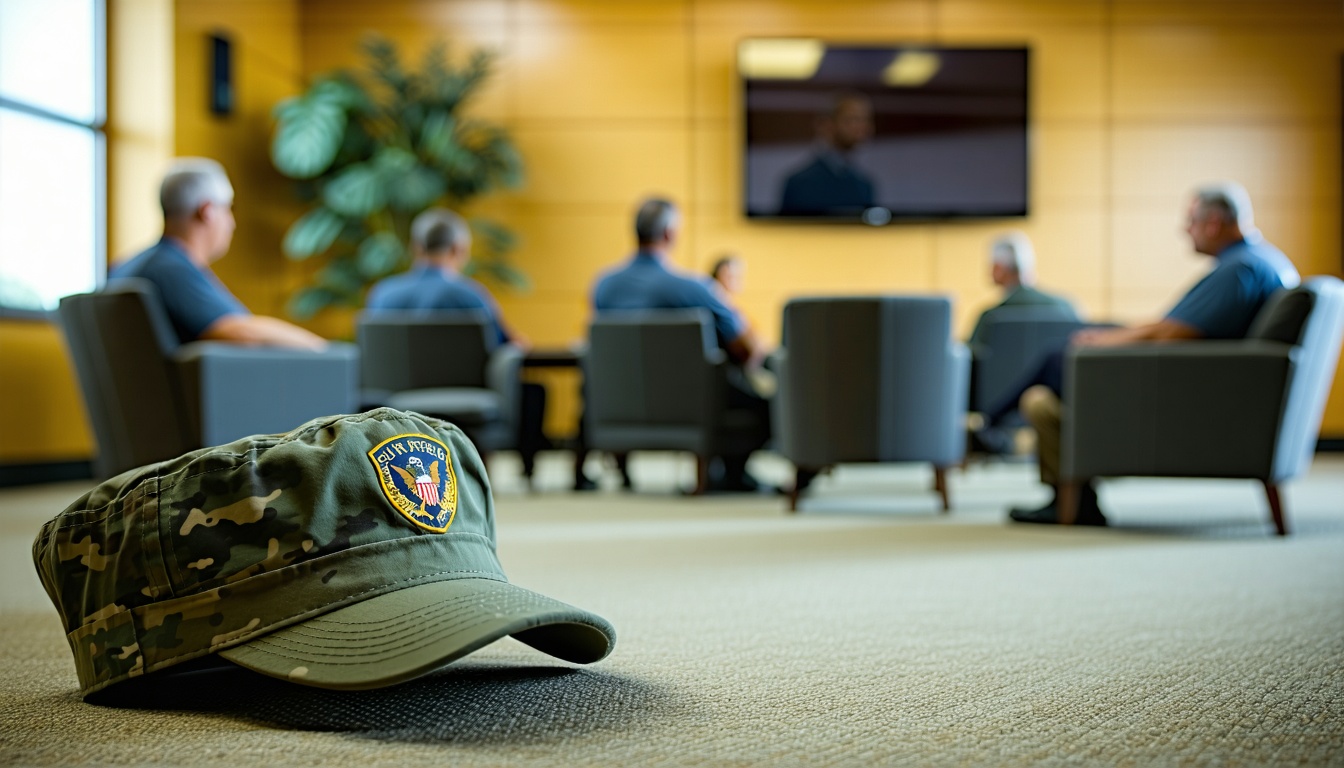
Outpatient trauma counseling for veterans
Outpatient trauma counseling for veterans provides a flexible yet structured approach to healing after military service. Whether you’re coping with post-traumatic stress disorder (PTSD), anxiety, depression, or co-occurring addiction, this model offers tailored treatment programs designed to fit your daily life. You can attend regular therapy sessions, work with experienced clinicians, and immediately apply coping skills at home—all within a supportive environment that respects your unique challenges.
As a veteran, you may face barriers such as stigma, scheduling conflicts, or difficulty transitioning to civilian routines. Outpatient trauma counseling helps you maintain connections with family, work, or school while accessing comprehensive care. In addition, many programs integrate evidence-based therapies and dual diagnosis support to address both mental health conditions and substance use when they occur together. The end result is a sustainable path forward that balances your need for stability with the support necessary for lasting recovery.
Defining outpatient trauma counseling
Outpatient trauma counseling refers to a nonresidential model where you receive psychotherapy and related services on a scheduled basis. Typical features include:
- Individual therapy sessions focusing on trauma processing
- Group therapy that fosters peer support and camaraderie
- Psychiatric consultations for medication management
- Case management to coordinate care and resources
This approach contrasts with inpatient or residential treatment by allowing you to sleep and live at home, reducing disruption to daily responsibilities. You can choose from standard weekly sessions, an intensive outpatient program (IOP), or a partial hospitalization program (PHP) based on your level of need and your treatment goals.
Key benefits of outpatient care
- Flexibility and routine, letting you apply coping strategies in real-world settings
- Preservation of family and work life, supporting reintegration into civilian roles
- Lower cost compared to residential programs, reducing financial strain
- Greater accessibility, with many clinics offering evening or weekend hours
- Peer connection and mutual support in group sessions
These benefits build a treatment plan around you, helping to reinforce skills learned in therapy and improve long-term outcomes.
Who is it for?
Outpatient trauma counseling is ideal if you:
- Have a stable living environment with supportive family or friends
- Need to maintain employment, education, or caregiving responsibilities
- Are motivated to engage in regular therapy without hospitalization
- Require a step-down from residential care after stabilization
- Face mild to moderate PTSD symptoms or co-occurring conditions that do not demand 24/7 medical supervision
If you have complex medical or psychiatric needs, you might begin with inpatient care or a residential mental health treatment program before transitioning to outpatient services.
Compare treatment levels
Choosing the right level of care means matching the intensity of services with your current challenges and strengths. Below is a comparison of four common treatment options.
| Program | Living arrangement | Sessions per week | Typical use case |
|---|---|---|---|
| Outpatient | Home | 1–3 | Mild to moderate PTSD, stable environment |
| Intensive outpatient program (IOP) | Home | 3–5 | Increased support, early recovery or relapse risk |
| Partial hospitalization program | Home | 5–7 | Higher acuity without overnight stay |
| Residential | Facility | 24/7 support | Severe symptoms, medical detox, high relapse risk |
Intensive outpatient programs (IOP)
An IOP offers three to five therapy sessions per week, often combining individual and group formats. You’ll dive deeper into trauma-focused psychotherapies, learn relapse prevention strategies, and build a peer support network. Many veterans find that iop for mental health and substance abuse provides the structure they need without giving up home life.
Partial hospitalization programs (PHP)
PHP bridges the gap between IOP and residential care. It typically involves daily treatment for several hours, including therapy, medication management, and occupational or recreational therapy. If you require more intensive supervision but can still return home each night, consider a php for co-occurring disorders.
Residential vs outpatient
While residential care offers a highly structured, live-in environment with 24/7 support, outpatient models empower you to practice new skills in your own world. Veterans often start with residential treatment for safety and stabilization, then step down to outpatient counseling for trauma recovery to maintain momentum toward reintegration.
Engage in evidence-based therapies
Evidence-based treatments form the backbone of effective trauma counseling. You’ll work with clinicians who specialize in veteran mental health and apply therapies proven to reduce symptoms and improve functioning.
Trauma-focused psychotherapies
- Prolonged exposure (PE) therapy helps you gradually face trauma-related memories and situations you’ve been avoiding. It is highly effective at reducing PTSD symptoms [1].
- Cognitive processing therapy (CPT) focuses on changing unhelpful beliefs tied to trauma. Group and individual formats both yield significant improvements, with similar outcomes at four-month follow up [2].
- Cognitive behavioral conjoint therapy (CBCT) involves a family member or loved one in 15 sessions to improve communication and support recovery. Veterans report enhanced relational bonds and reduced PTSD symptoms [1].
- Dialectical behavior therapy (DBT) teaches skills to manage impulsive or self-harming behaviors and can reduce suicidal thoughts, substance misuse, and PTSD symptoms over a six-month period [1].
- Problem-solving therapy (PST) builds coping skills for daily stressors and depression, helping you navigate life challenges more effectively [1].
Medications for PTSD
Selective serotonin reuptake inhibitors (SSRIs) and serotonin-norepinephrine reuptake inhibitors (SNRIs) can balance brain chemicals linked to stress management. Three medications in these classes are first-line options for PTSD, though therapy generally yields stronger outcomes. To access prescriptions, you’ll meet with a qualified provider such as a family physician, nurse practitioner, or psychiatrist [3].
Conjoint and family therapies
Involving loved ones can strengthen your support network and improve treatment adherence. Programs like dual diagnosis program with family therapy integrate addiction and mental health care, ensuring that both you and your family receive guidance on communication, boundaries, and relapse prevention.
Alternative and complementary therapies
- Eye movement desensitization and reprocessing (EMDR) uses guided eye movements to process traumatic memories with less distress [4].
- Holistic therapies such as yoga, meditation, and mindfulness support emotional regulation and overall wellness.
- Recreational therapies, including art or music sessions, promote self-expression and stress relief.
When combined with core evidence-based approaches, these modalities contribute to a comprehensive care plan.
Access dual diagnosis support
Many veterans experience co-occurring mental health and substance use challenges. Integrated programs address both conditions in a unified framework, reducing gaps in care and improving outcomes.
Integrated addiction and mental health care
Dual diagnosis programs offer concurrent treatment rather than treating addiction and mental health sequentially. You’ll benefit from coordinated interventions, medication management, and case coordination to address overlapping triggers and coping skills. For tailored support, explore our dual diagnosis treatment for addiction and mental health.
Outpatient therapy for comorbidities
Outpatient settings can adapt to your needs if you’re managing depression, anxiety, OCD, bipolar disorder, or borderline personality disorder alongside trauma symptoms. Consider these specialized pathways:
- co-occurring disorder treatment program
- co-occurring disorder outpatient therapy
- bipolar and addiction treatment program
By treating conditions simultaneously, you build resilience and reduce the risk of relapse.
Leverage support networks
Recovery thrives on connection. Veterans benefit greatly from shared experiences and robust support systems.
Peer support and camaraderie
Group therapy provides a space to discuss military-influenced mindsets, adjustment issues, and strained family relationships. Veterans who engage in peer-led groups often report decreased isolation and a stronger sense of belonging. The Home Base outpatient clinic demonstrated a 17% lower drop-out rate when veterans participated in outreach and peer contact [5].
Family involvement
Family programming lets loved ones seek multi-disciplinary care regardless of your treatment status. This approach reduces caregiver burnout and improves communication across the household [5].
Safety planning
Prepare for counseling
Taking the first step can feel daunting. Address common barriers to ensure a smooth start.
Overcoming barriers to care
- Wait times for VA programs range from 7 to 163 days, and only 49% of appointments occur within 14 days of referral [6].
- Civilian providers accepting TRICARE for PTSD treatment account for just 39% of networks, creating access challenges [6].
- Internet restrictions and limited computer literacy within some service settings can hamper telehealth options.
By understanding these hurdles ahead of time, you can plan for scheduling flexibility and explore alternative clinics.
Choosing the right provider
Look for a trauma-informed outpatient therapy team that specializes in veteran care. Key considerations include:
- Experience with evidence-based PTSD treatments
- Availability of group and individual sessions
- Integrated dual diagnosis support
- Evening and weekend hours
- Coordination with VA or TRICARE benefits
An informed choice sets the stage for a trusting therapeutic relationship.
Plan for lasting recovery
Recovery extends beyond the initial treatment phase. Incorporate strategies that reinforce progress and reduce relapse risk.
Relapse prevention strategies
- Identify triggers and high-risk situations
- Practice skills learned in therapy daily
- Maintain regular follow-up appointments
- Engage in peer support or alumni groups
- Review safety plans quarterly
Continuing care and follow-up
Ongoing check-ins with your therapist or psychiatrist help monitor symptoms and adjust treatment plans. Whether you opt for standard outpatient sessions, step up to an intensive outpatient program for depression, or explore residential mental health treatment program, continuity of care is essential. By staying proactive, you reinforce the skills, insights, and support necessary for lasting recovery.
Embarking on outpatient trauma counseling for veterans opens a path to healing that honors your service and addresses your unique needs. With comprehensive care, tailored treatment programs, and robust support networks, you can navigate the challenges of PTSD and related conditions with confidence and hope. If you’re ready to take the next step, explore our ptsd outpatient treatment center or learn more about outpatient therapy for trauma and ptsd. Your recovery journey starts today.
References
- (VA Mental Health)
- (PMC)
- (VA Mental Health)
- (NCBI Bookshelf)
- (NCBI)
- (NCBI Bookshelf)