
If you’re seeking a bipolar and addiction treatment program that truly addresses both your mood swings and substance use, you need an approach designed for co-occurring disorders. Treating bipolar disorder in isolation can leave you vulnerable to relapse, and focusing only on addiction won’t resolve the underlying mood instability. By choosing integrated care—whether through outpatient services, an intensive outpatient program (IOP), a partial hospitalization program (PHP), or residential treatment—you’ll benefit from coordinated strategies that tackle both conditions together.
This article guides you through the essentials of dual diagnosis care. You’ll learn about prevalence rates, treatment levels, evidence-based therapies, medication management, aftercare support, and how to choose the right professional team. With clear information and compassionate insights, you can make confident decisions about your recovery journey.
Understand co-occurring disorders
What is dual diagnosis
Dual diagnosis describes the simultaneous presence of a mental health condition—such as bipolar disorder—and a substance use disorder. When these issues overlap, each can exacerbate the other. For example, mood swings may drive you to self-medicate with alcohol or stimulants, and substance use can intensify depressive or manic episodes. Integrated care ensures both disorders are treated under one roof, avoiding gaps in communication and strengthening your path to recovery. For more details on this model, see our dual diagnosis treatment for addiction and mental health page.
Prevalence of comorbidity
Understanding how common co-occurring bipolar and substance use disorders are can underscore the importance of specialized care. Research shows:
| Condition | Substance use disorder prevalence | Alcohol use disorder prevalence |
|---|---|---|
| Bipolar I disorder | 65% | 54% |
| Bipolar II disorder | 37% | N/A |
Sources: American Addiction Centers
Roughly 60% of people diagnosed with any form of bipolar disorder will struggle with substance addiction at some point in their lives. This high rate highlights why you need a program that understands both challenges and offers a seamless treatment plan.
Explore treatment levels
When choosing care, you’ll find options ranging from flexible outpatient therapy to immersive residential programs. Each level offers distinct benefits depending on your symptom severity, support network, and daily responsibilities.
Outpatient care options
Outpatient care lets you live at home while attending scheduled therapy sessions. It’s ideal if you have a stable environment and mild to moderate symptoms.
-
Standard outpatient therapy
One-to-one sessions with a therapist to address mood regulation, relapse prevention, and coping skills. For related services, see our bipolar disorder treatment program and outpatient therapy with psychiatric support. -
Intensive outpatient programs (IOP)
Structured treatment for several hours per day, multiple days per week. You’ll participate in group therapy, individual counseling, and life-skills workshops. This level is effective for moderate to high needs while maintaining daily life routines. Learn more in our iop for mental health and substance abuse. -
Partial hospitalization programs (PHP)
PHP offers daytime treatment similar to inpatient care but allows you to return home overnight. You’ll receive medical monitoring, medication management, and intensive therapy, making it suitable when symptoms are severe but you have a supportive home environment. Explore our php program for mental health disorders.
Residential treatment programs
In residential care, you live onsite for the duration of your treatment, receiving 24/7 supervision and support. This immersive setting is beneficial if you’ve experienced repeated relapses, have severe mood episodes, or need a safe space away from triggers.
Key advantages:
- Constant medical and clinical support
- Structured daily schedule with therapy, education, and healthy routines
- Peer community for mutual support and shared experiences
Consider our residential dual diagnosis program or residential program for bipolar disorder for comprehensive care that addresses both mood instability and addiction.
Evaluate integrated treatment approach
An integrated approach means treating bipolar disorder and substance use together instead of in isolation. This coordination boosts your chances of long-term recovery.
Benefits of integrated care
- Reduced relapse rates by addressing triggers from both conditions
- Better psychiatric symptom management through unified planning
- Improved medication adherence with collaborative monitoring
- Enhanced quality of life and decreased hospitalization
Studies show integrated treatment for comorbid conditions outperforms separate programs, leading to symptom relief and greater stability [1].
Evidence-based therapies
Your program should include therapies supported by research to address both bipolar symptoms and substance use:
Cognitive behavioral therapy
- Helps you identify and reframe negative thought patterns
- Teaches coping skills for mood swings and cravings
- Proven to reduce substance use and depressive symptoms [2]
Motivational interviewing
- Strengthens your commitment to change
- Enhances awareness of addiction’s impact on mental health
- Fosters intrinsic motivation to adhere to your treatment plan
Contingency management
- Uses positive reinforcement to reward sobriety and treatment engagement
- Increases compliance with therapy and medication
- Effective for a range of substance use disorders
Medication management
Medication tailored to your needs stabilizes mood and supports sobriety:
| Medication type | Purpose | Common options |
|---|---|---|
| Mood stabilizers | Prevent manic/depressive episodes | Lithium, valproate |
| Anticonvulsants | Enhance mood regulation | Lamotrigine, carbamazepine |
| Antipsychotics | Address acute mania or psychotic features | Quetiapine, risperidone |
| Medication-assisted treatment | Support addiction recovery | Naltrexone, buprenorphine |
Working closely with psychiatrists and addiction specialists ensures your regimen is safe and effective.
Plan aftercare support
Your journey doesn’t end when formal treatment does. Aftercare programs provide ongoing assistance to help you maintain gains and manage setbacks.
Importance of aftercare programs
- Around 40–60% of individuals in recovery relapse at least once without continued support [3]
- Aftercare offers accountability through regular check-ins, milestone tracking, and ongoing counseling
- Participation in peer support groups like AA or NA builds community connection and motivation [4]
Common aftercare components:
- Continuing therapy and medication management for dual diagnoses
- Life-skills training in job readiness, financial planning, and communication
- Regular group meetings and sober support networks
Building support networks
A strong support system is essential for lasting recovery:
- Engage family and close friends in therapy when appropriate
- Join peer-led recovery groups, either in person or online
- Participate in structured alumni programs through your treatment center
- Seek community resources such as sober living homes or vocational training
By surrounding yourself with understanding peers and professionals, you reinforce the skills learned in treatment and stay committed to your goals.
Choose the right program
Finding the best fit means assessing providers, asking targeted questions, and ensuring the environment matches your needs.
Ask key questions
Before committing, ask each facility or clinician:
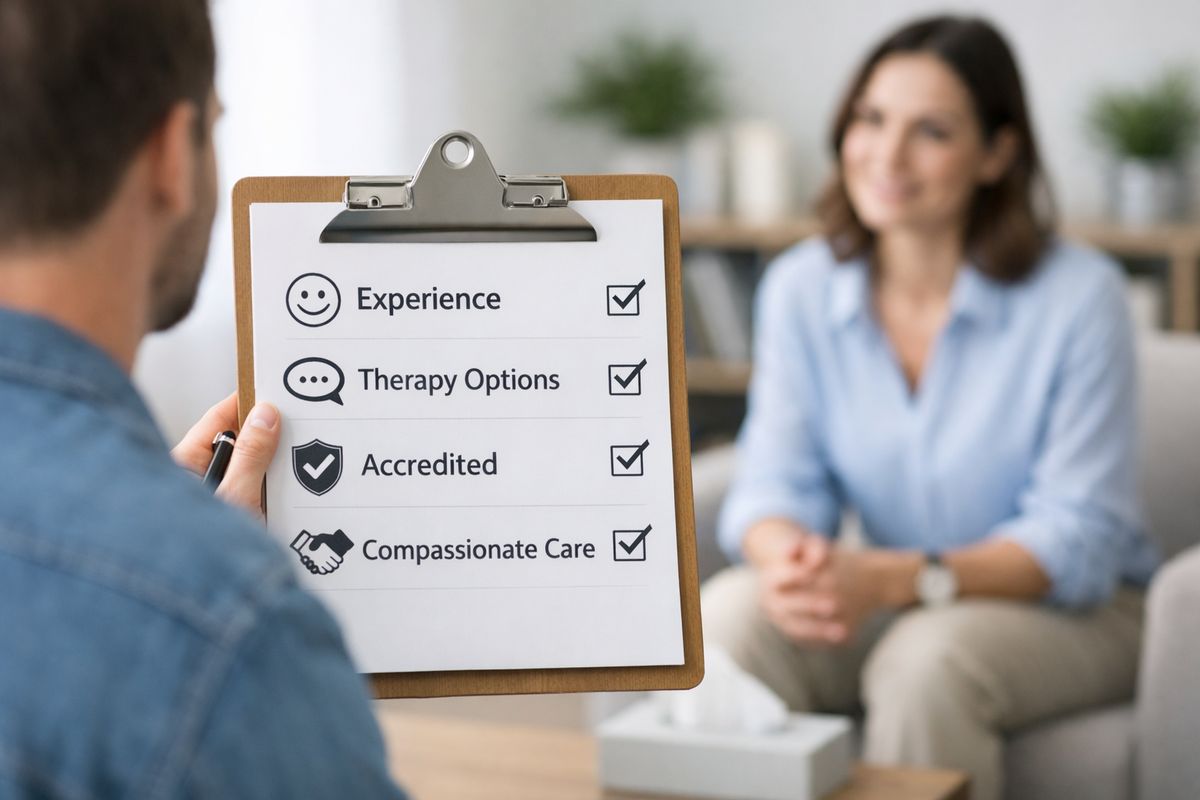
- What experience do you have treating co-occurring bipolar and addiction disorders?
- Do you offer integrated services or refer to separate providers?
- What therapy modalities and medication protocols do you use?
- How do you coordinate care between psychiatrists, therapists, and medical staff?
- What aftercare and alumni support do you provide?
These questions help you compare offerings and verify that your care will be comprehensive.
Tailor treatment to you
Every recovery journey is unique, so look for programs that customize plans based on:
- Severity and frequency of mood episodes and substance use
- Co-existing conditions such as anxiety, PTSD, OCD, or personality disorders
- Your home environment, work or school commitments, and family support
- Preferences for setting—outpatient, IOP, PHP, or residential
For specialized tracks, explore our co-occurring disorder outpatient therapy or residential treatment for schizophrenia and addiction pages. If trauma is a factor, consider trauma informed outpatient therapy.
Take the next step
Deciding to seek treatment is a courageous act. By choosing an integrated bipolar and addiction care program, you’re equipping yourself with the tools, therapies, and support needed for long-term success. Review your options—outpatient, IOP, PHP, or residential—ask the right questions, and trust in evidence-based approaches. When you’re ready, explore our bipolar disorder treatment program or connect with our team to discuss personalized care plans. Recovery is possible, and you don’t have to face it alone.