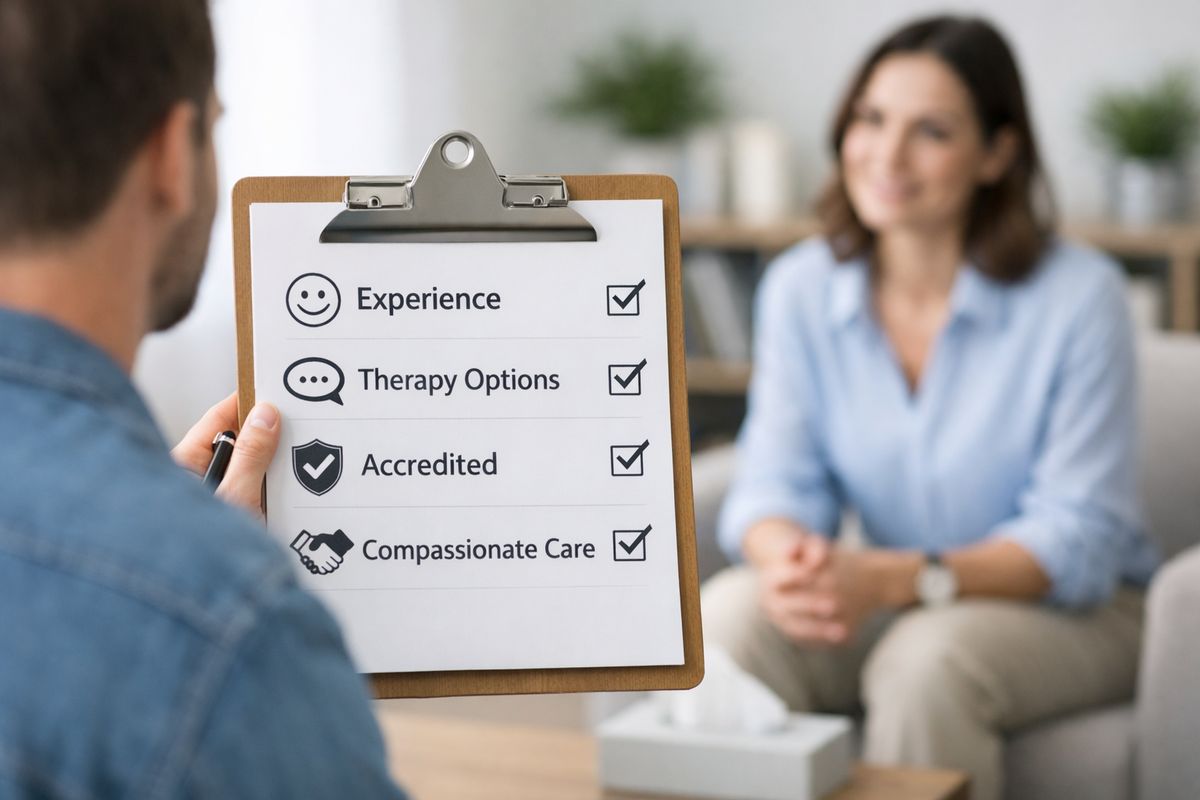

Understand detox process
When you begin an alcohol detox with therapy support, you’re taking a crucial step toward reclaiming your health and well-being. Detoxification involves the systematic removal of alcohol from your body under clinical supervision, while concurrently addressing the psychological factors that contribute to dependence. As a result, you benefit from both medical safety and emotional guidance, reducing risks and bolstering your resolve as you navigate the early stages of recovery.
Medical detox focuses on stabilizing your physical condition. Healthcare professionals monitor vital signs, manage acute withdrawal symptoms, and provide pharmacologic interventions when needed. Additionally, therapy support equips you with coping strategies to confront cravings, identify triggers, and build a foundation for long-term change. This integrated approach reflects evidence-based practice, ensuring you receive comprehensive care from the outset.
Key takeaways:
- Medical supervision minimizes the risk of severe withdrawal complications
- Therapy support addresses emotional and behavioral dimensions
- Combining both elements fosters a balanced, individualized recovery plan
By understanding the detox process and embracing therapy alongside medical care, you set the stage for sustainable progress. In the following sections, you’ll explore the various detox options, therapy modalities, medication-assisted strategies, and aftercare planning that will guide you through each phase of your journey.
Compare detox options
Choosing the right setting for your detox can have a significant impact on your comfort, safety, and long-term success. Below, you’ll find an overview of common detox formats so you can weigh each option against your personal needs.
Medical detox for alcohol withdrawal
A medical detox for alcohol withdrawal program typically takes place in a hospital or dedicated detox center. You’ll receive continuous monitoring from licensed professionals who can administer medications to ease symptoms such as tremors, seizures, and elevated heart rate. This level of care is often recommended if you have:
- A history of severe withdrawal reactions
- Co-occurring medical or psychiatric conditions
- Prior incidents of delirium tremens
Outpatient drug detox services
If your withdrawal symptoms are expected to be mild to moderate, you might prefer outpatient drug detox services. In this model, you visit a clinic for scheduled medical assessments and therapy sessions while returning home each evening. Benefits include:
- Flexibility to maintain family and work responsibilities
- Lower cost compared with inpatient care
- Access to peer support groups
Residential detox for substance abuse
For many, a structured environment free from outside triggers is essential. A residential detox for substance abuse program provides 24/7 supervision in a campus-style setting. Daily schedules often include:
- Group therapy and educational workshops
- Individual counseling sessions
- Relaxation and wellness activities
Telehealth and eHealth options
Modern technology has expanded access to care through telehealth and online resources. You can receive talk therapy or medical check-ins via video and phone, which is particularly valuable if you live in a remote area or have limited transportation. These “eHealth” solutions may include:
- Virtual individual or group therapy
- Mobile apps for tracking cravings and mood
- Remote medication monitoring
By comparing these detox formats, you can select an approach that aligns with your medical profile, support network, and lifestyle. In addition to the setting, therapy support plays a pivotal role in addressing the emotional aspects of withdrawal and early recovery.
Explore therapy support
Therapy is an indispensable component of detox, helping you understand the root causes of alcohol use and equipping you with tools for lasting change. Integrating counseling with detox safeguards against relapse and fosters personal growth.
Individual counseling
One-on-one sessions with a licensed therapist allow you to:
- Identify underlying stressors, traumas, or mental health issues
- Develop coping strategies tailored to your triggers
- Set realistic goals for each phase of recovery
Your therapist may use cognitive behavioral therapy (CBT), motivational interviewing, or dialectical behavior therapy (DBT) to help you challenge unhelpful thought patterns and reinforce positive habits.
Group therapy and peer support
Participating in group therapy connects you with others who share similar experiences. Benefits include:
- Mutual encouragement and accountability
- Diverse perspectives on coping techniques
- A sense of belonging that counters isolation
Peer-led groups often supplement professional therapy, enabling you to practice new skills in a supportive environment.
Family therapy
Family involvement can transform your recovery landscape. Professionally led family therapy sessions typically:
- Are conducted by licensed family therapists or counselors
- Explore communication patterns, roles, and dynamics that influence alcohol use
- Equip family members with strategies to support your sobriety
Research shows that family therapy improves outcomes for people recovering from substance abuse [1].
Holistic approaches
Complementary therapies nurture your mind and body, reinforcing your commitment to sobriety. Common modalities include:
- Yoga and meditation for stress reduction
- Art and music therapy to express emotions
- Nutritional counseling to repair alcohol-related damage
By embracing a multifaceted therapy plan, you address not only the physical aspects of detox but also the emotional and social factors that impact long-term recovery.
Use medication-assisted treatment
Medication-assisted treatment (MAT) combines FDA-approved medications with counseling and behavioral therapies. This evidence-based approach has been shown to improve retention in treatment and reduce alcohol cravings.
MAT fundamentals
In a medication assisted treatment program, you may receive medications such as:
- Naltrexone, which blocks the pleasurable effects of alcohol
- Acamprosate, which reduces post-detoxification cravings
- Disulfiram, creating an aversion to alcohol by producing unpleasant physical reactions
These pharmacologic tools are most effective when paired with therapy and comprehensive care planning.
Suboxone for co-occurring issues
If you have a history of opioid use alongside alcohol dependence, you might benefit from visiting a suboxone clinic for opioid addiction. Suboxone (buprenorphine/naloxone) can stabilize opioid cravings while you focus on alcohol recovery, ensuring a coordinated strategy for dual diagnoses.
Combining MAT and therapy
When you integrate medication with individual counseling, group sessions, and holistic practices, you create a robust framework that addresses biological, psychological, and social dimensions of addiction. This synergy increases your chances of maintaining long-term sobriety.
Manage withdrawal symptoms
Navigating withdrawal is often the most challenging phase, but understanding common symptoms and available interventions can empower you to stay on course.
Common symptoms
Alcohol withdrawal symptoms typically begin within six to 24 hours of reducing or stopping heavy drinking and can last for weeks. They may include:
- Insomnia, anxiety, and mood swings
- Sweating, tremors, and heart palpitations
- Gastrointestinal distress and headaches
- In severe cases, seizures and delirium tremens
Approximately half of individuals with alcohol use disorder experience some form of withdrawal [2].
Pharmacologic interventions
Medications significantly reduce the risk of complications and alleviate discomfort. Below is a comparison of commonly used drugs during detox:
| Medication category | Examples | Purpose |
|---|---|---|
| Long-acting benzodiazepines | Diazepam, lorazepam | Prevent seizures, reduce anxiety |
| Anticonvulsants | Carbamazepine, gabapentin | Further seizure control, mood stabilization |
| Anticraving agents | Naltrexone, acamprosate, disulfiram | Block cravings, deter alcohol consumption |
Pharmacologic treatment for AUD has been linked to reductions in alcohol-related liver disease progression [3].
By pairing medication with therapy support, you navigate withdrawal more comfortably and lay the groundwork for a smoother transition to ongoing care.
Plan for aftercare
A successful detox is only the beginning. Effective aftercare planning ensures you maintain momentum and continue building healthy routines.
Residential detox with aftercare planning
If you complete a residential detox with aftercare planning program, you’ll work with a multidisciplinary team to develop a step-down plan. This may include:
- Referrals to outpatient or intensive outpatient programs
- Scheduling follow-up therapy sessions
- Connecting with community and peer support networks
Transition to outpatient rehab
An alcohol detox and outpatient rehab pathway can offer you flexibility while preserving structure. You’ll attend regular therapy, medical check-ins, and support groups, making it easier to reintegrate into daily life without sacrificing accountability.
Support groups and resources
Participating in mutual-help groups such as Alcoholics Anonymous or SMART Recovery is often recommended by healthcare providers for their role in relapse prevention [4]. You can also access online forums and phone helplines through SAMHSA’s National Helpline (1-800-662-HELP), which handled over 833,598 calls in 2020 [1].
By proactively mapping out aftercare, you strengthen your support network and reduce the risk of returning to old patterns.
Choose the right program
Selecting a detox and therapy program that aligns with your goals is vital. Consider the following factors to make an informed decision.
Factors to consider
- Level of medical supervision needed
- Availability of therapy modalities you prefer
- Insurance coverage and sliding-scale options
- Location, duration, and program structure
- Opportunities for family involvement or peer support
Key questions to ask
- What credentials and experience do your medical and therapy staff hold?
- How do you tailor treatment plans to individual needs?
- What aftercare and relapse-prevention services are included?
- Can you accommodate co-occurring mental health conditions?
- How do you measure and track patient progress?
Finding the right fit
Visiting potential facilities, speaking with alumni, and reviewing program outcomes can help you feel confident in your choice. Remember that the most effective program is one that resonates with your personal values and recovery objectives.
Next steps to recovery
Embarking on alcohol detox therapy support demonstrates your commitment to change. By choosing a medically supervised detox, engaging in individual and group counseling, leveraging medication-assisted treatment, and planning for aftercare, you are laying a comprehensive foundation for lasting recovery.
Reach out today to explore programs that match your needs:
- For immediate guidance, call SAMHSA’s National Helpline at 1-800-662-HELP.
- Research local options for drug detox with withdrawal support.
- Compare facilities offering medically managed detox for substance abuse.
Your journey unfolds one step at a time. With the right combination of medical care, therapy, and peer support, you can move forward with confidence, knowing you have the tools and network necessary for durable, positive change.
References
- (SAMHSA)
- (Cleveland Clinic)
- (NCBI)
- (Mayo Clinic)