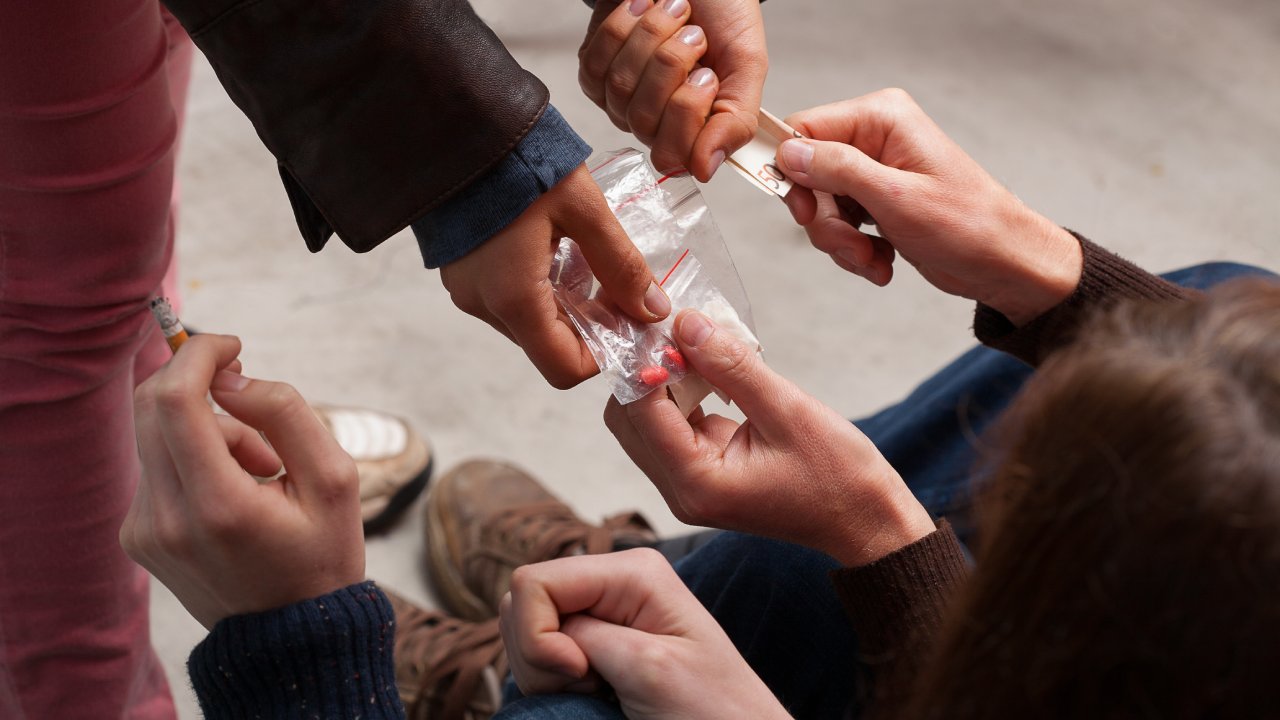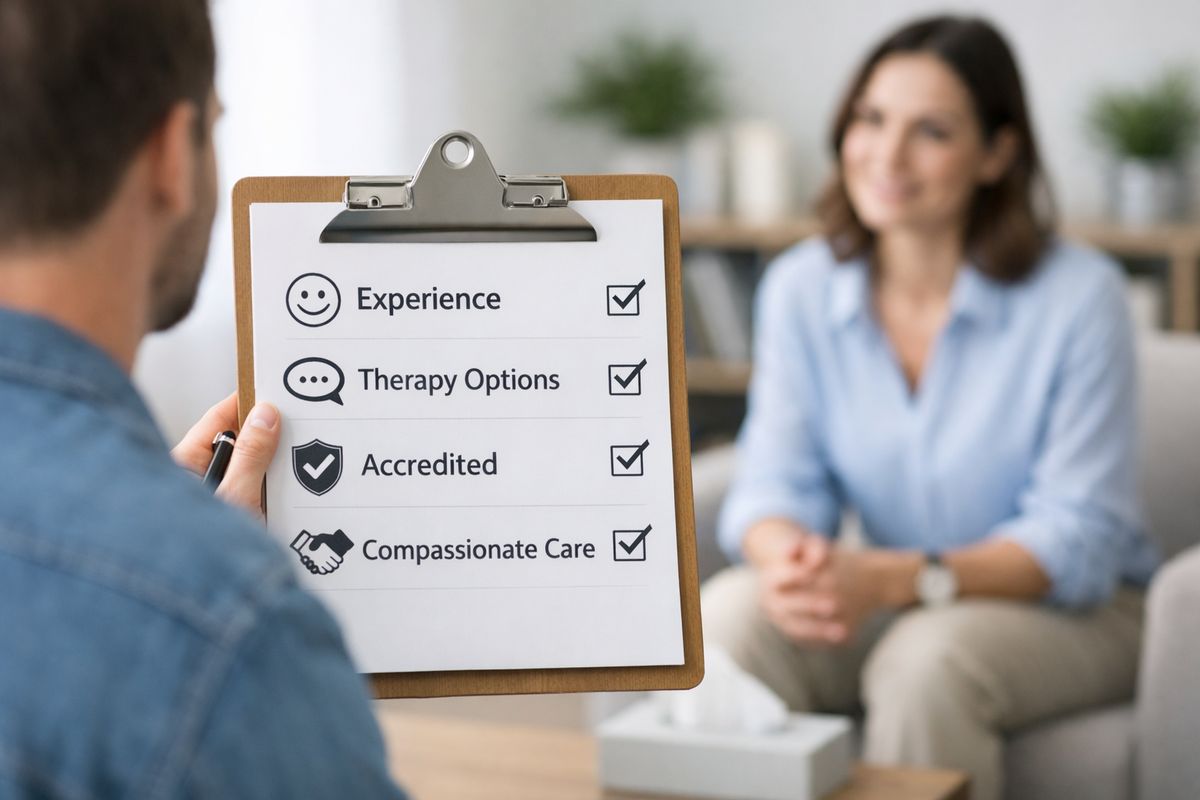

When you’re managing both mental health and substance use challenges, finding evidence-based co-occurring disorder rehab is essential to ensure lasting recovery. Evidence-based co-occurring disorder rehab integrates psychiatric stabilization, behavioral therapies, medication management and relapse prevention into a unified program. By treating your mental health disorder and substance use disorder simultaneously, you’ll reduce treatment delays, improve outcomes and address underlying causes of relapse.
In this article, you’ll learn what dual diagnosis means, explore the core components of integrated treatment, understand the benefits you can expect and discover how to choose a program tailored to your needs. Whether you’re just starting your search or evaluating options for continued care, this guide will help you navigate evidence-based co-occurring disorder rehab with confidence.
Understanding dual diagnosis
Dual diagnosis refers to the simultaneous presence of a mental health disorder and a substance use disorder, where symptoms of each condition worsen the other and require concurrent treatment approaches such as behavioral therapy, medication, support groups or inpatient care [1]. Integrated treatment for dual diagnosis ensures that your care team coordinates both aspects of your health rather than addressing each in isolation.
Defining co-occurring disorders
Co-occurring disorders can involve any combination of mental illnesses—such as depression, anxiety, bipolar disorder, post-traumatic stress disorder (PTSD), borderline personality disorder or obsessive-compulsive disorder—and substance use disorders involving alcohol, opioids, stimulants or other substances. Common combinations include:
- Depression and addiction therapy program: co-treatment of mood symptoms and substance use
- Anxiety and addiction recovery center: integrated care for panic, generalized anxiety and misuse
- Bipolar disorder and substance use treatment: mood stabilization alongside relapse prevention
- PTSD and addiction recovery program: trauma-focused therapy plus addiction counseling
- Borderline personality and addiction program: dialectical behavior therapy with substance use support
- OCD and substance use treatment: exposure and response prevention plus relapse planning
When you engage in a dual diagnosis treatment program, you receive targeted interventions for both conditions under one roof.
Prevalence and scope
About 20.4 million U.S. adults had a dual diagnosis in 2023, indicating a significant need for integrated care [1]. Despite this prevalence, many individuals receive fragmented treatment—addressing either the mental health disorder or the substance use disorder but not both. Studies show that programs offering on-site dual diagnosis groups and staffed by professionals with specialized training yield greater improvements in psychological functioning and reductions in substance use six months after admission [2].
Disparities in access also exist. For example, African American patients in one study experienced higher psychological distress and were less likely to be treated in programs offering on-site mental health services, highlighting the importance of culturally sensitive, integrated care.
Key components of rehab
A comprehensive evidence-based co-occurring disorder rehab program blends psychiatric stabilization, behavioral therapies, medication management and relapse prevention planning. This integrated approach ensures you receive full-continuum care—from detoxification through outpatient support—without gaps or conflicting treatment goals. You can learn more about coordinated approaches in mental health and addiction integrated treatment.
Psychiatric stabilization services
In the early phase of rehab you may need psychiatric stabilization to manage acute symptoms safely. Stabilization often involves:
- Comprehensive psychiatric evaluation
- Short-term use of mood stabilizers, antipsychotics or antidepressants
- Round-the-clock nursing support
- Crisis intervention protocols
The Retreat, for example, co-leads treatment with a Master Addictions Counselor and a psychiatrist board-certified in Addiction Medicine, offering a continuum from acute stabilization to long-term recovery maintenance [3]. Stabilization lays the groundwork for deeper therapeutic work by reducing symptom severity and supporting engagement.
Evidence-based behavioral therapies
Behavioral therapies form the backbone of integrated rehab, helping you develop coping skills, enhance motivation and replace unhealthy patterns. Key modalities include:
| Therapy | Description | Evidence level |
|---|---|---|
| Cognitive behavioral therapy (CBT) | Identifies and reframes negative thought patterns | High |
| Motivational interviewing (MI) | Enhances motivation through collaborative conversation | Moderate |
| Contingency management (CM) | Provides tangible rewards for drug-free tests | High |
Cognitive behavioral therapy
CBT helps you recognize and challenge distorted thoughts that drive substance use and mood disturbances. By learning to reframe these patterns, you build healthier coping strategies and reduce relapse risk.
Motivational interviewing
MI uses a collaborative, nonconfrontational style to strengthen your intrinsic motivation for change. Through guided conversations, you explore ambivalence and clarify personal goals for recovery.
Contingency management
CM offers incentives—such as vouchers, privileges or small prizes—contingent on clean drug screens. This positive reinforcement has demonstrated robust efficacy in populations with co-occurring mood and substance use disorders [4].
Medication management for SUD
Pharmacotherapy supports both addiction and mental health treatment. Examples include:
- Bupropion for depression and nicotine dependence
- Buprenorphine and naloxone for opioid use disorders
- SSRIs or SNRIs for co-occurring anxiety and mood disorders
Your psychiatrist will tailor medication choices to your diagnoses, medical history and recovery goals. Consistent monitoring reduces side effects and ensures optimal dosing.
Relapse prevention planning
Relapse prevention planning involves a structured roadmap to identify high-risk situations, warning signs and coping strategies. Components include:
- Trigger identification and avoidance techniques
- Development of personal coping skills (mindfulness, stress management)
- Establishment of support contacts for moments of crisis
- Regular plan reviews and adjustments
This proactive plan serves as your guide when cravings or stressors arise.
Benefits of integrated treatment
When mental health and addiction care occur under one program, you experience multiple advantages over segmented services.
Improved treatment outcomes
Approximately 50 percent of individuals with co-occurring disorders respond well to combined treatment programs, highlighting the importance of integrated, evidence-based approaches in long-term recovery [1]. Coordinated care reduces conflicting recommendations and enhances engagement.
Reduced hospitalization rates
Early detection combined with integrated treatment improves outcomes and quality of life, reducing hospital admissions compared to those treated for a single disorder [5]. You’ll spend less time in crisis settings and more time focused on personal growth.
Holistic healing approach
Integrated programs address psychiatric, social, legal, medical and vocational dimensions of your life. By treating the whole person rather than isolated symptoms, you build a stronger foundation for lasting wellness.
Trauma-informed program features
Many co-occurring disorder programs now adopt a trauma-informed lens to ensure you feel safe and supported. This model recognizes the role past trauma often plays in both mental health and substance use disorders. Look for trauma-informed dual diagnosis care that weaves specialized support into every aspect of treatment.
Recognizing trauma triggers
Clinicians trained in trauma-sensitive approaches help you identify personal triggers—such as reminders of past abuse or high-stress situations—and teach grounding techniques to manage distress without turning to substances.
Creating a safe environment
Facilities maintain predictable schedules, private spaces and respectful communication to minimize the risk of re-traumatization. A consistent routine and clear boundaries foster a sense of security.
Staff training and collaboration
Staff members receive ongoing education in trauma-informed care and work collaboratively across disciplines. Regular team meetings ensure your therapy, medical care and support services remain aligned with your healing needs.
Choosing the right program
Not every rehab center offers the same level of integration. To find the best fit for your journey, consider the following:
Checking accreditation standards
Ensure the program is accredited by recognized bodies such as The Joint Commission or CARF. Accreditation indicates adherence to quality and safety benchmarks.
Evaluating continuum of care
Look for programs that provide a seamless continuum—from detox to residential to outpatient levels. You may transition from a dual diagnosis PHP program to a co-occurring disorder IOP program without changing providers or treatment philosophies.
Reviewing personalized treatment plans
Your program should offer individualized care plans that address your specific mental health condition, substance use history and life circumstances. Avoid one-size-fits-all approaches.
Long-term support and aftercare
Recovery is an ongoing journey. After completing intensive rehab, continued support helps maintain gains and prevent relapse.
Outpatient therapy options
Structured outpatient therapy—including individual and group counseling—reinforces coping skills and allows you to apply strategies in real-world settings. Explore outpatient therapy for mental health recovery or integrated therapy for mental health and addiction.
Peer support groups
Peer-driven groups such as 12-step fellowships or SMART Recovery provide accountability, shared experience and encouragement through regular meetings.
Sober living arrangements
Transitional housing offers supervised environments with peer support, curfews and structured routines. Consider programs offering long-term sober living and long-term dual diagnosis support to ease your return to daily life.
Plan your recovery journey
With a clear understanding of evidence-based co-occurring disorder rehab, you can take informed steps toward lasting wellness.
Setting realistic goals
Work with your treatment team to set measurable short-term and long-term objectives—such as reducing anxiety symptoms by 50 percent or maintaining 30 days of sobriety—and track your progress regularly.
Accessing integrated resources
Tap into community resources, online tools and peer networks designed for dual diagnosis recovery. Utilize mental health and addiction integrated treatment materials and local support groups.
Engaging family and community
Involve loved ones in family therapy and education sessions to build a supportive home environment. You might also explore faith-based dual diagnosis treatment if spirituality plays a role in your recovery.
Evidence-based co-occurring disorder rehab is essential because it treats your mental health and substance use disorders together, reducing gaps in care and enhancing long-term success. By choosing a program that combines psychiatric stabilization, evidence-based therapies and trauma-informed practices, you set the stage for comprehensive healing. As you move forward on your recovery journey, rely on integrated care models to support every step of your path to wellness.
References
- (Cleveland Clinic)
- (PMC)
- (Sheppard Pratt)
- (PMC)
- (SAMHSA)