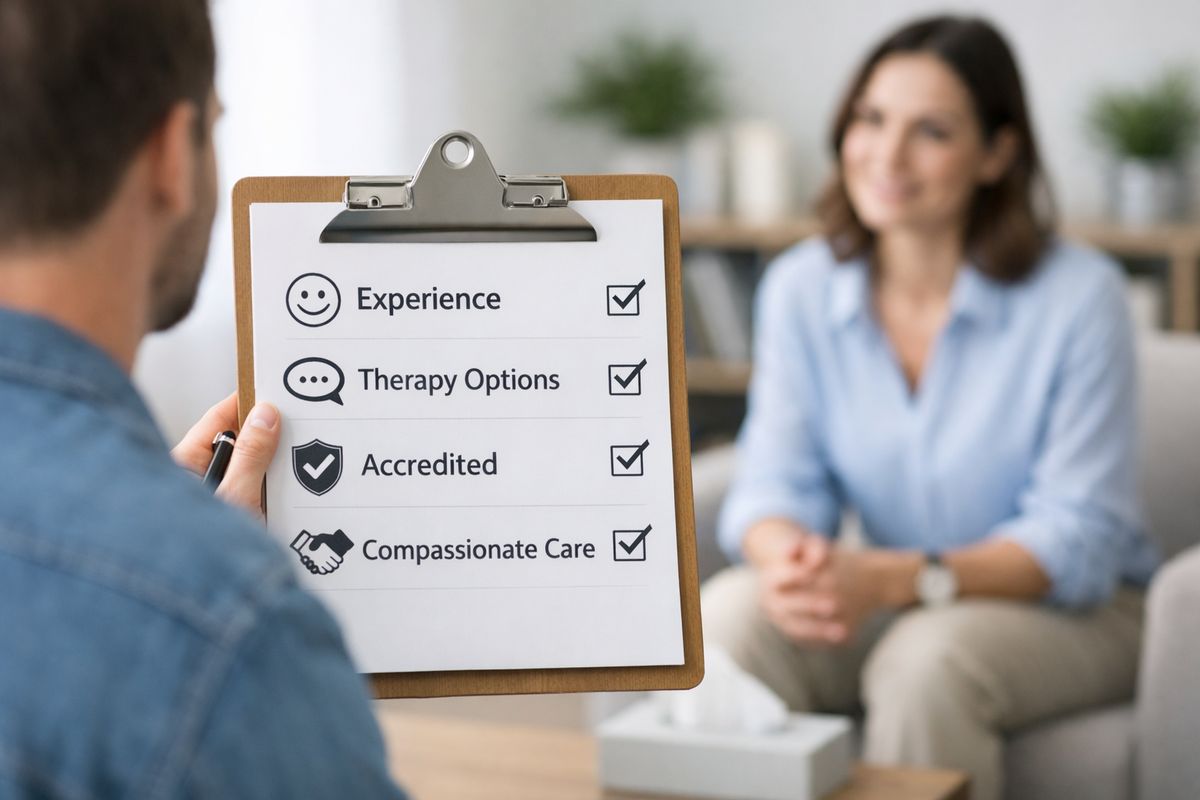

As you explore treatment options for mental health, iop therapy for depression and anxiety offers a flexible, evidence-based approach that helps you manage symptoms while continuing daily commitments. In an intensive outpatient program, you attend structured therapy sessions several times per week without requiring overnight stays. This model bridges the gap between standard outpatient care and more intensive services like partial hospitalization or residential programs.
Intensive outpatient programs combine individual therapy, group sessions and medication management to address both mental health conditions and co-occurring substance use disorders. By tailoring care to your unique needs and goals, IOP supports lasting change, equipping you with coping skills and resilience as you work toward recovery.
Understand IOP therapy
Definition and purpose
IOP stands for intensive outpatient program, a level of care designed for individuals who require more support than weekly therapy but do not need 24-hour supervision. In most IOP settings, you commit to 10 to 15 hours of treatment per week over a period of four to 16 weeks [1]. Sessions often include a mix of psychotherapy, psychoeducation and skills training.
The primary purpose of an intensive outpatient program is to help you develop coping mechanisms, manage symptoms and reduce the risk of relapse. This approach emphasizes evidence-based therapies such as cognitive behavioral therapy and dialectical behavior therapy to target the thoughts and behaviors that contribute to depression, anxiety and other mental health issues.
Who benefits from IOP
IOP is well suited for people experiencing mild to moderate symptoms of depression, anxiety, PTSD or substance use disorders who can maintain a safe environment at home. It can also serve as a step-down from inpatient or partial hospitalization programs, providing continued support after more intensive treatment.
Certain factors may influence your success in IOP:
- Readiness to engage in group and individual therapy
- Stable living situation and support network
- Ability to attend 10 to 15 hours of weekly programming
- Lower risk of immediate harm to self or others
If you face severe psychiatric symptoms or require medical detoxification, an inpatient or residential mental health treatment program may be recommended before transitioning to IOP.
Explore program benefits
Flexible care model
One of the main advantages of IOP is its flexibility. You can keep work, school or family responsibilities while attending multiple therapy sessions each week. This balance allows you to apply new skills to real-world situations and maintain social connections.
- Attend sessions in the morning, afternoon or evening
- Integrate therapy into your daily routine
- Return home each night for rest and personal care
This format reduces disruption to your life and encourages the practice of coping strategies outside the clinic.
Evidence-based therapies
IOP clinics use proven modalities to address depression and anxiety. Common approaches include:
- Cognitive behavioral therapy, which helps you identify and challenge unhelpful thought patterns
- Dialectical behavior therapy, focusing on mindfulness, emotion regulation and distress tolerance
- Motivational enhancement therapy, to build readiness and commitment to change
Rogers Behavioral Health reports that their intensive outpatient programs combine CBT and DBT under the guidance of experienced care teams, offering comprehensive support and medication management when needed [2].
Peer support and community
Group therapy plays a crucial role in IOP by fostering connections and shared learning. Participating in peer groups helps you:
- Receive validation and encouragement from others facing similar challenges
- Develop social skills and emotional insight
- Build a network of accountability and understanding
For many clients, the sense of community reduces isolation and promotes a supportive environment essential for long-term recovery.
Compare treatment levels
IOP vs PHP
Partial hospitalization programs (PHP) offer a higher intensity of care than IOP. A quick comparison:
| Feature | IOP | PHP |
|---|---|---|
| Weekly hours | 10 to 15 hours | 25 to 30 hours |
| Session frequency | 2 to 5 days per week, 2 to 3 hours per day | 5 days per week, 5 to 6 hours per day |
| Living arrangement | Return home nightly | Return home nightly |
| Best for | Mild to moderate conditions | Transitioning from inpatient care |
PHPs often serve as a bridge for those leaving an inpatient program, while IOPs can function as a step-down or standalone treatment for moderate symptoms [3].
IOP vs residential
Residential mental health treatment programs require full-time residence in a facility, offering 24-hour supervision and a structured environment. In contrast, IOP allows you to:
- Live at home or in supportive housing
- Maintain personal routines and responsibilities
- Engage with natural support systems
While residential care suits acute or high-risk cases, IOP can be a more accessible option if you have a stable home and lower acuity needs.
Navigate program components
Individual and group therapy
Individual counseling offers personalized attention to explore underlying factors contributing to your symptoms. Therapists work with you one-on-one to set goals and monitor progress. Simultaneously, group therapy allows you to share experiences and learn coping strategies in a structured setting.
Common group formats include:
- Psychoeducation groups on depression, anxiety and relapse prevention
- Skill-building workshops for communication and stress management
- Process groups that foster emotional expression and peer feedback
Skills training and relapse prevention
A key focus of IOP is teaching practical skills to handle triggers and setbacks. Techniques may cover:
- Identifying high-risk situations and early warning signs
- Developing problem-solving and stress reduction strategies
- Using lapses as learning opportunities to prevent full relapse [4]
Furthermore, regular check-ins help you refine these skills and build confidence in challenging moments.
Medication management and holistic care
Many IOPs offer medication evaluation and monitoring by psychiatric professionals. Medication management can play a vital role in stabilizing mood and reducing anxiety.
Holistic therapies may also be integrated, such as:
- Mindfulness meditation and yoga
- Art or music therapy
- Nutrition and wellness education
These complementary approaches support your overall wellbeing and reinforce the mind-body connection.
Address co-occurring conditions
Treat depression and anxiety
In IOPs focused on mood disorders, you receive specialized strategies to manage painful thoughts and emotions. You might link to a dedicated depression and anxiety treatment program for deeper support, including tailored CBT modules and relaxation techniques.
Manage trauma and PTSD
If trauma or PTSD contributes to your distress, look for programs offering trauma-informed care and exposure therapies. Engaging in ptsd outpatient treatment center services can help you process traumatic memories safely while learning coping skills.
Support for bipolar and schizophrenia
For complex conditions like bipolar disorder or schizophrenia, IOP integrates mood stabilization and psychosis management with therapy. You can explore a bipolar disorder treatment program or schizophrenia outpatient treatment services that blend medication, psychoeducation and skill training.
Address OCD and borderline personality
Obsessive compulsive disorder and borderline personality disorder require specialized interventions such as exposure and response prevention or dialectical behavior therapy. An ocd therapy and treatment program or borderline personality disorder outpatient program will tailor sessions to these needs.
Programs often include dual diagnosis tracks when addiction co-occurs. For integrated care, consider dual diagnosis treatment for addiction and mental health.
Optimize your recovery
Set personalized goals
Establish clear, realistic objectives for your treatment. Goals might include:
- Reducing depressive episodes by tracking mood daily
- Practicing anxiety management techniques at work or school
- Building resilience through regular mindfulness practice
Writing goals in a SMART format (Specific, Measurable, Achievable, Relevant, Time-bound) ensures clarity and accountability.
Engage family and peer support
Recovery benefits from a strong support network. Involve loved ones through family therapy or education sessions and stay connected with peers from group therapy. This network provides encouragement, accountability and practical guidance when challenges arise.
Plan for ongoing care
Successful recovery often involves a stepped approach. Discuss next steps with your treatment team, such as transitioning to weekly outpatient therapy or joining a maintenance group. You might explore an outpatient depression treatment program or ongoing iop for mental health and substance abuse services to reinforce progress.
Take the next step
Choosing IOP therapy for depression and anxiety could be the turning point in your healing journey. To learn more about intensive outpatient options, speak with an admissions specialist or request a consultation. With tailored care and supportive guidance, you can transform your life and build a foundation for lasting wellness.