
Borderline personality disorder overview
Beginning your journey with a borderline personality disorder counseling program starts with understanding what you’re facing. A clear picture of the condition and its unique challenges empowers you to choose the right path forward.
Defining borderline personality disorder
Borderline personality disorder (BPD) is a mental health condition characterized by intense mood swings, instability in self-image and relationships, and impulsive behaviors. You may experience rapid shifts between idealizing and devaluing people, fear of abandonment, and difficulty regulating emotions. These patterns can make daily life and relationships feel overwhelming.
Symptoms and challenges
Common features of BPD include:
- Intense emotional reactions that last hours to days
- Fear of real or imagined abandonment
- Impulsive behaviors such as reckless spending or substance use
- Unstable self-image or sense of self
- Chronic feelings of emptiness
- Recurrent suicidal behaviors or self-injury
- Stress-related paranoid thoughts or dissociative symptoms
These symptoms often present unique challenges. For example, emotional volatility can strain personal and professional relationships, while impulsivity may lead you toward riskier behaviors or substance misuse.
Co-occurring conditions
BPD often appears alongside other mental health disorders. You might struggle with:
- Depression and anxiety
- Post-traumatic stress disorder (PTSD)
- Bipolar disorder
- Obsessive-compulsive disorder (OCD)
- Substance use disorders
Addressing co-occurring conditions is crucial. A comprehensive assessment helps ensure you receive targeted care, whether through individual therapy, medication management, or integrated services for dual diagnosis.
Benefits of counseling programs
Engaging in a structured counseling program can transform your recovery experience. These programs offer comprehensive care, a supportive environment, and individualized treatment plans tailored to the complexities of BPD.
Comprehensive care approach
A full-spectrum counseling program combines multiple services to address emotional, cognitive, and behavioral aspects of BPD. You can expect:
- Psychotherapy sessions focused on skill building
- Medication evaluation and management
- Group therapy for social learning
- Family education and involvement
- Case management to coordinate care
This combination helps you develop coping mechanisms, reduce symptom severity, and improve overall functioning.
Supportive environment
Recovery thrives in a setting where you feel understood and accepted. Counseling programs cultivate a supportive environment by:
- Facilitating peer connections in group sessions
- Encouraging open dialogue without judgment
- Providing safety through clear community guidelines
- Ensuring facilitators have lived experience or specialized training
As a result, you gain trust and motivation to engage fully in treatment.
Individualized treatment plans
No two journeys are identical. Your plan should reflect your history, symptom profile, and personal goals. A well-crafted plan typically includes:
- Selected evidence-based therapies
- Defined treatment milestones
- Regular progress reviews
- Adjustments for emerging needs
Individualized plans ensure you receive the focused support necessary for lasting recovery.
Exploring treatment settings
Borderline personality disorder counseling programs come in various formats. Understanding each setting helps you select the best fit for your schedule, symptom intensity, and level of care needed.
| Level of care | Frequency | Intensity | Ideal for |
|---|---|---|---|
| Outpatient counseling | Weekly sessions | Low to moderate | Mild to moderate symptoms |
| Intensive outpatient program (IOP) | 3–5 days per week | Moderate to high | Moderate symptoms, stable living situations |
| Partial hospitalization program (PHP) | 5 days per week, daytime | High | High acuity, needing daily structure |
| Residential treatment | 24/7 care | Very high | Severe symptoms, safety concerns |
Outpatient counseling
Outpatient counseling offers flexibility for those who can maintain daily responsibilities. You attend weekly therapy sessions while living at home. Benefits include:
- Consistent support without disrupting your routine
- Access to individual and group therapy
- Coordination with community services
If you’re exploring an outpatient option specifically for borderline personality disorder, consider the borderline personality disorder outpatient program.
Intensive outpatient program
An intensive outpatient program (IOP) provides more frequent sessions—usually three to five times per week for several hours each session. IOPs emphasize group therapy, skills training, and peer support. You can compare IOPs suited to various mental health and addiction needs, such as iop for mental health and substance abuse.
Partial hospitalization program
A partial hospitalization program (PHP) offers day-long structured treatment while you return home overnight. Services often include:
- Individual psychotherapy
- Group counseling
- Psychiatric medication management
- Family therapy
PHPs serve individuals requiring intensive support without residential placement. If you need a focused daytime program, you might explore a PHP program for mental health disorders.
Residential treatment
Residential treatment provides 24/7 care in a live-in setting. You step away from daily stressors to engage in therapy, life-skills training, and medical supervision. Benefits include:
- Constant clinical monitoring
- Immersion in a healing community
- Reduced exposure to triggers
Residential care is often essential for severe BPD or when safety concerns arise.
Evidence-based therapies
Effective borderline personality disorder counseling programs integrate proven therapeutic modalities. You’ll learn new coping strategies, improve emotional regulation, and address core issues contributing to BPD.
Dialectical behavior therapy
Dialectical behavior therapy (DBT) is the gold standard for treating BPD. Developed to help individuals break rigid thought-behavior patterns, DBT combines individual therapy with skills training groups. Weekly sessions focus on:
- Mindfulness
- Distress tolerance
- Emotion regulation
- Interpersonal effectiveness
DBT has the largest evidence base among BPD therapies, underlining its effectiveness in managing self-harm and suicidal behaviors [1].
Mentalization-based treatment
Mentalization-based treatment (MBT) helps you recognize your own mental states and those of others. By improving your capacity to mentalize, you can challenge distorted thoughts and build healthier relationships. MBT is delivered through weekly individual and group sessions over an extended period [1].
Schema therapy
Schema therapy blends cognitive, behavioral, and experiential techniques to address deeply rooted patterns called schemas. Studies show Schema Therapy yields higher effect sizes compared to treatment-as-usual, particularly in reducing suicidality [2].
Additional therapies
Other supportive approaches may include:
- Cognitive behavioral therapy (CBT) for thought restructuring
- Art or creative therapies to express emotions non-verbally
- Therapeutic communities that foster social interaction skills
- Crisis resolution teams for immediate support during acute distress
Psychotherapy, broadly known as talk therapy, remains the cornerstone of treatment for BPD [3].
Peer and community support
Healing often happens in connection with others who understand your struggles. Peer and family involvement strengthen your support network and reinforce new skills.
Peer support groups
Peer-led groups offer empathy, validation, and practical strategies from individuals with lived experience. For instance, Emotions Matter hosts no-cost BPD support groups that feature structured sessions around recovery principles, open discussion, and resource sharing [4]. Attending peer support:
- Reduces isolation
- Builds community
- Reinforces coping strategies
Family involvement
Family therapy and education sessions help loved ones understand BPD, set healthy boundaries, and support your recovery. Engaging family members can:
- Improve communication
- Enhance mutual understanding
- Create a more supportive home environment
By involving your family, you strengthen a critical pillar in your support system.
Integrating dual diagnosis care
Many individuals with BPD face substance use challenges or other psychiatric conditions. Coordinated care for dual diagnosis is vital to address all aspects of your health.
Addressing substance use
When addiction co-occurs with BPD, integrated treatment is the standard of care. You benefit from:
- Simultaneous therapy for BPD and substance use
- Medication stabilization for mood and cravings
- Relapse prevention planning
Programs like dual diagnosis treatment for addiction and mental health ensure you don’t have to choose between mental health and addiction recovery.
Coordinated care teams
A multidisciplinary team—including psychiatrists, therapists, case managers, and peer specialists—collaborates on your care. This coordination:
- Prevents fragmented treatment
- Facilitates timely adjustments to your plan
- Enhances long-term outcomes
Overall, integrated dual diagnosis programs provide the comprehensive care you need for sustained progress.
Steps to lasting recovery
Recovery from borderline personality disorder is an ongoing process. By following structured steps, you can lay the foundation for long-term stability and growth.
Assess your needs
Begin with a thorough evaluation:
- Complete psychological assessments
- Discuss your symptoms and history
- Identify co-occurring conditions
- Set personal recovery goals
This assessment informs the level of care and specific therapies best suited to you.
Develop an individualized plan
Working with your treatment team, co-create a plan that includes:
- Chosen therapy modalities (DBT, MBT, etc.)
- Medication strategies if needed
- Frequency and setting of sessions
- Milestones and progress checkpoints
Individualized plans keep your treatment focused on your unique goals.
Prepare for treatment
Before starting, take these steps:
- Arrange transportation and schedule adjustments
- Pack personal items for residential stays
- Notify your support network of your plan
- Discuss treatment costs and insurance coverage
Preparation reduces obstacles and eases your transition into care.
Aftercare and relapse prevention
Long-term recovery includes:
- Ongoing outpatient or IOP sessions
- Peer support attendance
- Regular psychiatric follow-ups
- Skills practice and self-monitoring
Incorporate relapse prevention strategies such as recognizing warning signs and having a crisis plan in place.
Take the next step
Empower yourself by seeking the right support. Your recovery journey begins when you connect with a provider who understands your needs.
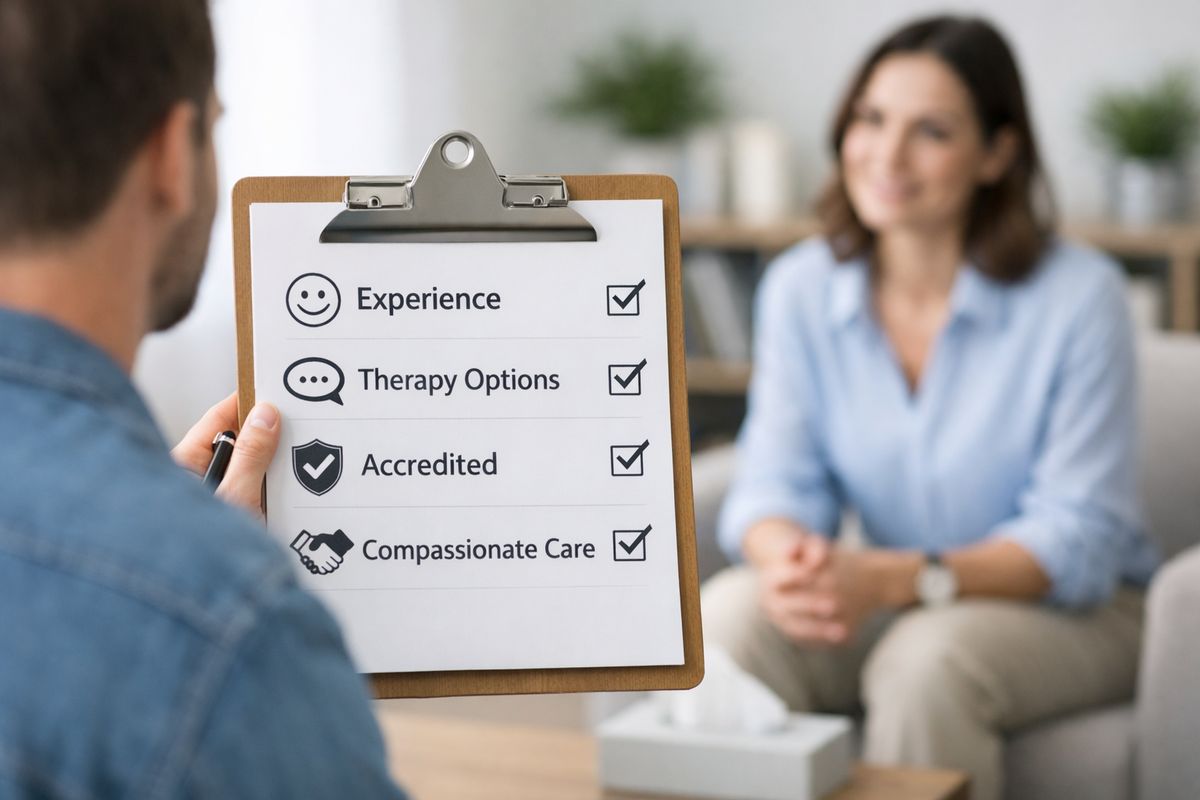
Contacting a provider
- Research programs that specialize in borderline personality disorder
- Verify accreditation and staff qualifications
- Ask about treatment settings, costs, and insurance
- Schedule an initial consultation
Questions to ask
- Which evidence-based therapies do you offer for BPD?
- How do you integrate care for co-occurring substance use?
- What is the staff-to-client ratio in group sessions?
- How are family members involved in treatment?
- What aftercare and relapse prevention support do you provide?
By asking informed questions, you ensure the program aligns with your goals and circumstances.
Empowering yourself with a borderline personality disorder counseling program is a proactive step toward healing. With comprehensive care, tailored treatment programs, and a supportive environment, you can overcome the unique challenges of BPD and build a fulfilling life.
References
- (NHS)
- (PubMed Central)
- (Mayo Clinic)
- (Emotions Matter)