
MAT overview for veterans
If you are exploring mat for veterans in recovery, you may be looking for an evidence-based approach that blends medication, counseling, and peer support. Medication-Assisted Treatment, or MAT, combines FDA-approved medications with behavioral therapies to help you manage cravings, reduce withdrawal symptoms, and build skills for long-term stability. For veterans facing opioid or alcohol dependence, MAT offers a structured framework that addresses both the neurochemical and psychological aspects of addiction.
Veterans often return from service with exposure to prescription painkillers or encounter alcohol as a coping mechanism for stress and trauma. Studies suggest that substance use disorders can be more prevalent among veterans compared to the general population, making access to effective treatment a priority. MAT addresses this by providing medications such as buprenorphine, methadone, or naltrexone alongside counseling methods tailored to your experiences. By working with a multidisciplinary team, you set a roadmap that acknowledges service-related challenges and supports your reintegration into civilian life.
What is MAT?
Medication-Assisted Treatment integrates medications that normalize brain chemistry with therapies that target behavioral patterns and emotional triggers. Buprenorphine and methadone act on opioid receptors to ease withdrawal and curb cravings. Naltrexone blocks opioid activity and reduces alcohol cravings. Meanwhile, counseling approaches like cognitive behavioral therapy (CBT) and motivational interviewing teach you coping strategies, stress management, and relapse prevention. Together, these components form a comprehensive treatment plan.
Why MAT matters for you
As a veteran, you may face unique obstacles such as chronic pain, physical injuries, PTSD, or difficulties adjusting to civilian routines. MAT can stabilize your neurochemistry, allowing you to focus on therapy and life tasks without the disruption of intense withdrawal or drug-seeking. By enrolling in a mat for alcohol and opioid recovery program, you access an integrated care model that treats addiction as a medical condition rather than a moral failing. This perspective fosters dignity, reduces shame, and enhances your chance for sustainable change.
Benefits of MAT programs
Participating in a MAT program offers a range of benefits that extend beyond simply taking medication. By addressing both physical dependence and psychological factors, you build a resilient foundation for recovery.
Long-term stabilization
MAT medications provide consistent receptor support, smoothing out the highs and lows associated with opioid or alcohol misuse. Stable dosing:
- Reduces withdrawal symptoms and physical discomfort
- Minimizes mood swings and emotional volatility
- Allows you to reestablish daily routines and responsibilities
Relapse prevention
Medications like buprenorphine and naltrexone diminish cravings and block the rewarding effects of substances. When combined with relapse prevention skills learned in counseling, you strengthen your ability to resist triggers and manage stressors. Many veterans report fewer emergency hospital visits and encounters with the criminal justice system after starting MAT.
Health improvements
MAT contributes to better overall health, which is especially important for veterans with service-related injuries or conditions.
Physical health
- Lower risk of overdose by limiting illicit opioid use
- Improved sleep and energy levels through regulated dosing
- Reduced transmission of bloodborne infections by discouraging injections
Mental health
- Enhanced concentration and cognitive clarity
- Decreased anxiety and depressive symptoms
- Greater engagement in trauma-informed therapies
By addressing both mind and body, MAT lays the groundwork for a balanced recovery journey and supports mat for long-term addiction stabilization.
MAT medications explained
Understanding how each medication works, their dosing requirements, and potential side effects empowers you to make informed choices about your treatment.
Buprenorphine options
Buprenorphine is a partial opioid agonist that eases cravings without producing the intense euphoria of full agonists. It has a “ceiling effect” that limits respiratory depression risk.
Suboxone maintenance
Suboxone pairs buprenorphine with naloxone to deter misuse. It is commonly prescribed in a suboxone maintenance treatment program with daily or every-other-day dosing. Benefits include:
- Flexible office-based prescribing
- Reduced overdose risk
- Compatibility with outpatient care settings
Buprenorphine-based recovery
For a broader perspective on buprenorphine therapies, explore buprenorphine-based addiction recovery, which outlines options and outcomes specific to veteran populations.
Methadone therapy
Methadone is a full opioid agonist used in specialized clinics to treat opioid dependence. It requires daily supervised dosing, making it well-suited for individuals who need structured oversight. Methadone can be an effective alternative if buprenorphine is not tolerated or accessible. Clinics also offer counseling and medical support as part of a comprehensive package.
Naltrexone alternatives
Naltrexone is an opioid antagonist that blocks opioid receptors and reduces alcohol cravings. Available in oral and extended-release injectable forms, naltrexone is ideal for individuals who have completed detoxification. It can also reinforce your commitment to sobriety by removing the reinforcing effects of opioid or alcohol use.
Each medication has unique attributes. Discuss with your provider to choose the option that aligns with your medical history, recovery objectives, and lifestyle preferences.
MAT support mechanisms
Medication is only one component of a successful MAT plan. Integrated support services ensure that you address emotional, social, and behavioral factors that contribute to addiction.
Integrated counseling
Counseling services help you develop the skills needed to maintain recovery over the long term.
Outpatient support
An outpatient medication assisted program lets you attend therapy while continuing work, school, or family roles. You will typically meet weekly with a counselor and have periodic medical evaluations.
Faith integration
If spirituality is central to your life, consider a faith-integrated mat program. These programs combine traditional counseling with pastoral guidance and community support tailored to veterans.
Peer support groups
Veterans thrive when they connect with peers who share their experiences. Peer-led recovery groups offer:
- Ongoing motivation and accountability
- Shared strategies for coping with triggers
- Opportunities to mentor newer participants
Holistic approaches
Holistic therapies can boost the effectiveness of MAT by promoting overall well-being:
- Mindfulness, meditation, and stress-reduction techniques
- Yoga or tai chi for physical rehabilitation
- Nutritional counseling to support energy and mood
These complementary modalities reinforce the gains you achieve through medication and counseling.
Customizing MAT plans
Every veteran’s recovery journey is different. Customizing your MAT plan ensures that treatment fits your individual needs and goals.
Individual assessment
Your care begins with a comprehensive evaluation that covers:
- Substance use history and patterns
- Physical health checkups, including lab work
- Psychological screening for trauma, anxiety, depression, and other conditions
- Personal recovery goals and support resources
This assessment guides the selection of medication, therapy intensity, and support services.
Addressing co-occurring disorders
Many veterans manage PTSD, chronic pain, or other mental health issues alongside addiction. Look for programs specializing in mat for co-occurring disorders that integrate psychiatric care with medication and counseling. Treating both conditions together can improve outcomes and reduce the risk of relapse.
Veteran-centered care
Veteran-centric programs understand military culture and service-related experiences. They may:
- Offer staff with military backgrounds
- Coordinate care with VA benefits and services
- Provide flexible scheduling around drills, deployments, or VA appointments
Some facilities partner with veteran service organizations to streamline benefits and expand your support network.
Adjusting treatment over time
Your MAT plan evolves as you progress. Adjustments may involve:
- Tapering to lower doses under a medication tapering support program
- Switching medications based on tolerance or side effects
- Introducing new therapies or support groups as needed
This dynamic approach keeps your treatment aligned with your changing needs.
Steps to start MAT
Beginning MAT is a step-by-step process designed to ensure safety and efficacy. Below is a common pathway you can expect.
Initial evaluation
- Comprehensive intake interview
- Physical exam and laboratory tests
- Mental health assessment
- Discussion of treatment goals and readiness
During this phase, your provider will determine the appropriate medication and level of care, such as inpatient detox or outpatient induction.
Induction phase
The induction phase introduces medication at the correct time to prevent precipitated withdrawal. For buprenorphine-based treatments, you may receive your first dose in a hospital or clinic setting under direct supervision. Alternatively, office-based programs allow guided home induction under professional oversight.
Maintenance phase
Once stabilized, you enter maintenance:
- Consistent medication dosing schedule
- Regular counseling sessions
- Routine drug screening and medical follow-ups
This phase may last months or years, depending on your progress and treatment goals.
Tapering and transition
If your goal is to eventually discontinue medication, you will work with your clinician to reduce doses gradually. A medication tapering support program helps you taper safely. Continued therapy and peer support are essential during this transition to prevent relapse.
Overcoming common barriers
Obstacles can arise during any stage of MAT. Recognizing and addressing these barriers improves your chance of success.
Reducing stigma
Misconceptions about MAT can create shame or hesitation. To counter stigma:
- Educate yourself and loved ones about the medical nature of addiction
- Share success stories from fellow veterans
- Remain open with your treatment team about concerns
Reframing MAT as a health-focused intervention can shift perspectives.
Managing logistics
Accessing services may involve:
- Transportation to clinics
- Coordinating appointments with work or family
- Arranging child care if needed
Many programs offer telehealth options, flexible scheduling, or assistance with veteran-specific transportation resources. Ask about virtual counseling and mobile dosing services.
Handling financial constraints
The cost of treatment can be a concern. Explore options such as:
- VA benefits and grants
- Sliding-scale fees or payment plans
- Nonprofit assistance from veteran-focused charities
Programs often connect you with a social worker or benefits coordinator to identify resources.
Addressing mental health comorbidities
Conditions like PTSD, depression, or traumatic brain injury can complicate MAT. Choose a clinic that provides trauma-informed care and integrates mental health services. Comprehensive programs ensure you receive both psychiatric support and addiction treatment in one setting.
Finding MAT programs
Selecting the right program is crucial. Take the time to research and compare options based on setting, services, and veteran focus.
Program types
Different program structures cater to varied needs:
| Program type | Setting | Best for | Key features |
|---|---|---|---|
| Inpatient | Residential center | High-risk or unstable cases | 24/7 monitoring, intensive therapy, medical oversight |
| Outpatient clinic | Clinic visits | Employed or family-supported | Flexible scheduling, regular counseling, dosing |
| Office-based | Physician’s office | Low-intensity maintenance | Confidential environment, prescription management |
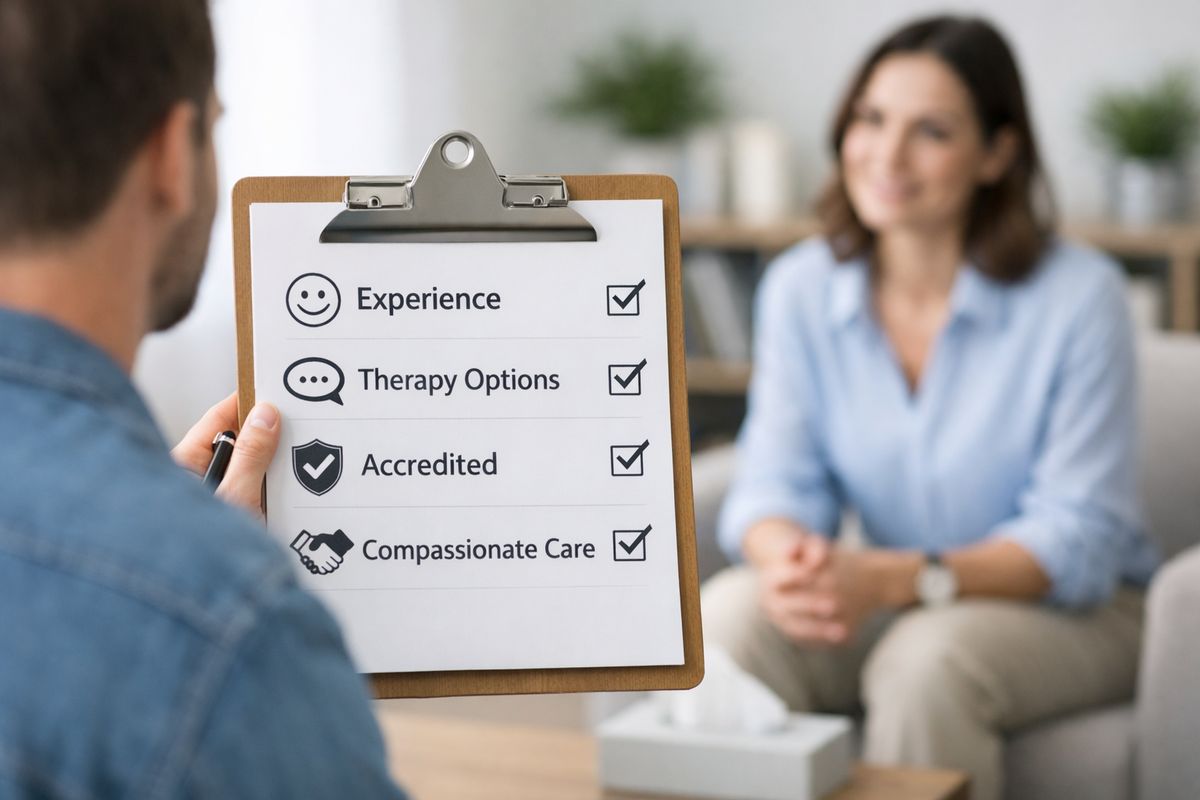
Key questions to ask
When evaluating programs, consider asking:
- Which medications are offered and how are they monitored?
- What types of counseling and therapies are integrated?
- How does the program coordinate with VA or other veteran services?
- What is the process and timeline for tapering?
- Are peer support and family involvement encouraged?
Clear answers help you choose a program aligned with your recovery objectives.
Insurance and costs
Coverage and expenses vary by provider and payer. Inquire about:
- Acceptance of private insurance, Medicaid, or Medicare
- VA benefits or Tricare coverage
- Sliding-scale fees or grant opportunities
- Out-of-pocket costs for medications and therapy
Verifying these details upfront prevents billing surprises and ensures uninterrupted care.
Supporting your recovery
MAT is a powerful tool, but long-term success depends on the habits and supports you cultivate outside of clinical settings.
Self-care practices
Incorporate daily routines that bolster your well-being:
- Regular physical activity to manage stress and improve mood
- Balanced nutrition to support energy levels and cognitive function
- Adequate sleep for emotional regulation and healing
- Mindfulness exercises, such as deep breathing or guided imagery
Consistency in self-care reinforces the stability provided by MAT.
Building your support network
A strong support system can sustain motivation and accountability:
- Peer recovery groups specifically for veterans
- Family education sessions to foster understanding
- Veteran service organizations offering mentorship
- Online forums or apps for 24/7 connection
Engaging with others who share your goals creates a sense of community and belonging.
Preparing for long-term success
Set clear, measurable goals and track your progress:
- Short-term: Attend all appointments and maintain stable dosing for the next month
- Mid-term: Participate in at least one peer support group weekly for three months
- Long-term: Achieve personal milestones, such as stable employment, improved relationships, or tapering plans
Review your goals regularly with your counselor, celebrate achievements, and adjust plans as needed. A personalized roadmap keeps you focused and resilient.
Medication-assisted treatment for addiction is a proven, balanced approach that addresses the complex needs of veterans in recovery. By partnering with a qualified treatment team and taking an active role in your care, you equip yourself with the tools, support, and strategies needed for lasting change. To learn more about locating specialized care, explore our guide on addiction medicine and recovery care and begin your journey toward wellness today.