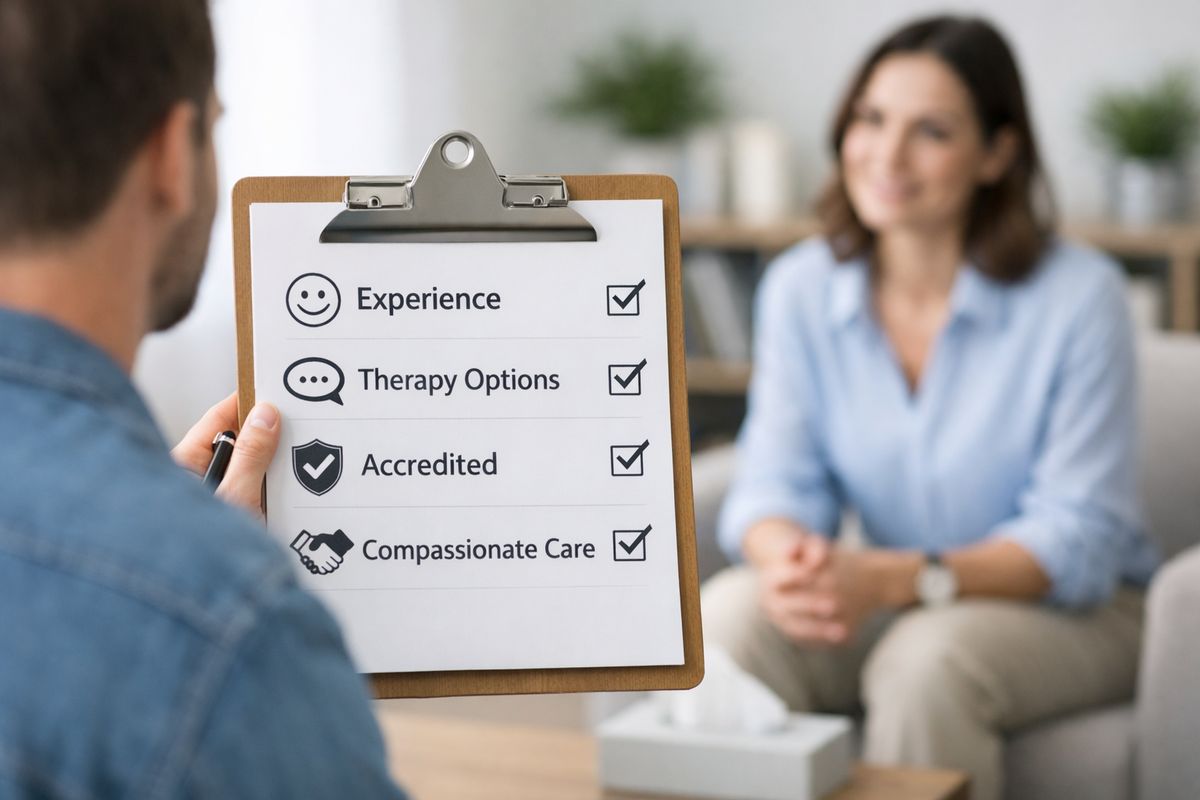

When you’re weighing your options for opioid use disorder treatment, the suboxone maintenance treatment program can offer a structured path to stability. This medication-assisted treatment for addiction pairs buprenorphine and naloxone with counseling and behavioral therapies, helping you manage withdrawal symptoms, curb cravings, and sustain long-term recovery. In the first sections, you’ll learn how Suboxone works, what benefits and risks to expect, and how to decide if a Suboxone maintenance program aligns with your recovery goals.
Understand Suboxone maintenance
What is Suboxone?
Suboxone is an FDA-approved medication that combines buprenorphine, a partial opioid agonist, with naloxone, an opioid antagonist. Buprenorphine eases withdrawal and reduces cravings without causing the same high as full agonists. Naloxone discourages misuse by triggering withdrawal if Suboxone is injected [1].
How maintenance works
In a Suboxone maintenance treatment program, you take a daily dose of Suboxone sublingual film or tablets. Your provider monitors your response and adjusts dosing to achieve comfort and stability. Over time, you continue alongside counseling or peer support to address underlying behavioral and emotional factors. Long-term maintenance has been shown to enhance treatment retention and prolong periods of abstinence [1].
Why choose MAT with Suboxone?
Medication-assisted treatment with Suboxone offers flexibility—you can fill prescriptions at a local pharmacy rather than visiting a clinic daily. Suboxone’s ceiling effect makes overdoses less likely compared with full agonists like methadone [2]. Pairing medication with therapy creates a comprehensive approach to recovery, as seen in our mat program with counseling services.
Evaluate program benefits
Reduced withdrawal symptoms
Buprenorphine’s partial agonist action alleviates withdrawal syndrome—nausea, muscle aches, insomnia—allowing you to focus on therapy instead of acute discomfort [3]. With fewer physical barriers, you’re more likely to stay engaged in treatment.
Improved treatment retention
Studies indicate that patients who remain on Suboxone have fewer positive drug screens and higher program completion rates [1]. Consistent medication support fosters clinical stability and reduces the risk of relapse.
Decreased overdose risk
Suboxone lowers the risk of fatal and nonfatal opioid overdoses by roughly 50 percent compared with no MAT [2]. Its abuse-deterrent formulation helps protect against misuse.
Compare to methadone
| Benefit | Suboxone | Methadone |
|---|---|---|
| Overdose risk | Lower ceiling effect | Higher without ceiling |
| Dispensing | Pharmacy prescription | Daily clinic visits |
| Abuse deterrent | Contains naloxone | No antagonist |
| Treatment flexibility | Office-based or telehealth | Clinic only |
Consider program risks
Side effects and precautions
Common side effects include headache, sweating, and gastrointestinal upset. Rarely, long-term sublingual Suboxone can contribute to dental issues [3]. Because buprenorphine may cause breathing problems if combined with sedatives, avoid alcohol, benzodiazepines, and other central nervous system depressants [4].
Dependence versus addiction
Physical dependence on Suboxone is expected; stopping abruptly can trigger withdrawal. Dependence is not the same as addiction. Your provider will guide you through controlled tapering, as part of our medication tapering support program.
Drug interactions
Suboxone’s naloxone component helps deter misuse but does not block all opioid interactions. Always inform your clinician about other prescriptions, over-the-counter drugs, and supplements to avoid serious respiratory depression [4].
Assess program structure
Medication dosing and monitoring
Your provider begins with an induction dose once you’ve abstained from opioids for 12–24 hours [5]. Frequent follow-ups—initially weekly, then monthly—ensure safe dosing, monitor side effects, and adjust treatment.
Counseling integration
Counseling is integral to MAT. Cognitive behavioral therapy, motivational interviewing, and peer groups address triggers and coping skills. Our mat for alcohol and opioid recovery and faith-integrated MAT program offer tailored supports to match your needs.
Tapering support
When you’re ready to reduce or end Suboxone, you’ll follow a tapering schedule that minimizes withdrawal. This phase often intersects with our post-detox medication management and medication support after detox services to secure a smooth transition.
Review insurance and costs
Coverage under ACA
Since the Affordable Care Act, insurance plans must cover medically necessary treatments like Suboxone maintenance. Coverage specifics vary by provider. Talk with your insurer and treatment team to confirm benefits [1].
Out-of-pocket expenses
With insurance, your monthly copay for Suboxone Sublingual Film can be as low as $5. Uninsured patients may save over $170 per month through manufacturer savings programs [4]. Discuss financial assistance options with your clinic.
Determine eligibility criteria
Starting treatment criteria
You may qualify if you:
- Have a confirmed diagnosis of opioid use disorder
- Can abstain from opioids for 12–24 hours before induction
- Are committed to counseling and clinic visits
Eligibility also extends to those transitioning from methadone or heroin under guidance, such as through specialized programs at institutions like Weill Cornell Medicine’s Suboxone Program [6].
Finding a provider
Look for certified prescribers in office-based settings or telehealth. Removal of the waiver requirement for prescribers has expanded access to Suboxone [2]. You can also explore care at a substance use medication therapy clinic or an outpatient medication assisted program.
Plan long-term recovery
Sustained recovery strategies
Long-term maintenance on Suboxone reduces relapse, overdose, criminal activity, and disease transmission [7]. Combine medication with holistic supports—yoga, art therapy, peer recovery groups—to enhance resilience.
Transitioning off Suboxone
A gradual taper under medical guidance safeguards against withdrawal. For some, indefinite maintenance may be the best path to stability. Others taper to zero with ongoing counseling. Whether you need mat with individualized treatment planning or specialized support like mat for co-occurring disorders, a tailored plan ensures your journey aligns with your goals.
By exploring how Suboxone maintenance can fit into your recovery, you’ll be better equipped to choose a program that balances medical supervision, counseling, and long-term support. With evidence-based medication therapy, structured dosing, and integrated counseling, you can move toward sustained wellness and reclaim your life.