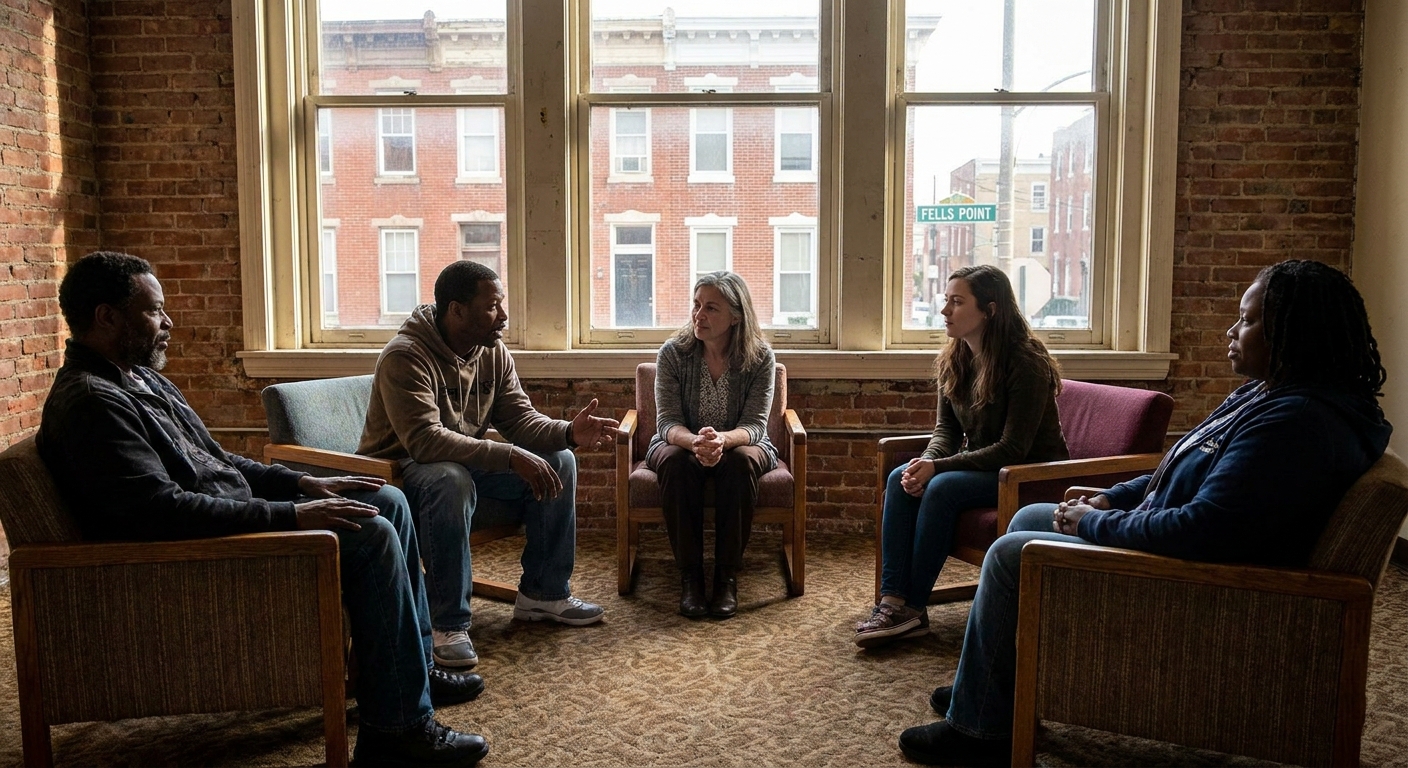

Understand residential mental health treatment
A residential mental health treatment program can offer you an immersive environment where you receive 24-hour support and comprehensive care. If you are navigating complex conditions such as severe depression, anxiety, post-traumatic stress, bipolar disorder or borderline personality disorder—often with co-occurring addiction—a structured, on-site setting may provide the safety and focus necessary for lasting recovery.
What is residential treatment
In a residential program you live on-site at a licensed facility designed to address psychiatric and dual diagnosis care. You follow a consistent daily schedule of individual therapy, group sessions, medication management and wellness activities. This model differs from outpatient care by minimizing distractions from everyday life and allowing you to concentrate fully on healing in a supportive environment tailored to your unique challenges.
Levels of care comparison
Residential care is one of several treatment options available:
- Partial hospitalization program (PHP): intensive day treatment without overnight stays. Learn more about our php program for mental health disorders.
- Intensive outpatient program (IOP): treatment sessions several times per week while you maintain your home routine. Explore our iop for mental health and substance abuse.
- Outpatient therapy: flexible individual or group sessions around your work and life commitments. See options like outpatient therapy with psychiatric support.
Overall, choosing the right level of care depends on your current stability, treatment goals and support system.
Explore program options
Partial hospitalization programs
A partial hospitalization program delivers a structured schedule for most of your day, including therapy, psychoeducation and community support groups. You return to a familiar living environment in the evenings, which can help you maintain family connections while benefiting from intensive care.
Intensive outpatient programs
In an IOP you typically attend treatment three to five days per week for several hours each day. This option offers more flexibility and is well suited for individuals stepping down from residential care or managing moderate symptoms. You might explore specialized tracks, such as an intensive outpatient program for depression or outpatient therapy for trauma and PTSD, depending on your needs.
Outpatient therapy alternatives
For milder conditions or as a follow-up to more intensive care, outpatient therapy can address specific disorders through customized programs:
This tiered approach allows you to find the right balance between treatment intensity and daily life responsibilities.
Recognize therapeutic modalities
Within a residential mental health care program you benefit from a spectrum of therapies designed to address mind, body and spirit.
Evidence-based therapies
| Therapy | Description |
|---|---|
| Cognitive Behavioral Therapy (CBT) | Helps you identify and reshape negative thought patterns related to depression, anxiety or obsessive behaviors [1] |
| Eye Movement Desensitization and Reprocessing (EMDR) | Guides you in processing traumatic memories through controlled eye movements, reducing emotional intensity |
| Motivational interviewing | Empowers you to explore and resolve ambivalence toward change, fostering intrinsic motivation |
Holistic and trauma-informed care
A truly comprehensive treatment plan often includes:
- Polyvagal Theory Therapy to regulate your autonomic nervous system and build resilience
- Holistic activities such as yoga, meditation and art therapy
- Recreational therapy to support physical health and stress relief
- A supportive residential environment with on-site therapeutic housing options such as mental health treatment with supportive housing
This combination ensures your individualized plan addresses past trauma and promotes overall wellness.
Assess program duration
Understanding how long you might stay in a program helps you set realistic expectations.
Typical lengths and factors
Residential programs for substance use and mental health typically last between 30 and 90 days, offering around-the-clock care in a safe, structured setting [2]. The length of your stay may vary based on:
- Severity of your condition and response to treatment
- Co-occurring mental health or substance use disorders
- Support from family and friends
- Your personal recovery goals
Residential mental health tracks may also range from 30 to 90 days with flexibility to tailor care based on your needs [3]. Some centers offer specialized programs, such as a 30–45-day track for young adults or a 30–90-day professionals and executives program [4].
Research on treatment outcomes
Studies indicate that residential care can lead to improvements in substance use, mental health symptoms and social functioning over time [5]. At the same time, comparisons with outpatient services show mixed results due to differences in participant needs and treatment intensity. In addition, nearly 108,000 people died from drug overdoses in 2022, yet more than 95 percent of those who needed inpatient care did not receive it [6]. Relapse rates for substance use are estimated at 40 to 60 percent, underscoring the chronic nature of these conditions.
Plan for co-occurring conditions
If you face both mental health challenges and substance use, an integrated approach can be critical for lasting recovery.
Dual diagnosis integration
An integrated dual diagnosis program addresses psychiatric symptoms and addiction simultaneously. You might consider options such as dual diagnosis treatment for addiction and mental health or a residential dual diagnosis program. This model reduces the risk of relapse by ensuring all facets of your health are treated under one coordinated plan.
Addiction and mental health care
Specialized tracks for co-occurring conditions include evidence-based therapy, medication management and peer support. Research shows that individuals who engage in comprehensive treatment followed by ongoing aftercare achieve better outcomes and reduced substance use [6].
Prepare for admission
Knowing what to expect can alleviate uncertainty as you plan for residential care.
Assessment and intake process
Prior to admission you will complete:
- Clinical evaluations with psychiatrists and therapists
- Medical screening for detoxification needs
- Psychological assessments to tailor your individualized plan
This comprehensive intake ensures your treatment program aligns with your specific condition and goals.
What to bring and expect
Pack items for comfort and practicality:
- Casual, weather-appropriate clothing
- Personal toiletries and prescribed medications
- Copies of insurance and medical records
- A list of personal goals and questions for your care team
Once admitted you can expect a structured daily schedule of therapy, meals and recreation, regular check-ins with your treatment team and access to on-site amenities such as fitness areas and meditation spaces.
Continue postdischarge support
After completing a residential program, ongoing care helps you maintain progress and build resilience.
Level of care transitions
You may step down to:
- Outpatient therapy such as outpatient therapy with psychiatric support
- Partial hospitalization or iop for mental health and substance abuse
- Supportive housing models for stabilized living
Community and family resources
Sustained recovery often involves:
- Family therapy options like dual diagnosis program with family therapy
- Peer support groups and alumni networks
- Ongoing case management to coordinate medical, social and vocational services
These resources provide the support necessary for lasting recovery beyond the residential setting.
Take next steps
Empowering yourself to seek the right level of care is a courageous first move. To begin:
How to get started
- Reach out for a confidential consultation with our admissions team
- Complete a preliminary phone screening to discuss your needs
- Schedule an in-person or virtual assessment
Resources and contacts
For more specialized information visit:
- OCD therapy with behavioral health program
- Outpatient program for borderline personality disorder
- PTSD treatment with relapse prevention
You do not have to navigate this journey alone. A tailored residential mental health treatment program can equip you with the tools, resilience and support necessary to unlock healing and reclaim your life.