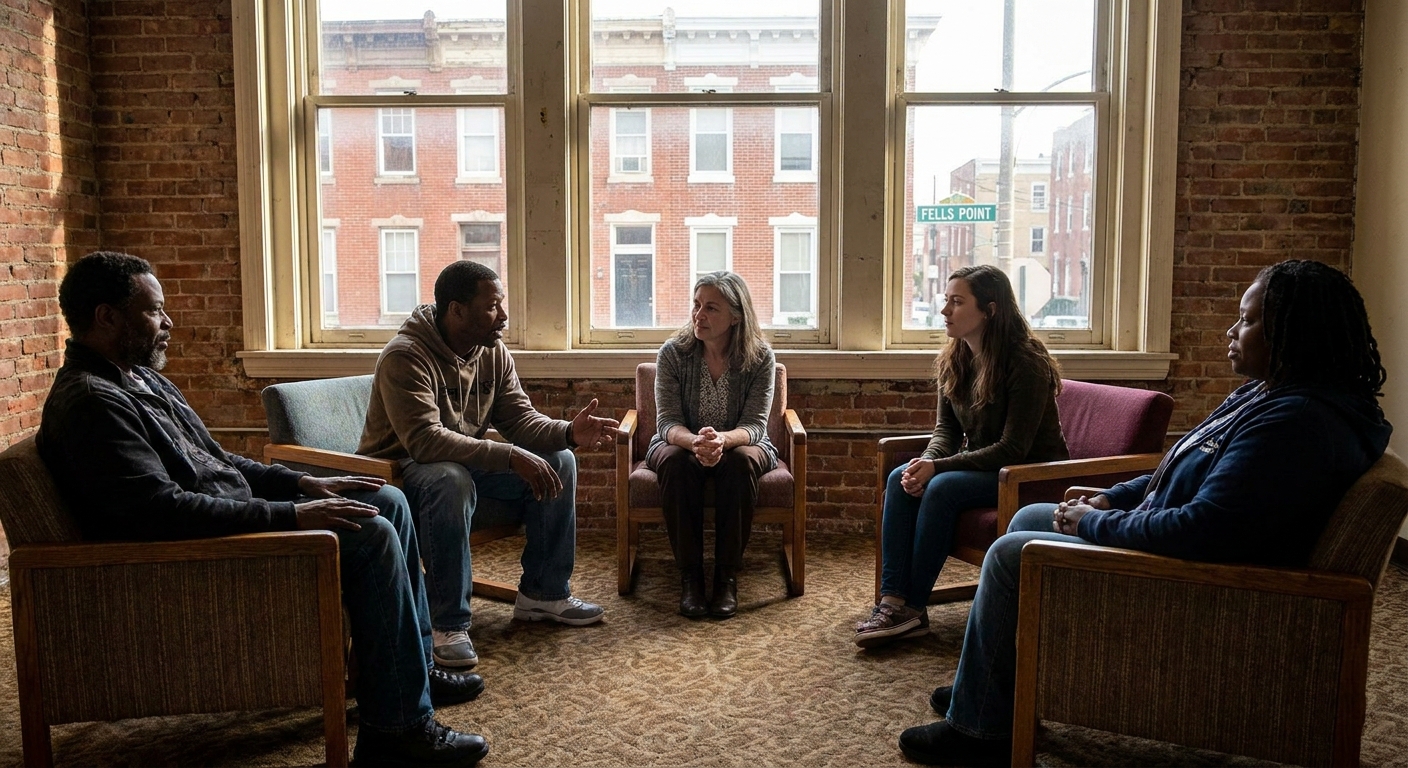

The street supply across Maryland has altered radically, leaving everyday individuals and vulnerable neighbors facing an unfamiliar chemical threat. The emergence of tranq dope in Baltimore marks a dangerous shift where standard street substances like Fentanyl are mixed with a heavy veterinary sedative known as Xylazine. This additive creates severe physical dependencies, complex respiratory emergencies, and deep wounds that standard emergency treatments cannot fully reverse.
- What it is: A combination of synthetic opioids and a veterinary sedative not approved for human use.
- Why it kills: The sedative component does not respond to regular opioid reversal medications, causing prolonged, dangerous unconsciousness.
- Physical impact: Severe tissue damage and deep skin ulcerations occur regardless of how the substance is consumed.
- The solution: Tailored community support, targeted harm reduction methods, and medical stabilization programs that look at the whole person.
The change happened quietly at first, showing up as a heavier drowsiness that people on the street could not easily explain. For decades, neighborhoods across the city struggled with traditional substances, but the arrival of tranq dope in Baltimore introduces an entirely different kind of physical peril. People find themselves asleep for hours on hard concrete pavements, waking up with serious limb injuries and memory gaps that indicate a massive systemic shock.
Understanding the chemical makeup of tranq dope in Baltimore
To figure out what is happening on our street corners, we have to look closely at the substance itself. This mixture relies heavily on a drug meant solely for animals, known under the xylazine street name. When suppliers combine this animal tranquilizer with synthetic opioids, they create tranq dope in Baltimore, a product that keeps users heavily sedated for much longer periods. It stretches out the shorter high of common synthetic options, but it introduces a toxic element that human bodies were never built to handle.
Street names shift quickly depending on the block, but whether someone calls it tranq, zombie drug, or sleep cut, the chemical reality stays identical. It is a powerful sedative that slows down internal systems to a crawl. The human heart rate drops, blood pressure plummets, and skin tissue begins to lose oxygen. This happens because tranq dope in Baltimore constricts blood vessels tightly, cutting off the vital flow that keeps human skin healthy and alive.
The mixing process happens in hidden spaces, using unpredictable amounts that make every single dose a gamble. Someone might buy a small bag expecting a familiar substance, only to receive a dose heavily contaminated with the xylazine street name. This unpredictability turns a high-risk habit into an immediate life-and-death crisis, catching even long-term drug users completely off guard.
Why is tranq dope so much more lethal than standard fentanyl?
Standard laboratory options present incredible dangers on their own, but fentanyl cut with tranq elevates the threat to an entirely different tier. Traditional opioids lock onto specific receptors in the brain that respond directly to emergency nasal sprays. When you introduce a heavy animal sedative, those emergency sprays can only clear out the opioid portion of the mixture. The person might start breathing slightly better, but they remain profoundly unconscious because the tranq dope in Baltimore continues to suppress their central nervous system.
This dynamic leaves bystanders feeling completely helpless during a medical emergency. They might administer multiple doses of rescue spray, yet the individual remains unresponsive on the floor. This prolonged state of deep sedation leads directly to a severe tranq overdose, where the body forgets to breathe, and the brain suffers from a lack of clean oxygen for extended periods.
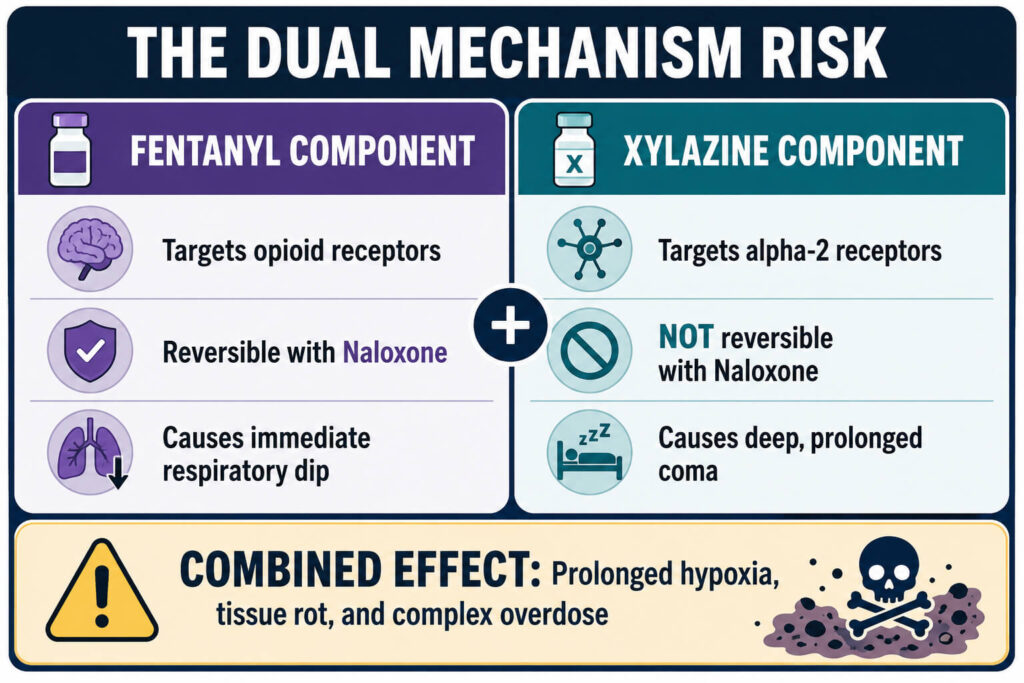
The presence of fentanyl cut with tranq also changes how a person experiences physical dependency. The withdrawal is not just the painful flu-like sickness associated with typical opioids. It includes a severe, terrifying physical anxiety, rapid heart fluctuations, and extreme muscle tremors caused by the sudden absence of the animal sedative. People use tranq dope in Baltimore again not to feel good, but because the physical withdrawal feels like an immediate cardiac event.
How has tranq affected Baltimore overdose rates
The numbers coming out of local health departments paint a very troubling picture of our neighborhoods. When looking at Baltimore overdose statistics, the upward trend lines reflect a changing street reality that has overwhelmed local emergency rooms. The city has always carried a heavy burden regarding substance use, but the introduction of tranq dope in Baltimore has made survival much harder for people caught in active addiction.
A few years ago, these cases were rare anomalies found in specific laboratory reports. Now, public health monitoring indicates that the vast majority of local street samples contain traces of the drug known by the xylazine street name. This saturation means that anyone buying illicit substances in the area is highly likely to encounter this toxic additive, whether they want it or not.
The shift shows up clearly when examining recent Baltimore overdose statistics. Emergency calls often involve individuals who have been down for six to eight hours, leading to secondary complications like muscle breakdown, hypothermia, or severe nerve damage from lying in awkward positions. The rise in fatalities is not just about immediate breathing cessation; it is about the profound, unyielding vulnerability of an entire population exposed to tranq dope in Baltimore, an industrial-strength animal sedative.
The physical reality of skin damage and long-term wounds
You can’t really discuss Baltimore’s tranq problem without talking about the shocking physical injuries it causes. The wounds associated with this substance are distinct from anything local doctors have treated in previous decades. They do not just appear where a person injects the drug; these deep, crusty, black lesions can break out on a person’s shins, forearms, or shoulders, even if they only snort or smoke the substance.
The tissue damage begins as a small purple discoloration that looks like a normal bruise. In just a matter of days, the skin tears open into a deep, raw ulcer that simply refuses to heal with standard first aid. Because the xylazine street name acts as a severe vasoconstrictor, it narrows blood vessels so much that the body cannot deliver its own healing cells to the injured site. The tissue simply dies, creating an environment where serious bacterial infections can thrive.
Living with these wounds means carrying an immense physical burden every single day. Walking down a block becomes agonizing, and keeping the injuries clean in a chaotic environment or temporary shelter is almost impossible. The physical pain caused by tranq dope in Baltimore drives people deeper into isolation, keeping them away from the very medical clinics and community spaces that could help them find a path toward stabilization.
What harm reduction strategies work against tranq dope
Traditional rescue playbooks must evolve to meet this crisis effectively. Because a tranq overdose involves two completely different types of drugs, the community response has to expand beyond just handing out standard nasal sprays. We have to train people to focus heavily on oxygenation and extended rescue breathing rather than just waiting for an immediate awakening that might not happen.
- Prioritize airway management: If someone is unresponsive, call emergency services immediately and ensure their airway stays completely clear of obstructions.
- Administer rescue sprays regardless: Always use your nasal spray because clearing the opioid part of the mixture can restore basic respiratory function, even if the person stays asleep.
- Perform rescue breathing: If the person is not breathing or is gasping for air, give steady rescue breaths every five seconds to keep oxygen moving to their brain.
- Monitor skin condition closely: Wash minor skin breaks with clean water and mild soap immediately, avoiding harsh chemicals like alcohol or peroxide that damage delicate healing tissue.
- Test substances beforehand: Use available testing strips designed specifically to detect the presence of the animal sedative before consumption occurs.
Community advocates are working tirelessly across our neighborhoods to distribute these new testing supplies and teach updated life-saving methods. Organizations like the Seventy Times Seven Wellness Mission have been working hard in the broader Baltimore region to connect vulnerable individuals with immediate health resources, showing that consistent, compassionate human contact remains the most effective tool we have against the isolation of addiction.
Navigating the complex path toward physical stabilization
Detoxifying from fentanyl cut with tranq requires a careful, medically supervised strategy that addresses both independent withdrawal tracks simultaneously. Standard clinical protocols often fail if they only account for the opioid side of the equation. Doctors must use a combination of medications to calm the overactive nervous system caused by the sedative withdrawal while stabilizing the intense cravings left by the opioid.
This is a slow, patient process that can only truly happen in a safe environment away from street chaos. A person cannot focus on emotional recovery or long-term housing goals when their body is shaking from severe chemical anxiety and their skin is suffering from untreated ulcerations. True healing requires medical teams who understand that these wounds are not signs of personal failure, but direct results of a contaminated supply system.
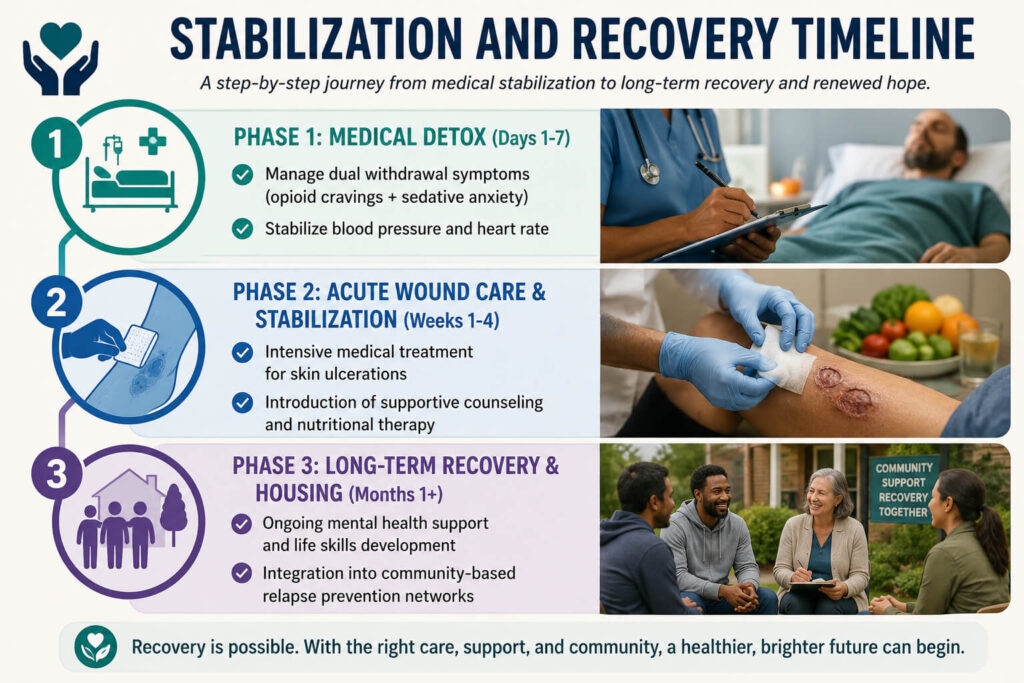
Once the physical body achieves a baseline of safety, the work of rebuilding a life can begin. This means addressing the deep psychological roots of substance use, learning how to handle daily stressors without turning back to tranq dope in Baltimore, and finding a community that offers accountability without judgment. It is a slow, non-linear journey, but hundreds of people make this transition every year when given access to the right resources.
Moving beyond clinical terms to see the human story
It is easy to get lost in the grim numbers of Baltimore overdose statistics or the complex science of a tranq overdose. But behind every data point is a real person with a story, a family, and a future that matters. The people navigating this crisis on our avenues are sons, daughters, artists, and parents who got caught in an incredibly predatory drug market that changed the rules of survival overnight.
When someone is trapped using fentanyl cut with tranq, fear becomes their primary driver. They are trapped by a double fear: the unbearable pain of withdrawal, and the terrifying physical transformation caused by the drug’s wounds. Offering help means meeting that fear with absolute clarity and practical solutions, rather than empty promises or cold clinical lectures.
By changing how we talk about tranq dope in Baltimore, we can build better bridges to care. When people know they will be treated with dignity, that their painful wounds will be dressed with medical expertise, and that their withdrawal will be managed safely, they become much more willing to take that first brave step inside a treatment facility.
Building a permanent safety net in our local communities
Long-term victory over this crisis will not come from emergency interventions alone. It requires building a stronger, more accessible network of care that catches people before they fall into the deepest parts of active use. This means expanding local housing assistance, increasing the availability of mental health counselors, and supporting grassroots organizations that understand the unique layout of our city’s neighborhoods.
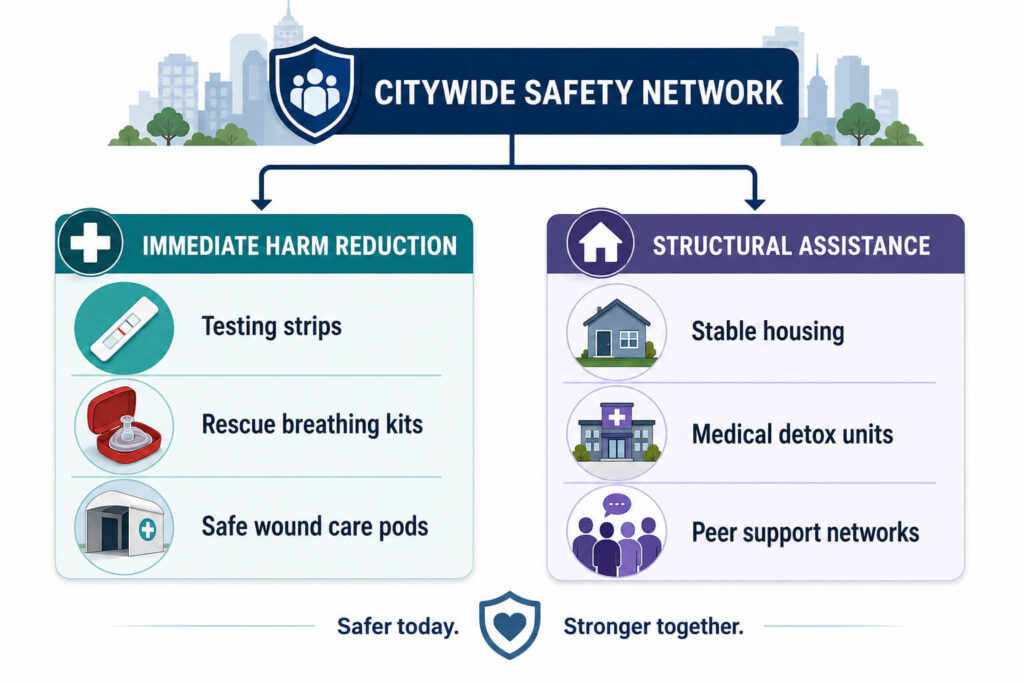
When local families know how to spot the signs of a tranq overdose and understand how to respond calmly, our city blocks become safer for everyone. Education breaks down the isolation that keeps people using in hidden alleys and abandoned properties. The more we bring this discussion into the light, the more effectively we can dismantle the power tranq dope in Baltimore holds over our communities.
Finding hope and practical paths to long-term change
Even when the current environment feels incredibly heavy, real change is happening every single day across Maryland. People who once felt completely trapped by the xylazine street name are standing up, healing their physical bodies, and reclaiming their places within our neighborhoods. Recovery is never a quick fix, but it remains a very real possibility for anyone willing to reach out for support.
Navigating this journey requires a dedicated team that understands the specific challenges of the current street supply. By combining modern medical detox practices, specialized wound management, and deep mental health counseling, individuals can safely move past the dangers of the modern drug market. The road is built one step at a time, starting with a single conversation in a safe space.
Need Professional Help?
If you or a loved one are struggling with the dangerous realities of street substances in Maryland, please do not face this physical crisis alone. Our dedicated team specializes in managed medical withdrawal, advanced wound care, and comprehensive mental health support tailored to the unique challenges of the modern supply. Reach out to our compassionate admissions professionals today at 410-624-5037 to explore your options and find a safe, supportive path toward lasting physical recovery.
The story of our city does not have to be defined by the arrival of tranq dope in Baltimore. Every time an individual enters a safe stabilization program, a family is reunited, a life is saved, and a neighborhood takes a step toward collective healing. By looking closely at the human side of this crisis and providing comprehensive, dignified care, we can help our community emerge stronger, healthier, and more resilient for the years ahead.