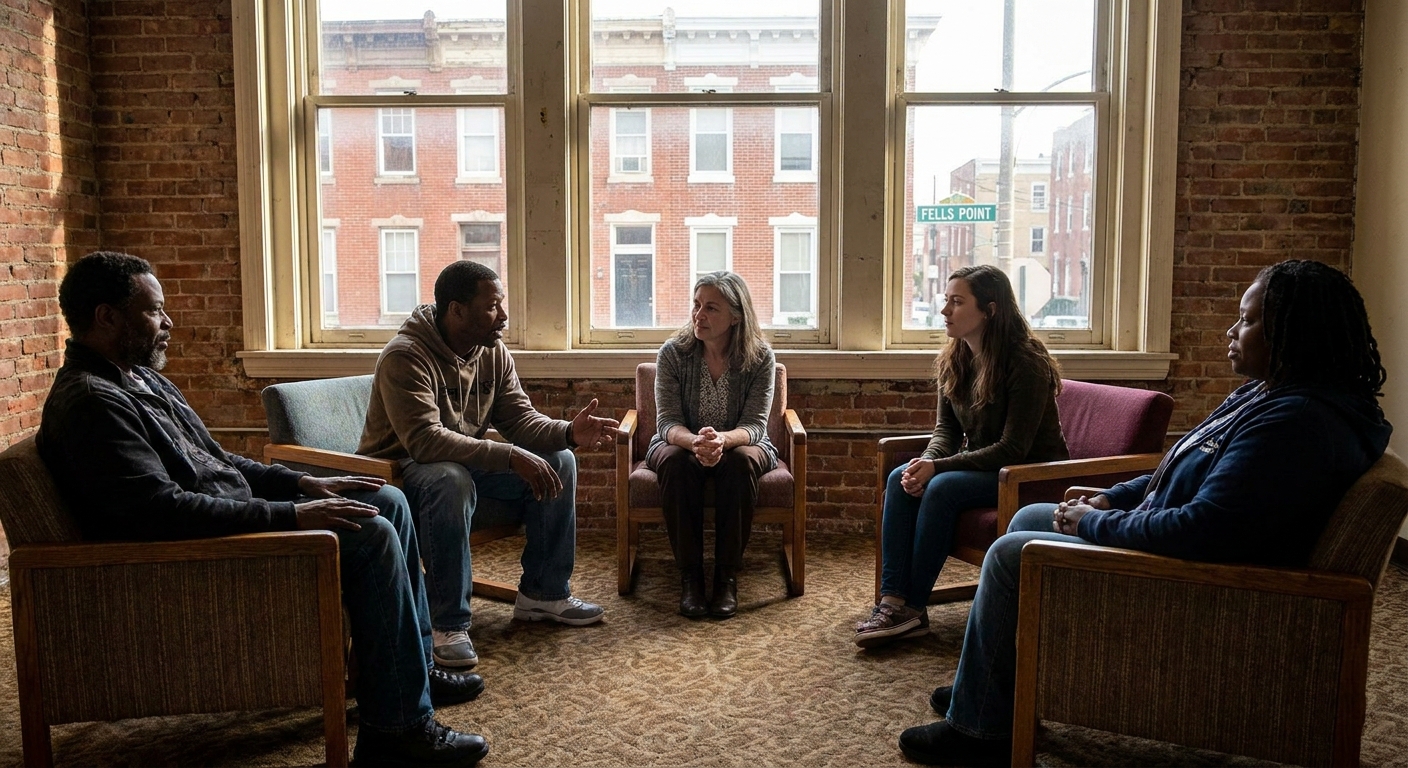

Finding a place to stay while you work on your recovery should feel like a relief. It should be a space where you can breathe, focus on your health, and start over. However, many families in Baltimore and across the state are finding out that the search for legitimate housing for treatment can be tricky. Some places make big promises but don’t have the staff or the licenses to keep you safe. You want a home that helps you grow, not a place that just wants your insurance money.
When you look for legitimate housing for treatment, you are looking for more than just a bed. You are looking for a community that follows the law and puts your well-being first. Maryland has seen an increase in “housing for treatment” schemes where people are lured into unlicensed homes. These places often lack basic safety standards. Knowing the difference between a real recovery home and a scam is the first step toward a successful journey.
Why you need legitimate housing for treatment in Maryland
A safe environment is the foundation of any recovery plan. If the roof over your head is unstable or the people running the house are dishonest, it is hard to focus on getting better. Choosing legitimate housing for treatment ensures that the program is connected to actual clinical care. Many people in our area have found that the Seventy Times Seven Wellness Mission in Baltimore provides a great example of how support should look. They focus on the person, not just the process, making sure every step feels right.
There are many safe sober living options in Maryland if you know where to look. These homes provide a bridge between intensive rehab and going back to your old life. They offer structure, like curfews and drug testing, which keeps everyone on the right path. When a home is legitimate, they are open about their rules and their history. They won’t try to hide their lack of certification from you.
How to find ethical housing for your recovery journey
Searching for a place shouldn’t feel like a guessing game. To find ethical housing, you should start with state-sanctioned tools. The Maryland Department of Health and local hubs like 211 Maryland are great places to check. These resources list verified Maryland recovery homes that have passed inspections. An ethical house will always be happy to show you their paperwork. If they get defensive when you ask questions, that is a red flag you should not ignore.
To find ethical housing, talk to people who have been through the system. Word of mouth in the Baltimore recovery community is very strong. People know which houses are run with heart and which ones are just businesses. You want a place that treats you like a human being with a future. Verified Maryland recovery homes are held to high standards to make sure they aren’t taking advantage of people when they are most vulnerable.
The importance of choosing verified Maryland recovery homes
Why does verification matter so much? It comes down to accountability. When you stay in verified Maryland recovery homes, there is a governing body looking out for you. They check for things like fire safety, clean living conditions, and fair rules. In Maryland, the Maryland Certification of Recovery Residences (MCORR) is the group that handles this. They make sure the house isn’t just a “flop house” where people are left alone without any guidance.
Living in verified Maryland recovery homes also means you are surrounded by people who are serious about their sobriety. It creates a culture of respect. You won’t find the chaos that often happens in unlicensed “sober homes.” If you are looking for safe sober living options in Maryland, checking the MCORR list is the smartest move you can make. It saves you time and protects your peace of mind during a very sensitive time in your life.
Spotting Maryland housing scams before they happen
 It is sad to think that people would prey on those trying to get help, but it happens. Spotting Maryland housing scams starts with looking at the money. If a house offers you “free” rent in exchange for your insurance information, be very careful. This is a common tactic in housing scams in Maryland. They use your insurance to bill for services you never receive, and once the money runs out, they might kick you out on the street.
Another part of spotting Maryland housing scams is checking the location. Sometimes, scammers post “phantom listings” using photos of nice houses that they don’t actually own. Always visit the house in person before you pay anything. Talk to the other residents if you can. If the house manager seems more interested in your credit card than your recovery goals, it’s time to walk away. Avoiding housing scams in Maryland requires a bit of detective work, but it is worth it.
How to book certified treatment housing safely
Once you find a place that feels right, you need to know how to book certified treatment housing without getting cheated. Never send money through apps like Zelle or Venmo to someone you haven’t met. Real organizations will have a professional intake process. They will provide a written agreement that outlines the costs, the house rules, and what happens if you leave. When you book certified treatment housing, you are entering into a professional contract.
If a place pressures you to sign quickly or says the “deal” will expire, take a breath. Legitimate housing for treatment doesn’t use high-pressure sales tactics. They understand that this is a big decision for you and your family. If you are working with a group like Seventy Times Seven Wellness Mission in Baltimore, they can often point you toward the right steps to book certified treatment housing through the proper channels. They value transparency above everything else.
Understanding the role of certified recovery residences
What exactly are certified recovery residences? These are homes that follow the National Alliance for Recovery Residences (NARR) standards. They aren’t just apartments; they are therapeutic environments. Being in certified recovery residences means there is a peer-led or staff-led structure that supports your specific needs. This might include 12-step meetings, life skills classes, or help finding a job.
The state is working hard to make sure more homes become certified recovery residences. This push for quality is why legitimate housing for treatment is becoming easier to find, but you still have to stay alert. A certified home will have a grievance policy. This means if something goes wrong, you have a formal way to complain. This level of protection is rarely found in the unlicensed homes that make up the bulk of housing scams in Maryland.
Finding safe sober living options in Maryland cities
Whether you are in Baltimore, Annapolis, or Frederick, the search for safe sober living options in Maryland remains the same. You want a neighborhood that is quiet and far away from old triggers. A good recovery home will be located in a place that feels like a real community. When you look for safe sober living options in Maryland, ask about the proximity to public transportation and job opportunities. Recovery is about building a life, not just staying away from substances.
Many people find that safe sober living options in Maryland provide the best chance at long-term success. The structure helps rebuild the habits that were lost during active addiction. In Baltimore, programs like 70×7 Wellness Mission understand that a house is more than four walls. It’s about the spirit of the people inside. They help residents find legitimate housing for treatment that matches their personal goals and stage of recovery.
Why find ethical housing for long term success
If you want your recovery to last, you have to find ethical housing. An unethical house might let things slide, like people using drugs in the back room or ignoring chores. This environment will eventually pull you back down. To find ethical housing, look for a program that has a clear “good neighbor” policy. This shows they care about their reputation and the safety of everyone involved.
When you find ethical housing, you are investing in your future. These homes often have connections to local employers and volunteer groups. They want to see you leave the house as a stronger, more independent person. Unlike the groups involved in spotting Maryland housing scams, ethical providers measure their success by how many people stay sober, not by how much profit they make each month.
Steps to avoid common housing scams in Maryland
If you are currently looking for a place, here are some practical tips for avoiding housing scams in Maryland. First, use the SAMHSA FindTreatment.gov tool. If a house claims to offer clinical treatment but isn’t on that list, be wary. Second, verify their license through the Maryland Department of Health. Third, look out for “kickbacks.” This is when a house pays someone to “recruit” you. This is illegal and a hallmark of housing scams in Maryland.
Spotting Maryland housing scams often involves trusting your gut. If a deal seems too good to be true, like a luxury mansion for a tiny fee, it probably is. Scammers count on the fact that people are desperate for help and might skip the background checks. Don’t let your urgency cloud your judgment. Taking an extra day to verify legitimate housing for treatment could save you from a dangerous situation later on.
The benefits of staying in certified recovery residences
There is a huge psychological benefit to living in certified recovery residences. You feel a sense of pride knowing you are in a place that meets high national standards. It helps you take your own recovery more seriously. In certified recovery residences, the house managers are often people in long-term recovery themselves. They have been where you are and can offer real, lived-in advice that a textbook can’t provide.
In Maryland, certified recovery residences are part of a growing network of providers who talk to each other. This means if one house isn’t the right fit for your personality, they can often recommend another legitimate housing for treatment option that works better. This spirit of cooperation is what makes the Maryland recovery community so strong. It’s about getting people the help they need, period.
How to find verified Maryland recovery homes online
The internet is a double-edged sword. It’s where you start your search, but it’s also where most housing scams in Maryland live. When searching online, look for the MCORR logo on the website. To find verified Maryland recovery homes, use official state websites rather than just clicking on sponsored ads on search engines. These ads can be bought by anyone, including those running unlicensed schemes.
Once you find a few verified Maryland recovery homes online, call them up. Ask specific questions about their daily schedule and their discharge policy. A legitimate provider will be happy to explain how they handle relapses or conflicts between residents. They won’t give you vague answers. If you are looking to book certified treatment housing, ask if they have a physical office you can visit. This simple step can help you avoid most online fraudsters.
Protecting your family while seeking legitimate housing for treatment
Families often do the heavy lifting when it comes to finding help. If you are a parent or spouse, spotting Maryland housing scams is your way of protecting your loved one. Make sure the house has a clear policy on family visits. Legitimate housing for treatment encourages healthy family involvement. If a house tells you that you can’t talk to your loved one for a month without a medical reason, that is a warning sign.
You want to ensure you book certified treatment housing that values communication. In Baltimore, organizations like Seventy Times Seven Wellness Mission prioritize keeping families in the loop. They know that recovery doesn’t happen in a vacuum. By choosing verified Maryland recovery homes, you are ensuring that your money and your trust are going toward a program that actually works. Don’t be afraid to be the “annoying” family member who asks too many questions. Your loved one’s life is worth it.
Why safe sober living options in Maryland are worth the effort
It might seem like a lot of work to check all these licenses and avoid housing scams in Maryland, but the effort pays off. Staying in a high-quality home can be the difference between a relapse and a lifelong change. Safe sober living options in Maryland give you the space to practice what you learned in rehab. You get to learn how to cook, hold a job, and have fun without substances, all within a protected bubble.
When you settle into legitimate housing for treatment, the stress starts to melt away. You realize you are in a place where people actually care if you show up for dinner. This sense of belonging is powerful. Whether you are looking for certified recovery residences or simple safe sober living options in Maryland, the goal is the same: peace. You deserve a home that supports that goal every single day.
How to find ethical housing through local Baltimore resources
Baltimore has a wealth of resources if you know where to look. Beyond the big national websites, local peer support groups are amazing at helping people find ethical housing. They know which landlords are fair and which house managers truly care. You can also visit local health clinics to ask for a list of verified Maryland recovery homes. They usually keep a binder of trusted places they refer their patients to.
If you are trying to book certified treatment housing in the city, check out the Baltimore City Health Department’s website. They often have the most up-to-date info on legitimate housing for treatment within city limits. Working with local experts like 70×7 Wellness Mission can also streamline the process. They have their finger on the pulse of the Baltimore recovery scene and can help you avoid the common traps found in housing scams in Maryland.
Making the final choice on verified Maryland recovery homes
When you have a few options for verified Maryland recovery homes, how do you choose? It often comes down to the “vibe” of the house. Does it feel like your own home or a hospital? Does it feel like a prison or a community? Legitimate housing for treatment should feel like a place where you can be yourself. Check the cleanliness of the kitchen and the common areas. If the people living there look happy and engaged, that’s a great sign.
Remember that you can change your mind whenever you want. Even if you book certified treatment housing, if you get there and things feel wrong, you can leave. However, if you do your homework and focus on certified recovery residences, you are much more likely to find a perfect match on the first try. Your recovery is a journey, and the house you choose is the vehicle that gets you to your destination.
Final thoughts on spotting Maryland housing scams
The rise of housing scams in Maryland is a reminder that we have to look out for one another. By sharing information about how to spotting Maryland housing scams, we can put these dishonest operators out of business. Always prioritize legitimate housing for treatment over a “good deal.” Your health is the most valuable thing you have, and it isn’t worth risking for a cheaper rent check.
Stay focused on your goal. Whether you are looking for verified Maryland recovery homes for yourself or a child, keep your standards high. There are wonderful, safe sober living options in Maryland waiting for you. People who run these homes do it because they believe in the power of change. When you find ethical housing, you aren’t just finding a place to sleep; you are finding a new way to live.
Need Professional Help?
If you are struggling to find a safe place to stay or need guidance on the best path for your recovery, we are here to support you. Our team can help you navigate the process and find the care you deserve. Call us today at 410-624-5037 to speak with someone who understands and can help you take the next step toward a better life.
Conclusion
Searching for legitimate housing for treatment is a brave step. It shows you are ready to take control of your environment and your future. Maryland has the resources and the people to help you succeed, provided you stay informed and cautious. By sticking to certified recovery residences and working with trusted Baltimore organizations like 70×7 Wellness Mission, you can build a life that is stable, joyful, and free. You have the power to choose a path that leads to health, and finding the right home is a massive part of that victory. Keep moving forward, ask the hard questions, and trust that a better life is well within your reach.
References:
- FindTreatment.gov: A federal (SAMHSA) tool to find state-licensed treatment options. Any legitimate housing-for-treatment program should be affiliated with a licensed clinical provider found here.
- 211 Maryland – Substance Use Resources: The state’s official hub for finding local treatment, including recovery residences and peer support.
- Maryland Consumer Protection Division: Offers general advice on avoiding scams. While not all are treatment-specific, their guidelines on “Imposter Scams” and “Phantom Listings” apply to fraudulent recovery housing.